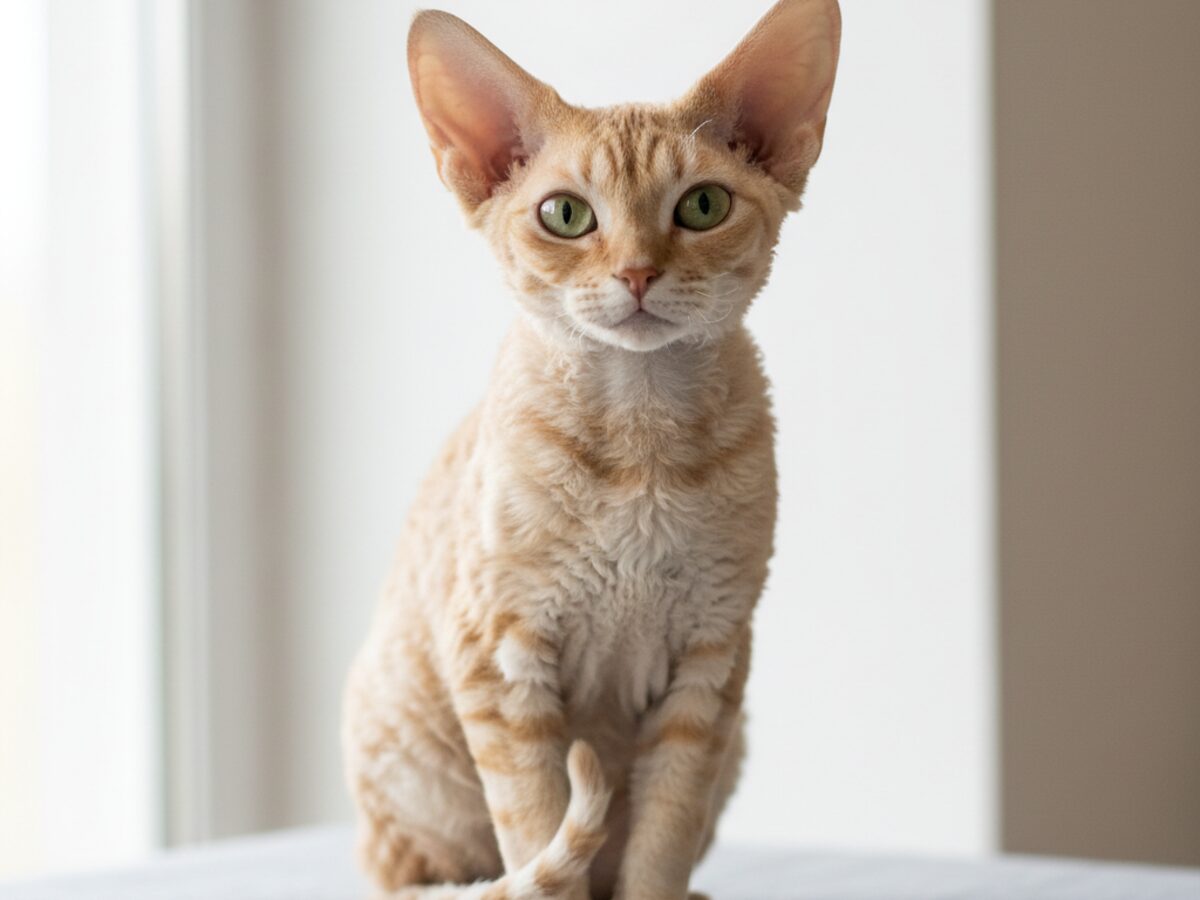
Devon Rex
"The mischievous pixie of the feline world, a curly-coated companion with a huge heart!"
Overview
Meet the Devon Rex, the cat that redefines the word 'charm'! With their unique appearance, reminiscent of a small elf or, some would say, an adorable little alien, Devon Rexes have captured the hearts of many families. It's not just their soft, wavy fur that makes them special, but their playful, outgoing personalities. They are famous for their love of tricks and their incredible ability to jump and climb. If you've ever thought of a cat that acts a little like a dog, following you from room to room and always ready for a good play session, the Devon Rex might just be the perfect companion! They are intelligent, curious, and love nothing more than being at the center of family action. Get ready to be entertained, loved, and perhaps a little trained by this amazing feline with big eyes and even bigger ears.
Key facts
- Size
- Small
- Weight
- 2–4 kg
- Life expectancy
- 9–15 years
- Daily exercise
- 40 min/day
- Estimated total
- 130€/month
- Country
- United Kingdom
Character & temperament
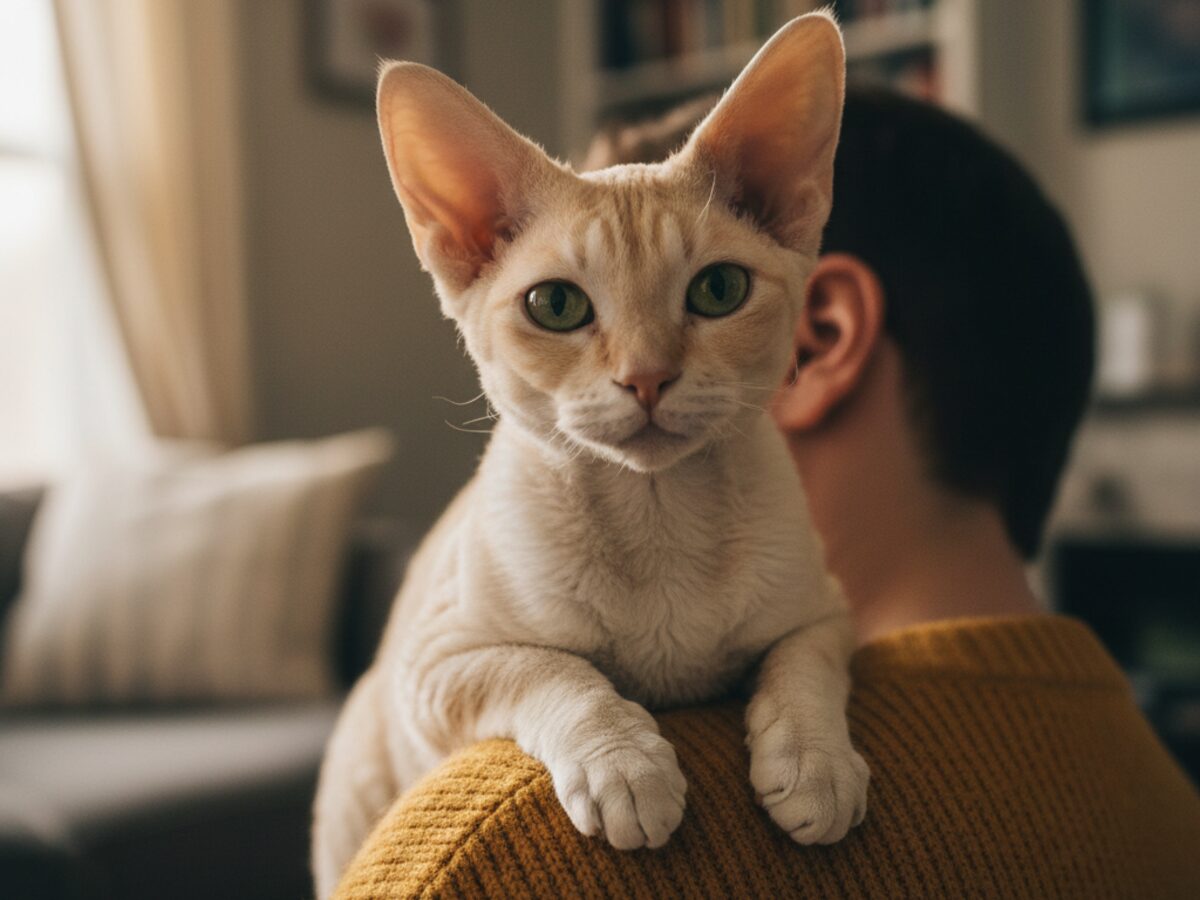
Devon Rexes are pure fun and personality! They are often described as 'dogs in cat suits' due to their loyalty, their tendency to follow their humans around the house, and their love for fetch. They are outgoing, playful, and extremely intelligent. They love to learn tricks, and it's not unusual to see them jump onto their owners' shoulders or even play with toys hanging from the ceiling. They are the kind of cat that wants to be involved in everything you do, from cooking dinner to watching a movie. Get ready for lots of laughs and mischief!
Living with children
Devon Rexes and children are an explosive combination of fun! They are known for their patience and playful nature, making them fantastic companions for children of all ages, especially those 5-6 years and older who already understand how to interact respectfully with an animal. They love to join in family games, and might even tolerate a little dress-up if kids enjoy costumes (always under adult supervision!). Their energy and eagerness to play keep them active and entertained. It's vital to teach children to be gentle with their delicate fur and large, sensitive ears. With early socialization, they will adapt wonderfully to a noisy, child-filled home.
With other pets
Devon Rexes are true social chameleons and generally get along wonderfully with other household pets. Their curious and playful nature means they see other cats or even friendly dogs as potential playmates. It's important to introduce them gradually and under supervision to ensure a smooth transition. With their short coat and low aggression, they are an excellent choice for multi-pet households, as long as they are given the opportunity to socialize and adapt. You might even find them curled up with small dogs or exploring the house in tandem with another cat.
Health & prevention
Devon Rexes are generally a robust breed, but like all breeds, they have some genetic predispositions to certain conditions. One of the most well-known is Hypertrophic Cardiomyopathy (HCM), a heart disease that can be detected through ultrasounds. They may also be prone to Patellar Luxation and a hereditary form of muscular dystrophy that affects their muscles. It is crucial to choose a responsible breeder who performs health screenings on the parent cats. To keep your feline elf in top form, make sure to take them for annual veterinary check-ups, keep up-to-date with vaccinations and deworming, and offer a high-quality diet. Their delicate skin may also require sun protection if they spend time outdoors.
Health risks
- •Hypertrophic cardiomyopathy
- •Spasticity
- •Patellar luxation
Care
Nutrition
Grooming & hygiene
The peculiar coat of the **Devon Rex** requires a slightly different kind of care than other breeds. Since they have little hair, they don't need frequent brushing (once or twice a week with a soft brush is enough to remove loose hair and distribute natural oils!). However, their skin can accumulate oils, which might require occasional baths (every few weeks or when they get dirty). Be sure to use a gentle, cat-specific shampoo! It's also important to clean their ears regularly with a vet-recommended solution, as their large ears can accumulate wax and dirt. And don't forget nail trimming every 2-3 weeks and dental hygiene.
Exercise & training
Exercise plan
Training
Monthly cost
Monthly costs are an estimate. Initial health expenses (vaccinations, neutering) are a significant outlay, and the cost of a Devon Rex kitten can vary, but generally ranges from €800 to €1500 depending on the breeder and lineage.
Estimate for Spain, healthy adult cat. Varies by region and provider.
Pros & cons
Pros
- ✓Extremely affectionate and attached
- ✓Very playful and intelligent
- ✓Excellent with children and other pets
- ✓Requires little grooming (though occasional baths)
- ✓Unique and fun personality
- ✓Hypoallergenic for some people with mild allergies
Cons
- !Needs a lot of attention and interaction
- !Can be destructive if bored
- !Poor tolerance for solitude
- !Sensitive to cold (needs warmth)
- !Sensitive skin that requires sun protection
Ideal for
- • Active families with time for play
- • Homes with older children and other pets
- • Owners seeking an interactive and affectionate cat
- • Clicker training enthusiasts
- • People who enjoy 'dog-like' cats
Not recommended for
- • People looking for an independent cat
- • Households where the cat will be alone for long hours
- • Families unable to dedicate time to play
- • Very cold climates without proper insulation
How it fits each scenario
Excellent. They adapt very well to apartment living as long as they have enough indoor stimulation and play.
Very good, but should be supervised or have a secure garden (enclosure) due to their tendency to get into everything and their sensitive skin. They will always prefer human company outdoors.
Good with precautions. They need sun protection if going outdoors and a cool environment indoors.
Requires warmth. Their thin coat is not sufficient for cold climates; they need sweaters or blankets.
With supervision. Their playful nature is good, but their delicate build requires toddlers to be taught to be very gentle.
Excellent. They are interactive and patient playmates, ideal for school-aged children who understand a cat's needs.
Good. They are very friendly and relatively easy to care for in terms of training and grooming, but require an owner committed to interaction.
Excellent. Experienced owners will appreciate their unique personality and enjoy the depth of the relationship that can be built.
Perfect. They enjoy interaction, play, and companionship, fitting perfectly into a dynamic household.
Not ideal. They dislike being alone and can develop anxiety or destructive behaviors if they don't receive enough attention.
Potentially. Some mild hair allergy sufferers may tolerate them, as they shed less hair. An interaction test is always recommended.
Not ideal. Requires investment in quality preventive veterinary care, plus potential expenses for heating/clothing in winter.
Origin & history
The story of the Devon Rex is as fascinating as the breed itself. It all began in 1959 in Buckfastleigh, Devon, England, when a cat lover named Beryl Cox discovered an unusual-looking kitten among the offspring of a stray cat she owned. This kitten, named Kirlee, possessed a very distinctive curly coat, similar to that of the Cornish Rex cats already being bred, but with a different genetic mutation. Initially, it was thought that Kirlee might be related to the Cornish Rex, but genetic testing soon revealed that his curl was the result of a completely new and unique mutation. Thus, Kirlee became the progenitor of a new and exciting breed.
The Devon Rex is so unique that it is rumored the **Cheshire Cat** character from 'Alice in Wonderland' might have been inspired by a cat with a similar look to a Devon Rex, with its wide grin and expressive eyes! In fact, in the anime series "**Pokémon**", the Pokémon **Alolan Persian**, with its round face and large eyes, somewhat resembles the distinctive, 'pixie-like' appearance of Devon Rexes.
Frequently asked questions
Is the Devon Rex truly hypoallergenic?▾
No cat is 100% hypoallergenic. However, Devon Rexes produce less of the Fel d 1 protein, the main cause of allergies, and shed less hair, making them a better option for people with mild allergies. It's always recommended to spend time with a Devon Rex before adopting to check for an allergic reaction.
Do they need clothes in winter?▾
Yes, due to their short and fine coat, Devon Rexes are sensitive to cold. In cool climates or during winter months indoors, they will appreciate a soft sweater or a blanket to stay warm. It's not just for style, it's for comfort!
Are they good for travel?▾
Yes! Because they are so attached to their humans and adaptable, many Devon Rexes enjoy traveling, especially if it's with their family. With a good carrier and early socialization, they can be excellent travel companions by car or plane.
How long does a Devon Rex live?▾
With proper care, a balanced diet, and regular veterinary check-ups, a Devon Rex can live between 10 and 15 years, and even longer in some cases. Many years of fun and companionship!
Can they be left alone?▾
They are not the ideal breed to be left alone for extended periods. They love company and can experience separation anxiety. If your family is very active and can't always be home, consider having two Devon Rexes or a compatible animal companion.
Similar family-friendly breeds
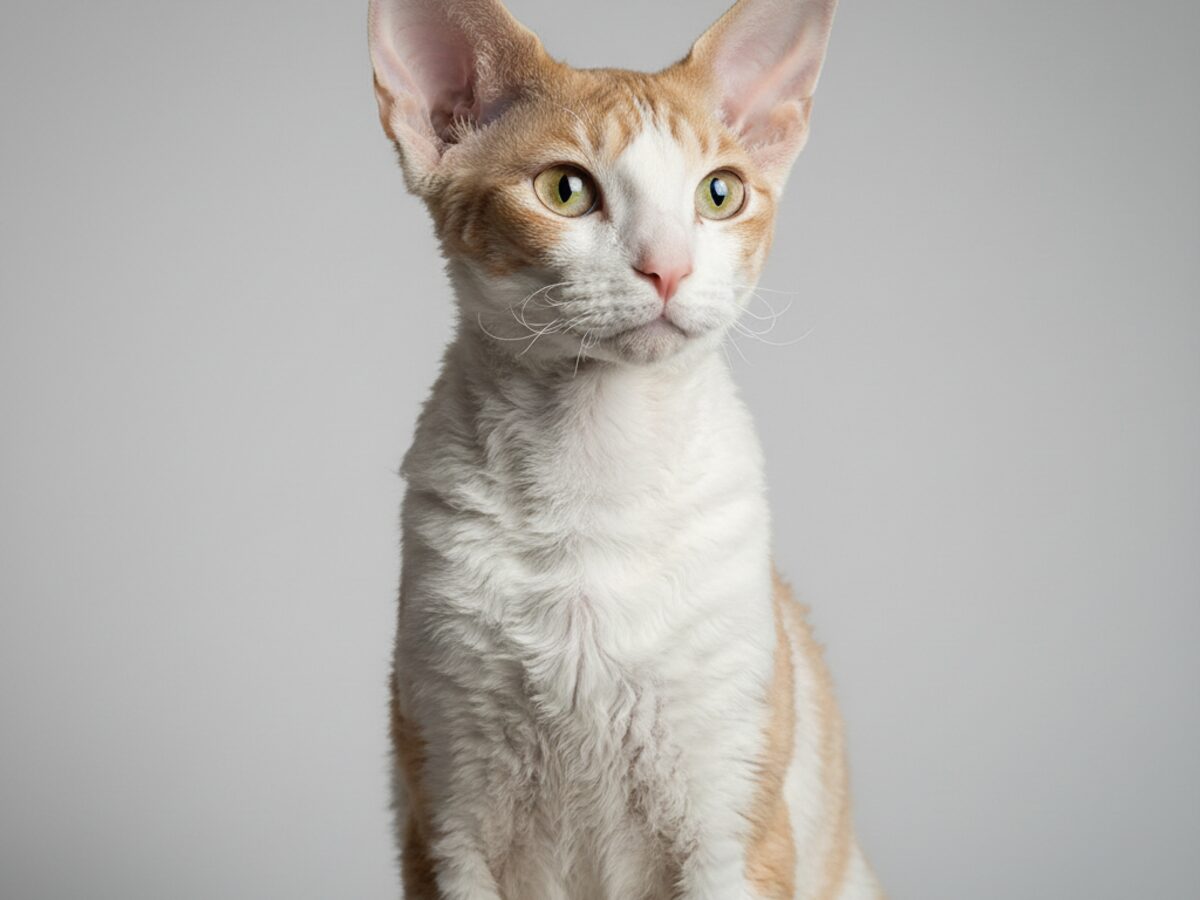
Cornish Rex
8.5A feline greyhound: wavy, athletic and always on the move. Curly velvet coat, barely sheds.
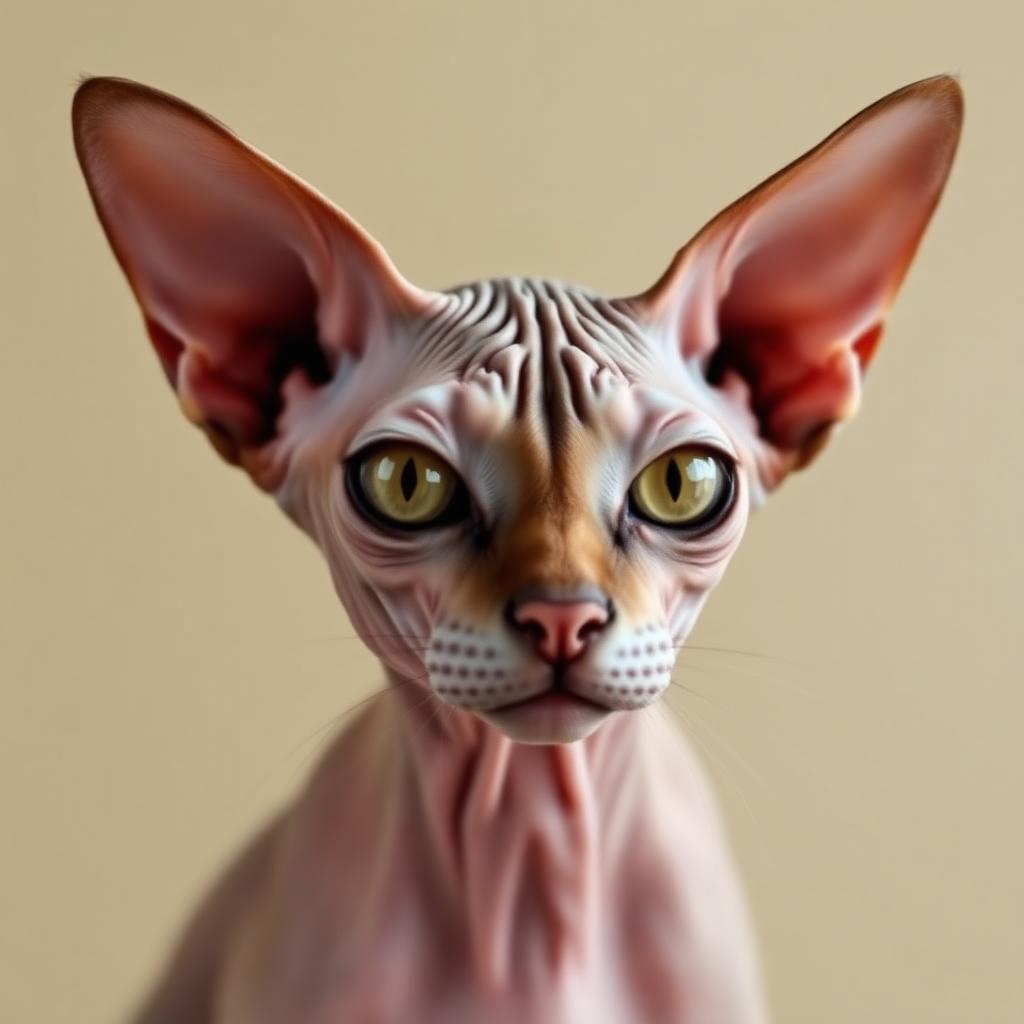
Sphynx
8.6Hairless, warm and extremely affectionate. Not hypoallergenic: still produces Fel d 1 saliva. Needs weekly baths and a warm home.
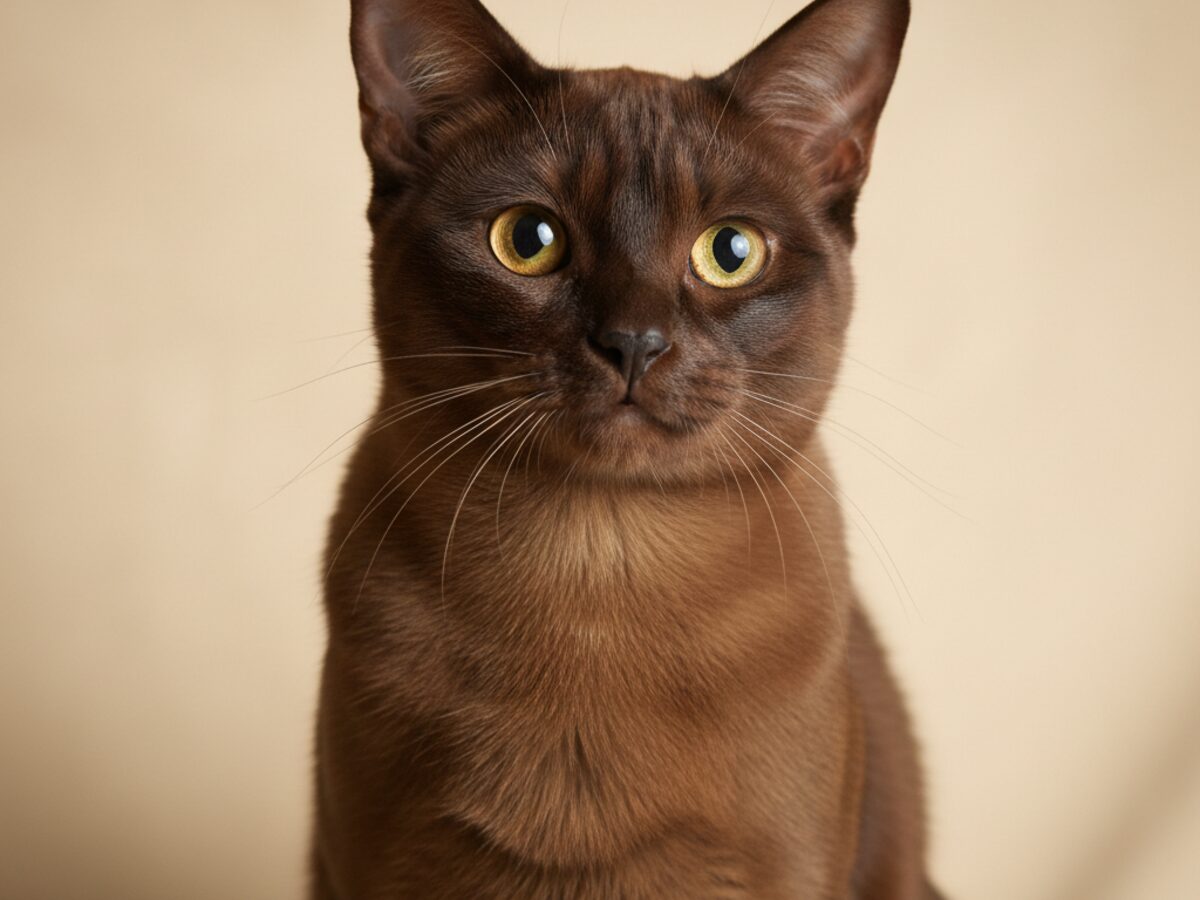
Burmese
8.8A small affectionate tank: heavier than it looks, playful into old age and always looking for a lap to land on.