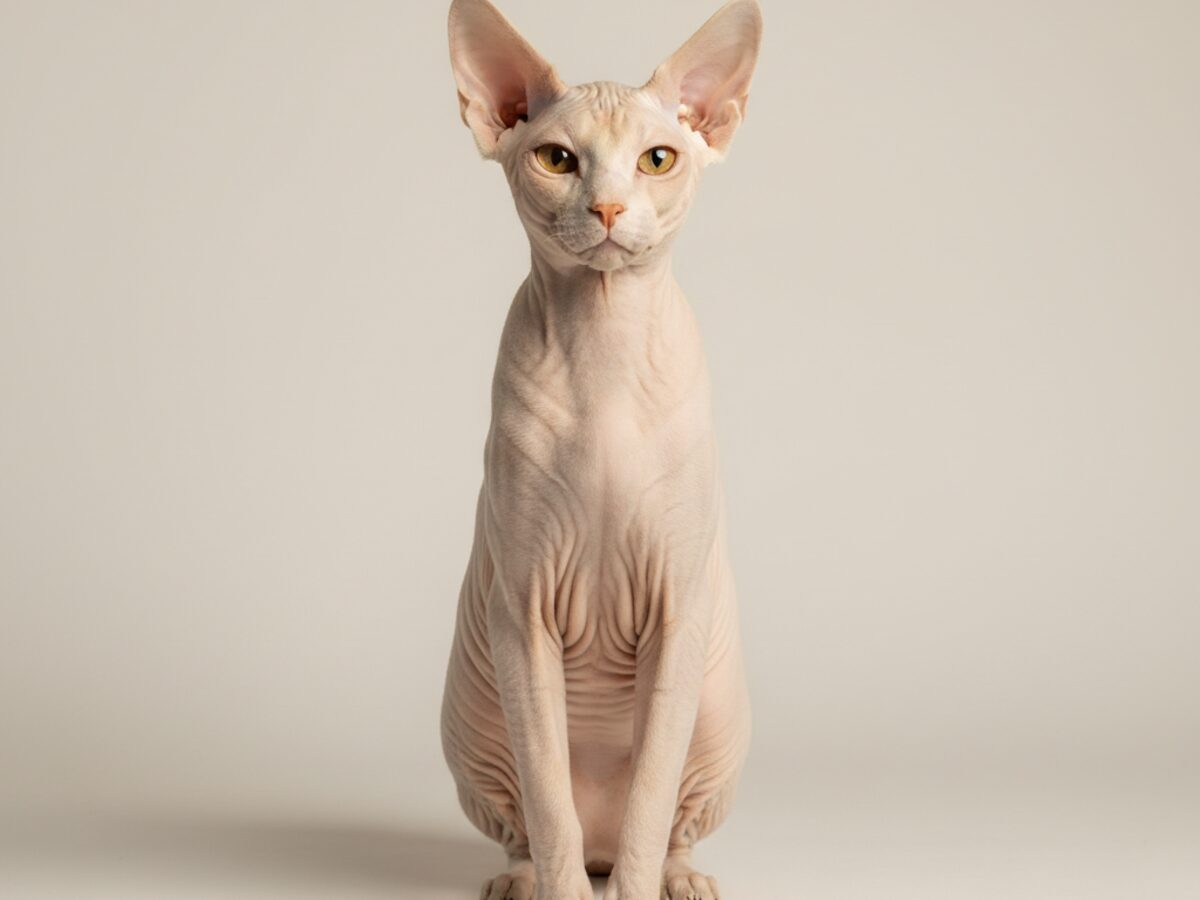
Peterbald
"The Peterbald: Elegant feline, unparalleled love!"
Overview
Discover the charming Peterbald, a Russian cat breed that has captivated hearts with its unique elegance and effervescent personality. At FamiCats.com, we immerse you in the world of these fascinating felines, detailing why they are the perfect choice for active families and cat lovers seeking an exceptional companion. Their origin dates back to St. Petersburg in 1994, the result of a cross between the exotic Don Sphynx and the elegant Oriental Shorthair, which gives them their distinctive appearance and temperament.
The Peterbald stands out as an extremely affectionate and loyal cat. They are true lap cats, always seeking the company of their humans, which makes them ideal pets for those who desire a strong and close bond. Their intelligence is outstanding, allowing for easy training for a variety of tricks that will leave you amazed. Furthermore, their playful and curious nature guarantees hours of entertainment. They are excellent conversationalists, communicating with a range of meows that will make you feel like you are part of their world. In a home with children, the Peterbald shines with its patience and joy, wonderfully adapting to childish energy and being an ideal playmate. Their adaptability extends to other animals, getting along well with dogs and other cats if properly introduced.
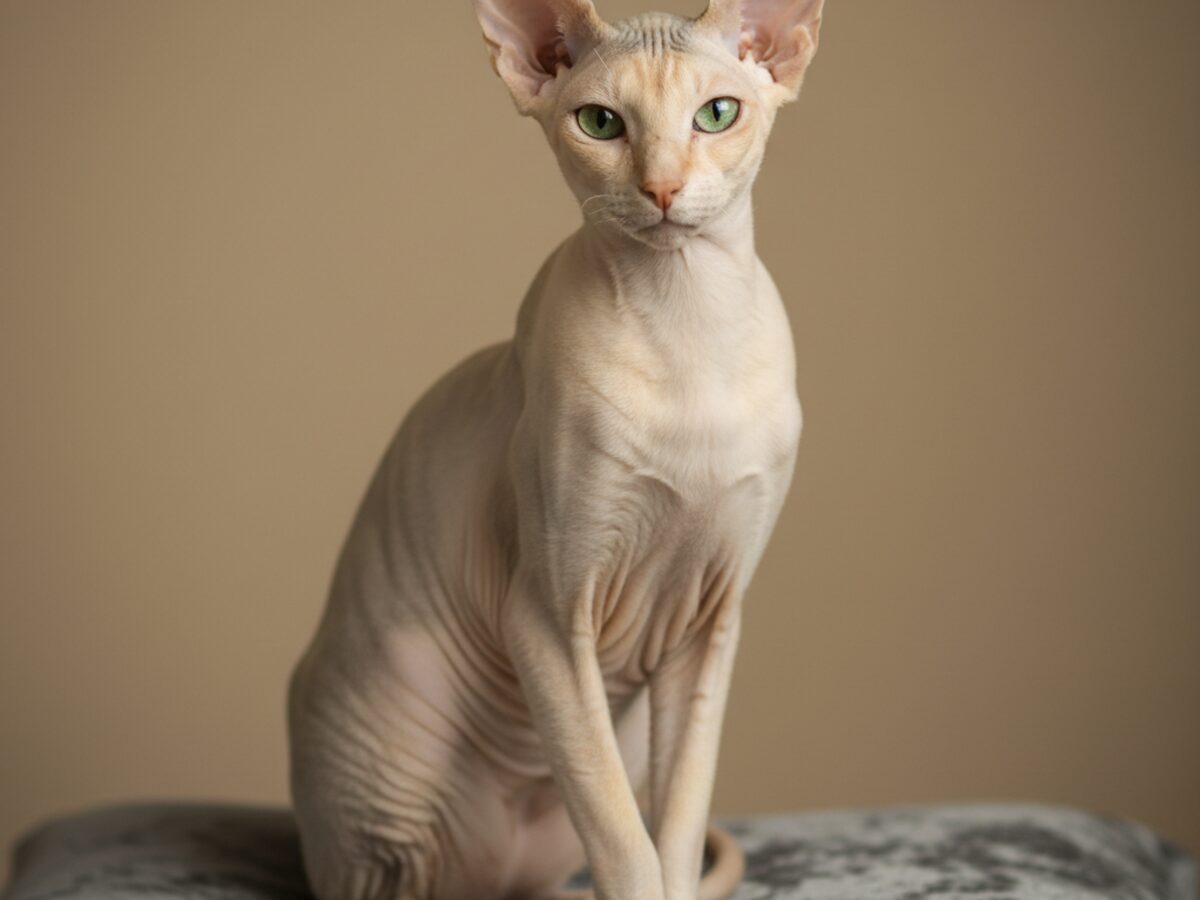
Although their appearance can vary from completely hairless to a velvety or brushed coat, each Peterbald possesses unique beauty. It is vital to consider their special grooming needs, especially if they are hairless, as they require regular baths for skin care and protection against sun and cold. High-quality nutrition is key to maintaining their fast metabolism. Regarding their health, they are generally robust, but it is prudent to be aware of possible dental or heart problems, inherited from their lineages. The life expectancy of a well-cared-for Peterbald is 12 to 15 years, meaning many years of love and purrs.
At FamiCats.com, we understand that choosing a pet is an important family decision. That's why we offer you all the information so you can get to know the Peterbald thoroughly, from its benefits such as being a low-shedding cat (ideal for some allergies) to the importance of providing them with a warm and stimulating environment. If you are looking for a cat that is a star, both for its look and its unconditional love, the Peterbald is waiting for you. Get ready to add a dose of pure Russian joy to your home!
Key facts
- Size
- Medium
- Weight
- 3–5 kg
- Life expectancy
- 12–15 years
- Daily exercise
- 35 min/day
- Estimated total
- 100€/month
- Country
- Russia
Character & temperament
Peterbalds are true darlings full of love and vitality. They are extremely affectionate cats and are not afraid to show it, always ready to cuddle on your lap or follow you around the house like your shadow. Their curiosity is limitless, and their intelligence makes them very playful and easy to train. They love to participate in family activities and thoroughly enjoy interactive games, such as chasing laser pointers or finding hidden toys. They are frequent vocalizers and often "converse" with their humans with a variety of meows and chirps. In addition to being loving and playful, Peterbalds are known for their gentle and tolerant nature. They get along with almost everyone, from strangers to other animals, making them ideal pets for active households. They are not cats that hide under the sofa; they prefer to be the center of attention. Their energy is moderate, enjoying both a good playtime and a warm nap on their favorite person's lap. You might see them in a documentary about feline rarities for their looks, but their personality is pure trending affection!
Living with children
Peterbalds and children are like peanut butter and jelly, a perfect match! They are very patient and affectionate cats, making them ideal companions for families with children. Thanks to their playful nature, they love to participate in the little ones' antics, whether chasing toys or simply enjoying gentle strokes. It's always important to teach younger children (under 5 years old) to interact with respect, ensuring the Peterbald always has a safe place to retreat if it needs some peace. With older children (6-7 years and up), Peterbalds can form very strong bonds. They enjoy company and can be a playmate and confidant. Supervising initial interactions and fostering gentle treatment is key, but you'll rarely see a Peterbald react aggressively. Their tolerance threshold is quite high, and their love for human interaction makes them especially suitable for a busy home. Get ready for lots of laughter and purrs at home!
With other pets
Socialization is one of the Peterbald's great strengths. They are cats that generally get along **very well with other animals**, including dogs and other cats, especially if introduced from a young age. Their affable nature and curiosity make them willing to make new friends, rather than seeing other animals as a threat. However, as with any pet, introductions should be done gradually and under supervision to ensure harmonious coexistence. Due to their need for companionship, a Peterbald will often **enjoy the presence of another cat or even a friendly dog**. Having a companion can help mitigate any feelings of loneliness when the family is away from home. Of course, the individual personality of each animal always influences, but in general, a Peterbald is an excellent addition to a multi-pet household. They might even become your dog's best friend in a "Tom and Jerry" style but without the chasing part!
Health & prevention
Peterbalds are generally a healthy and robust breed, with a life expectancy typically ranging from 12 to 15 years or more, if given proper care. However, like many breeds, they can be susceptible to certain genetic conditions inherited from their Don Sphynx and Oriental Shorthair lineages. It's important for responsible breeders to conduct genetic tests to detect potential problems such as Hypertrophic Cardiomyopathy (HCM), a thickening of the heart muscle, and Progressive Retinal Atrophy (PRA), which can lead to blindness. In addition to genetic testing, Peterbalds can be prone to dental problems due to the genetic mutation affecting hair, which may involve a higher incidence of dental malformations or periodontal disease. Regular veterinary visits are essential to monitor their dental and general health. It's also important to keep them warm, especially if they have little hair, as they are sensitive to cold and sunburn. A balanced diet, regular exercise, and plenty of love will help your Peterbald live a long and happy life. Always ask your vet to check their teeth at each annual check-up.
Health risks
- •Skin issues
- •Dental issues (hairless variety)
Care
Nutrition
For a Peterbald, proper nutrition is crucial to maintain their energy and peculiar body temperature. They need a **high-quality, protein-rich diet**, as they have a faster metabolism to compensate for the lack of fur. Look for foods formulated for active cats, with animal-based ingredients like meat or fish as the first components. Avoid foods with many fillers or low-quality by-products. Consult your veterinarian to determine the most appropriate amount and type of food for your cat, especially considering their activity level and if they have any food sensitivities. Good nutrition is the foundation for a happy and healthy cat, ready for any adventure!
Grooming & hygiene
Peterbald grooming largely depends on their **coat type**. Completely hairless specimens require regular baths (usually weekly or bi-weekly, with a mild, cat-specific soap) to remove natural oils that accumulate on their skin. They may also need special moisturizers to keep their skin hydrated and protected. Peterbalds with a velvety or brushed coat need fewer baths, perhaps every few weeks, and occasional brushing to remove any loose hair. Regardless of coat type, all Peterbalds need their ears cleaned regularly, as their large ears can accumulate wax and dirt. Bi-weekly nail clipping and good dental hygiene are also essential. Additionally, due to their exposed skin, it's important to protect them from direct sun to prevent sunburn and keep them warm in cold climates with appropriate clothing or blankets. A well-groomed Peterbald is a happy and shiny Peterbald, like a movie star!
Exercise & training
Exercise plan
Peterbalds are quite active cats and enjoy playing, but they are not hyperactive. They need **daily play sessions** to stay physically and mentally stimulated. Natural climbers, they will love tall scratching posts and cat trees where they can observe their kingdom. Interactive games with toys, feathers, or laser pointers are excellent for satisfying their hunting instinct. Make sure to have a variety of rotating toys to prevent boredom. Their intelligence also benefits from **puzzle games** that challenge their mind and keep them entertained. A tired Peterbald is a happy Peterbald, and a happy Peterbald is the family's best friend!
Training
Training a Peterbald is a rewarding experience, as they are **very intelligent and eager to please** cats. They respond exceptionally well to **positive reinforcement** and can learn a wide variety of tricks, from sitting and staying to coming when called and even walking on a leash. Start training sessions when they are kittens, keeping them short, fun, and consistent. Use treats and praise to motivate them. Their curious nature and attachment to humans make them excellent students. You could even teach them to high-five, just like in those viral internet videos! Patience and positivity are your best tools.
Monthly cost
These are estimated monthly costs. Initial expenses such as the purchase of the cat, spaying/neutering, and the first set of vaccinations are additional and significant. Be sure to adjust these values based on the quality of products, specific services you seek, and geographical location. Hairless Peterbalds may require extra spending on cold weather clothing or sunscreens.
Estimate for Spain, healthy adult cat. Varies by region and provider.
Pros & cons
Pros
- ✓Extremely affectionate and loyal
- ✓Very intelligent and easy to train
- ✓Adapt well to homes with children and other pets
- ✓Curious and always ready to play
- ✓Little to no shedding (depending on coat type)
- ✓Expressive vocalizers, great for "conversations"
Cons
- !Require regular attention due to their need for companionship
- !Sensitive to cold and sunburn (especially hairless ones)
- !Need specific bathing and skin care (if hairless)
- !High initial acquisition cost
- !May be prone to dental problems
Ideal for
- • Active families with time for interaction
- • People looking for a very affectionate cat
- • Homes with older children and other friendly pets
- • Owners who enjoy training and interactive games
- • Lovers of unique and exotic breeds
Not recommended for
- • People who travel or are away from home a lot
- • Households that prefer independent cats
- • Those looking for a low-maintenance pet
- • Temperature-sensitive individuals
How it fits each scenario
Excellent, as long as they receive enough attention and playtime. Their size and moderate activity level adapt well to indoor spaces.
Very good. They will enjoy exploring the garden under supervision, but their sensitive skin and need for companionship mean they should be almost exclusively indoor cats.
Requires sun protection and access to shade and fresh water. Their bare skin is vulnerable to sunburn.
Needs a warm environment and extra protection (clothing) due to their lack of coat. Ensure good heating at home.
With supervision and education for children, they can coexist well. It's crucial to teach little ones to be gentle.
Ideal. Their playful and sociable nature makes them fantastic companions for school-aged children.
Good, if the owner is willing to learn about their specific grooming and attention needs. Their temperament is forgiving.
Excellent. An experienced owner will appreciate their complexities and provide the care and enrichment they need.
Perfect. They will enjoy constant interaction and being a part of all family activities.
Not ideal, as they require a lot of companionship and can become depressed if left alone for long periods. A second animal or sitter can help.
Often considered hypoallergenic, especially hairless ones, but no breed is 100% allergen-free. Spending time with one before adoption is key.
Not the best option. Initial costs and specialized maintenance can be considerable.
Origin & history
The Peterbald is a relatively young breed, originating from Russia, specifically St. Petersburg (hence its name, "St. Peter's Bald"). Its history began in 1994, when the talented felinologist Olga Mironova crossed a female Don Sphynx (also known as Donskoy) with a male Oriental Shorthair. The goal was to combine the hairlessness characteristic of the Don Sphynx with the elegance and head shape of the Orientals. The first kittens from this cross showed a variety of hair types, leading to the different "coat varieties" we know today in the Peterbald. These first specimens quickly caught the attention in the feline world, and the breed was officially recognized in the late 1990s. This breed has evolved over the years, maintaining its distinctive characteristics and rapidly gaining popularity due to its unique appearance and charming personality. Unlike other hairless breeds that may seem "strange" to some, the Peterbald is often described as a slender and elegant cat, with an intelligent expression. It is the result of careful selection to establish a healthy, robust breed with an exceptional temperament. Its lineage includes genes from very affectionate and intelligent cats, which explains why they make such good companions. A true Russian treasure for your home!
Due to their need for affection and willingness to "converse," Peterbalds are often compared to personalities like Doctor Who, known for their long and eloquent talks with their companions. They always have something to say!
Frequently asked questions
Is the Peterbald truly a hairless cat?▾
Not always. Peterbalds can be born with different coat types: completely hairless, "flocked" (peach-like feel), velvety, brushed (very short and curly hair), or with a normal coat that they may lose over time. Each one is a surprise!
Are they suitable for people with allergies?▾
Yes, they are often considered a good option for allergy sufferers due to their low shedding and lower production of Fel d 1 protein, especially hairless ones. However, no cat is 100% hypoallergenic, so it's good to spend time with one before adopting.
Do they need clothes in winter?▾
Absolutely. Due to their limited or absent coat, Peterbalds are sensitive to cold and need help regulating their body temperature. Sweaters, blankets, and a warm environment are essential for their comfort during cold months. Imagine your Peterbald in an adorable sweater!
How long can they be left alone?▾
Peterbalds are very sociable and dislike solitude. They should not be left alone for very long periods (more than 8-10 hours regularly). If your routine involves prolonged absences, consider having another companion animal or a sitter.
Are they good for inexperienced cat owners?▾
Yes, their adaptable, affectionate, and intelligent nature makes them an excellent choice for first-time owners, provided they are willing to research and meet their grooming and companionship needs.
What does "flocked" mean in a Peterbald?▾
A "flocked" coat refers to a very fine layer of hair that is almost invisible but gives the skin a soft, velvety texture, similar to the fuzz on a peach. It's like a lightweight, very pleasant to the touch velvet.
Similar family-friendly breeds
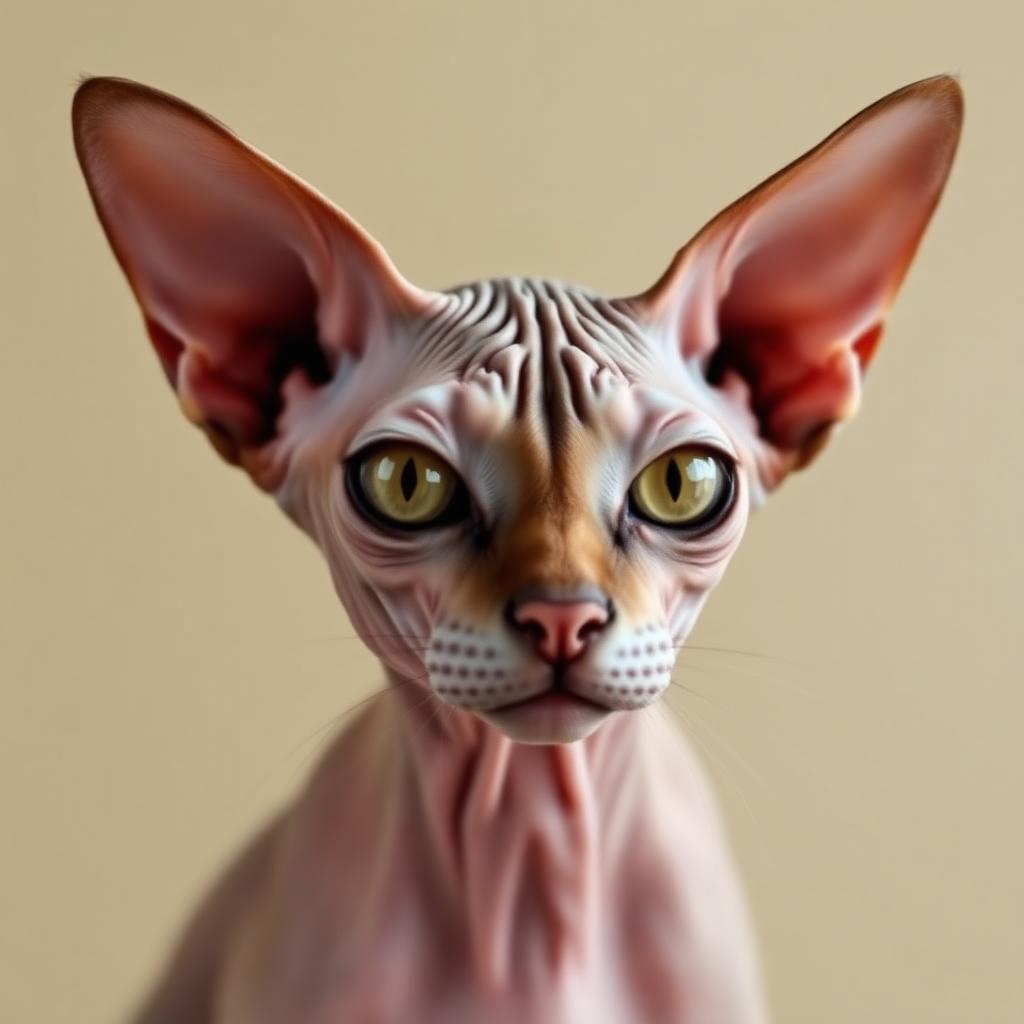
Sphynx
8.6Hairless, warm and extremely affectionate. Not hypoallergenic: still produces Fel d 1 saliva. Needs weekly baths and a warm home.
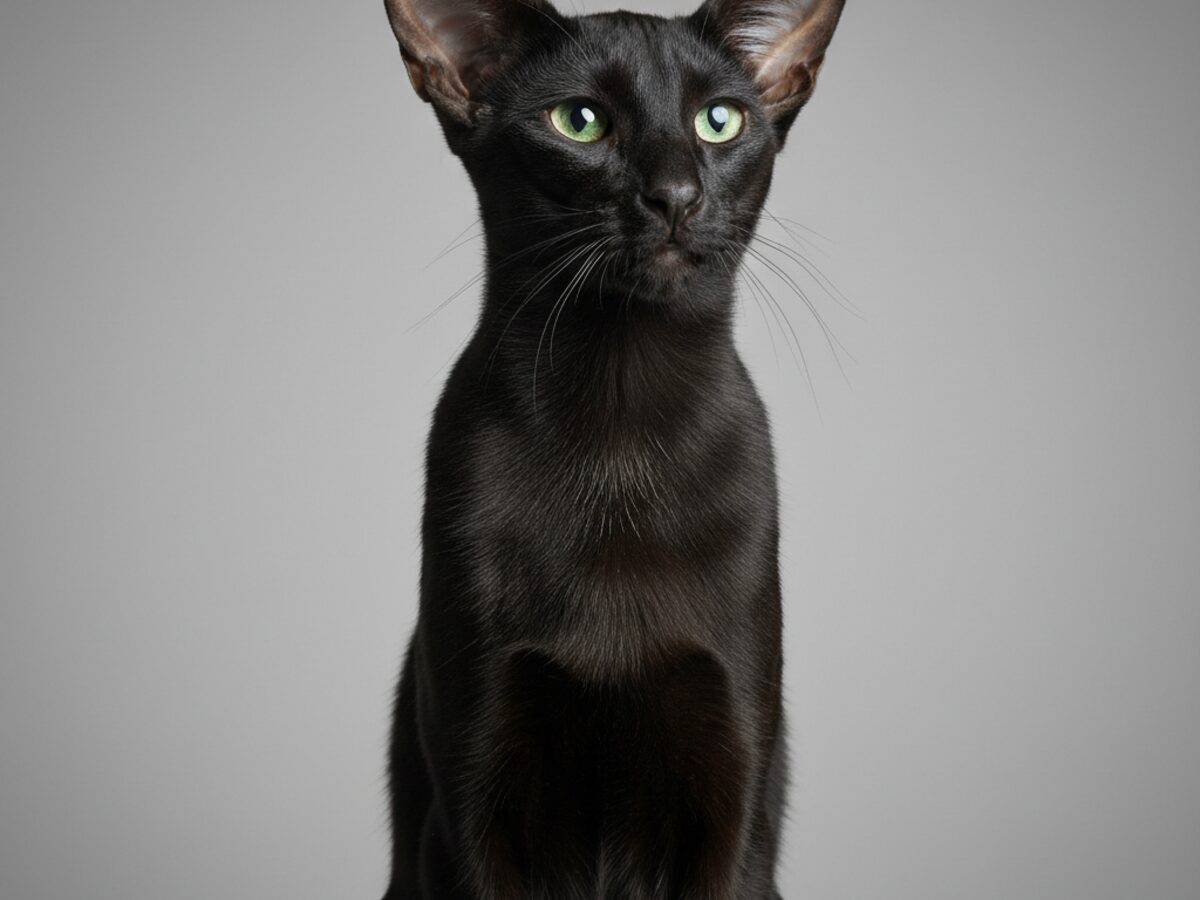
Oriental Shorthair
8.6A Siamese in 300 colors: chatty, athletic and demanding attention 24/7. Adopt in pairs if you're often out.
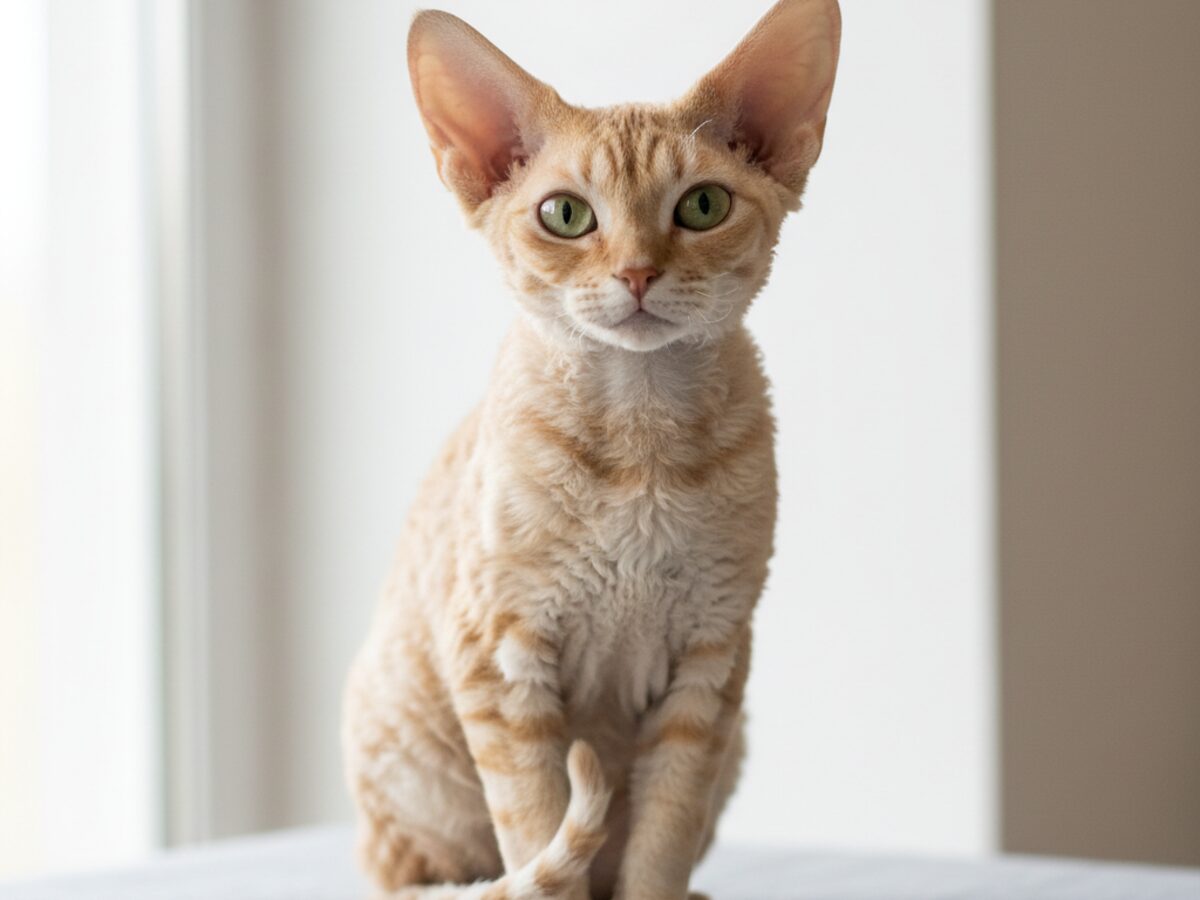
Devon Rex
8.5Pixie face, huge ears and curly suede-like coat. Mischievous, clown-ish and clingy; lives on your shoulder.