
Tonkinese
"The Tonkinese: The Purr-fect Blend of Playfulness, Sweetness, and Asian Charm!"
Overview
The Tonkinese, with their unparalleled charm and connection to feline celebrities of yesteryear, are much more than just a pretty face. This breed, often described as the "best of two worlds" between the Siamese and the Burmese, offers an exceptional companionship experience. Their Canadian origin, with roots extending to ancient Siam, has focused on selecting the most desirable traits: intelligence, sociability, and a balanced temperament. They are not just pets; they are active family members who thrive on human interaction. If you're looking for a cat that will follow you around the house, participate in your activities, and 'talk' to you with their sweet vocalizations, the Tonkinese could be your feline soulmate. This in-depth profile has guided you through everything you need to know to welcome one of these wonderful cats into your home, from their exuberant personality to their specific care needs. Get ready for a companion who will keep you entertained and provide unconditional love, turning every day into a fun adventure.
Character & temperament
The Tonkinese is a whirlwind of personality! They are incredibly intelligent and curious, always exploring every corner of the house and poking their noses into everything you do. Forget the image of the aloof, independent cat; the Tonk is a born attention-seeker. They adore being in the company of their humans, sitting on your lap, sleeping in your bed, or simply following you around the house to supervise your activities. They are known for being quite talkative, not with the shrill meows of the Siamese, but with a softer, more melodic tone, as if they have a lot to tell you about their day! One of their most adorable characteristics is their playful and energetic nature. They love chasing toys, jumping, and climbing, and adapt well to interactive games that challenge their minds. If a fire alarm goes off in your house, your Tonk is likely to be the first to investigate – they are fearless explorers! Their sweetness and affection make them wonderful companions, always ready to share a moment of cuddles and purrs. They are so affectionate that they are sometimes compared to a "lap dog," always wanting to be close to you, showing an attachment reminiscent of some loyal animated series characters. If you are looking for a cat that actively interacts with you and your family, the Tonkinese is a fantastic choice. They are very observant and can learn tricks, even fetching, which makes them a true gem for cat lovers looking for a dynamic and lively companion.
Living with children
Tonkinese cats are like an older sibling or a playful friend to the children of the house! Their patient and friendly nature makes them excellent companions for both young and old. They love to participate in family games, as long as children are taught how to interact respectfully with the cat from an early age (around 4-5 years old). They are very tolerant of children's hustle and energy, and even enjoy play sessions with wands and thrown toys. Due to their intelligence, it's easy to teach children how to pet them gently and respect their space. However, they should not be left alone with babies or very young children (<3 years old), as supervision is always key in any pet-child interaction. With their adaptable personality and desire for affection, a Tonkinese will quickly become your children's best furry friend, always ready to cuddle after a day of play. Imagine your Tonk with its vibrating tail, playing hide-and-seek with the kids, adding a dose of joy and mischief to family life!
With other pets
Tonkinese cats are true **ambassadors of peace** in the domestic animal kingdom. Thanks to their sociable and adaptable nature, they usually get along wonderfully with other pets, including friendly dogs and other cats. In fact, they often prefer to have a feline companion for play and cuddles, especially if the family is away from home for extended periods. Their innate curiosity and good temperament allow them to make friends easily. Introductions should be done gradually and under supervision to ensure good coexistence. With a proper introduction, your Tonkinese is likely to become your dog's best friend or the playful leader of your other feline pack. It's not uncommon to see them curled up with a dog or playing chase with another cat!
Health & prevention
Tonkinese cats are generally a healthy and robust breed, which is not surprising given the healthy genetic mix of their parental breeds. They have an average life expectancy of 10 to 16 years, but with proper care, they can live even longer! However, like all breeds, they can be prone to some specific conditions, though less frequently than other breeds with a more limited gene pool. These can include amyloidosis, a hereditary kidney disease seen in some Burmese lines, and some dental problems like gingivitis. They can also be susceptible to cardiac dilation and feline asthma, conditions seen in their founding breeds. To keep your Tonkinese happy and healthy, annual veterinary visits are essential for check-ups and vaccinations. A high-quality diet, regular exercise, and mental stimulation are also fundamental. Pay attention to any changes in their appetite, activity level, or litter box habits, as these can be early indicators of a health problem. And, of course, plenty of love and attention are always the best medicine for a Tonkinese, who thrives on family interaction.
Health risks
- •Gingivitis
- •Feline asthma
Care
Nutrition
Nutrition is the cornerstone of your Tonkinese's health. Being active and energetic cats, they need a **high-quality diet** rich in animal proteins. Opt for dry and wet foods designed for active cats, ensuring that meat is the first ingredient. Consider dividing their daily ration into several small meals, which is natural for cats and helps maintain their metabolism. Always have fresh, clean water available. If you have doubts about the best diet for your Tonk, your veterinarian is your best ally!
Grooming & hygiene
The Tonkinese has a short, fine, and very soft coat, which makes their grooming a **simple and pleasant** task. A weekly brushing with a rubber glove or a soft brush is enough to remove loose hair, keep their coat shiny, and reduce hairball formation. Tonkinese cats love attention, so they will likely enjoy these brushing sessions as a bonding moment with you. They don't require frequent baths, unless they have gotten very dirty exploring some adventure. It's also important to check their ears regularly for dirt or signs of infection and keep their nails trimmed. Dental care, such as brushing teeth or dental toys, is also a good habit. A clean and well-groomed Tonk is a happy Tonk!
Exercise & training
Exercise plan
Tonkinese cats are **active and energetic** felines that need plenty of exercise and mental stimulation to stay happy and healthy. They love to play with interactive toys, feather wands, and balls. Make sure to have plenty of toys and scratching posts, plus a tall cat tree so they can climb and explore. Dedicate at least 15-30 minutes a day to actively playing with them; this will not only provide exercise but also strengthen the bond between you. Don't underestimate their intelligence: puzzle toys with treats are excellent for keeping their minds sharp and preventing boredom. A bored Tonk can be a mischievous Tonk!
Training
Training a Tonkinese is a pleasure, as they are incredibly **intelligent and eager to please**! They learn quickly and enjoy the interaction that comes with training. They can learn tricks like sitting, staying, giving paw, and even fetching toys, just like little dogs. Positive reinforcement, with treats and praise, works wonders. They also respond well to clicker training. Given their social nature, make sure they view training as a fun game they do with you, rather than an imposed task. They are so smart that sometimes it seems like they are starring in their own YouTube trick series!
Monthly cost
These costs are monthly estimates and can vary depending on food brand, location, and your cat's individual health needs.
Estimate for Spain, healthy adult cat. Varies by region and provider.
Pros & cons
Pros
- ✓Extremely social and affectionate
- ✓Very intelligent and easy to train
- ✓Good with children and other pets
- ✓Low-maintenance coat
- ✓Playful and full of energy
- ✓Melodic, not loud, vocalizations
Cons
- !Demanding of attention, not suitable for busy families
- !Can get bored if left alone for long periods
- !Requires constant mental stimulation
- !Not a quiet 'decorative' cat
Ideal for
- • Active families with time for play
- • Homes with older children and other pets
- • People seeking an affectionate companion
- • Owners who enjoy training and tricks
- • Environments where they are not left alone for long periods
Not recommended for
- • Families who travel a lot or are often away for work
- • People seeking an independent, solitary cat
- • Very quiet homes that don't enjoy activity
- • Owners who cannot dedicate time to play
How it fits each scenario
Yes, they adapt well to apartments if provided with enough stimulation and interactive play, as their need for companionship is greater than their need for space.
Ideal, especially if the garden is secure (cat-proof) or supervised, as they enjoy exploring and burning energy outdoors.
They tolerate hot climates well due to their short coat, but need access to shade and fresh water at all times.
They adapt moderately; their short coat means they should be indoor cats in cold climates and have access to warm spots.
Possible with constant supervision and early education for children on how to interact with the cat.
Excellent, they enjoy interaction and games with older children who already know how to respect pets.
Yes, but only if they are prepared for a very interactive and playful cat. They require a time commitment.
Ideal, they will appreciate their intelligence and unique personality, and will know how to meet their stimulation needs.
Fits perfectly; the Tonkinese's energy and desire to play will complement an active and fun lifestyle.
Not the best; lack of regular attention and play can lead to loneliness and unwanted behaviors.
Probably not, as they are not considered hypoallergenic. They produce allergens like any other cat and require caution.
Not ideal, like any pedigree breed, they have a significant initial cost and require a budget for quality care.
Origin & history
The history of the Tonkinese is fascinating and dates back to the late 1950s in Canada, specifically to the efforts of two visionary breeders: Margaret Conroy in Canada and Jane Barletta in the United States. They set out to create a breed that combined the best qualities of the Siamese (known for its elegance, intelligence, and vocalization) and the Burmese (valued for its robustness, sweetness, and soft coat). In fact, it is believed that the original cats that gave rise to the Siamese and Burmese breeds in the 18th century in Thailand (then Siam) were actually very similar to what we now know as Tonkinese, with that intermediate coloration pattern. So the Tonkinese is, in a way, a return to ancestral origins and an expression of the natural beauty of those cats from ancient Siam. The name "Tonkinese" refers to Tonkin, an ancient region of Indochina, in a nod to the supposed Asian ancestry of its parental breeds, although the modern development of the breed is distinctly North American. It wasn't until the 1960s that the breed began to be officially recognized by various feline associations, and since then, it has gained tremendous popularity thanks to its friendly temperament and unique beauty.
The Tonkinese shares more than just ancestors with the Siamese and Burmese; it also shares their fascinating "**point**" or "**mink**" coloration pattern! This means their colors are darker on their extremities (ears, face, paws, tail) due to a temperature-sensitive gene. Doesn't that remind you of a cartoon character with colored gloves?
Frequently asked questions
What makes the Tonkinese so special?▾
Their outgoing personality, intelligence, social nature that loves humans and other pets, and their beautiful coat with aqua eyes.
Is the Tonkinese a noisy cat?▾
Not as loud as the Siamese, they tend to have softer, more melodic vocalizations, but they do enjoy 'conversing' with you.
Does the Tonkinese need a lot of companionship?▾
Absolutely. They are extremely people-oriented and do not like to be left alone for extended periods. They thrive on family interaction.
Can Tonkinese cats live outdoors?▾
Due to their trusting nature and attachment to humans, they are ideally indoor cats. If they have outdoor access, it should be in a secure and supervised environment.
Is the Tonkinese good for people with allergies?▾
No, they are not considered a hypoallergenic breed. They produce the usual allergens, so they are not the best choice for severe allergy sufferers.
What is the life expectancy of a Tonkinese?▾
With good care, a Tonkinese can live between 10 and 16 years, and often longer!
Similar family-friendly breeds

Siamese
9.0Chatty, brilliant and very people-demanding. If you work long hours, adopt one in pairs.
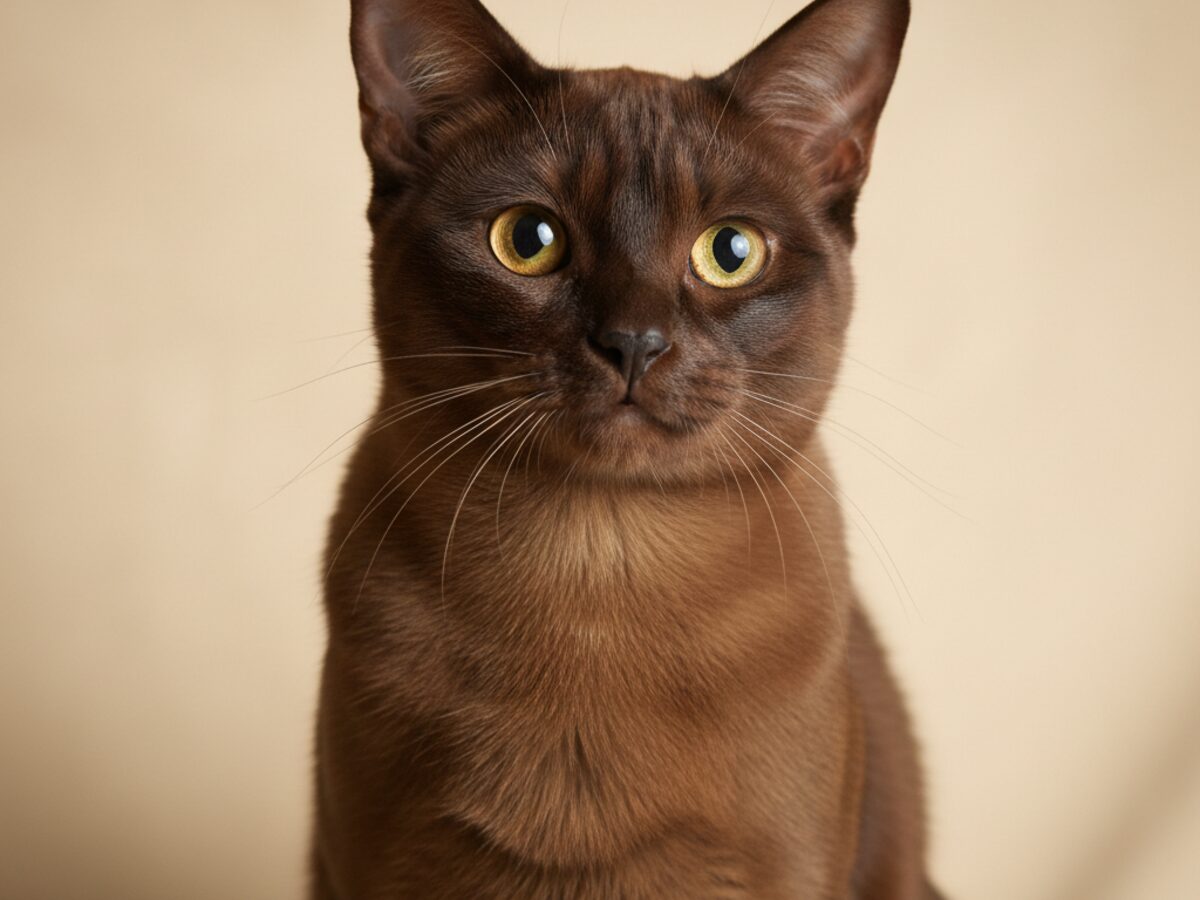
Burmese
8.8A small affectionate tank: heavier than it looks, playful into old age and always looking for a lap to land on.
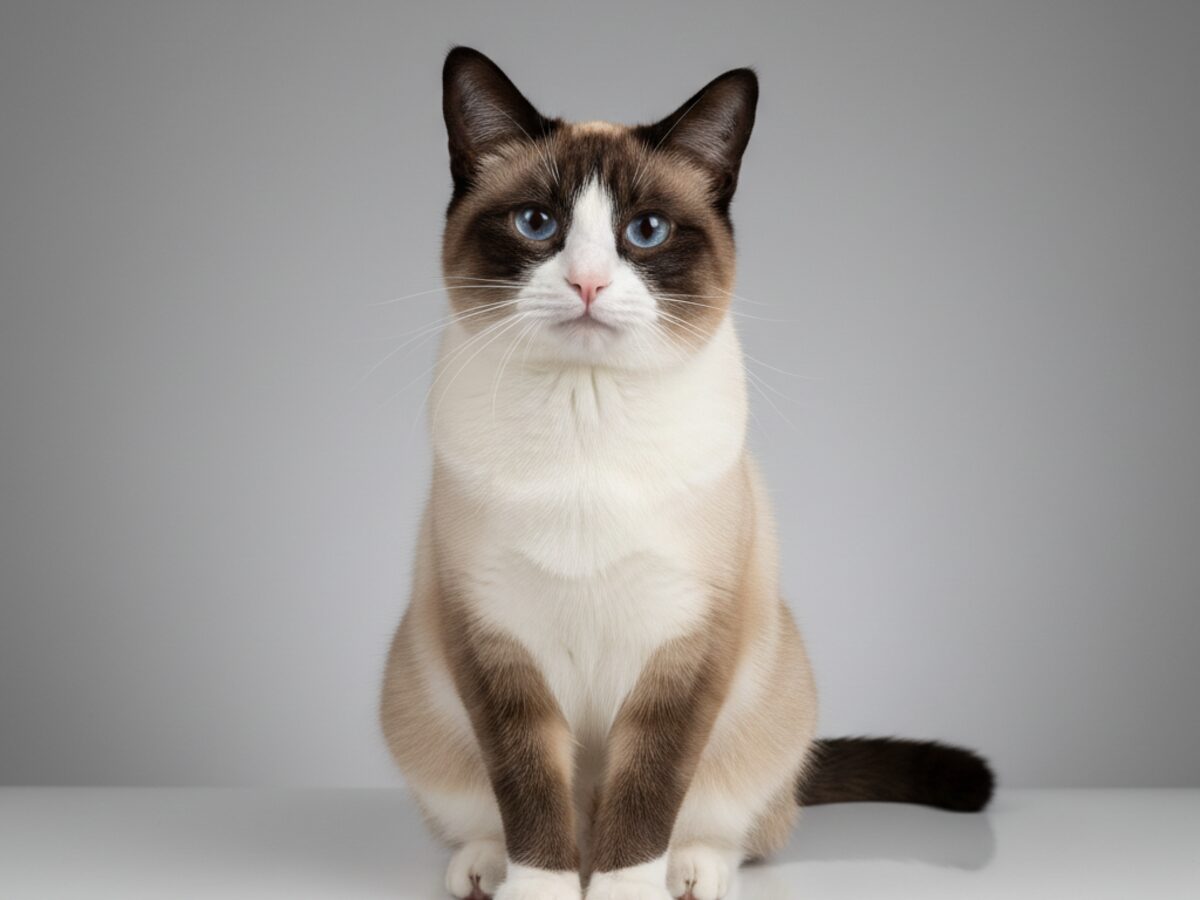
Snowshoe
8.3Siamese with white mittens: blue eyes, booted paws and a sweet character. More social and less chatty than its cousin.