
Siamese
"The Siamese: Vocal elegance and loyal companion."
Overview
The Siamese is much more than a pretty cat; it is a breed with a rich history and a distinctive temperament that makes it an unforgettable member of any family. Its origin dates back to ancient Thailand, where it was considered a sacred cat, guardian of temples and companion to royalty. This history of reverence has contributed to its air of sophistication and its remarkable intelligence. It is not uncommon for Siamese to learn tricks and respond to their name, demonstrating their superior cognitive ability. Their unique vocalization, often described as a "Siamese meow," is one of their most distinctive characteristics, and although it can be intense, it is a clear expression of their desire for interaction. Future owners should be prepared to have a companion who will "talk" to them frequently throughout the day.
The energy of the Siamese is one of the highest among feline breeds (5/5), requiring considerable attention. These cats are not content to sleep all day; they need regular interactive play, toys that stimulate their mind, and opportunities for vertical exploration. A bored Siamese can become destructive or develop unwanted habits to get attention. Investing in tall scratching posts, cat trees, and puzzle toys is crucial for their well-being. Furthermore, their social nature means they demand company from their humans or other animals, making them ideal for active households or those with multiple pets. They rarely enjoy prolonged solitude and can suffer from separation anxiety.
Regarding their care, the color-point coat of the Siamese is short and fine, which facilitates grooming. Weekly brushing is sufficient to keep their coat shiny and reduce the amount of loose hair. However, their health must be a priority. They are prone to certain conditions, such as feline asthma and dental risks, which underscores the importance of regular veterinary visits and a high-quality diet. Prevention is key to keeping these elegant and active cats in optimal condition. Their size, ranging from 3-5 kg, makes them agile and slender cats, perfect for jumping and climbing.
Choosing a Siamese means committing to a cat that will be your shadow, your confidant, and your constant source of entertainment. They are incredibly loyal and affectionate cats who will form an unbreakable bond with you. If you are looking for a feline companion who is not only beautiful but also brilliant, vocal, and full of energy, the Siamese could be the perfect choice for your family. They are more than pets; they are individuals with huge personalities who will enrich your life in countless ways. Make sure you can dedicate the time and attention they need to thrive, and they will reward you with years of love and fun.
Character & temperament
Known for their chatty nature and brilliant intelligence, the Siamese is not a cat for a passive owner. These felines form incredibly strong bonds with their families, often choosing one member as their "favorite person" and following them around the house, offering constant commentary. They are renowned for their loud, distinctive voice, which they use to express their opinions, needs, and affection. A bored or ignored Siamese may meow persistently, demanding attention. Their high energy means they enjoy interactive play and mental challenges, making them lively and entertaining companions who need plenty of interaction.
While initially cautious with strangers, a well-socialized Siamese can become quite friendly and curious. They are not as aloof as other breeds; once they've assessed a new person and given their approval, they will often approach to investigate and, perhaps, for a quick cuddle. However, they will always maintain a primary sense of loyalty to their family. Patience and gradual introduction are key to making them comfortable with new visitors. Their trust must be earned, but once established, their affection is unwavering.
For the owner, the Siamese is a loyal shadow and a constantly present companion. They will demand company and resent being left alone for prolonged periods, which can lead to unwanted behaviors or distress. They need an owner who can match their energy and desire for interaction. They enjoy games, cuddles, and "conversations." A Siamese owner must be prepared for a life full of joy, affection, and, yes, a lot of meowing! They are ideal for those seeking a cat that actively participates in family life and provides a constant, loving presence.
Living with children
Siamese can be excellent companions for children if properly socialized from a young age. Their energetic and playful nature makes them enjoy interaction with children who understand how to respectfully interact with a cat. It is crucial to teach children to handle the Siamese gently and to respect their boundaries, as, if they feel uncomfortable, they might respond with a growl or a scratch. Supervision of initial interactions is essential to ensure harmonious coexistence and foster a mutually playful relationship.
With other pets
The **social nature** of the Siamese generally makes them compatible with other cats and dogs, especially if introduced gradually and given time to adapt. They often enjoy the company of other animals, which can help mitigate their tendency towards loneliness. However, their **strong predatory instinct** can make them unsuitable for living with small animals such as rodents, birds, or fish, unless kept in their enclosures and any interaction is strictly supervised. The key is controlled introduction and constant vigilance.
Health & prevention
Siamese are generally healthy cats, but like many purebreds, they have a genetic predisposition to certain conditions. Among the most common are dental diseases, making regular oral care and veterinary check-ups essential. They are also susceptible to feline asthma and certain gastrointestinal diseases like enteropathy. Other conditions that can affect them include amyloidosis or some cardiomyopathies. Keeping their vaccinations up to date, performing annual veterinary check-ups, providing a balanced diet, and a stress-free environment are crucial for their long-term well-being and a life expectancy of 15-20 years.
Health risks
- •Asthma
- •Dental issues
- •Hepatic amyloidosis
Care
Nutrition
An adult Siamese (3-5 kg) generally needs between 50-70 grams of high-quality dry food per day, or a combination of wet and dry food to ensure adequate hydration. Opt for protein-rich, low-carbohydrate diets designed for active cats. Feeding wet food is especially beneficial for preventing urinary and dental problems. Divide the daily ration into several small meals, and always ensure they have access to fresh, clean water. Always consult your veterinarian for a specific nutritional plan tailored to your cat's age, weight, and activity level.
Grooming & hygiene
The Siamese has a short, fine coat that requires minimal maintenance. Weekly brushing with a rubber mitt or a soft brush is sufficient to remove loose hair and keep their coat shiny and healthy. They do not need frequent baths, perhaps one every 2-3 months if they get very dirty, using a cat-specific shampoo. Nails should be trimmed every 2-4 weeks, and ears should be checked weekly for dirt or signs of infection. The monthly cost for home grooming is minimal, perhaps around 5-10 euros for products.
Exercise & training
Exercise plan
Siamese are **high-energy** cats (5/5) that need a lot of activity to stay happy and healthy. They require at least 30-60 minutes of intense interactive play per day, divided into several sessions. They enjoy toys like feather wands, laser pointers (with a physical "catch" at the end), and puzzle toys that stimulate their brilliant minds. Providing **vertical spaces** like tall cat trees and shelves is crucial to allow them to climb and observe their surroundings. **Mental stimulation** is as important as physical; hiding treats or using interactive feeders can keep them entertained.
Training
Thanks to their **brilliant intelligence**, Siamese are surprisingly easy to train. They quickly learn to use the litter box without problems and can be trained to walk on a harness and leash, enjoying controlled explorations outdoors. They respond well to **clicker training** and positive reinforcement, being able to learn tricks like sitting, staying, coming when called, and even opening doors. The key is to start early, keep sessions short and fun, and be consistent. Training also serves as an excellent form of **mental stimulation** for them.
Monthly cost
These costs are monthly estimates in Spain. Vet visits include annual check-ups and prorated vaccinations, while "other" covers toys and scratching posts.
Estimate for Spain, healthy adult cat. Varies by region and provider.
Pros & cons
Pros
- ✓Extremely affectionate and loyal.
- ✓Highly intelligent, easy to train.
- ✓Playful and energetic nature.
- ✓Low coat maintenance.
- ✓Unique and vocal personality.
Cons
- !Highly vocal and noisy.
- !Demands a lot of attention and companionship.
- !Prone to separation anxiety.
- !Constant need for stimulation.
- !Specific health risks (asthma, dental).
Ideal for
- • Families looking for active interaction.
- • People who enjoy a vocal cat.
- • Homes with multiple pets for companionship.
- • Owners willing to train and stimulate.
Not recommended for
- • Owners looking for an independent cat.
- • People who spend a lot of time away from home.
- • Anyone sensitive to loud noises.
How it fits each scenario
Yes, they can live in apartments if provided with plenty of stimulation and play opportunities.
Ideal for houses with gardens, as long as access is supervised or the garden is secure.
They tolerate warm climates well due to their short coat; avoid direct exposure to extreme sun.
Not ideal for very cold climates due to their short coat, they need warm shelter.
Possible, but requires constant supervision due to their energy and young children's boundaries.
Very good option; older children can play actively and better understand their needs.
Challenging but possible; requires commitment to their high demand for attention and vocalization.
Excellent choice; they will appreciate their unique personality and know how to handle their peculiarities.
Ideal; an active family can meet their great need for play and interaction.
Not recommended, as they suffer greatly if left alone for prolonged periods.
Not hypoallergenic; people with severe allergies should consider another breed.
Requires a medium-high budget for veterinary care and stimulation.
Origin & history
Originating from the ancient Kingdom of Siam (modern-day Thailand), the Siamese is one of the oldest and most distinctive breeds. Its existence is believed to date back to the 14th century, appearing in ancient manuscripts like the "Tamra Maew" or "Cat-Book Poems," where it is described with its characteristic coloration and blue eyes. They were revered cats, considered sacred and reserved for royalty and Buddhist monks, living a life of luxury in palaces and temples where they were attributed mystical powers and used to protect the souls of their owners in the afterlife. It wasn't until the late 19th century that Siamese began their journey to the West, first arriving in England and then the United States, quickly captivating royalty and the general public with their exotic beauty and dominant personality.
The first cloned domestic cat was named CC (CopyCat) and was a Siamese.
Frequently asked questions
Is the Siamese a good cat for beginners?▾
Due to their high energy, need for constant attention, and vocal nature, Siamese can be challenging for first-time owners. They require a significant commitment of time, play, and mental stimulation. However, for those willing to invest in their needs, they can be incredibly rewarding companions.
How much does a Siamese meow?▾
Siamese are notoriously vocal. They meow, chat, and emit a wide range of sounds to communicate with their humans. They are not quiet cats, and their "Siamese voice" is often loud and persistent, especially when seeking attention, food, or being bored. Be prepared for many daily "conversations."
Does a Siamese need a lot of company?▾
Absolutely. Siamese are extremely social cats and **demand constant companionship**. They do not like to be left alone for prolonged periods and can develop separation anxiety or destructive behaviors if they feel neglected. They are ideal for households where someone is always present or where they have the company of other pets.
Are Siamese good with other pets?▾
Generally yes, especially with dogs and other cats, if properly socialized. Their need for companionship can make them enjoy having an animal companion. However, their predatory instinct is strong, so they are not a good match for rodents, birds, or small fish.
What are the most common health risks for Siamese?▾
Siamese can be prone to **dental problems**, so oral hygiene is crucial. They also have a higher incidence of **feline asthma** and certain gastrointestinal diseases like enteropathy. Regular veterinary check-ups are important for early detection and management of these conditions. A good diet and a stress-free environment also contribute to their overall health.
Are Siamese destructive when bored?▾
Yes, a bored Siamese, especially if left alone for too long, can exhibit destructive behaviors such as scratching furniture, chewing on objects, or trying to open cabinets to find entertainment. Their **brilliant intelligence** and **high energy** require constant stimulation to channel that energy positively. Providing an enriched environment with plenty of toys, scratching posts, and interactive play time is crucial.
What is the average size of a Siamese?▾
Siamese are medium-sized cats with a slender, muscular body. They generally weigh between **3 and 5 kilograms** (6.5-11 pounds). They are known for their elegant and athletic appearance, with long legs and a tapering tail. Despite their delicate appearance, they are very agile and strong.
Can a Siamese be walked on a harness?▾
Yes, many Siamese enjoy learning to walk on a harness and leash. Their **brilliant intelligence** and curious nature make them receptive to training. It's important to start young, use a comfortable harness, and allow them to get used to it gradually for it to be a positive experience. They love to explore and socialize, so walks can be a great enrichment.
Are Siamese good apartment cats?▾
Yes, they can adapt well to apartment living if their activity and companionship needs are met. Their **high energy** means they need a lot of play and mental stimulation, so an enriched environment with toys, scratching posts, and attention from their owners is essential. If left alone for too long in an apartment without enough stimulation, they can become disruptive.
How long do Siamese live?▾
Siamese are known for their longevity. With proper care, a balanced diet, and regular veterinary check-ups, they can live between 15 and 20 years. Many individuals reach and even exceed 20 years, making them very long-lasting life companions. Their generally robust genetics and moderate size contribute to this long life expectancy.
Similar family-friendly breeds

Bengal
8.4Mini-leopard looks with boundless energy. Loves water, climbs everything and needs constant enrichment: small flats without stimulation are a no.
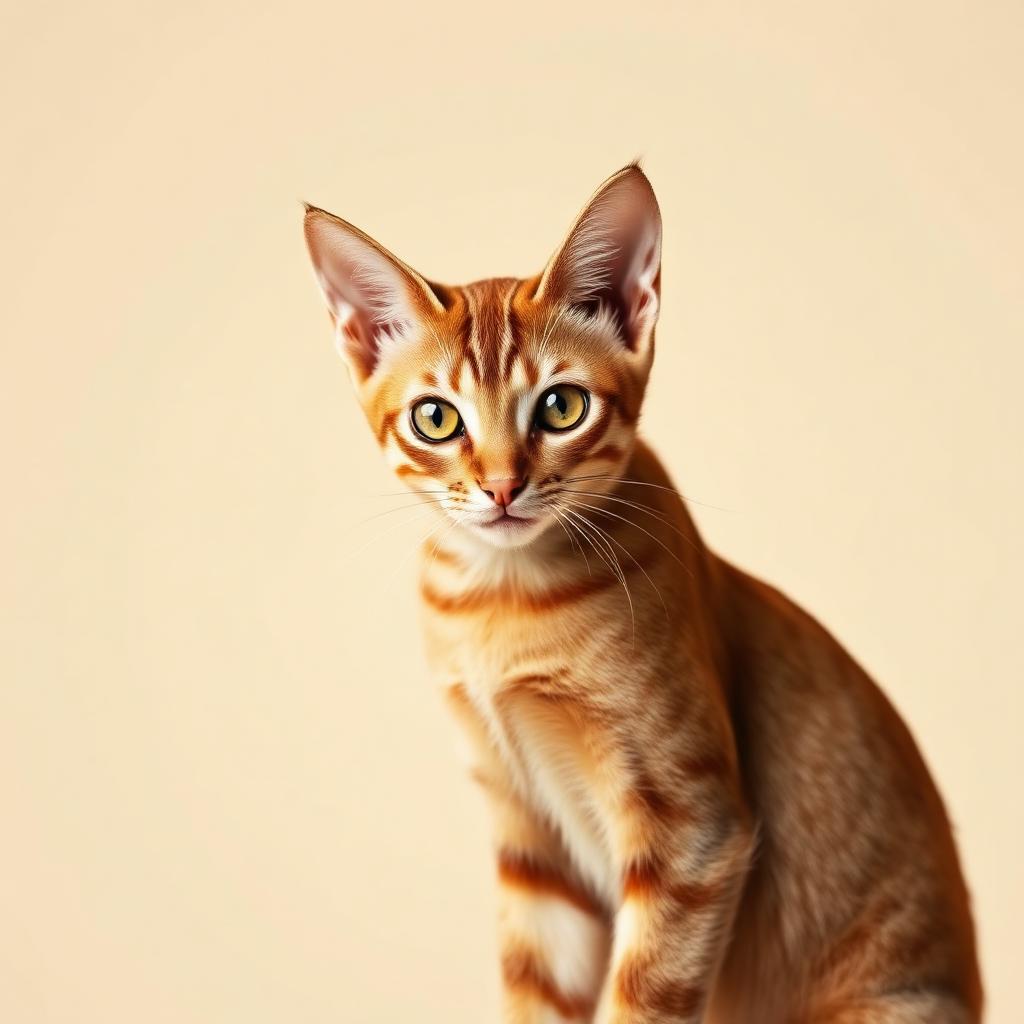
Abyssinian
8.5Sleek and athletic, like an Egyptian fresco come alive. Curious and restless: needs shelves, toys and a feline companion.
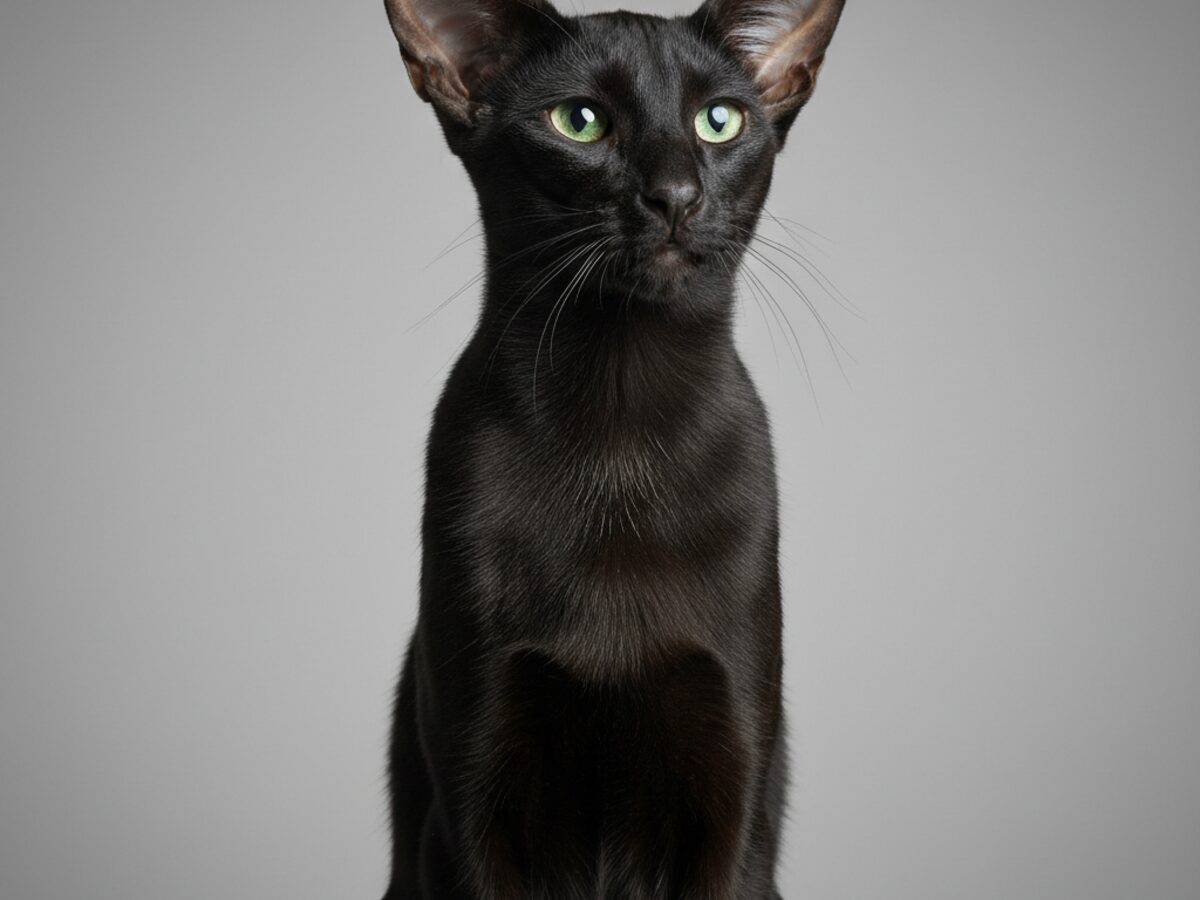
Oriental Shorthair
8.6A Siamese in 300 colors: chatty, athletic and demanding attention 24/7. Adopt in pairs if you're often out.