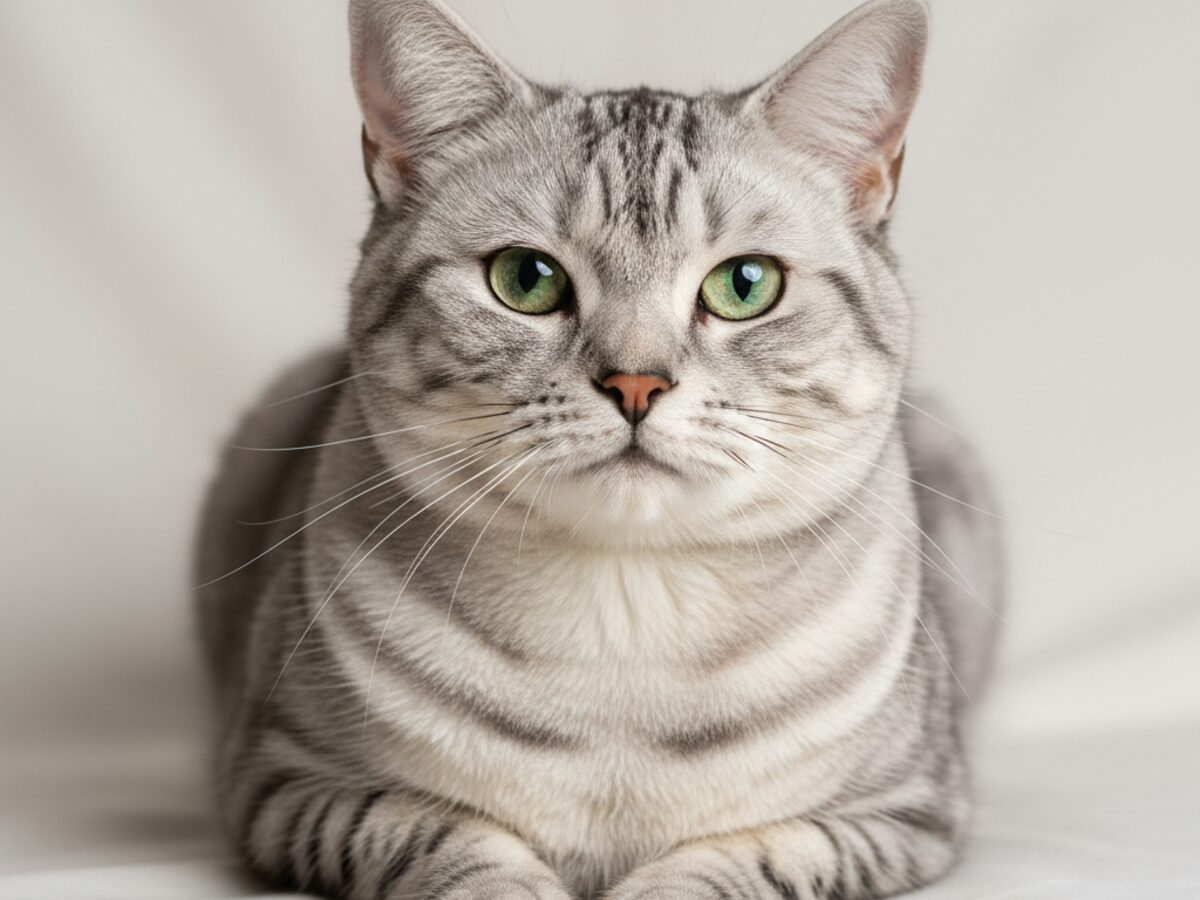
American Shorthair
"The Hug Champion! A classic American cat for the whole family."
Overview
The American Shorthair is more than just a pretty face; it is the epitome of feline versatility. Their lineage dates back to European cats that arrived with the first colonists, serving as efficient rodent hunters and indispensable companions. This robust ancestry has endowed them with enviable health and an adaptability that makes them perfect for almost any type of home, from lively urban apartments to quiet houses with gardens. It's no wonder they are one of North America's most popular breeds and, little by little, winning the hearts of families worldwide. Their balanced nature allows them to live peacefully with small children who learn to interact with respect, and with other pets, including dogs, provided introductions are made calmly and patiently. Their short, easy-to-care coat is a blessing for busy owners, requiring only weekly brushing to maintain its shine and minimize shedding. They are the perfect choice for those looking for a furry friend who is independent enough not to be a burden, but always ready for a snuggle on the couch. For families looking for a calm, playful, and low-maintenance companion, the American Shorthair stands out as an unbeatable option. Their intelligence allows them to learn tricks and routines with ease, and their sociable disposition ensures they will integrate seamlessly into family dynamics. Consider adopting this breed if you are looking for a feline friend who will stand the test of time, bringing joy and a comforting presence to your home. Their good-natured personality and classic looks make this cat a true domestic gem. With their history rooted in the formation of a continent and their willingness to be a loyal family member, the American Shorthair is a living legend in the feline world. Their personality, often described as that of a serene but playful companion, makes them the ideal cat for those seeking companionship without extravagant demands. Undoubtedly, a breed worth knowing and loving!
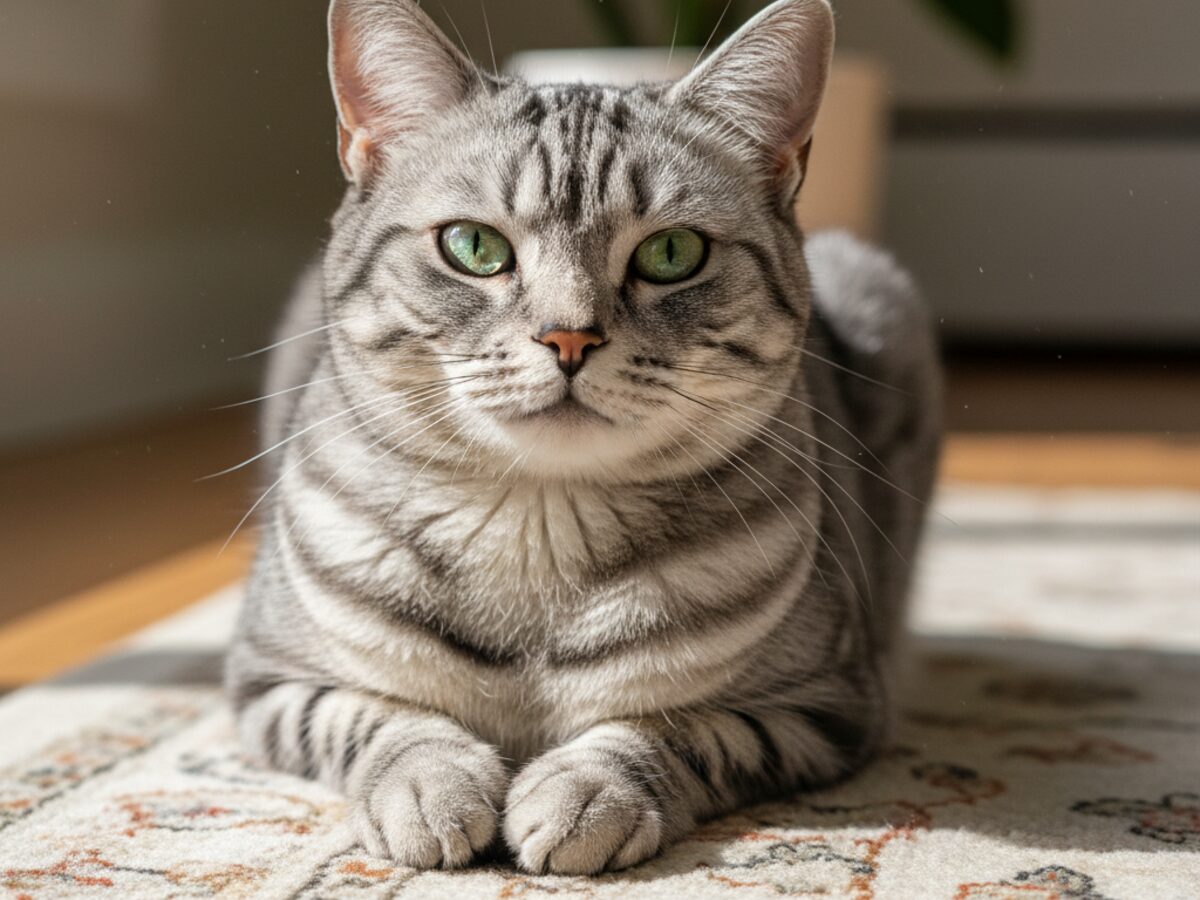
Key facts
- Size
- Medium
- Weight
- 4–7 kg
- Life expectancy
- 15–20 years
- Daily exercise
- 25 min/day
- Estimated total
- 85€/month
- Country
- Estados Unidos
Character & temperament
If you're looking for a cat that's the life of the quiet party, the American Shorthair is your ideal candidate. They are known for their sweet, tolerant, and very adaptable temperament. They are not cats that need to be the constant center of attention, although they will always appreciate a good session of cuddles and games. They are quite independent and love to explore their surroundings, so watching them sniff every corner of the house will be your favorite pastime. In addition, their intelligence is noteworthy; they often quickly learn routines and even small tricks. Think of them as the quiet but curious cat that could star in a domestic nature documentary. They are observant, playful in their own way, and very rewarding to live with. Their balanced nature makes them perfect for almost any type of home. They are not usually overly noisy, meowing only when they have something important to say (like asking for dinner or reporting a fly sighting). They enjoy both their family's company and their moments of solitude, curling up in a sunny spot for a nap. They are the perfect balance between an active companion and a lap cat. Many owners describe their behavior as gentle and good-natured, which makes them ideal friends even for the youngest children. Plus, their expression often looks like a smile, which makes them even more charming.
Living with children
The American Shorthair is a true treasure when it comes to children! Their patient and tolerant nature makes them ideal playmates, even for the youngest ones. They are cats that know when to retreat if play becomes too intense, but they will rarely show aggression. It is essential, as with any pet, to teach children (especially those under 5) how to interact respectfully: no tail pulling or rough petting. If taught to interact gently, these cats will form very strong bonds with children, becoming their adventure accomplices and warm nap companions. You will see how easily they adapt to the energy of school-aged children, enjoying chasing toys or simply being nearby while the little ones do their homework.
With other pets
The adaptability of the **American Shorthair** also extends to its relationship with other pets. Generally, they get along very well with friendly dogs and other cats, especially if introduced properly and when they are young. Their **balanced and non-dominant nature** allows them to integrate without much drama into a multi-pet household. Imagine a family photo with your American Shorthair cuddled up next to the family dog! They are especially tolerant of other cats, often enjoying the company of a feline companion for play or snuggling. However, due to their strong hunting instinct, caution should be exercised when introducing them to small pets such as hamsters, birds, or fish, as they might view them as prey.
Health & prevention
The American Shorthair is generally a robust and healthy breed, with a life expectancy often exceeding 15 years. Their origin as working cats has endowed them with good genetics and resilience. However, like all breeds, they are predisposed to certain conditions. It is important to be aware of hypertrophic cardiomyopathy (HCM), a common heart disease in many breeds, and hip dysplasia, although less frequent in cats, can occur. An annual veterinary check-up is essential for early detection of any problems. Maintaining a healthy weight is crucial, as overweight can exacerbate dysplasia and other conditions. A balanced diet and regular exercise are the best allies. Ask your vet about specific breed foods and supplements if needed, and don't forget that regular brushing not only helps the coat, but also allows you to detect possible lumps or skin anomalies. With love and care, your American Shorthair will be a joyful companion for many years!
Health risks
- •Hypertrophic cardiomyopathy
- •Overweight
Care
Nutrition
Nutrition is key to keeping your **American Shorthair** happy and healthy. A high-quality diet, rich in protein and low in carbohydrates, is ideal. Make sure the food is specific to your cat's age and activity level. Dividing food into two or three small portions a day helps prevent obesity, which this breed can be prone to if not controlled. Constant access to fresh, clean water is essential. You could even try a cat water fountain, many love running water! Avoid foods with artificial fillers or excessive grains. Always consult your vet for a personalized nutrition plan, especially if your cat has special dietary needs, their tummy will thank you!
Grooming & hygiene
Good news for cleanliness lovers! The short, dense coat of the **American Shorthair** is surprisingly easy to maintain. A weekly brushing with a rubber brush or grooming glove is generally sufficient to remove loose hair and keep their skin healthy. During shedding seasons (usually spring and fall), you might increase the frequency to two or three times a week to help control hair loss. This breed usually doesn't like bathing, so bathe them only when strictly necessary with a cat-specific shampoo. In addition, don't forget to check and clean their ears regularly, trim their nails every few weeks, and, if possible, introduce dental brushing for good oral health. A little regular care keeps your feline friend looking sharp!
Exercise & training
Exercise plan
While not the most hyperactive cats, the **American Shorthair** needs regular exercise to stay fit and happy. About 15-20 minutes of interactive play a day, using feather wands, laser pointers (always ending with a physical toy!) or balls, will suffice. They also love toys they can chase or food puzzles that stimulate their hunting mind. Invest in a good scratching post and, if you have space, a multi-level cat tree. They love to climb and observe their kingdom from above. Make sure there are enough toys and opportunities to explore to keep your little predator entertained and prevent boredom!
Training
Training an **American Shorthair** is a pleasure! They are intelligent cats and respond well to positive reinforcement. They can learn tricks, such as coming when called, and even walking on a leash if accustomed to it from a young age. Clicker training is a fantastic tool to gain their attention and reward desired behavior. The most important thing when training this breed is **patience and consistency**. Avoid punishments, as they can lead to fear and distrust. Instead, make it a fun game with lots of treats and praise. Make sure they understand what you expect from them, and you'll see how enthusiastically they respond, perhaps even surprising you with how quickly they learn!
Monthly cost
These costs are monthly estimates and can vary based on product quality, individual cat health, and region. Initial expenses such as kitten cost and first accessories are not included.
Estimate for Spain, healthy adult cat. Varies by region and provider.
Pros & cons
Pros
- ✓Extremely adaptable to different lifestyles.
- ✓Excellent companion for children and other pets.
- ✓Easy-care coat, low maintenance.
- ✓Sweet, sociable, and very tolerant disposition.
- ✓Generally very healthy and long-lived.
- ✓Intelligent and easy to train.
Cons
- !Can be prone to obesity if diet is not controlled.
- !Need mental stimulation to avoid boredom.
- !Strong hunting instinct, caution with small pets.
- !Certain predisposition to hypertrophic cardiomyopathy.
Ideal for
- • Families with children of all ages.
- • First-time owners looking for an easy-care cat.
- • Households with multiple pets (dogs and other cats).
- • People seeking an affectionate but not clingy companion.
- • Those who appreciate a low-maintenance coat.
Not recommended for
- • People expecting a constant lap cat.
- • Owners who cannot provide environmental enrichment.
- • Households with small pets like rodents or birds without supervision.
- • Those unwilling to occasionally brush their cats.
How it fits each scenario
Perfect. They adapt very well to apartment living as long as they have enough stimulation and play.
Ideal. They will enjoy exploring a safe garden, but are not prone to wandering far. A fenced garden is ideal.
Suitable. Their short coat is an advantage, but they will need access to shade and fresh water in very hot climates.
Suitable. Their dense coat provides some insulation, but they will prefer warm indoors in winter.
Very good. They are patient and generally tolerant, but interaction with very young children should always be supervised.
Excellent. They will become ideal playmates and confidants for school-aged children.
Ideal. Their adaptable nature and easy maintenance make them perfect for first-time owners.
Excellent. An experienced owner will appreciate their balanced temperament and independence.
Moderate. They adapt well to active play, but also need their moments of calm and rest.
Very good. They are quite independent and do not need constant attention, although they will appreciate playtime when you are available.
Not recommended. They are not hypoallergenic and shed moderately, which could trigger allergies.
Suitable. While they need good nutrition and vet visits, their grooming needs are low, reducing some costs.
Origin & history
The history of the American Shorthair is as old as the history of the United States itself. Its ancestors arrived aboard the Mayflower and other ships carrying the first colonists from Europe to the New World in the 17th century. Their original mission was clear: to protect grains and provisions from rodents on ships and, later, in settlers' farms and homes. Imagine the first line of defense against mice in a new land! These cats were selected for their robustness, hunting instinct, and ability to survive in difficult conditions, not for their pedigree. They were, in essence, working cats who earned their place with bravery and efficiency. Over time, these "working cats" began to be appreciated not only for their utility but also for their beauty and good temperament. In the early 20th century, with the growing popularity of other cat breeds in shows, admirers of these native domestic felines decided they deserved their own recognition. In 1906, the breed was officially recognized, initially as "Domestic Shorthair," to distinguish them from long-haired breeds. It was not until 1966 that its name was changed to American Shorthair, reflecting its distinctive origin and evolution in North America, and solidifying its status as one of the most beloved and emblematic cat breeds on the continent, with a history as rich as a good adventure book.
Did you know that, like the famous Garfield, many American Shorthairs are known for their love of food and naps, though without the same obsession for lasagna (hopefully)! They are masters of the good life.
Frequently asked questions
Are American Shorthairs noisy?▾
Generally no. They are cats with moderate vocalizations; they meow when they want something, but are not usually excessively noisy.
Do American Shorthairs need a lot of exercise?▾
They need regular exercise through interactive play, about 15-20 minutes a day, to stay healthy and avoid boredom, but they are not hyperactive.
Are they good for people with allergies?▾
No, unfortunately, they are not considered hypoallergenic. They shed moderately and can trigger allergies.
What is the lifespan of an American Shorthair?▾
With good care, American Shorthairs usually live between 15 and 20 years, and often longer.
Do American Shorthairs require a lot of attention?▾
They are affectionate but quite independent. They enjoy company and play, but are not prone to separation anxiety and can spend time alone without issue.
Can American Shorthairs be leash trained?▾
Yes, many can be leash trained, especially if accustomed to it from a young age with patience and positive reinforcement.
Similar family-friendly breeds
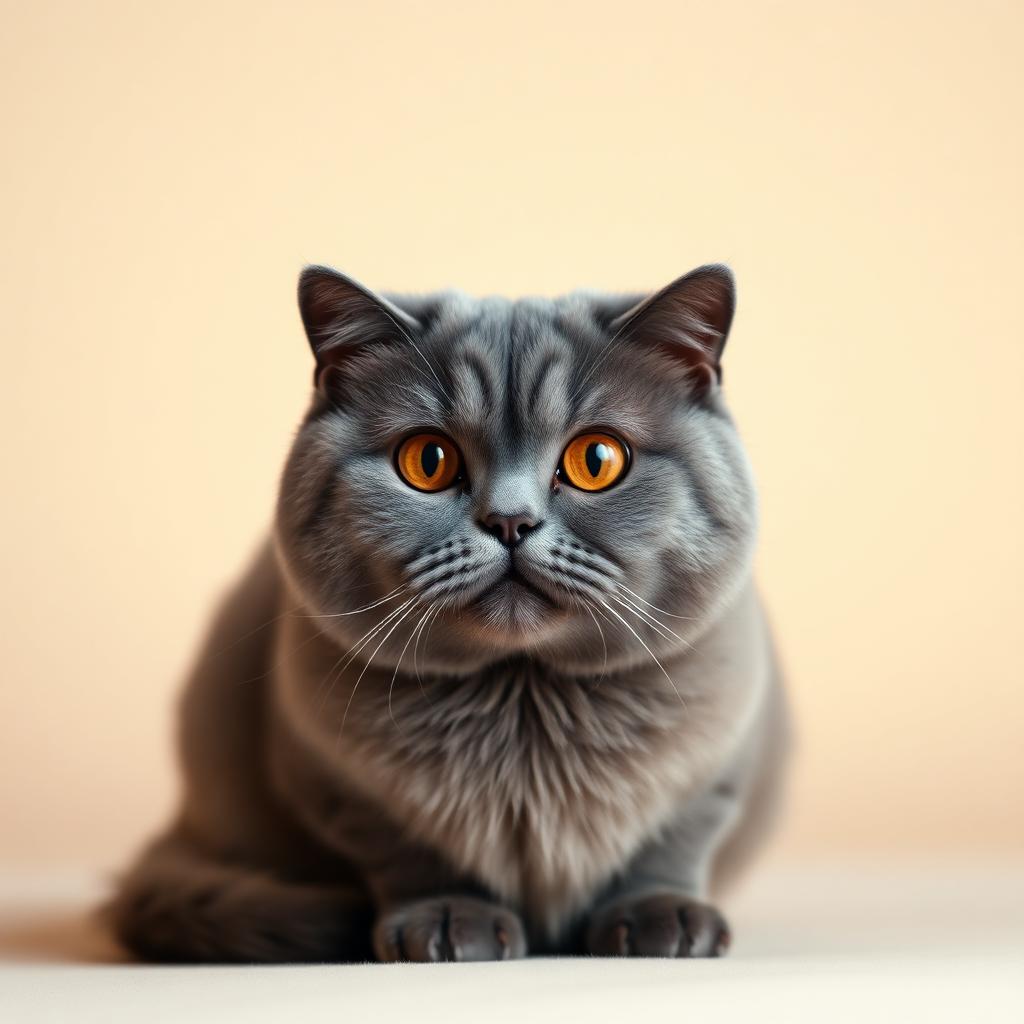
British Shorthair
9.5Calm, plush teddy-bear cat and very flat-friendly. Independent without being aloof: likes being near you, not on you.
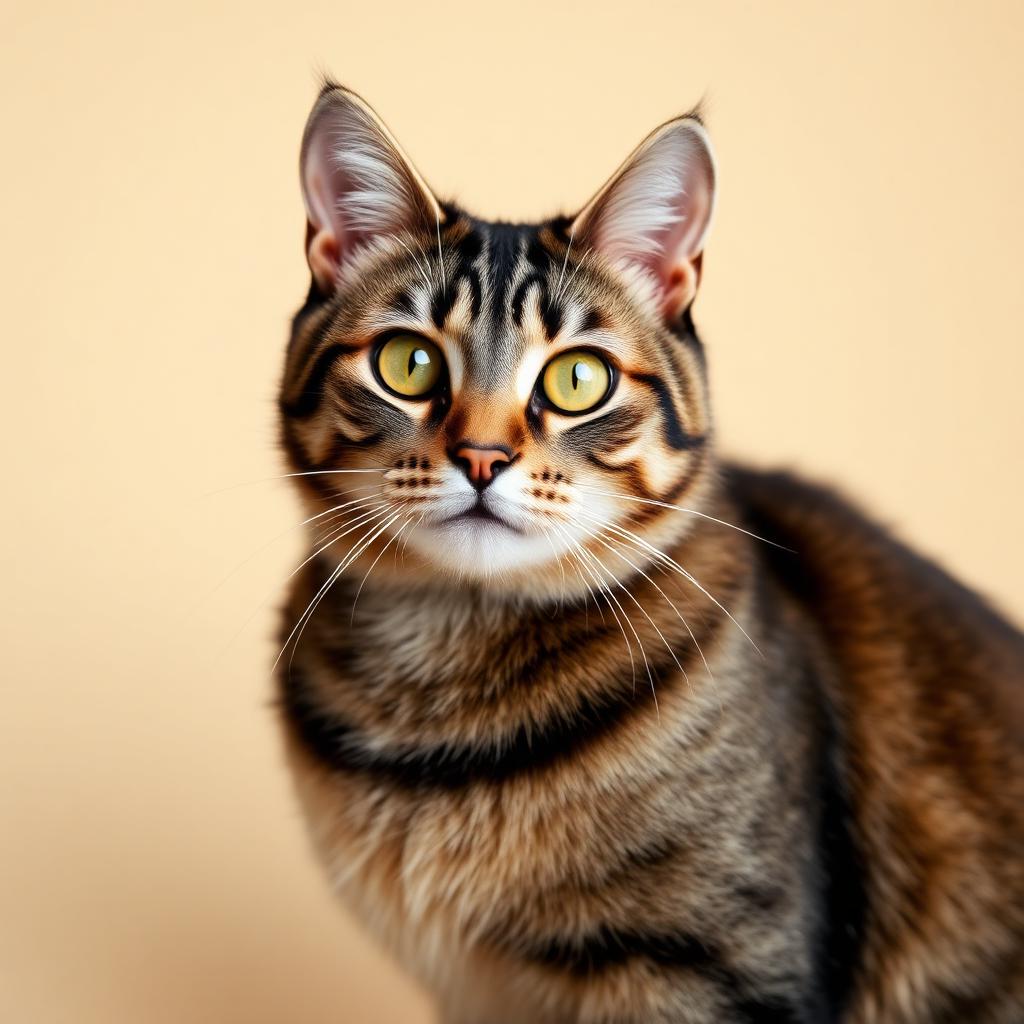
European Shorthair
9.3The classic alley cat: healthy, adaptable and full of personality. Best value pick and the easiest to adopt from shelters.
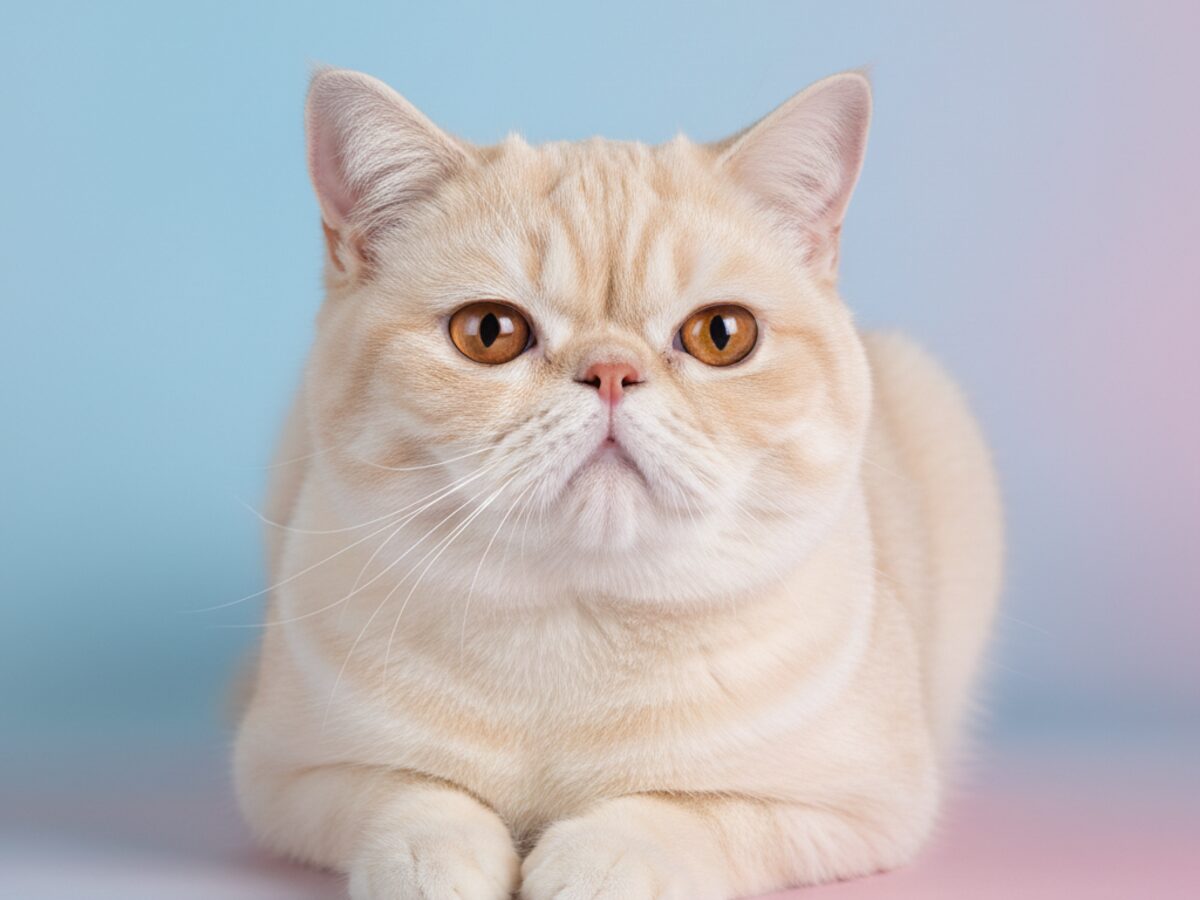
Exotic Shorthair
8.6The Persian in pajamas: same flat face, but short coat and no daily knots. Perfect for plushy cuddles without marathon brushing.