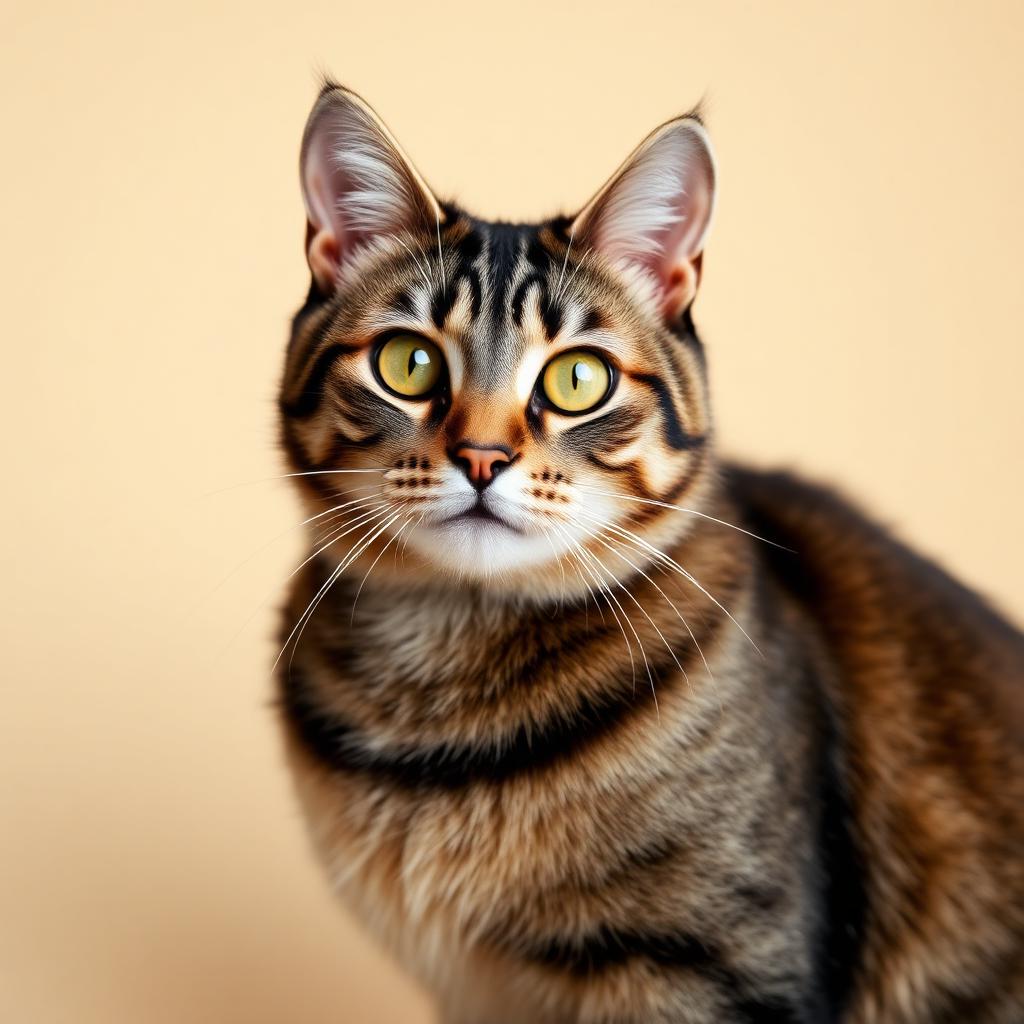
European Shorthair
"The classic companion: rustic, healthy, and adaptable."
Overview
The Europeo Común, also known as the European Shorthair, is one of the oldest and most widespread cat breeds in the world. Its origin dates back to the cats that accompanied the Romans throughout Europe, adapting and evolving in different environments. This natural breed is characterized by its robustness and excellent health, making it a fantastic option for families. Not only are they easily adaptable to various lifestyles, but they are also known for their balanced temperament and intelligence. If you are looking for a loyal and low-maintenance companion, the Europeo Común is an ideal choice. Its athletic build and dense, short coat make grooming simple, making it a cat of unparalleled value for many homes.
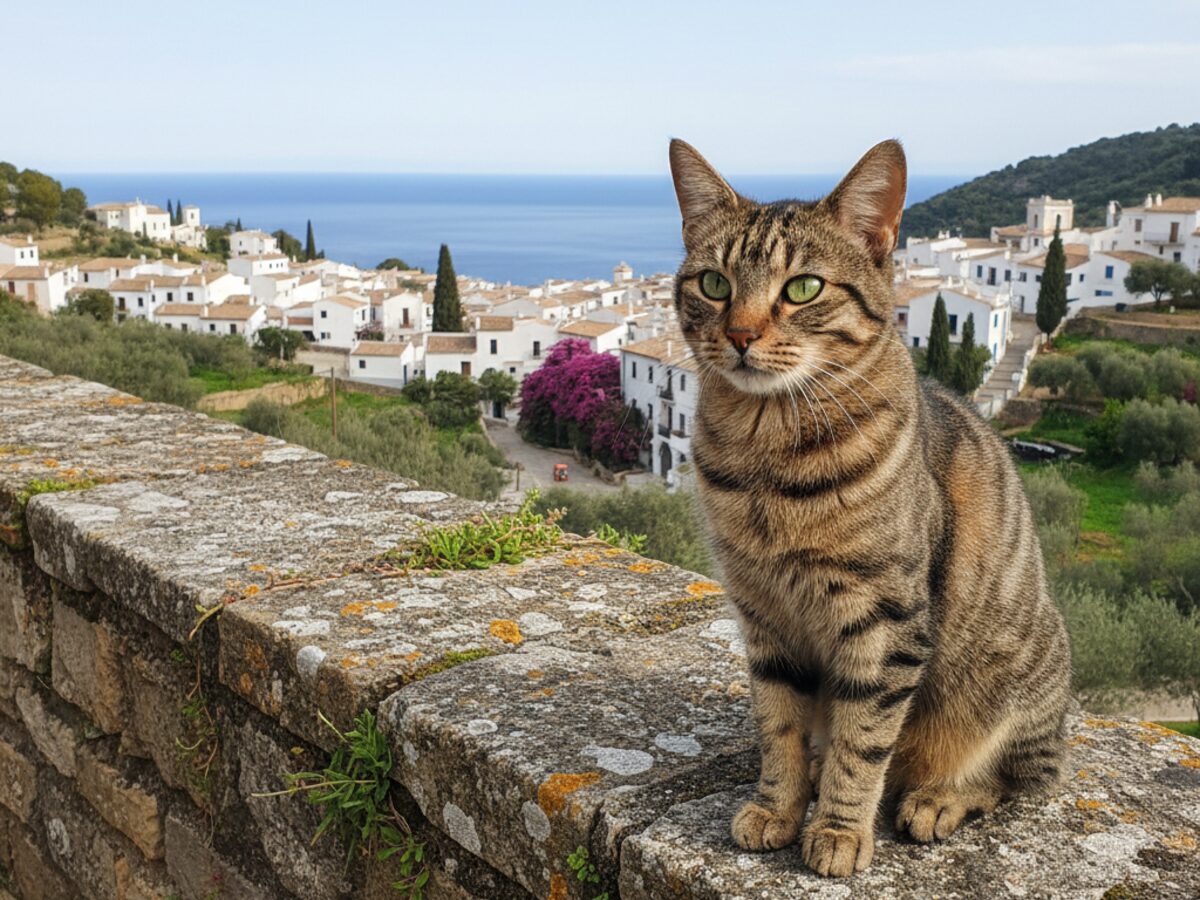
Key facts
- Size
- Medium
- Weight
- 3–7 kg
- Life expectancy
- 14–20 years
- Daily exercise
- 25 min/day
- Estimated total
- 75€/month
- Country
- Europe / Europa
Character & temperament
European Shorthairs are known for their balanced temperament and intelligence. They are curious and playful cats, especially when young, and enjoy interacting with their humans. However, they are also quite independent and appreciate having their own space to rest. They are not as demanding as other breeds, making them ideal companions for families looking for an affectionate but not excessively clingy cat.
Living with children
With proper socialization from an early age, the European Shorthair gets along very well with children. They are patient and tolerant, enjoying play but also knowing when to retreat if they need a quiet moment. Supervising interactions is key.
With other pets
Thanks to their adaptability, European Shorthairs can live harmoniously with other cats and even dogs, especially if socialized from a young age. Their independent nature allows them to coexist without constant conflicts. However, with small animals (rodents, birds), their hunting instinct can be activated, so caution is advised.
Health & prevention
The European Shorthair is one of the healthiest and most robust breeds, with very few known hereditary health problems. Thanks to its natural origin and centuries of non-artificial selection, its life expectancy is exceptionally long, often exceeding 15 years and reaching up to 20. It is essential to keep their vaccinations up to date, annual veterinary check-ups, and a balanced diet to ensure a full and happy life. A few individuals may develop heart or kidney disorders in old age, as in most breeds.
Health risks
- •Few hereditary issues
- •Obesity if sedentary
Care
Nutrition
An adult European Shorthair (3-7kg) needs between 50-80 grams of high-quality dry food per day, supplemented with wet food cans to ensure good hydration. Adjust the amount according to their activity level and weight. Opting for protein-rich, low-grain dry food is ideal. They should always have access to fresh, clean water. Consult your vet for a personalized nutritional plan, especially if they have any specific conditions.
Grooming & hygiene
The European Shorthair's short, dense coat is easy to maintain. Weekly brushing is sufficient to remove dead hair and keep it shiny. They only need bathing occasionally, when truly dirty. Nails should be trimmed every 3-4 weeks and ears checked regularly. The estimated monthly cost for basic home grooming is low, around 5-10 euros for products.
Exercise & training
Exercise plan
The European Shorthair is an active cat that needs daily physical and mental stimulation. Two 15-20 minute play sessions per day with interactive toys, laser pointers, or feathers are ideal. Providing tall scratching posts, cat trees, and wall shelves encourages vertical exploration. Their intelligence also benefits from puzzle toys with food. An enriched environment prevents boredom and destructive behaviors.
Training
European Shorthairs are intelligent and respond well to **positive reinforcement**. Litter box training is instinctive for them. You can teach them to use a harness and leash with patience, especially if you get them used to it from a young age. Clicker training can be an effective tool for teaching basic tricks like sitting or coming when called, enriching their mind and strengthening the bond. Consistency and short, fun sessions are key.
Monthly cost
Costs are estimated and can vary based on food brand, frequency of vet visits, and whether insurance is taken out. The European Shorthair is generally a low-maintenance breed.
Estimate for Spain, healthy adult cat. Varies by region and provider.
Pros & cons
Pros
- ✓Extremely healthy and robust
- ✓Very long lifespan (14-20 years)
- ✓Highly adaptable to environments
- ✓Low maintenance requirements
- ✓Best value for money
Cons
- !Can be territorial with other cats
- !Needs daily mental stimulation
- !May hunt small animals
- !Not as outgoing with strangers
- !Hard to find with pedigree
Ideal for
- • Active families
- • First-time owners
- • Budget-conscious individuals
- • People seeking a robust cat
Not recommended for
- • People seeking a very cuddly cat
- • Homes with unsupervised rodents or birds
- • Those who prefer very exotic cats
How it fits each scenario
The European Shorthair adapts well to apartment living if provided with enough enrichment and play.
A home with a safe garden is ideal for them to explore and satisfy their hunting instinct, although always with supervision or fencing.
Their short coat is not a problem in hot climates; just make sure they have access to shade and fresh water.
They can tolerate cold climates, but need shelter and warmth in winter, especially if they go outdoors.
With supervision and teaching children about animal respect, they can coexist well, but their independence makes them less tolerant of rough play.
They are excellent companions for school-aged children who understand how to interact respectfully with a cat and enjoy interactive play.
Their robust nature and low maintenance make them a fantastic choice for first-time cat owners.
Experienced owners will appreciate their independence and the joy of caring for a healthy, well-balanced cat.
They adapt very well to active families who enjoy playing with their cat and providing them with a stimulating environment.
Their independence makes them suitable for busy families, but they still need daily time for interactions and play.
They are not considered hypoallergenic and may cause reactions in people with cat allergies.
Being a natural and robust breed, they tend to have lower vet and grooming expenses, making them ideal for low budgets.
Origin & history
The European Shorthair descends directly from the domestic cats of ancient Rome, which spread throughout the European continent. Its history is one of adaptation and survival, without formal selective breeding until relatively recently. It was officially recognized as a breed by FIFe in the 1980s, differentiating it from the common domestic cat without pedigree, but sharing very similar genetics and characteristics that reflect its 'alley cat' heritage.
Despite being the epitome of the 'common' cat, the pedigreed European Shorthair is actually a standardized breed with specific characteristics recognized by feline associations.
Frequently asked questions
How long does a European Shorthair live?▾
The lifespan of the European Shorthair is exceptionally high, generally between 14 and 20 years. Their robustness and inherent health contribute to their longevity, especially with good care.
What size is a European Shorthair?▾
European Shorthairs are medium to large-sized cats, generally weighing between 3 and 7 kilograms. They have a strong, athletic, well-balanced build.
Does the European Shorthair need a lot of space?▾
Not necessarily. They are very adaptable and can live well in apartments if provided with enough vertical enrichment and play opportunities. However, they do enjoy a secure garden if available.
Is the European Shorthair good for first-time owners?▾
Yes, absolutely. Their adaptable nature, robustness, and low maintenance make them an excellent choice for those new to cat ownership. They are quick learners and forgiving cats.
Do European Shorthairs require a lot of attention?▾
While they enjoy company and play, European Shorthairs are quite independent. They need daily interaction but are not ones to demand constant attention, making them ideal for busy families.
Can European Shorthairs get along with other cat breeds?▾
Yes, they generally adapt well to living with other cats, especially if introduced gradually. Their social yet independent nature allows them to form peaceful relationships.
Where does the name 'Alley Cat' come from for the European Shorthair?▾
They are called 'Alley Cat' because the breed naturally developed from common European domestic cats, without intensive selective breeding, resulting in their genetic diversity and robustness.
Are European Shorthairs good hunters?▾
Yes, they maintain a strong hunting instinct and are very skilled. It is one of the characteristics inherited from their past as farm and alley cats, helping to control rodents. This should be considered in homes with small pets.
Similar family-friendly breeds
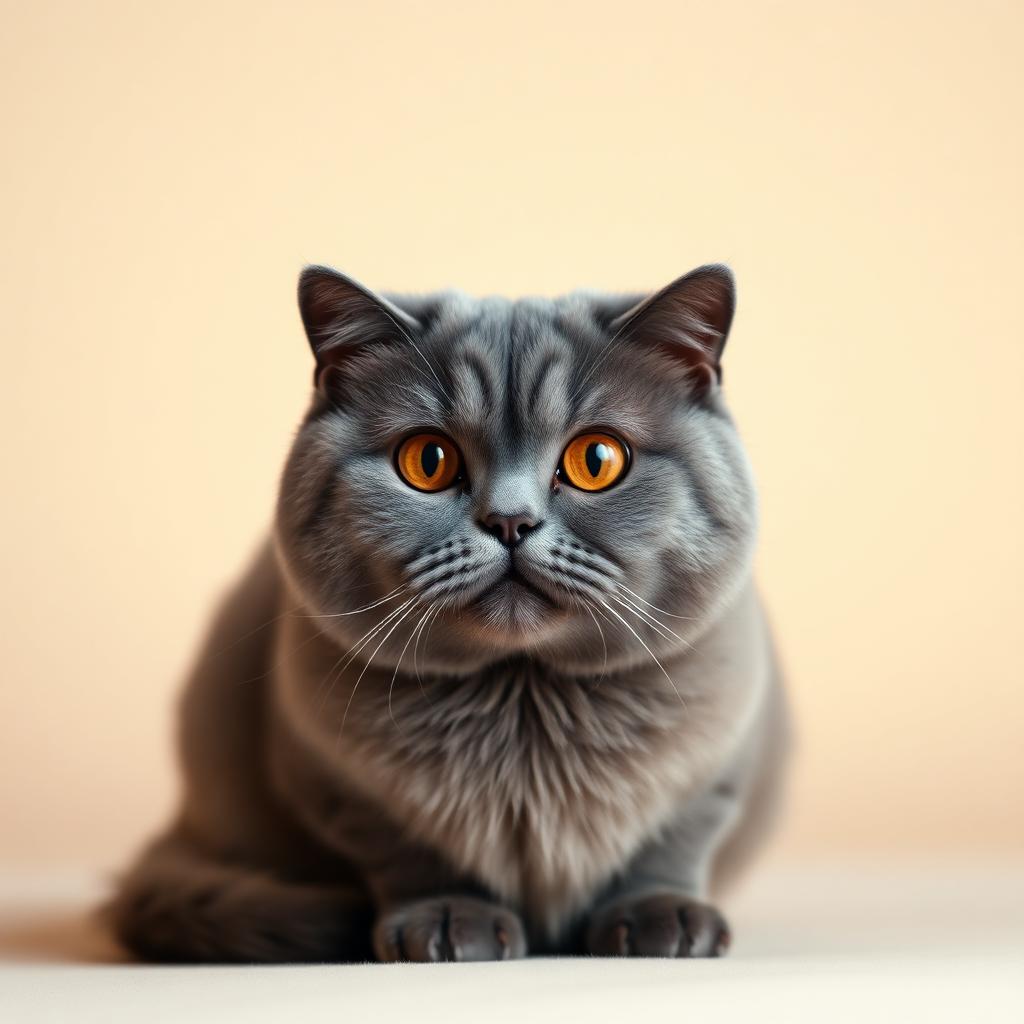
British Shorthair
9.5Calm, plush teddy-bear cat and very flat-friendly. Independent without being aloof: likes being near you, not on you.
 Hypoallergenic
Siberian
9.2Best option for allergy sufferers: produces less Fel d 1 than average. Sturdy, playful and very cold-resistant thanks to a triple coat.
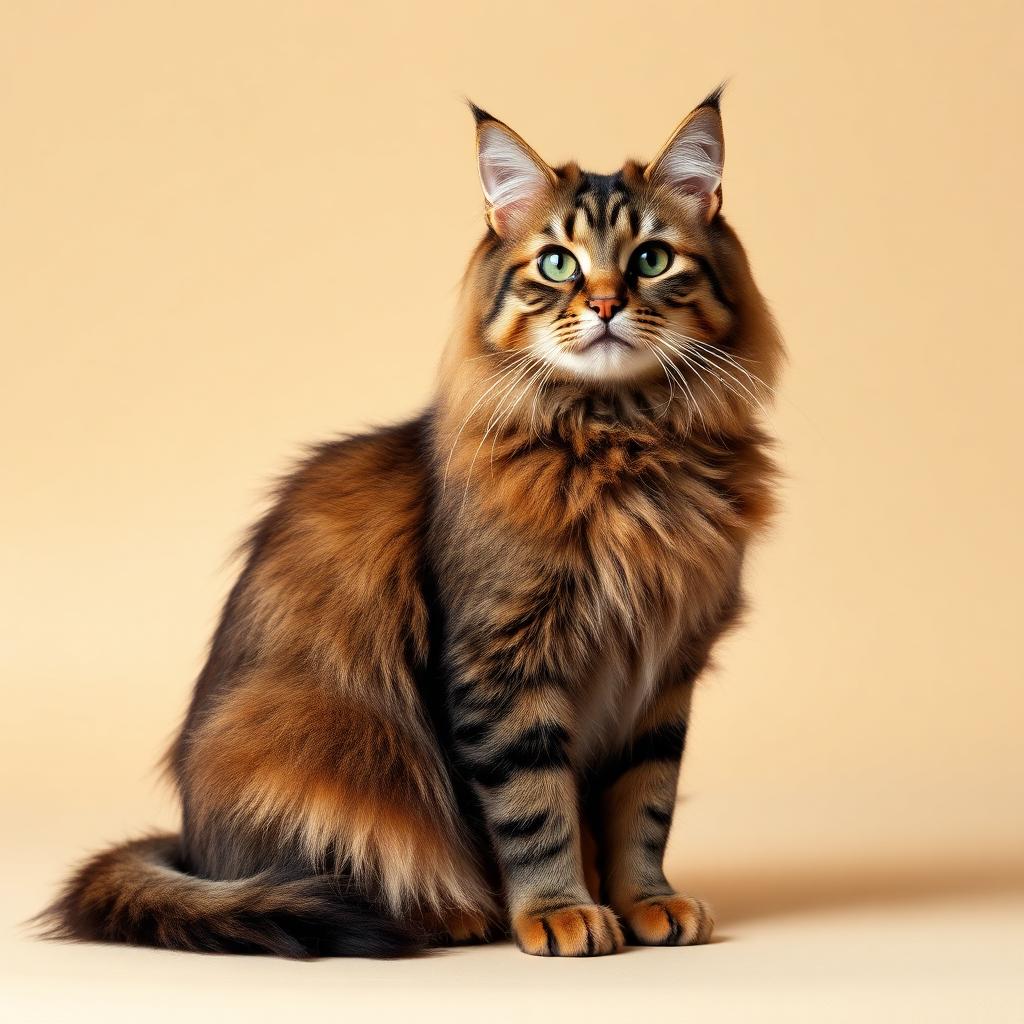
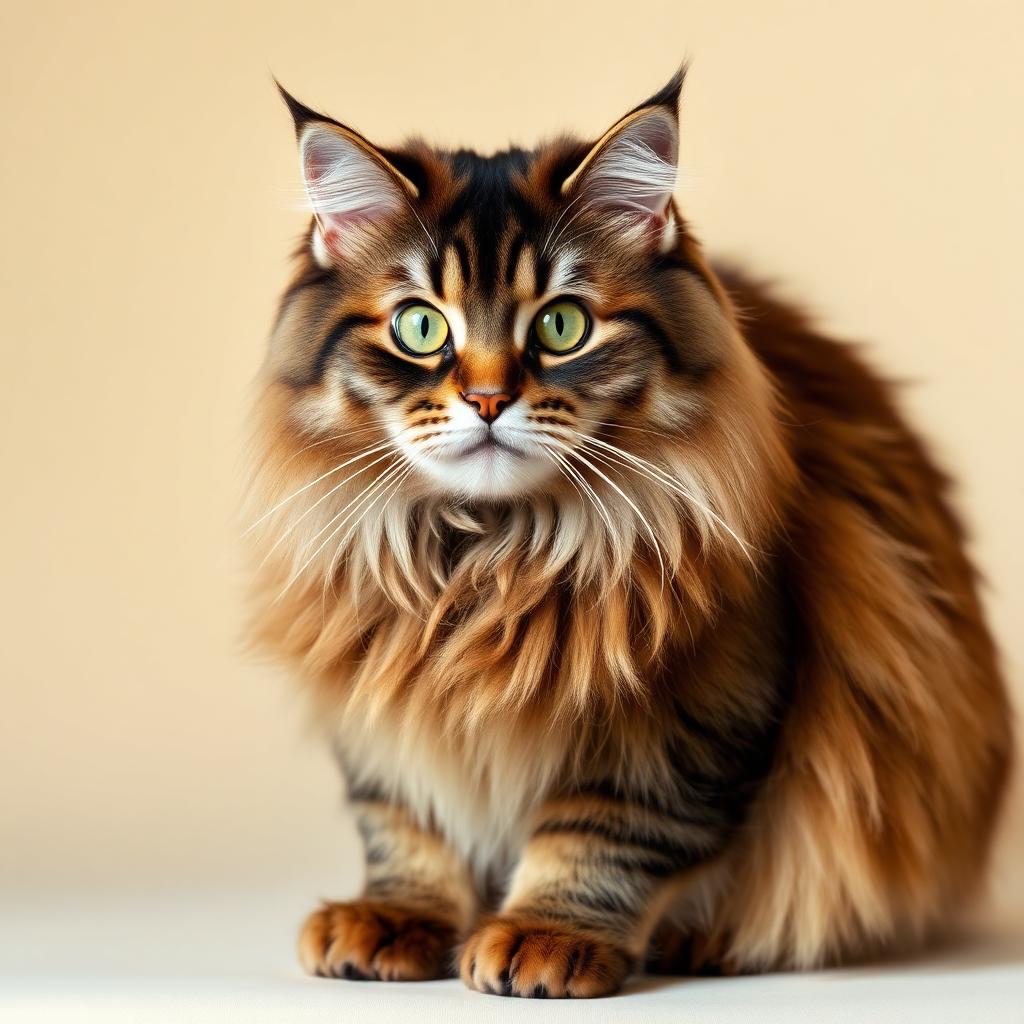
Maine Coon
9.7The gentle giant of the cat world: sociable, dog-like and very patient with kids. The semi-long coat needs brushing 2–3 times a week.