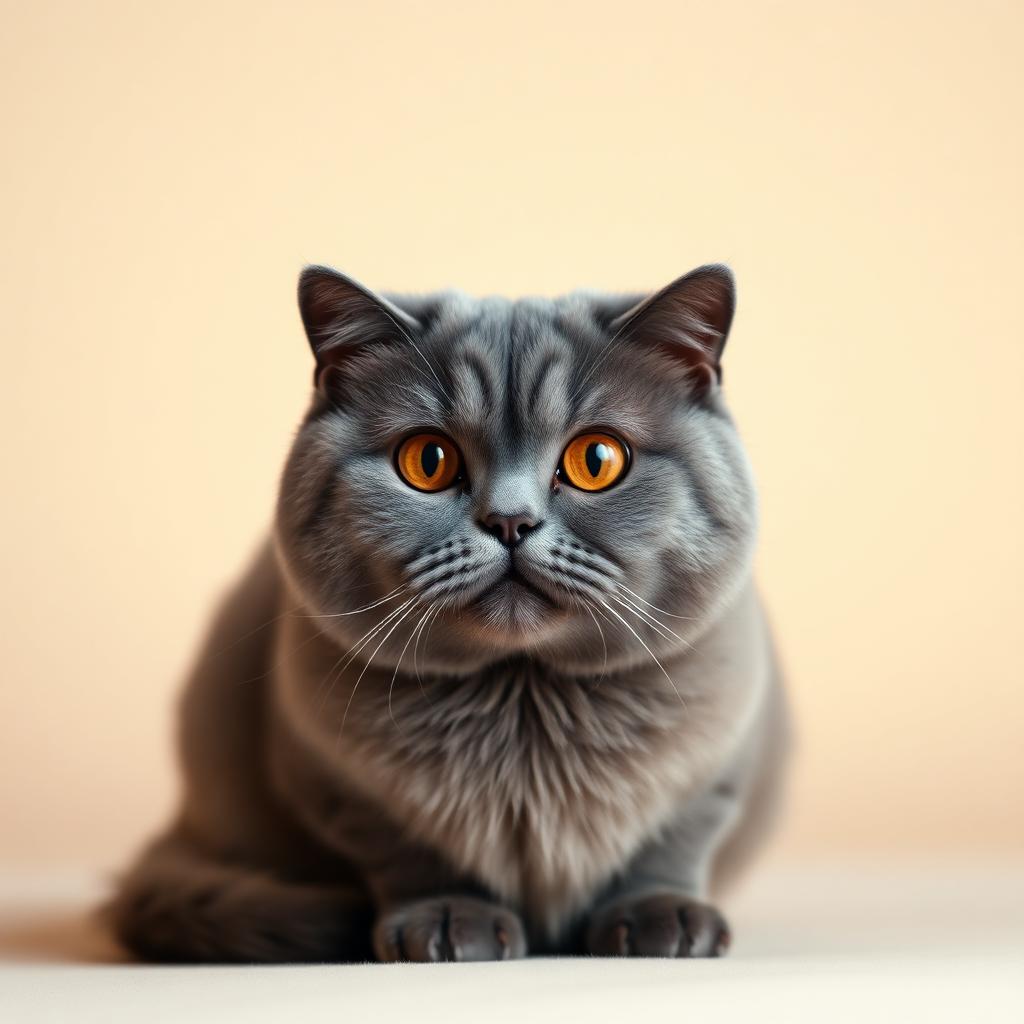
British Shorthair
"The endearing teddy bear with an independent heart."
Overview
The British Shorthair, often affectionately called the 'teddy bear' of the felines, is a fantastic choice for homes looking for a calm, low-maintenance companion. Originating from Great Britain, these cats stand out for their short, thick coat, large, round eyes, and sweet expression. Their independent nature doesn't mean they don't love their humans; they simply appreciate their space and are less demanding of constant physical attention than other breeds. They are robust cats, but as with any breed, it is crucial to be informed about potential hereditary diseases such as hypertrophic cardiomyopathy (HCM) and polycystic kidney disease (PKD) for proper preventive care. Their adaptability is one of their greatest strengths. A British Shorthair will be equally comfortable in a small apartment or a large house, as long as it has access to its toys, scratching posts, and, of course, a quiet place to sleep. Their low energy level (2/5) makes them ideal for elderly people or families with quieter lifestyles. Despite their furry appearance, their short coat requires relatively simple care, with weekly brushing to keep it in optimal condition and reduce shedding. Invest in a good brush suitable for your British's dense coat to keep it healthy and shiny. To ensure a long and healthy life, a balanced diet is essential. Given their tendency for independence, it's easy to overfeed them if you resort to free-feeding methods. It's important to monitor their weight and consult with your vet to establish a suitable nutrition plan that prevents obesity, a factor that can aggravate other health conditions. In addition to food, moderate mental and physical stimulation is vital. Although they are not extreme climbers, they enjoy short play sessions and exploring their environment. Interactive toys and scratching posts with platforms are excellent for keeping them active and preventing boredom. Socializing a British Shorthair from an early age is key to fostering their friendly nature. While independent, they appreciate companionship and can get along well with respectful children and other pets. Their patience and calmness make them tolerant, although it is always important to supervise interactions to ensure everyone's well-being. Adopting a British Shorthair means welcoming a family member who will bring serenity and affection to your home without demanding overwhelming attention, becoming a true icon of tranquility and companionship.

Key facts
- Size
- Medium
- Weight
- 4–8 kg
- Life expectancy
- 14–18 years
- Daily exercise
- 20 min/day
- Estimated total
- 130€/month
- Country
- Great Britain
Character & temperament
British Shorthairs are known for their calm and agreeable temperament. They are well-balanced and patient cats, making them excellent companions for family life. They are not overly demanding of attention but enjoy the company of their owners, preferring to sit nearby or in the same room rather than constantly cuddling on a lap. Their low energy level (2/5) means they are more prone to a long nap than continuous romping.
Living with children
Their calm and patient nature makes British Shorthairs get along very well with children, especially if they are respectful of their space. They tolerate the hustle and bustle of a household with children well, though they will always prefer to retreat to a quiet spot if feeling overwhelmed. Supervision is key to ensuring positive interactions for both.
With other pets
British Shorthairs are generally tolerant of other pets, including calm dogs and other cats. Their relaxed disposition allows them to integrate well into multi-pet households, provided introductions are made gradually. However, it is not recommended to leave them alone with small prey animals like rodents or birds due to their natural hunting instinct.
Health & prevention
While a robust breed, British Shorthairs have a predisposition to certain genetic conditions such as hypertrophic cardiomyopathy (HCM) and polycystic kidney disease (PKD). It is crucial to acquire kittens from responsible breeders who screen their breeding stock for these risks. They can also be prone to obesity if their diet and exercise are not controlled, which can lead to other health issues. Regular veterinary visits are essential for proper preventive care.
Health risks
- •Hypertrophic cardiomyopathy
- •Polycystic kidney disease
- •Overweight
Care
Nutrition
An adult British Shorthair weighing 4-8kg will need between 50-80g of high-quality dry food per day, or a combination of dry and wet (e.g., 25-40g dry + 100g wet). Due to their tendency for obesity, it's vital to measure portions and not free-feed. Opt for food formulated for indoor cats or weight management if your cat has low activity. Consult your vet for a specific nutritional plan.
Grooming & hygiene
The British Shorthair's short, dense coat requires weekly brushing to remove loose hair and prevent matting, increasing frequency during shedding season. Baths are only necessary if they get very dirty, and nails should be trimmed every 2-4 weeks. A monthly grooming budget can be around 10-20 EUR, mainly for brushes and nail clippers.
Exercise & training
Exercise plan
With an energy level of 2/5, British Shorthairs are not extremely active cats. They enjoy short play sessions (15-20 minutes, twice a day) with interactive toys or feather wands. Providing a quality scratching post and elevated shelves will offer them opportunities to stretch and observe their surroundings from above, satisfying their need to explore without demanding great physical exertion.
Training
British Shorthairs are intelligent and respond well to positive reinforcement. Litter training is generally straightforward. They can learn basic commands and tricks with patience and treats. Some even enjoy walks on a harness and leash if accustomed from a young age, though their independence and low energy may mean it's not their favorite activity.
Monthly cost
These costs are monthly estimates in Spain and include quality food, preventive vet visits, basic grooming products, and health insurance. Initial costs (cat purchase, accessories) are not included.
Estimate for Spain, healthy adult cat. Varies by region and provider.
Pros & cons
Pros
- ✓Extremely calm and patient
- ✓Ideal for apartment living
- ✓Generally get along well with children and other pets
- ✓Low coat grooming maintenance
- ✓Independent, not overly demanding
Cons
- !Can be prone to obesity
- !Risk of HCM and PKD
- !May be reserved with strangers
- !Need mental stimulation to prevent boredom
- !Shed some hair, especially during moulting
Ideal for
- • Calm families
- • First-time owners
- • Elderly people
- • Apartment living
Not recommended for
- • Families seeking a very active cat
- • Owners desiring a constant lap cat
- • Households with unsupervised small prey animals
How it fits each scenario
Absolutely ideal; their calm nature and low energy level make them perfect for apartments of any size.
They adapt well to houses with gardens, but it's important that the garden is secure to prevent escapes, as they are not extreme explorers.
Due to their dense coat, it's crucial they have access to cool, air-conditioned environments in hot climates to prevent overheating.
They are very well adapted to cold climates thanks to their thick and dense coat, which provides excellent insulation.
Their patience makes them tolerant, but supervision is always required to ensure gentle interactions from young children.
They make excellent companions for school-aged children who understand how to respect a cat's space.
Yes, their calm nature and independence make them an excellent choice for first-time owners.
An experienced owner will appreciate their dignified temperament and non-needy affection.
They might not be the best fit as they prefer a more relaxed lifestyle and don't seek constant activity.
They are suitable for busy families as they don't demand constant attention and are quite self-sufficient.
They are not hypoallergenic and can cause allergic reactions due to proteins in their saliva and dander.
Care costs (food, vet, insurance) are moderate, but health risks like HCM and PKD may require larger medical investments.
Origin & history
British Shorthairs trace their origins to the domestic cats of Great Britain. It is believed that the Romans brought them to the British Isles, and over time, they adapted to the climate and environment, developing a dense coat and a robust build. The breed was defined and popularized in the late 19th century, with Harrison Weir as a key figure in its development. Although they were on the brink of extinction after the World Wars, the efforts of dedicated breeders managed to restore their population and popularity.
The Cheshire Cat's grin from Lewis Carroll's famous 'Alice in Wonderland' is said to have been inspired by a British Shorthair.
Frequently asked questions
Are British Shorthairs noisy?▾
No, they are known for being a very quiet breed. They rarely meow and have soft voices, making them ideal for a peaceful home.
Do they need a lot of space to play?▾
No, they are content with short play sessions and their low energy level makes them suitable for small spaces, like apartments.
Are they suitable for people who work long hours?▾
Yes, their independent nature means they can tolerate being alone for longer periods than other breeds, provided they have access to food, water, and a clean litter box.
How long do British Shorthairs live?▾
The lifespan of a healthy British Shorthair ranges from 14 to 18 years, with good care and regular vet visits.
Can they be trained?▾
Yes, they are quite intelligent and can learn tricks, basic commands, and even harness use with positive reinforcement and patience.
How are they with strangers?▾
They can be a bit reserved at first with unfamiliar people, but once they feel comfortable, they usually accept them calmly.
Do they need a companion?▾
Not necessarily. While they can get along well with other animals, their independent nature means they are equally content being the only cat in the house.
Do they adapt to changes?▾
They are quite adaptable, but like all cats, they prefer routine. Major changes may require an adjustment period with patience and support.
Similar family-friendly breeds
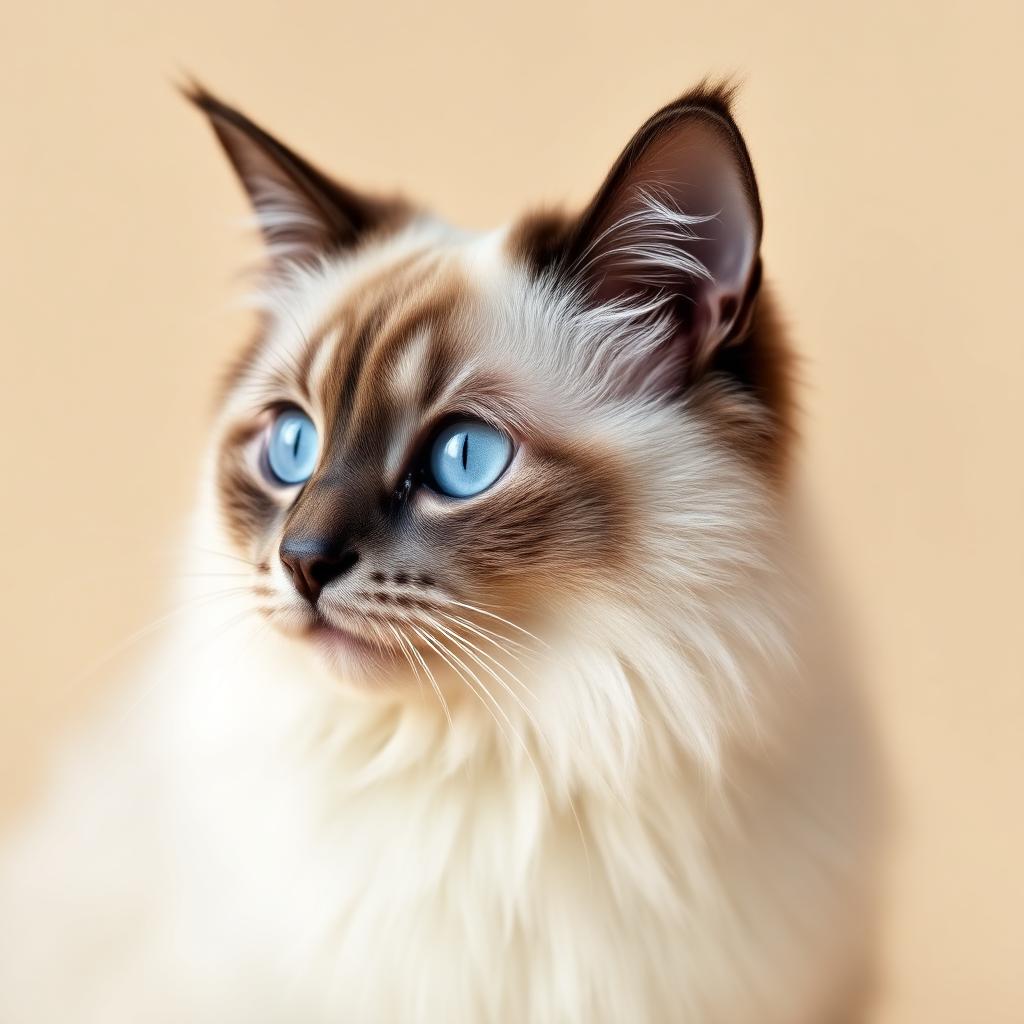
Ragdoll
9.6The name says it all: goes limp like a rag doll when picked up. Affectionate, docile and perfect for families with kids.
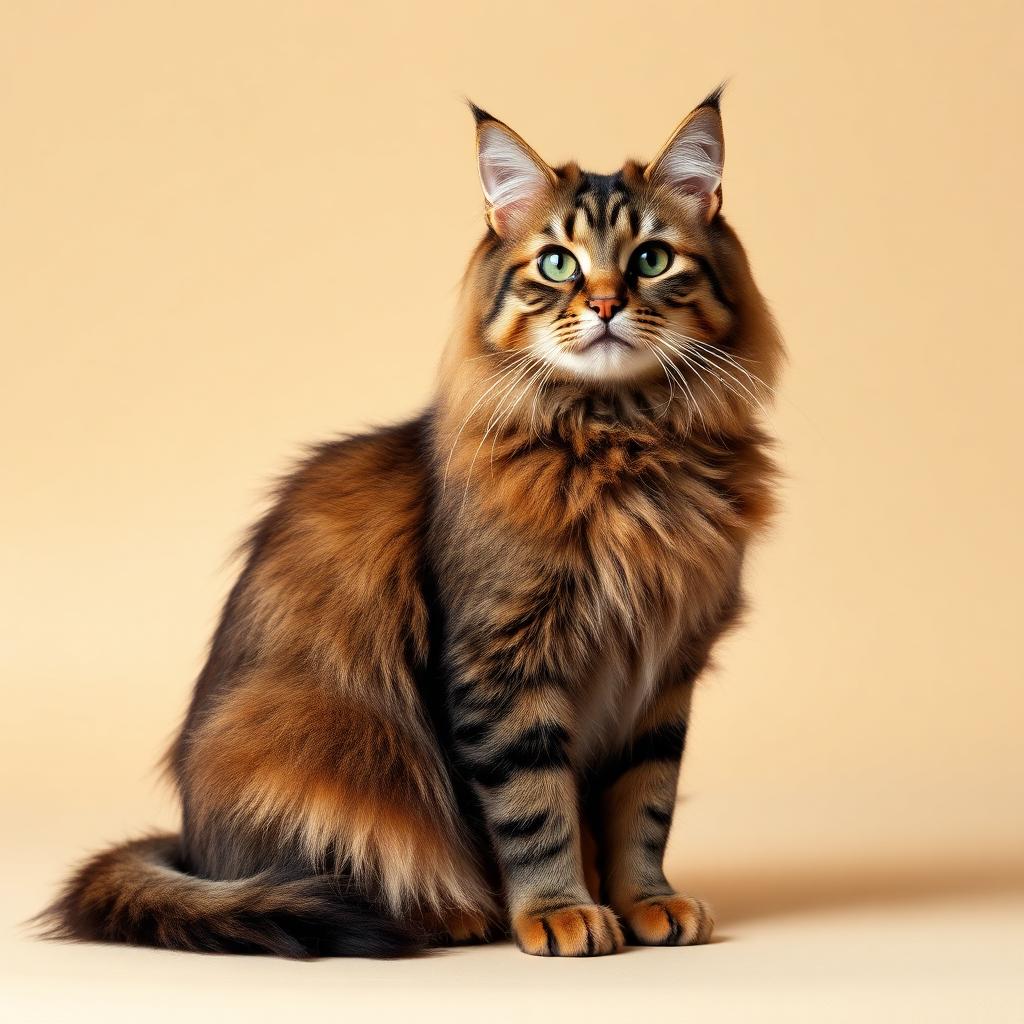
Maine Coon
9.7The gentle giant of the cat world: sociable, dog-like and very patient with kids. The semi-long coat needs brushing 2–3 times a week.
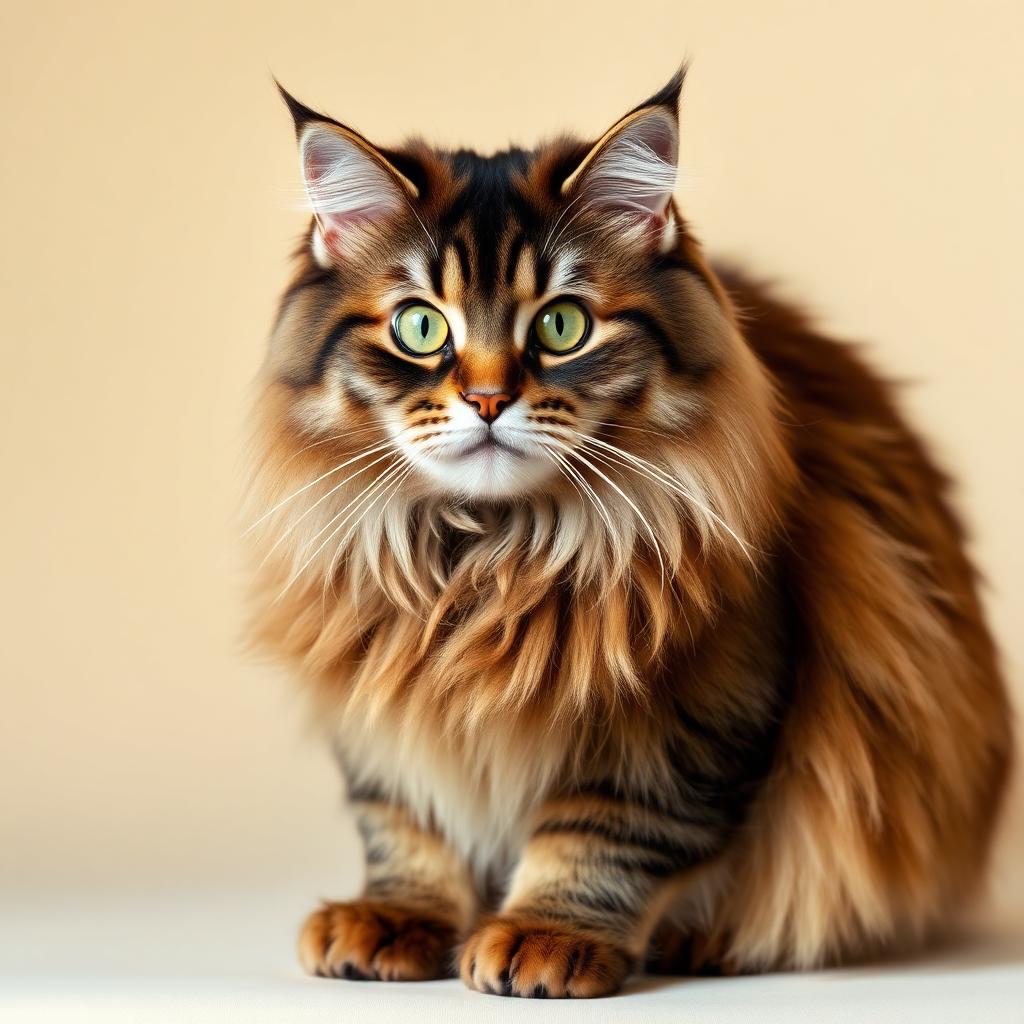 Hypoallergenic
Siberian
9.2Best option for allergy sufferers: produces less Fel d 1 than average. Sturdy, playful and very cold-resistant thanks to a triple coat.