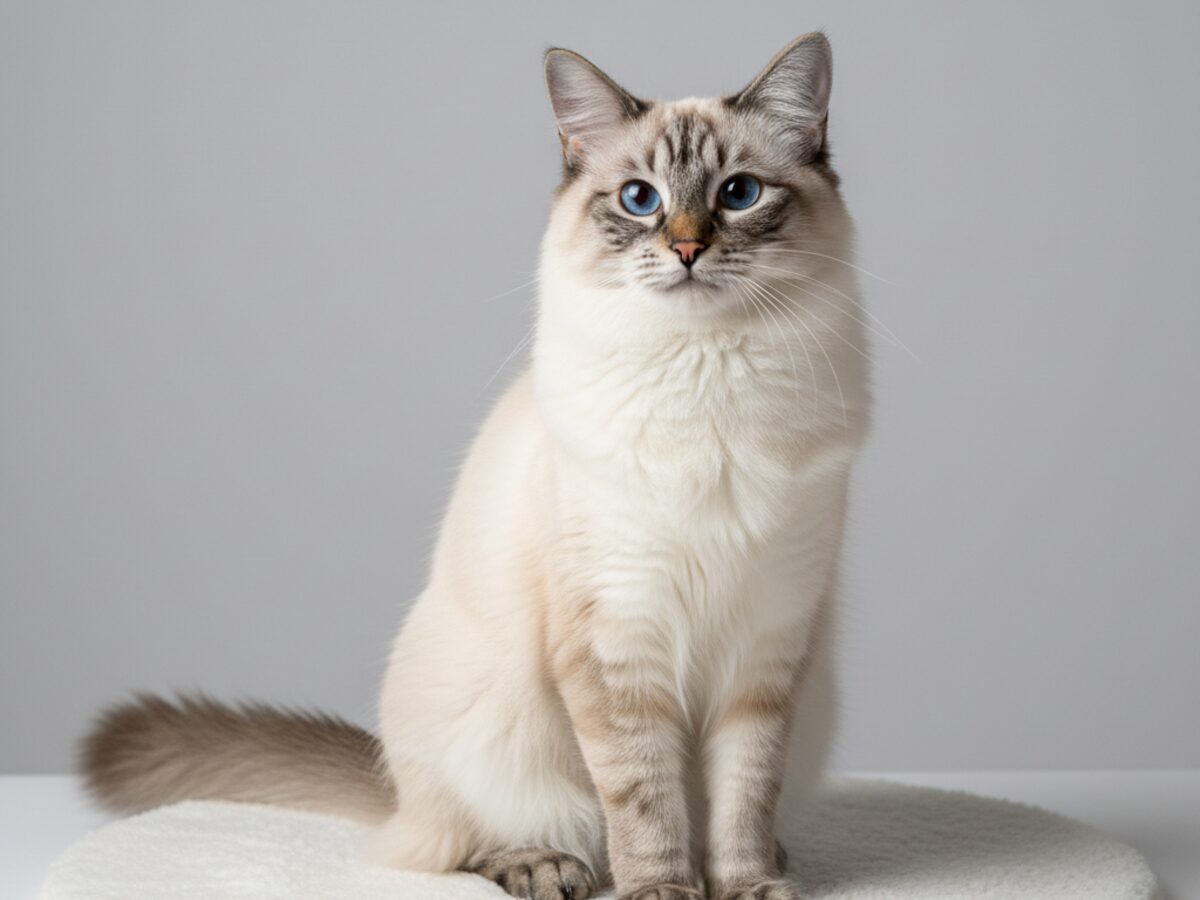
Balinese
"The Balinese: Need a talkative and elegant cat? This is your feline friend!"
Overview
Discover the Balinese, the semi-longhaired, vocal cat that will steal your heart. At FamiCats.com, we offer a comprehensive guide to this fascinating breed, perfect for active families looking for an interactive companion. The Balinese, often called the "long-haired Siamese," is famous for its elegance, intelligence, and a personality that, we assure you, never goes unnoticed. If you're wondering if the Balinese is the ideal pet for your home, here you'll find everything you need to know.
Our detailed guides cover the history of the Balinese, from its origins in the United States to its recognition as a distinct breed, inspired by the grace of Balinese dancers. We explore its playful and affectionate temperament, its remarkable intelligence for learning tricks, and its outgoing and vocal nature, which makes it a natural "conversationalist." If you enjoy a cat that follows you around and "talks" to you, the Balinese is your choice.
We also address essential aspects such as Balinese care, including their need for regular brushing (surprisingly easy for a semi-longhaired cat!), their specific nutrition, and their exercise requirements. You'll learn about their compatibility with children and other pets, as well as common health precautions for the breed, derived from their kinship with the Siamese. At FamiCats.com, we are committed to providing you with the most reliable and practical information to make living with your Balinese a wonderful experience.
Whether you're looking for a new family member or simply want to learn more about this elegant breed, our platform guides you step by step. From how to train your Balinese to understanding its vocalizations, we are your number one resource. Explore FamiCats.com and dive into the world of the Balinese, a cat that offers beauty, intelligence, and unparalleled companionship. Find your perfect Balinese today!
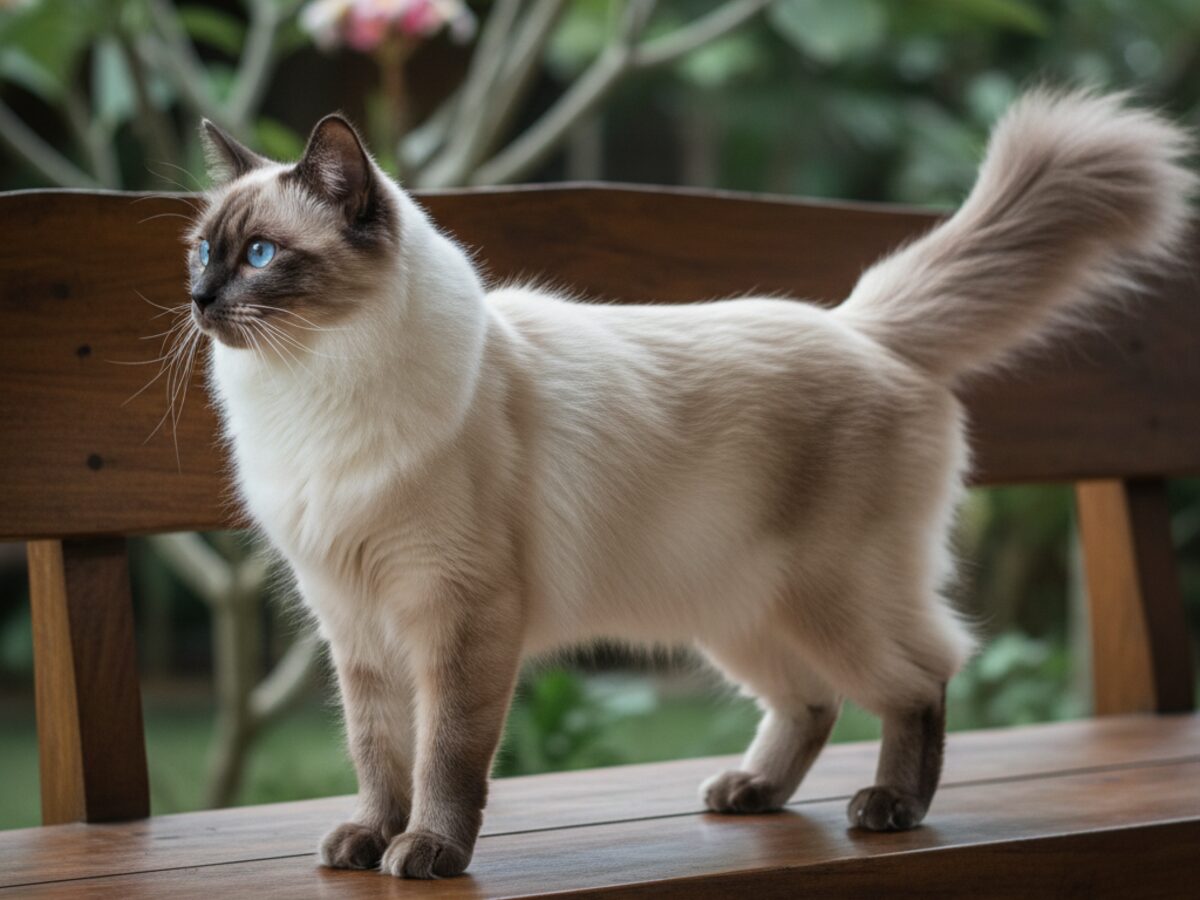
Key facts
- Size
- Medium
- Weight
- 3–5 kg
- Life expectancy
- 12–16 years
- Daily exercise
- 40 min/day
- Estimated total
- 125€/month
- Country
- United States
Character & temperament
If you're looking for a cat that's the life of the party and a great conversationalist, you've found your match in the Balinese! These felines are known for their outgoing, intelligent, and extremely vocal nature. This is not a cat for those seeking a quiet, silent companion; the Balinese has a lot to say and won't hesitate to share every thought, opinion, or demand with its human family. Get ready for daily, melodious conversations with your Balinese!
Besides being chatterboxes, they are affectionate and devoted cats that form strong bonds with their owners. They enjoy human company and will often follow you from room to room, supervising your activities. They love being the center of attention and will demand cuddles and games. They are incredibly playful and curious, always ready for a new challenge, which makes them perfect companions for active families. They are also very intelligent and can learn tricks, to walk on a leash, and even to play fetch. Don't be surprised if your Balinese greets you home with a flurry of meows and purrs!
Living with children
The Balinese is an excellent cat for families with children of all ages, from toddlers to teenagers. Its playful, energetic nature and love for attention make it an ideal companion. Like the Siamese, they enjoy interaction and easily integrate into family hustle and bustle. They are sturdy enough to withstand children's play, as long as children are taught to interact with respect.
It is essential that children, especially younger ones, learn to treat the cat with gentleness and respect. Always supervise initial interactions to ensure the cat is not disturbed while eating or sleeping. Encourage children to participate in interactive games with wand toys or bouncy balls, which will help strengthen the bond and burn off the Balinese's energy positively. This cat loves to play and will be a tireless companion for your children!
With other pets
The Balinese, thanks to its **friendly and sociable nature**, generally gets along very well with other pets, including other cats and even dogs, provided that a proper and supervised introduction is made. Their need for companionship and play often means they enjoy having a feline or canine companion to interact with. However, their **prey drive** can be strong, so cohabitation with small rodents, birds, or fish will require extreme caution or is simply not recommended. With early socialization and proper training, especially if they grow up with them, they can form fantastic bonds with other household animals. Your Balinese might even try to "talk" to your other pets!
Health & prevention
In general, Balinese cats are robust and healthy, with an average lifespan of 10 to 15 years or more, offering many years of companionship. However, as they are direct descendants of Siamese cats, they share some of the genetic predispositions to certain health conditions seen in that breed. It is important to be aware of these, although not all Balinese cats will develop them.
Some of the health conditions they may be prone to include amyloidosis, a disease that can affect kidneys and other organs; dilated cardiomyopathy, a heart condition; and strabismus, which, although not severely affecting vision, is a known characteristic of the Siamese line. They may also be susceptible to dental problems, so good oral hygiene is crucial, and to vestibular syndrome, which causes imbalance and incoordination.<br><br>To keep your Balinese in optimal condition, regular veterinary check-ups are recommended, at least once a year, to detect any problems early. Keep vaccination and deworming schedules up to date, and pay attention to any changes in their appetite, energy, or behavior. A high-quality diet and a stimulating environment will also greatly contribute to their overall well-being. Always choose a responsible breeder who can provide you with a comprehensive health history of the parents and health certificates.
Health risks
- •Asthma
- •Amyloidosis
- •Dental issues
Care
Nutrition
Balinese nutrition is crucial for maintaining their slender physique and high energy level. They require a **high-quality, protein-rich diet**, ideally meat-based, to support their musculature and active metabolism. Avoid foods with excessive fillers or low-quality by-products. Opt for high-end dry kibble, supplemented with wet or fresh food to ensure proper hydration and prevent urinary problems. Due to their predisposition to dental issues, consider including regular dental brushing and/or special dental snacks. Serve controlled portions to prevent overweight, which, although not common in this breed, is always an important consideration. Always consult your veterinarian for a personalized nutritional plan, especially if your Balinese has any specific dietary needs.
Grooming & hygiene
Despite their semi-long coat, Balinese grooming is surprisingly **simple and undemanding**. Their hair is fine and silky, without a dense undercoat, which means it is **less prone to tangling and shedding** compared to other long-haired breeds. However, regular brushing is key to keeping their beautiful coat in perfect condition and reducing hair loss. A **brushing 2-3 times a week** with a soft-bristle brush or a wide-toothed comb will be sufficient to remove loose hair and prevent knots. This routine not only helps keep their coat shiny but is also an excellent opportunity to strengthen the bond with your cat. Balinese generally enjoy the attention they receive during grooming. Baths are rarely necessary, unless they get very dirty. Also make sure to check their ears regularly and trim their nails every few weeks. Maintaining their hygiene will not be a chore, but a special moment to share!
Exercise & training
Exercise plan
The Balinese is an **active and energetic** cat that requires a good level of daily exercise to stay happy and healthy. They are very intelligent and enjoy games that stimulate both their body and mind. Provide interactive toys, tall scratching posts where they can climb and observe their kingdom, and dedicate at least **30-60 minutes daily** to interactive games with wand toys, laser pointers (used cautiously not to frustrate them) or toys they can chase. They love to **explore and climb**, so a large cat tree is an excellent investment. They also enjoy leash "walks" if accustomed from a young age. Boredom can lead to unwanted behaviors, so make sure to keep them entertained.
Training
Training a Balinese is a **rewarding experience** due to their high intelligence and desire to interact with their humans. They respond very well to **positive reinforcement**, such as treats, praise, and play sessions. They can learn a variety of tricks, from sitting and staying to coming when called and even playing fetch, almost like a dog! Their ability to learn quickly makes them fun to train. Use short, fun sessions to keep their interest. **Early socialization** is key for a well-adjusted and friendly Balinese, exposing them to different sounds, people, and environments from a kitten. Remember that they are sensitive cats, so patience and gentleness are essential.
Monthly cost
These are approximate monthly expenses. The initial acquisition cost of a Balinese kitten from a reputable breeder can range from 800€ to 1500€.
Estimate for Spain, healthy adult cat. Varies by region and provider.
Pros & cons
Pros
- ✓Extremely affectionate and loyal
- ✓Very intelligent and easy to train
- ✓Medium-high energy level, always ready to play
- ✓Easy to care for coat despite being semi-long
- ✓Excellent with children and other pets (with socialization)
- ✓Vocal and communicative, a great "conversationalist"
Cons
- !Dislikes being alone for long periods
- !Vocal and demanding temperament (loves to talk!)
- !Requires a lot of attention and interaction
- !Can develop separation anxiety
- !Needs constant mental and physical stimulation
Ideal for
- • Active families with time for interaction
- • People who enjoy a "talkative" cat
- • Households with children or other pets
- • Owners seeking an affectionate and loyal cat
- • Those who can provide mental and physical stimulation
Not recommended for
- • People who spend a lot of time away from home
- • Those seeking a quiet and silent cat
- • Households where constant interaction is not valued
- • Owners who cannot dedicate time to play and train
How it fits each scenario
Yes, adapts well to apartments if provided with lots of stimulation and toys, but must avoid excessive solitude.
Yes, enjoys a safe and supervised garden, but can also live happily indoors only.
Yes, its semi-long coat is not very dense, allowing it to handle warm climates, but it needs access to cool places.
Yes, can adapt, but will prefer to be indoors in cold climates due to its single-layer coat and slender build.
Yes, with supervision and child education, it's a patient and playful cat. Ideal for children learning to be gentle.
Yes, fantastic, Balinese cats love to interact and play with school-aged children. They are ideal playmates.
Yes, if the first-time owner is willing to offer a lot of attention and stimulation. They are very affectionate.
Yes, an experienced owner will enjoy their intelligence and interactive character, being able to even train them in tricks.
Yes, very suitable for active families who enjoy playing and interacting with their cat. They love company.
No, not ideal, as they require a lot of attention and can develop anxiety if left alone for prolonged periods without stimulation.
No, although some consider it hypoallergenic, no cat is 100% hypoallergenic. Not the best option for people with severe allergies.
No, the acquisition cost and maintenance (quality vet, good food) can be significant. It requires an investment.
Origin & history
The story of the Balinese is as elegant as the cat itself, but not as ancient as its name might suggest! Unlike what we might think from its evocative name, this breed does not come from the exotic island of Bali, nor did it emerge from ancient temples. In fact, the Balinese has its roots in the United States, in the mid-20th century. It is, in essence, a spontaneous mutation of the popular and vocal Siamese cat. American breeders like Helen Smith of MerryMews Cattery in New York and Sylvia Holland of Holland's Farm, pioneered in recognizing and developing these precious long-haired Siamese that appeared in litters of short-haired Siamese. Initially, they were called "long-haired Siamese," but soon they were given a more distinctive and exotic name to reflect their grace and elegance. The choice of the name "Balinese" was inspired by the grace of Balinese dancers, as their elegant and fluid movements were considered to perfectly match the appearance of these cats.
It was in the 1950s when breeders began to focus on fixing this long-hair trait. The Cat Fanciers' Association (CFA) officially recognized the Balinese as a breed in 1961, and other major organizations, such as TICA, followed suit. Since then, the Balinese has maintained its status as a distinguished and beloved breed. Its lineage is intimately linked to the Siamese, which explains many of its shared characteristics, from its slender body structure to its distinctive color points. Over the decades, breeders have worked to ensure the health and temperament of the breed, maintaining the natural beauty and charming personality that make the Balinese such a special companion. Today, it remains a favorite for those seeking an active, intelligent, and conversational cat.
Although its name suggests the exotic island of Bali, the Balinese has nothing to do with it! It was named after the grace of Balinese dancers, reflecting their fluid and elegant movements. In pop culture, while there isn't a famous Balinese like Garfield, its close relative, the Siamese, has appeared in iconic films like Disney's 'Lady and the Tramp,' sharing that vocal charm!
Frequently asked questions
Is the Balinese a hypoallergenic cat?▾
While some allergy sufferers report fewer reactions, no cat is 100% hypoallergenic. They produce less Fel d 1, the protein that causes most allergies, but still produce it. If you have allergies, spend time with a Balinese before adopting.
How long can a Balinese be left alone?▾
Balinese cats are very social and dislike loneliness. They should not be left alone for more than 6-8 hours a day. If your family works long hours, it's advisable to have another cat or pet with which they can interact.
Do they need a lot of living space?▾
Not necessarily, they can adapt well to apartments if provided with enough vertical stimulation (cat trees) and interactive toys. The crucial factor is the quality of interaction, not just space.
What characterizes their voice?▾
Balinese cats are known for their "musical" and "conversational" voice. They often have a wide range of meows, trills, and purrs, and will not hesitate to use them to communicate with their humans.
Are they good with other pets?▾
Yes, they generally get along very well with other cats and dogs if properly socialized from a young age. They usually enjoy the company of other animals.
What kind of toys do they like most?▾
They love interactive toys that simulate prey, such as wand toys, laser pointers, or self-moving toys. They also enjoy food puzzles and toys they can toss and chase.
Similar family-friendly breeds

Siamese
9.0Chatty, brilliant and very people-demanding. If you work long hours, adopt one in pairs.
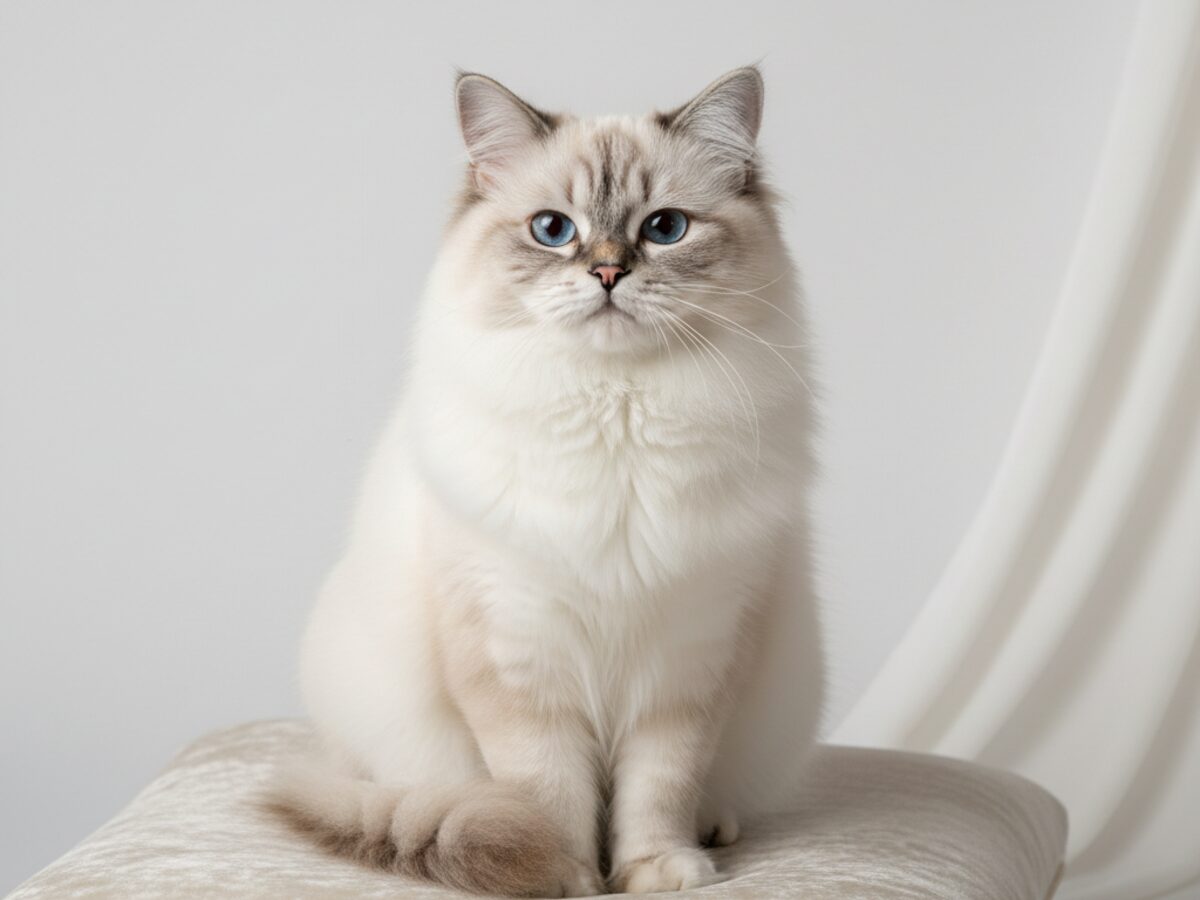
Himalayan
8.4A Persian with blue eyes and Siamese colourpoint. Super calm and homebody; needs daily brushing and a cool home.
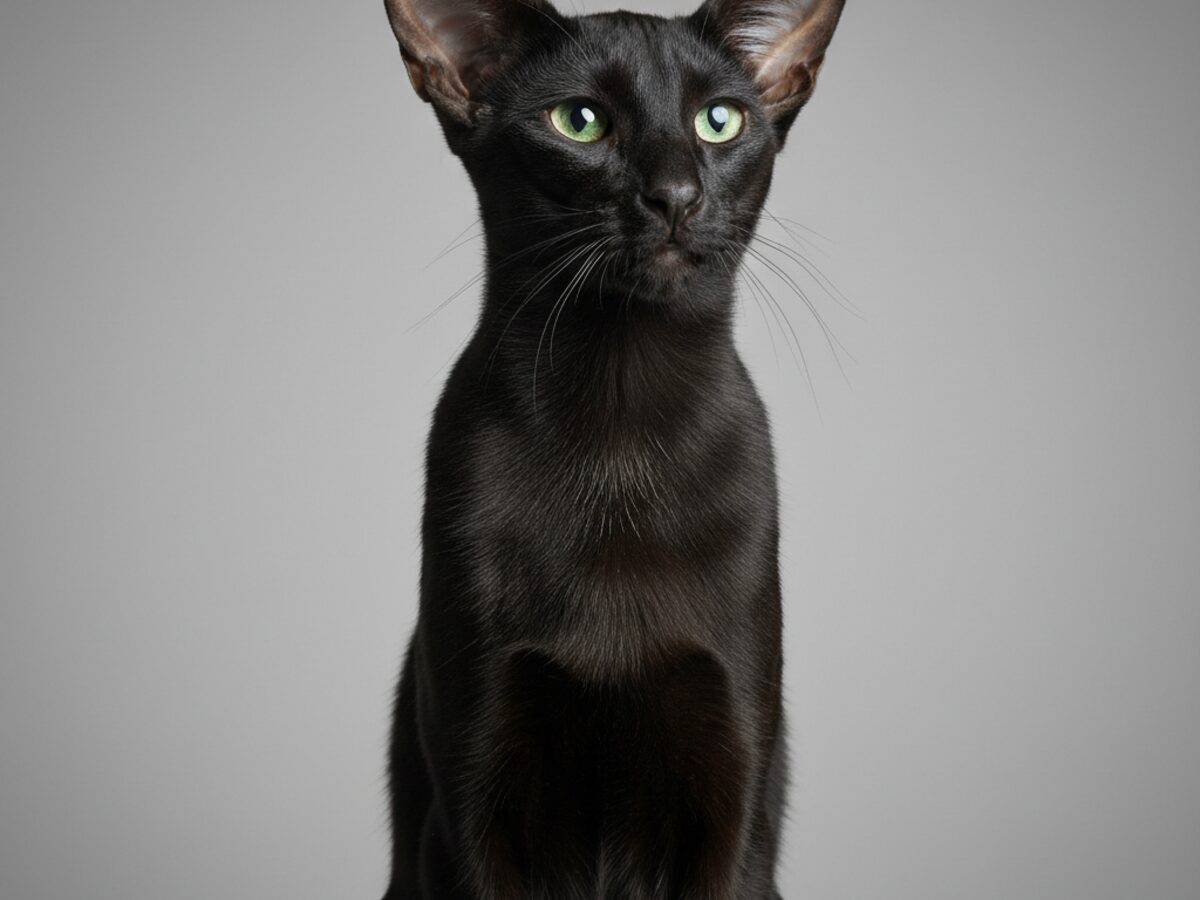
Oriental Shorthair
8.6A Siamese in 300 colors: chatty, athletic and demanding attention 24/7. Adopt in pairs if you're often out.