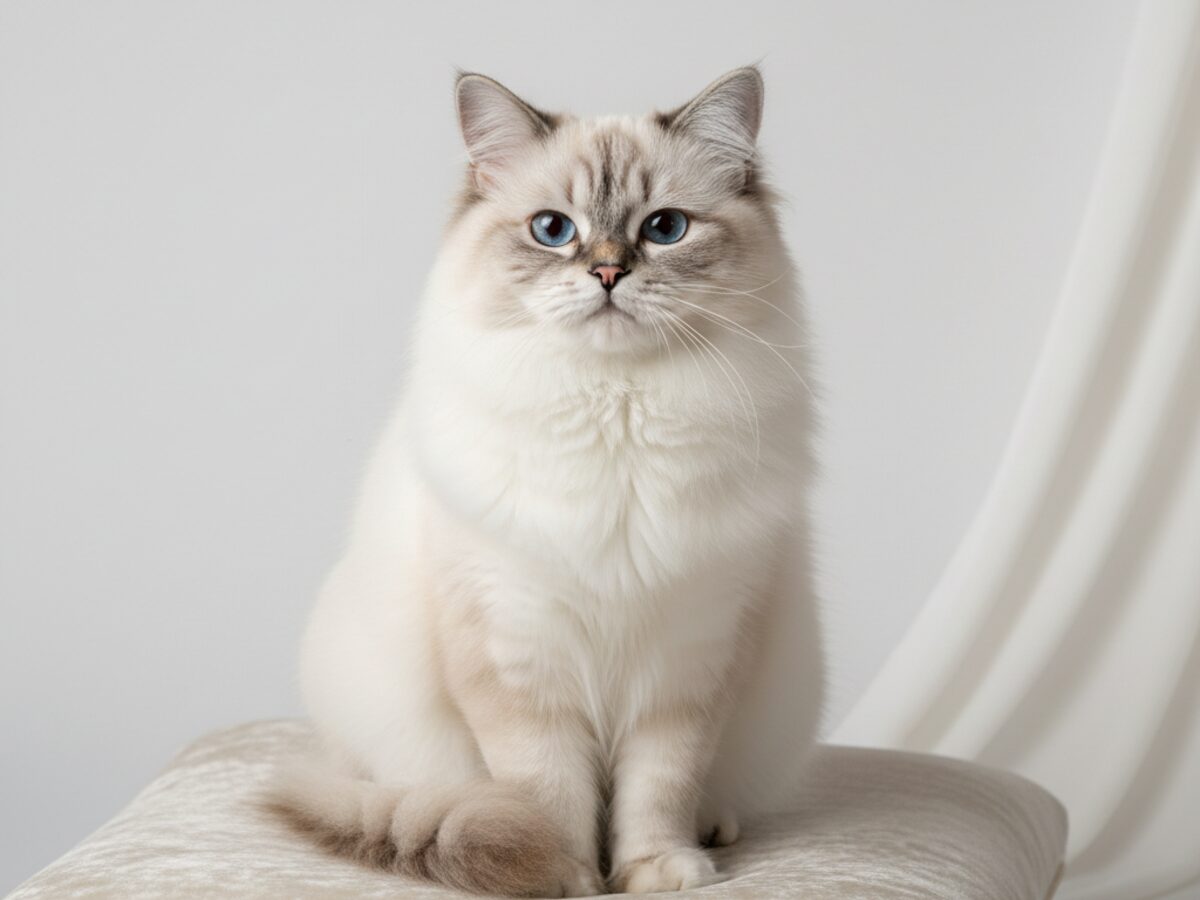
Himalayan
"The Himalayan: Persian beauty with a Siamese touch for your home!"
Overview
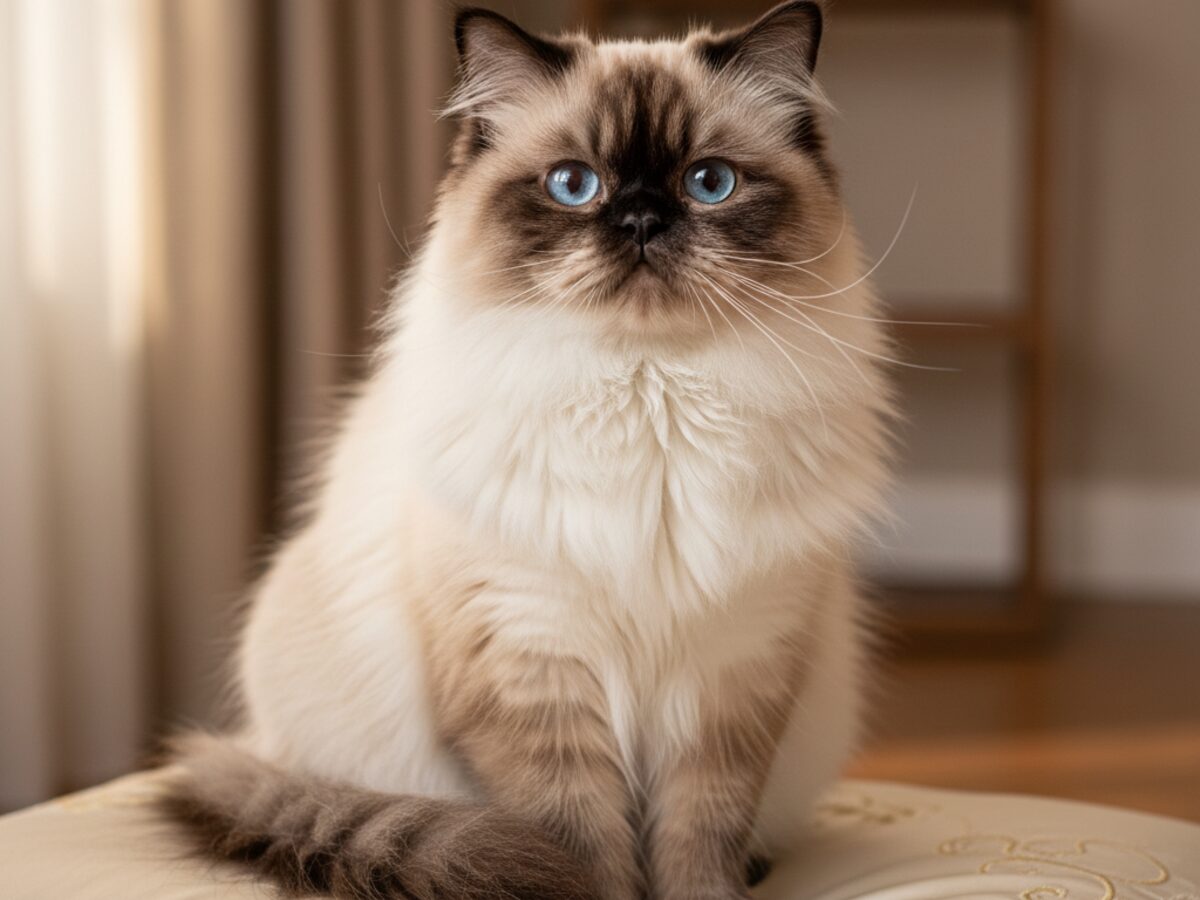
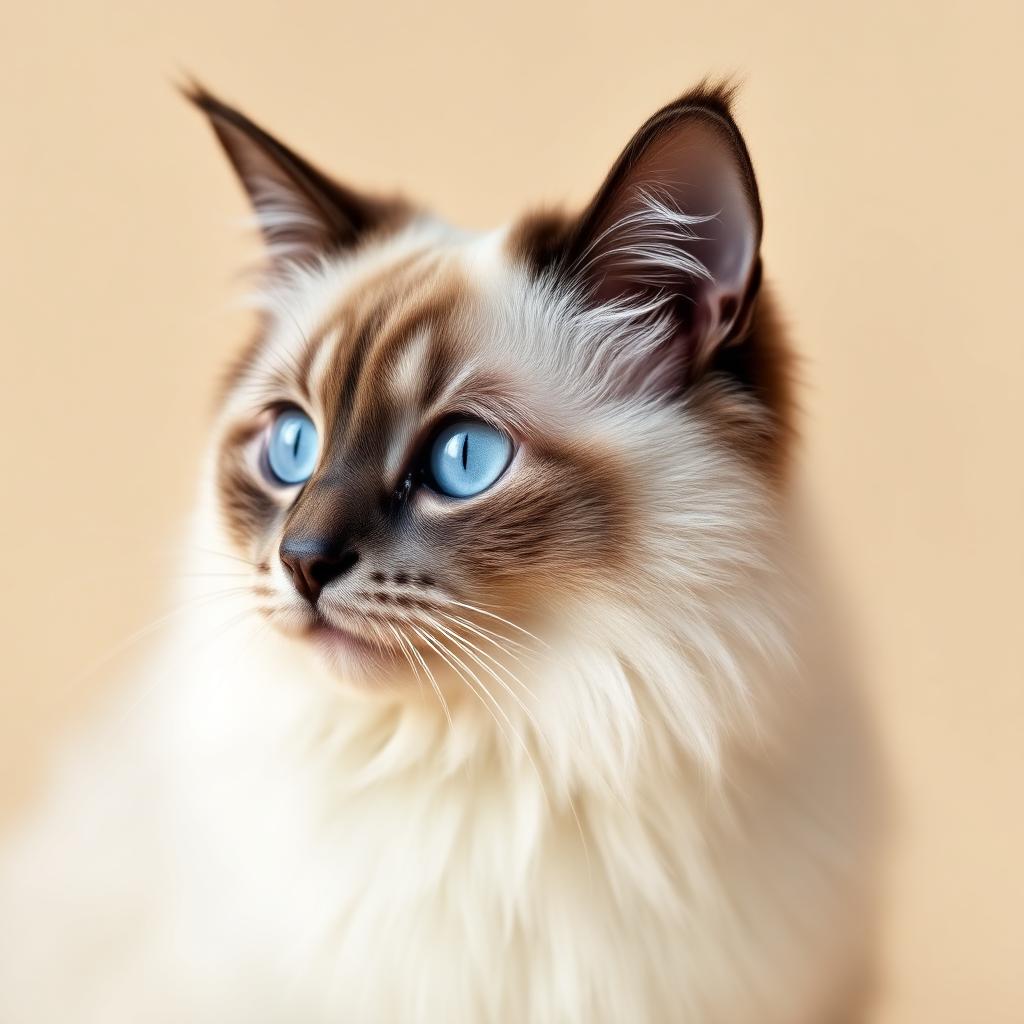
The Himalayan, with its distinctive long coat and captivating blue eyes, is one of the most majestic cat breeds a family can have. If you're considering adding a Himmie to your home, it's essential to understand its unique needs to ensure a full and happy life. Originating from crosses between the Persian and Siamese, this breed combines the best of both worlds: the sweetness and docility of the Persian with the intelligence and color points of the Siamese. Its beauty requires a commitment to daily grooming; thorough brushing not only prevents mats and tangles but also provides an ideal time to strengthen the family bond with your pet. Ensuring this care becomes a pleasant routine from an early age is key.
Regarding their temperament, the Himalayan is a calm and affectionate cat that thrives in a home environment. They are excellent companions for families with children (especially if the little ones learn to be gentle) and generally get along well with other calm pets, making them a harmonious addition. They prefer the warmth and safety of indoors, making them a perfect choice for apartment living. Don't expect an adventurous cat; their favorite activities include cuddling in your lap, watching the world from a window, or engaging in gentle interactive games with feather toys. Their "lap cat" nature means they greatly enjoy human interaction and affection.
However, the Himalayan's health is a fundamental aspect to consider. Due to their brachycephalic face, they are susceptible to respiratory problems, meaning an air-conditioned home is essential in warm climates. They also need special attention for their eyes and teeth. Choosing a responsible breeder who performs genetic testing for conditions like polycystic kidney disease (PKD) and hypertrophic cardiomyopathy (HCM) is vital to ensure a healthy cat. A high-quality diet, specific for long-haired cats, and regular veterinary visits will complement optimal care.
By bringing a Himalayan into your family, you are committing to providing a loving and predictable environment, as well as dedicating time to grooming and health. In return, you will receive years of loyal companionship, soft purrs, and the majestic presence of a cat that, while requiring attention, more than makes up for it with its serenity and unconditional affection. For families seeking a beautiful, calm, and home-loving pet, willing to invest in its well-being, the Himalayan is a fantastic choice that will enrich everyone's lives with its distinctive personality and visual charm.
Key facts
- Size
- Medium
- Weight
- 3–6 kg
- Life expectancy
- 12–15 years
- Daily exercise
- 15 min/day
- Estimated total
- 1620€/month
- Country
- USA / UK
Character & temperament
Himalayans are known for being sweet-tempered, docile, and easygoing cats, almost like the teddy bears of the feline world! They adore home life and actively seek out human companionship. They aren't the loudest or most adventurous cats, preferring a calm day at home, curled up on a warm lap or napping in a sunbeam. They are excellent for families looking for a quiet, affectionate companion.
They enjoy playing with a feather wand now and then, but their energy levels are rather moderate. They are often described as "lap cats" who are content with being pampered and cared for. They are loyal to their families and can form strong bonds with their owners. They might follow you from room to room, just to be near, offering their soft presence and soothing purrs. They are the perfect blend of beauty and sweetness!
Living with children
Himalayans are generally excellent companions for children of all ages, especially if the little ones are taught how to interact with them respectfully! They are patient and tolerant cats, which makes them suitable for families. Don't expect them to be the most playful or energetic, but they will enjoy quiet companionship and a gentle petting session, much like their famous cousin, the Persian Cat, which is the protagonist of countless memes and even appeared in 'Stuart Little'!
With babies and toddlers, Himalayans are usually very patient. It's important to supervise interactions so that little ones don't pull their long fur. For school-aged children, a Himalayan can be a wonderful reading or quiet play companion. They will enjoy the attention and cuddles, and it's rare for them to show aggression. Just make sure there's always a quiet spot where they can retreat if they need some peace!
With other pets
Himalayans generally get along **very well with other friendly or calm cats and dogs**, thanks to their serene and tolerant nature. It is crucial to conduct a gradual and supervised introduction, especially with dogs, to ensure that everyone feels comfortable and safe. A Himalayan is not usually the type of cat that seeks conflict, preferring peace and harmony in their home. However, due to their rather calm demeanor and lack of a pronounced hunting instinct, they **may not be the best choice for living with small pets like rodents, birds, or fish**, as they might view them as prey. If you already have other pets, make sure the overall environment is calm and that your Himalayan has their own safe space to relax.
Health & prevention
Like many breeds with distinctive characteristics, Himalayans can be prone to certain hereditary health conditions, many of which they share with their Persian relatives. One of the most common are respiratory problems due to their brachycephalic (flattened) face, which can cause breathing difficulties, especially in warm climates or during exercise. They can also be prone to dental and eye problems, such as epiphora (excessive tearing), which requires regular cleaning.
It is important for Himalayan owners to be attentive to any signs of breathing difficulty, frequent sneezing, or eye discharge. Regular veterinary check-ups are essential for early detection and management of these conditions. Additionally, they may have a predisposition to polycystic kidney disease (PKD) and hypertrophic cardiomyopathy (HCM), so it is vital to choose a responsible breeder who performs genetic testing. A balanced diet and a controlled indoor environment will help your Himmie live a long and healthy life, generally 10 to 15 years.
Health risks
- •Brachycephalic syndrome
- •Polycystic kidney disease
- •Dental issues
Care
Nutrition
A balanced diet is key to the health and maintenance of your Himalayan's beautiful coat. Opt for **high-quality foods specifically for long-haired cats**, which often contain omega fatty acids to promote a shiny coat and reduce hairball formation. Due to their flattened face, some Himalayans may have difficulty eating from flat bowls; a raised bowl or one designed for brachycephalic cats can make mealtime more comfortable and less messy. It is important to control portions to avoid overweight, as they are cats with moderate activity. Consult your veterinarian to establish a feeding plan appropriate to your cat's age, weight, and activity level. Always make sure they have access to fresh, clean water. A good trick to ensure they drink enough is to have a cat water fountain; many felines absolutely love running water!
Grooming & hygiene
Here's where the real commitment comes in: the Himalayan's long, dense coat requires **daily brushing** to prevent mats and tangles. It's like taking care of a movie star's hair! Without regular brushing, their fur can quickly become matted, causing discomfort and skin problems. Accustom your kitten to this routine from a young age with short, positive sessions. A pin brush and a metal comb are essential tools. In addition to brushing, it's important to **gently clean their eyes daily** with a damp cloth to remove tear stains, due to their facial structure. They will also need occasional baths, regular nail trims, and ear cleaning. If this sounds like a lot of work, consider taking your Himalayan to a professional groomer every now and then. Good care ensures your Himmie always looks impeccable and comfortable!
Exercise & training
Exercise plan
Himalayans are not feline Olympian athletes; their exercise needs are **moderate to low**. They prefer quiet activities and gentle interactive games that don't demand too much energy. A 15 to 20-minute play session with a feather wand, a laser pointer (with a treat at the end!), or rolling toys can be enough to keep them physically and mentally stimulated. They love the comfort of their home and rarely feel the need to explore the outdoors. A cat tree with several platforms and a scratching post can provide them with opportunities to stretch and keep their claws in shape. Remember, a happy Himalayan is one that feels safe, loved, and has a warm place to nap, not necessarily one that runs marathons!
Training
Himalayans, with their intelligence and desire to please, **are quite easy to train**, especially for litter box use. The key is to start early and use positive reinforcement, as any good pet parent knows with their kids! They love attention, so reward-based training (treats and praise) works wonders. You can teach them simple tricks like sitting or coming when called. Although they are not the most adventurous creatures, some Himalayans can be trained to walk on a leash in a harness, allowing them to enjoy some fresh air under supervision. However, their **main "training" will focus on the grooming routine**, so that they accept it without problems. With patience and affection, your Himmie can learn much more than you imagine, and you will enjoy an even stronger bond.
Monthly cost
The estimated annual cost for a Himalayan ranges between **€1400 and €2000**, largely depending on the frequency of professional grooming and medical needs. Most of the budget goes towards coat maintenance and their general health.
Estimate for Spain, healthy adult cat. Varies by region and provider.
Pros & cons
Pros
- ✓Extremely affectionate and sweet with family.
- ✓Calm and relaxed temperament, ideal for home.
- ✓Adapts well to indoor life and family environment.
- ✓Generally good with children and other calm pets.
- ✓Their appearance is majestic and very attractive.
Cons
- !Requires intensive daily grooming for its coat.
- !Prone to health problems such as respiratory and eye difficulties.
- !Not suitable for those looking for a very active cat.
- !Can be noisy if seeking attention or bored.
- !May suffer from separation anxiety if left alone for too long.
Ideal for
- • Families who enjoy daily pet grooming.
- • People looking for a lap cat and a very affectionate one.
- • Quiet and stable homes with a lot of love to give.
- • Owners with experience in caring for long-haired breeds.
- • Families who spend a lot of time at home.
Not recommended for
- • Families with little time for daily grooming.
- • People looking for an independent and low-maintenance cat.
- • Homes with a very active or hectic lifestyle.
- • Owners who prefer short-haired, low-maintenance cats.
- • Extremely warm climates without air conditioning.
How it fits each scenario
**Excellent:** The Himalayan is an indoor cat par excellence. It adapts perfectly to apartment living, as long as it receives enough attention and has a comfortable place to rest. Its low exercise needs make it ideal for smaller spaces.
**Good:** A Himalayan in a house with a garden, preferably fenced, can enjoy fresh air under supervision. However, its preference is the safety and comfort of indoors. It is not a cat that needs or should roam freely outdoors due to its coat and temperament.
**Challenge:** Due to their dense coat and flattened face, Himalayans are sensitive to heat and humid climates. They need constant access to air conditioning and fresh water sources. Prolonged exposure to sun or high temperatures should be avoided.
**Ideal:** Their thick coat is perfectly adapted to protect them from the cold, making them enjoy cool environments, as long as they are indoors. A Himalayan will appreciate a warm and cozy place to snuggle, but they don't mind a bit of ambient coolness.
**Requires supervision:** They are patient, but their long fur and calm nature mean that interactions with very young children should always be supervised to avoid accidental pulling or the cat feeling overwhelmed.
**Ideal:** These cats love quiet companionship. School-aged children who know how to be gentle and respectful will find in a Himalayan a loyal, tender friend and an excellent companion for quiet activities like reading or watching TV.
**Moderate challenge:** Although docile, the intense commitment to daily grooming and potential predisposition to certain health problems can be a challenge for first-time owners. Thorough research is recommended.
**Ideal:** An owner experienced with long-haired breeds or cats with specific grooming needs will find the Himalayan a joy. Its calm and affectionate nature will reward the time and effort invested in its care.
**Less ideal:** If your family has a very active lifestyle and is often out of the house, the Himalayan might feel lonely or overwhelmed by the hustle and bustle. They prefer a quieter, more predictable environment.
**Not recommended:** The daily dedication to grooming and the need for companionship make the Himalayan not the best option for families with very busy schedules who cannot dedicate the necessary time.
**Not recommended:** Himalayans, being long-haired cats that shed considerably, are not a good option for people with allergies. Their fur retains allergens, which can trigger reactions.
**Not recommended:** The cost of maintaining a Himalayan is considerable, especially due to grooming needs and potential veterinary care for their health predispositions. It is not an inexpensive breed to maintain.
Origin & history
The Himalayan is a relatively young breed, whose origin dates back to the 1930s and 1940s in the USA and UK. It was the result of a deliberate cross between the elegant Persian and the striking Siamese, with the aim of combining the beautiful long coat and sturdy build of the Persian with the distinctive color points and piercing blue eyes of the Siamese. It went through a long process of development and recognition before being officially accepted as a breed.
Interestingly, the name "Himalayan" is not due to its geographical origin, but to the similarity of its color pattern (dark points on the extremities, face, and tail) to that of Himalayan rabbits. It is a breed that was literally designed by cat lovers, as if they were creating their ideal kitty in a lab! It is now one of the most popular long-haired cat breeds in the world and continues to charm families with its beauty and temperament.
Did you know that the Himalayan is so charming that it inspired the famous Sassy from the movie 'Homeward Bound: The Incredible Journey'? Although Sassy was a Persian, her sweet voice and personality have much of the charm you might find in a Himmie. Even Snoopy, the famous beagle, had a Himalayan feline nemesis in a comic strip! These colorpoint cats are true stars.
Frequently asked questions
Is the Himalayan a good family pet?▾
Yes, the Himalayan is generally an excellent family pet due to its sweet, calm, and affectionate temperament. It loves companionship and is patient with children if they are taught to interact respectfully, although it's important to supervise interactions with very young children due to its long coat. They are happy in a quiet home environment and enjoy cuddles.
How much grooming does a Himalayan's coat require?▾
The Himalayan's coat requires fairly intensive maintenance, involving daily brushing to prevent tangles and matting. They also need regular cleaning of their eyes and occasional baths. It's a significant commitment that owners must be willing to undertake.
What are common health problems in Himalayans?▾
Himalayans can inherit some health conditions from their parent breeds, including respiratory problems due to their brachycephalic face, eye problems like excessive tearing, and kidney or heart diseases. It is crucial to choose a responsible breeder who performs genetic testing to minimize these risks.
Are Himalayans loud or vocal?▾
Himalayans are generally quiet cats. They are not as vocal as their Siamese ancestors, but they have a distinctive, melodious voice that they will use to communicate with you, especially if they are seeking attention or it's mealtime. They tend to be discreet in their meows.
Can Himalayans live outdoors?▾
No, Himalayans are strictly indoor cats. Their long fur can easily tangle and get dirty, and their flattened face makes them vulnerable to respiratory problems in extreme weather conditions. Additionally, their docile nature makes them less able to defend themselves from external dangers. It is best to keep them safe and comfortable indoors.
Do Himalayans get along with other pets?▾
Yes, Himalayans are usually quite sociable and get along well with other calm or friendly cats and dogs. Their gentle nature means they don't usually seek conflict. It is always advisable to make introductions gradually and under supervision to ensure good coexistence.
Can Himalayans learn tricks?▾
Yes, Himalayans are intelligent cats and can learn basic tricks such as coming when called, sitting, and fetching small toys. They respond well to positive reinforcement, such as treats and praise. Training is also an excellent way to strengthen the bond with your pet and provide them with mental stimulation.
Similar family-friendly breeds
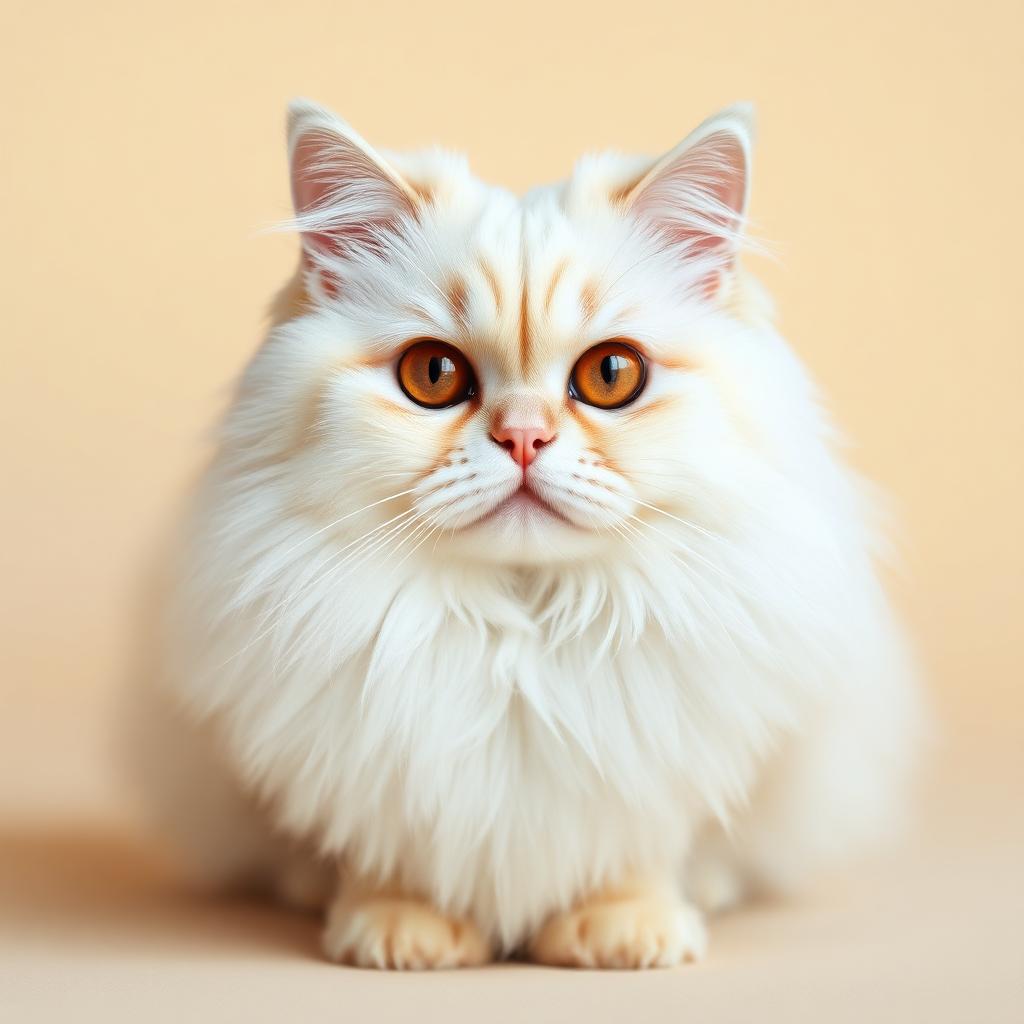
Persian
8.7A serene long-haired aristocrat: calm, homebody and very photogenic. Needs daily brushing and regular baths; flat face requires vet follow-ups.
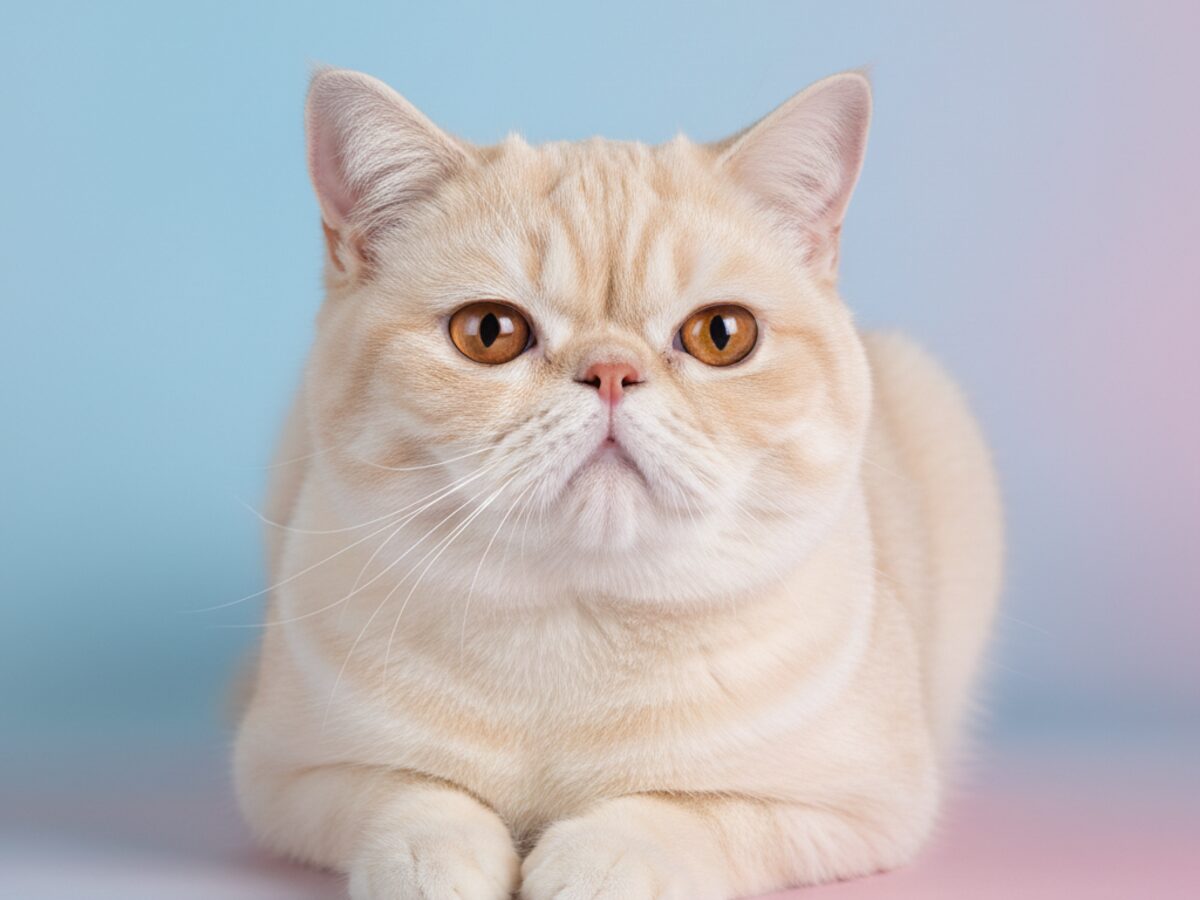
Exotic Shorthair
8.6The Persian in pajamas: same flat face, but short coat and no daily knots. Perfect for plushy cuddles without marathon brushing.
Ragdoll
9.6The name says it all: goes limp like a rag doll when picked up. Affectionate, docile and perfect for families with kids.