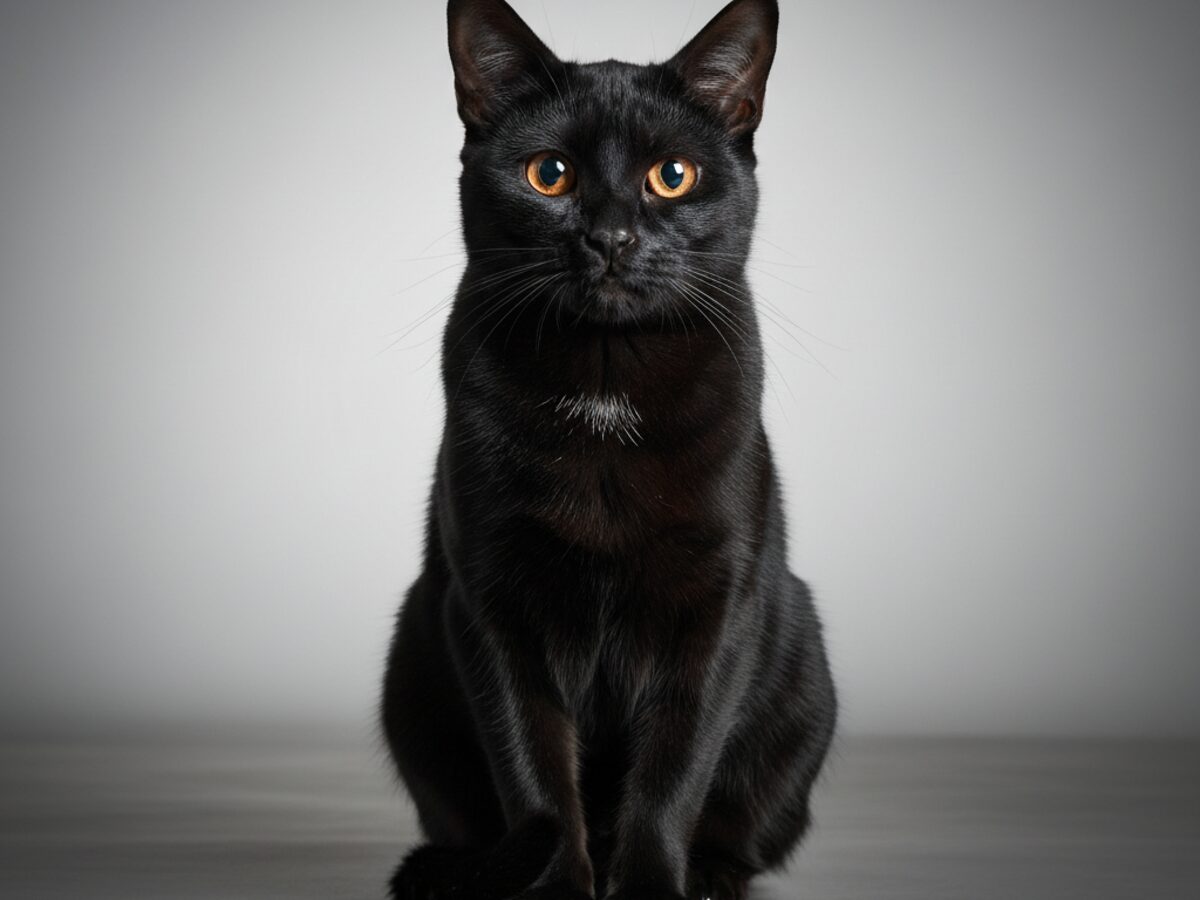
Bombay
"Your miniature black panther at home! Elegance, mystery, and endless purrs."
Overview
Discover the enigmatic and charming Bombay cat, a feline breed that resembles a miniature panther and will steal your heart. At FamiCats.com, we immerse you in the world of this unique feline, from its origins in the United States in the 1950s, when breeder Nikki Horner dreamt of a "parlor panther," to its unmatched personality that makes it the perfect companion for many families. The Bombay is celebrated for its jet-black coat, shiny, short, and silky, and its large, expressive golden or copper eyes, which give it an exotic and majestic appearance. But beyond its striking exterior, it's its character that truly captivates: they are known as "velcro cats" for their need to always be close to their humans, demonstrating deep loyalty and affection. They are sociable, playful, and intelligent, which makes them ideal for interacting with older children who know how to treat animals with respect. Unlike what their appearance might suggest, they are not solitary cats; they actively seek companionship and interaction, enjoy games with laser pointers and wand toys, and can even learn tricks with positive reinforcement. Their adaptable nature allows them to live comfortably in apartments or houses, as long as they receive the love and mental stimulation they need. Their voice is melodic and communicative, so get ready for many conversations with your little ebony friend!
At FamiCats.com, we also address the key aspects of Bombay care. We discuss the importance of a balanced diet rich in protein to maintain their health and the luster of their coat, and how a weekly brushing is sufficient to keep it impeccable, making maintenance easy for busy families. Health is fundamental: we inform you about the risk of Hypertrophic Cardiomyopathy (HCM), a condition inherited from their Burmese ancestors, and the need for regular veterinary check-ups to ensure a long life, which can extend between 15 and 20 years. We also give you tips on how to introduce the Bombay to other pets, as their tolerant and friendly nature usually allows for harmonious coexistence with dogs and other cats. Explore our FAQ section to resolve all your doubts about whether the Bombay is the right cat for your home, from its need for constant attention (they are not a good choice for families who spend a lot of time away) to its compatibility with different types of climates and lifestyles.
Finally, we encourage you to consider the Bombay as a loving and entertaining addition to your family. Its mini-panther appearance and affectionate personality make it unforgettable. Although they are not hypoallergenic and require constant attention, the joy and affection they bring to a home are immense. Discover why so many are fascinated with this breed that, although not as common as others, offers a unique experience of feline companionship. With FamiCats.com, you have all the information you need to give your Bombay a full and happy life. Get ready to be the devoted follower of your own sofa panther!
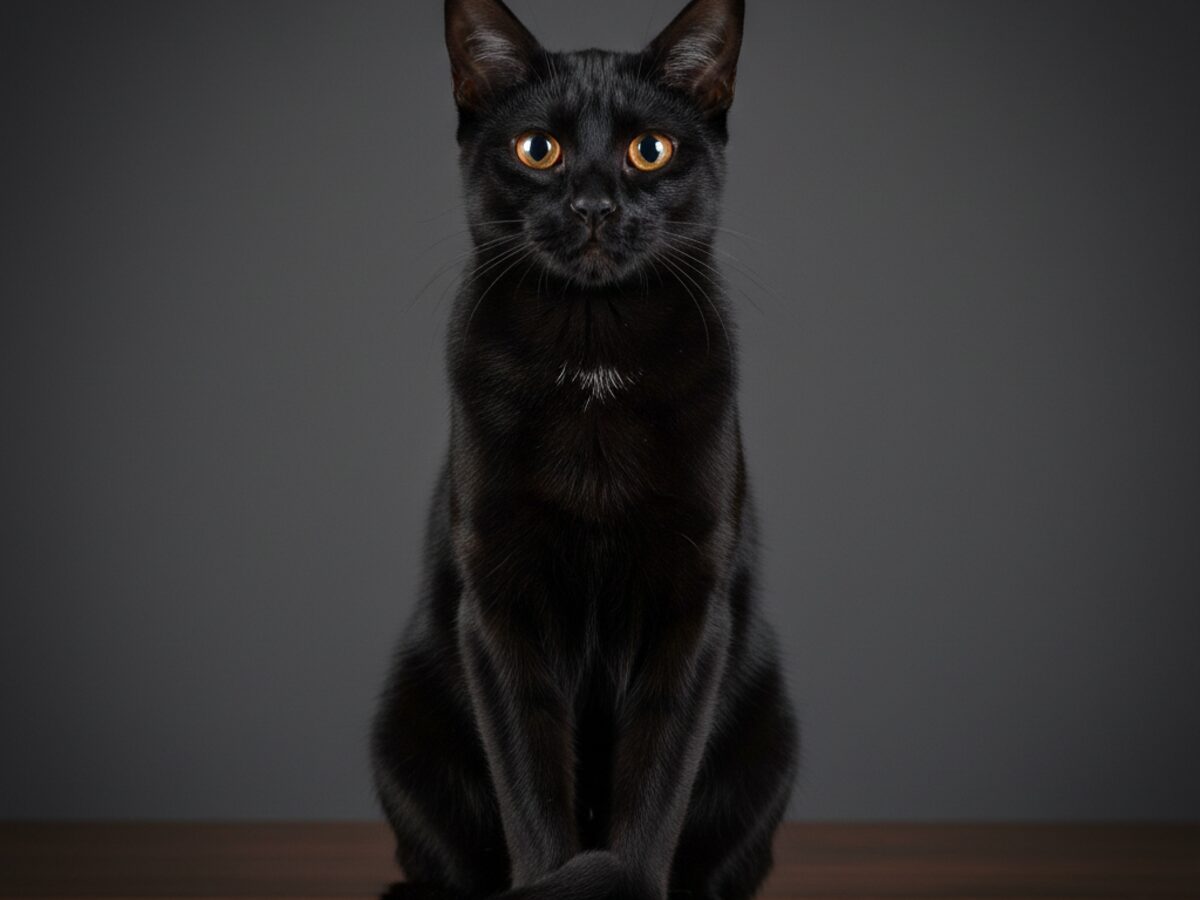
Key facts
- Size
- Medium
- Weight
- 3–5 kg
- Life expectancy
- 12–16 years
- Daily exercise
- 30 min/day
- Estimated total
- 95€/month
- Country
- United States
Character & temperament
Bombays are known for their affectionate and sociable nature. They are true "velcro cats" who adore being close to their humans, following you from room to room and cuddling on your lap as soon as you sit down. They are not just pets but active and participatory family members who enjoy interaction. Their intelligence makes them very curious and exploratory; they love investigating every corner of the house and enjoy interactive toys that challenge their minds. They also have a playful side that lasts a lifetime, making them fantastic companions for children who know how to play respectfully. They can be quite chatty in their own way, using a variety of meows and purrs to communicate with you. They expect to be the center of attention and demonstrate it with their feline charm! These cats are exceptionally adaptable and adjust well to different living environments, as long as they receive enough attention and affection. They are patient and tolerant, making them ideal pets for active households. Unlike some cats, Bombays are not usually shy with strangers; in fact, they are often quite friendly and sociable even with visitors. Their loyalty is unwavering, and they will form a deep bond with their family. They are generally quite calm cats but always ready for a spontaneous play session. If you're looking for a cat that will give you unconditional love and make you laugh with their antics, the Bombay is an excellent choice.
Living with children
Bombays and children are often a fantastic combination! These cats are known for their patient and tolerant nature, making them ideal for households with school-aged children (from 6-7 years old and up) who have already learned to interact with animals gently and respectfully. They love to play, and a good game of chasing a laser pointer or a feather wand will provide exercise and fun for both of them. They are robust enough to withstand occasional more energetic play, but always supervise interactions to ensure both the cat and children are comfortable and safe. They often form strong bonds with children, becoming loyal friends and adventure companions.
With other pets
Due to their **sociable and adaptable** nature, Bombays usually get along well with other pets, including other cats and friendly dogs, provided that introductions are made gradually and properly. Early socialization is key to ensuring their good behavior in a multi-pet household. They don't have a reputation for being aggressive or territorial. In fact, they often enjoy the company of other animals and may even play with them. Always make sure that the other animal also has a friendly disposition and that each pet is given their own personal space, food bowls, and litter boxes to avoid any unnecessary stress. A Bombay can become best friends with a calm dog, sharing a bed and enjoying mutual companionship.
Health & prevention
Bombays are generally a healthy and robust breed, with a life expectancy typically ranging from 15 to 20 years. However, like all breeds, they can be prone to certain genetic or inherited conditions from their ancestral breeds, the Burmese and American Shorthair. It's important to pay attention to Hypertrophic Cardiomyopathy (HCM), a heart disease that causes thickening of the heart muscle and is relatively common in the Burmese line. Another potential, though less frequent, issue is Hip Dysplasia, which can lead to mobility problems. Responsible breeders should conduct genetic tests on their breeding cats to minimize the risk of transmitting these diseases. A symptom to watch out for can be difficulty breathing or unusual lethargy. In addition to genetic problems, Bombays can be prone to dental issues like gingivitis if not provided with good oral hygiene. Regular veterinary check-ups are essential, at least once a year, to detect any health problems early. Make sure your veterinarian is aware of the breed's specificities and discuss a prevention plan, including up-to-date vaccinations and deworming. A balanced diet, regular exercise, and a stress-free environment are also fundamental to keeping your Bombay happy and healthy. Your veterinarian will give you the best personalized advice for your little panther!
Health risks
- •Mild brachycephalic syndrome
- •Hypertrophic cardiomyopathy
Care
Nutrition
High-quality nutrition is vital for the Bombay. Be sure to offer them cat food rich in protein and low in carbohydrates, suitable for active cats with such a glossy coat. Consult your vet for the most appropriate amount and type of food based on their age, weight, and activity level. A well-fed Bombay will have an even more spectacular coat!
Grooming & hygiene
The Bombay has a short, tight, and glossy coat that requires relatively low maintenance, one of the great advantages of this breed! A weekly brushing with a rubber glove or a soft brush is enough to remove loose hair and distribute the natural oils in their skin, helping to maintain that characteristic silky sheen. During shedding seasons, you can increase the frequency to twice a week. This brushing is not only good for their coat but also a fantastic opportunity to bond with your cat. In addition to brushing, it's important to pay attention to their nail hygiene. It's recommended to trim them every 2-4 weeks to prevent them from snagging or growing too long. Also, check their ears regularly for dirt or signs of infection and clean them gently if necessary with a cat-specific product. Their dental hygiene is crucial: try to brush their teeth several times a week or provide dental toys and treats to help prevent issues like gingivitis. A well-groomed Bombay is a happy and radiant cat.
Exercise & training
Exercise plan
Although the Bombay is sociable and somewhat calm, don't underestimate their need for play and exercise. They are intelligent and curious cats who enjoy interactive play sessions. Dedicate at least 30 minutes a day to playing with a wand toy, a laser pointer (always ending with a tangible reward to avoid frustration), or toys that encourage chasing and stalking. They also appreciate tall scratching posts and cat trees from which they can observe their kingdom. Keeping their mind and body active is key for a happy Bombay!
Training
Bombays are **intelligent and eager-to-please cats**, which makes them relatively easy to train. They respond well to positive reinforcement, such as treats and praise. You can teach them basic tricks like sitting or coming when called. Some even enjoy fetching. Start training sessions when they are kittens for the best results, and always be patient and consistent. Don't be surprised if your Bombay learns to open doors or cupboards!
Monthly cost
Monthly costs are an estimate and can vary significantly depending on the food brand, type of veterinary care (preventive only or including treatments), need for occasional grooming (though minimal in this breed), and other miscellaneous expenses like toys, scratching posts, or litter. The initial costs of acquiring a Bombay kitten from a reputable breeder can range from 800 to 1500 euros, not including initial equipment.
Estimate for Spain, healthy adult cat. Varies by region and provider.
Pros & cons
Pros
- ✓Extremely affectionate and loyal
- ✓Sociable and gets along well with children and other pets
- ✓Intelligent and easy to train
- ✓Low-maintenance coat
- ✓Beautiful miniature panther appearance
- ✓Sweet and communicative voice
Cons
- !Can suffer from separation anxiety if left alone too long
- !Need for constant attention
- !Vocalize to communicate their needs
- !Prone to heart problems like HCM
Ideal for
- • Active families with time for play
- • People looking for a very affectionate and companionable cat
- • Households with older children and other friendly pets
- • Owners who enjoy cat training
- • Lovers of breeds with easy-care coats
Not recommended for
- • People who are away from home most of the day
- • Households looking for an independent and solitary cat
- • Those who prefer a less vocal cat
- • Owners with a very tight budget for veterinary care
How it fits each scenario
Excellent. Its size and adaptable nature make it perfect for apartment living, as long as it receives enough interaction and play.
Very good. It will enjoy the extra space and, if the garden is secure, supervised explorations, but human companionship is always a priority.
Acceptable. Its short coat is an advantage, but it needs access to cool places and shade. They must be protected from excessive heat.
Needs protection. Its short coat does not offer much protection against the cold, so it must live indoors and have warm areas to snuggle in.
Observation required. Bombays are patient, but toddlers (under 5-6 years old) can be unpredictable. Strict supervision is essential to teach both how to interact safely.
Excellent. Their playful and tolerant nature makes them perfect for school-aged children who know how to treat animals with respect.
Good. They are affectionate and adaptable, but their need for attention might be a challenge for some first-timers. They require commitment.
Excellent. An experienced owner will appreciate their unique personality and know how to meet their needs for affection and play.
Excellent. They will integrate perfectly into an active family that enjoys playing and dedicating time to interacting with their pet.
Not ideal. Their strong need for companionship and attention makes them unsuitable for families who are away most of the day, as they may develop separation anxiety.
Bad. Bombays produce allergens like any other cat and are not considered hypoallergenic. They are not recommended for people with severe allergies.
Acceptable. While coat maintenance is low, initial costs and potential health concerns (HCM) mean a budget for veterinary care is needed.
Origin & history
The Bombay is a relatively modern breed, conceived in the 1950s in Kentucky, United States, by breeder Nikki Horner. Her goal was to create a domestic cat that resembled a miniature black panther, with the distinctive jet-black coat of such a deep color that the pigment reaches the root of every hair, and striking golden or copper eyes. To achieve this particular look, Horner crossed sable (dark brown) Burmese cats with black American Shorthairs. This meticulous breeding program took several generations to stabilize the desired traits and achieve the uniformity we know today in the breed. It's a fascinating story of how a breeder's vision brought to life one of the most distinctive and elegant breeds in the feline world, combining the robustness of the American Shorthair with the docile personality and sheen of the Burmese. Although the creation of the Bombay began in the 1950s, it wasn't until 1970 that the breed was officially recognized by the Cat Fanciers' Association (CFA). Years later, other associations like The International Cat Association (TICA) also accepted it. The name "Bombay" was chosen by Horner in honor of the port city in India, known for its black panthers, evoking the exotic and wild image she wanted for her new breed. It's important to note that there are two types of Bombay: American and British. The American, which is the most common and the one we are discussing, descends from Burmese and American Shorthair crosses, while the British Bombay was developed later from Burmese and British Shorthair crosses, which can lead to slight differences in bone structure, although both share the same glossy black coat and copper eyes. This small feline is, undoubtedly, a testament to the dedication of its creators and a gift to those seeking a pet with a unique aura.
The Bombay is easily recognizable by its **beautiful jet-black coat** that is so glossy it's often described as "patent leather"! This feature is so distinctive that the Bombay's black color is said to be deeper than that of any other cat breed, a true elegant evening coat. Thinking of it is like imagining the feline version of Marvel's Black Panther, a sleek, majestic, yet super affectionate warrior!
Frequently asked questions
Is the Bombay an indoor cat or can it go outdoors?▾
The Bombay is primarily an indoor cat. Its short coat does not offer much protection against harsh weather, and its sociable nature means it is happier and safer indoors with its family. If it has access to a secure and controlled outdoor space (like a "catio" or supervised leash walks), it will enjoy it, but always under supervision.
How much does a Bombay meow?▾
Bombays are known to be **vocal cats**, but their voice is generally sweeter and more melodious than that of their Siamese cousins. They like to 'talk' to their owners and will meow to express their desires for food, attention, or play. You might be surprised by the variety of sounds they can make to communicate with you.
Do they need a lot of attention?▾
Absolutely! Bombays are extremely **people-oriented** and crave the companionship of their families. They are not cats that will be content to be left alone for long periods. They thrive on interaction, play, and petting. If your family has a very busy lifestyle and you are rarely home, a Bombay might not be the best choice, as they can develop separation anxiety and destructive behaviors if they feel neglected.
Can they live with other animals, such as dogs?▾
Yes, most Bombays are quite **tolerant and friendly** with other pets, including dogs, as long as the other animal is calm and introductions are made properly. Their adaptable and sociable nature allows them to integrate well into multi-pet households. Early socialization helps a lot.
Is the Bombay suitable for first-time owners?▾
A Bombay can be an excellent choice for first-time owners who are prepared for their need for attention and affection. They are intelligent and easy to care for in terms of coat, but they require a significant commitment of time and dedication to feel secure and loved. If you are willing to invest that time, they will reward you richly.
Is a Bombay a good lap cat?▾
Yes, absolutely! Bombays are famous for being what we call "velcro cats" or quintessential "lap cats". They love to cuddle, sit on your lap, sleep with you, and generally be in physical contact as close as possible to their humans. If you're looking for a constant companion for your relaxation moments, the Bombay is perfect.
Is the Bombay a rare breed?▾
Compared to more popular breeds like the Persian or Siamese, the Bombay is not as common. While recognized by major cat associations, its numbers are smaller, which can make it a bit harder to find breeders and lead to a higher kitten price. Its exclusivity adds to its mysticism.
Similar family-friendly breeds
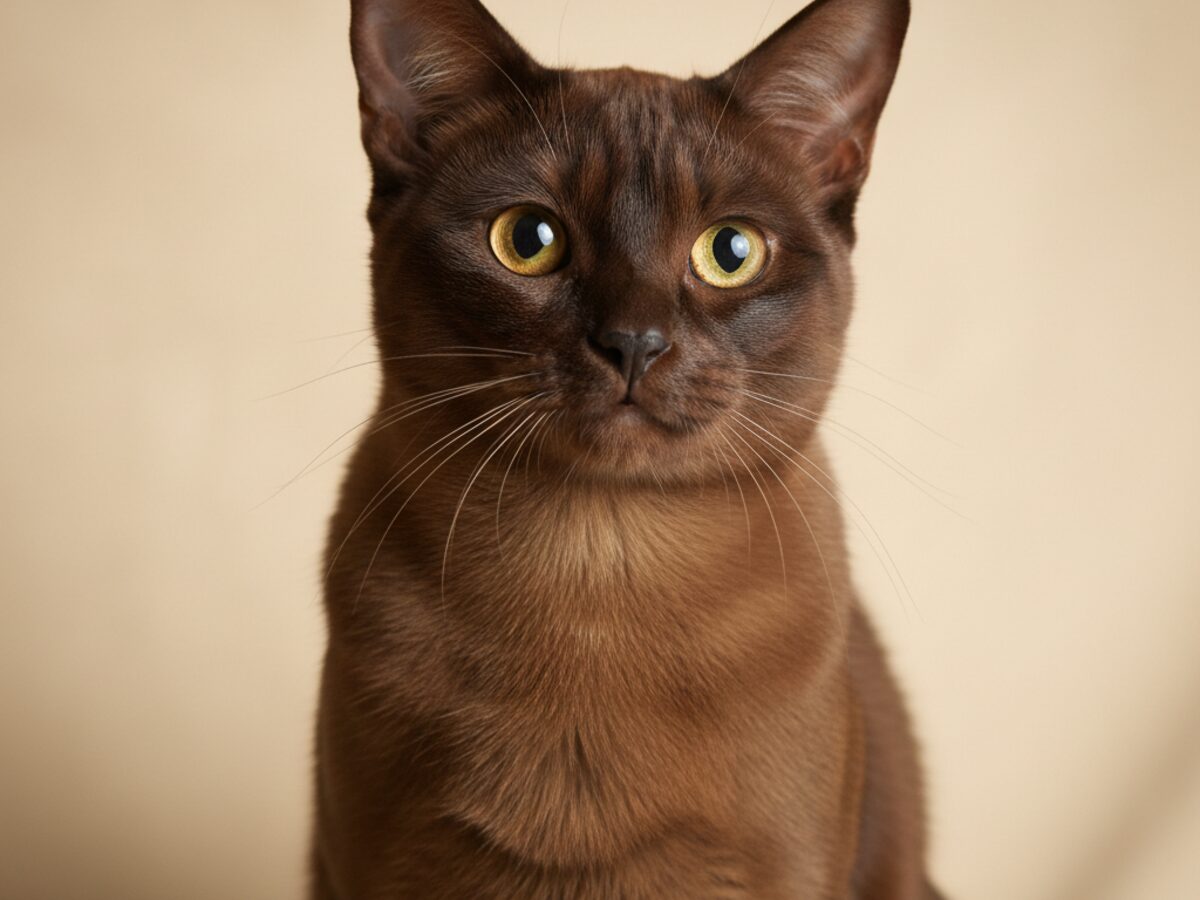
Burmese
8.8A small affectionate tank: heavier than it looks, playful into old age and always looking for a lap to land on.

Siamese
9.0Chatty, brilliant and very people-demanding. If you work long hours, adopt one in pairs.
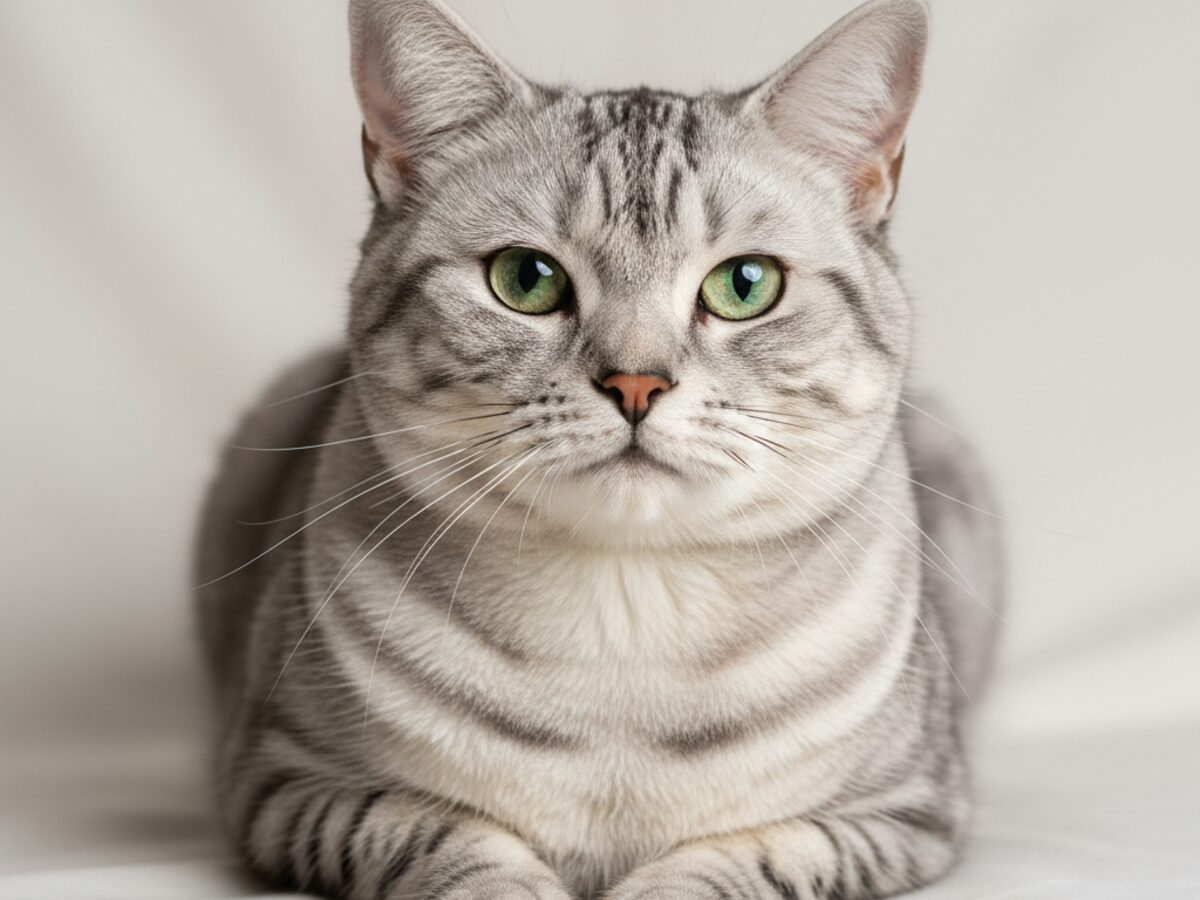
American Shorthair
9.0Healthy, long-lived and well-balanced. America's all-rounder: great with kids, other pets and almost any home.