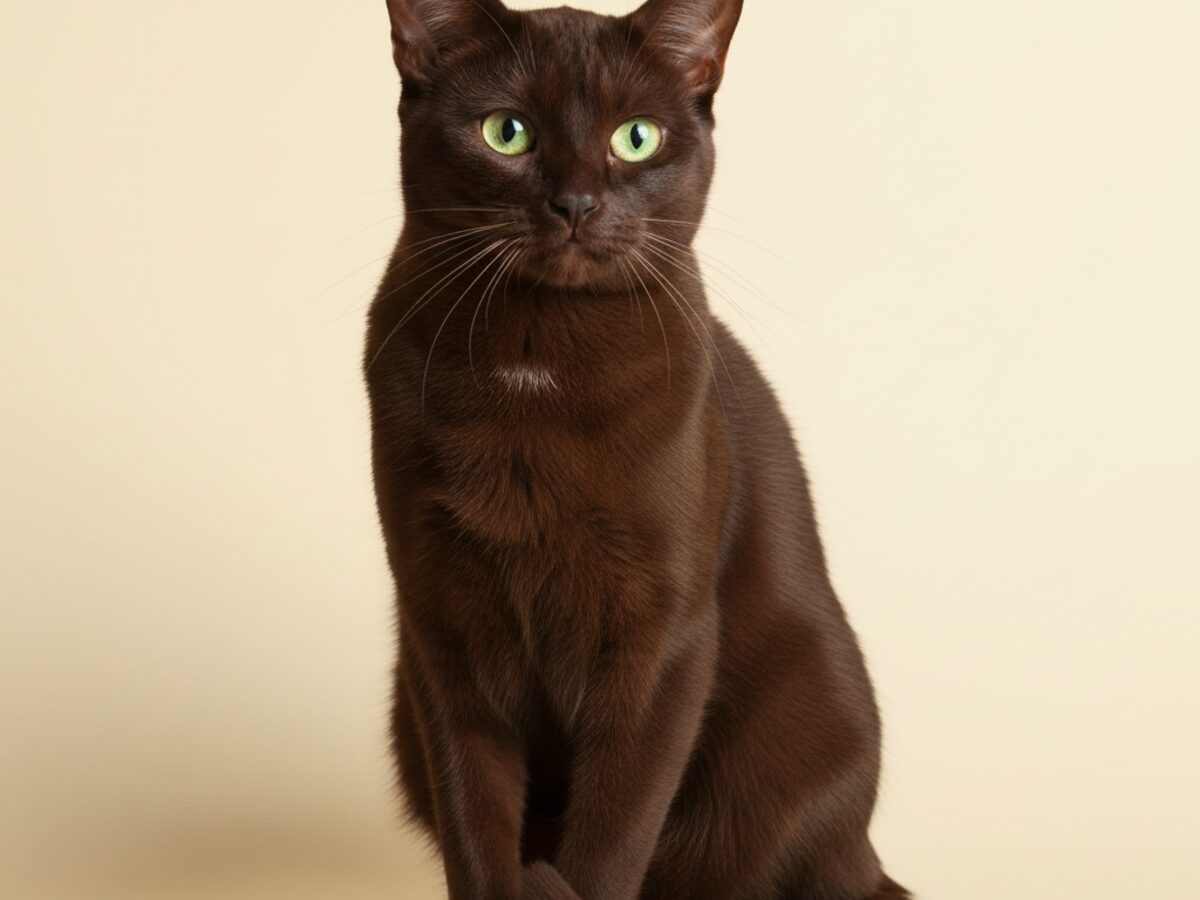
Havana Brown
"The Havana Brown: Chocolate elegance that melts hearts!"
Overview
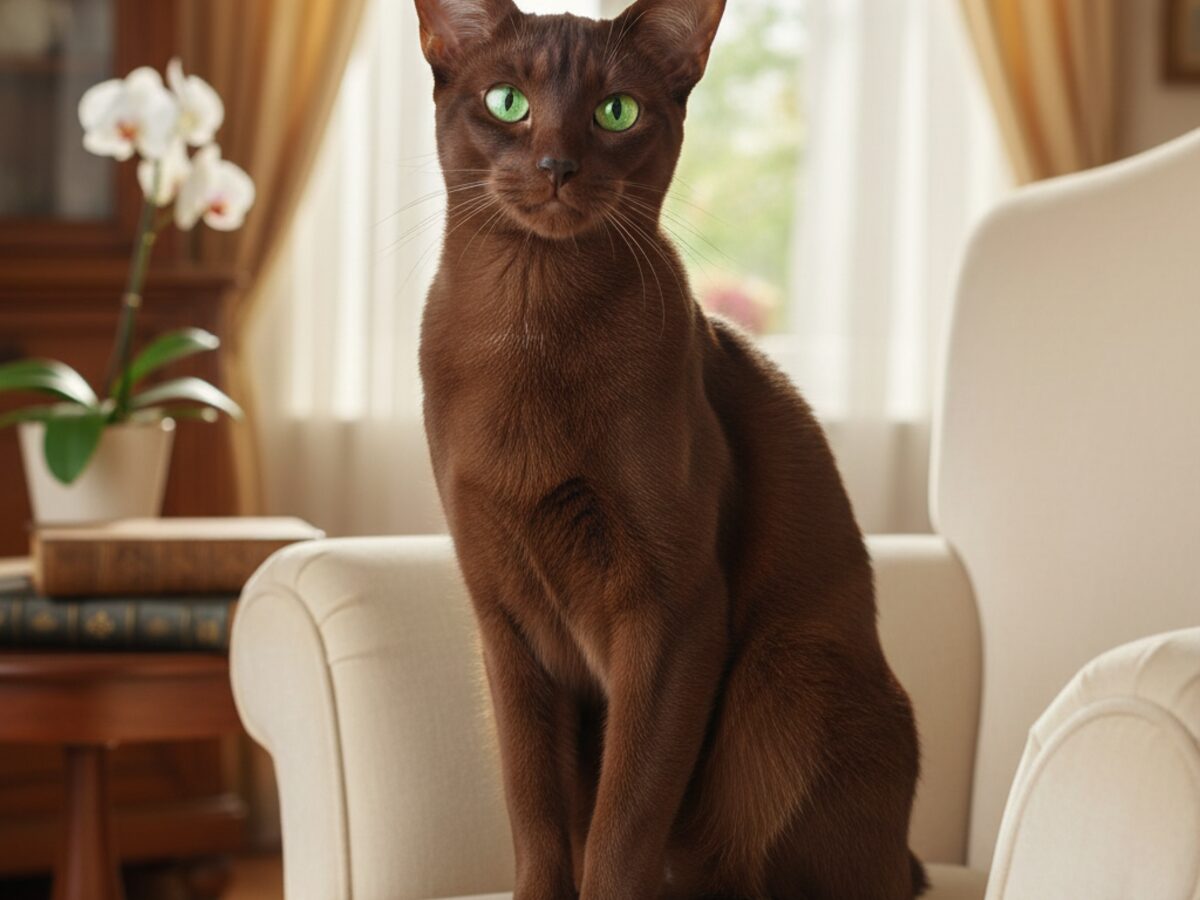
Discover the Havana Brown, a feline delicacy with chocolate-colored fur and emerald eyes. This breed, often described as the "sweetest Siamese," is ideal for families looking for an affectionate, intelligent, and exceptionally sociable companion. At FamiCats.com, we offer you a complete guide to this adorable cat. Its origin in the United Kingdom in the 20th century through selective crosses, seeking a solid brown cat, gives it a fascinating history. Havana Browns are known for their affectionate temperament, their ability to "talk" with their owners through soft meows, and their curious habit of using their paws like hands to explore the world. They are the perfect choice for homes with children (especially school-aged) and other friendly pets, given their patience and desire for interaction. Explore their personality, their care needs, and how this cat can enrich your family life. If you're looking for a cat that follows you around the house, snuggles on your lap, and actively participates in family life, the Havana Brown is your ideal match.
The Havana Brown's health is generally robust, with a life expectancy of 10 to 15 years. However, like any breed, they have some specific considerations, such as rare familial hypokalemia. The choice of a responsible breeder who performs genetic testing is vital, and annual veterinary visits are essential for their well-being. Nutritionally, they require a high-quality, protein-rich diet, divided into two daily meals to prevent overweight. Constant fresh water is crucial. As for grooming, their beautiful short coat only needs weekly brushing, making them a low-maintenance cat. Dental hygiene and regular nail trimming are also part of their care routine, which many Havana Browns love as a bonding moment. At FamiCats.com, we provide you with all the details so that your Havana Brown can live a full and happy life.
For exercise, the Havana Brown is content with daily indoor play sessions. Interactive toys, wands, and climbing towers keep them mentally and physically stimulated. They are intelligent and easily trained with positive reinforcement, able to learn tricks and to use a harness for supervised walks. They are cats that thrive on companionship and are not suitable for environments where they are left alone for long periods. If your family is active, enjoys interacting with their pets, and can offer a loving and stimulating environment, the Havana Brown will be an amazing member of your home. While not hypoallergenic, their low shedding is a plus. Consider the estimated monthly costs to ensure you can provide them with the best quality of life. With FamiCats.com, you'll be well prepared to welcome this charming chocolate breed into your life.
Key facts
- Size
- Medium
- Weight
- 3–5 kg
- Life expectancy
- 12–15 years
- Daily exercise
- 30 min/day
- Estimated total
- 110€/month
- Country
- United Kingdom
Character & temperament
The Havana Brown is a true gem for families, fusing the elegance of its appearance with a heart of gold. They are incredibly affectionate and sociable, meaning they are not cats to be left alone for long periods. They thoroughly enjoy human companionship and are often described as "lap cats" who love to snuggle and be pampered. Don't be surprised if your Havana Brown follows you from room to room, supervising your daily activities with curiosity and affection. They are known for being quite talkative, not with loud, persistent meows like the Siamese, but with a melodic and "conversational" purr that will make you feel like they are truly speaking to you. They will make sounds to greet you, to ask for food, or simply to express their happiness.
In addition to being affectionate, Havana Browns are intelligent and curious. They love to explore their surroundings and are masters at problem-solving (especially if a toy or treat is involved!). They enjoy interactive toys and puzzles, which keeps them mentally stimulated. A unique characteristic is their habit of using their paws to examine objects; you'll see them "grasping" things with their front paws, as if they were little hands. This, combined with their playful nature and charm, makes them fascinating and entertaining companions for any home that can offer them the attention and love they truly crave.
Living with children
Absolutely! Havana Browns are known for their excellent temperament with children, making them a fantastic choice for family homes. They are patient, tolerant, and enjoy interaction, making them ideal for gentle play with school-aged children (6 years and older). Havana Browns love interactive play, so teaching children to use wand toys or laser pointers will be a great way to bond. It's always important to supervise interactions, especially with very young children, to ensure the cat is treated with respect and affection. Encourage children to participate in care, such as gentle brushing of the coat, to foster a positive bond.
With other pets
Havana Browns generally get along very well with other pets, including other cats and **cat-friendly dogs**, thanks to their **sociable and adaptable** nature. If introduced correctly and given time to adjust, they usually establish harmonious relationships. They are less prone to being territorial or aggressive than some other breeds. However, it is vital to remember that each animal is an individual; a gradual and supervised introduction is key to ensuring compatibility. Make sure other pets also have a calm and respectful temperament to avoid unnecessary stress on your new Havana friend.
Health & prevention
In general, the Havana Brown is a robust and healthy cat breed, with a life expectancy typically ranging from 10 to 15 years, and even longer with proper care. However, like all breeds, they can be susceptible to certain genetic conditions or common health problems that affect cats. One specific concern for the breed (though rare) is familial hypokalemia, which is a hereditary condition causing muscle weakness due to low potassium levels in the blood. It is crucial to choose a reputable breeder who performs genetic testing on their breeding cats to minimize the risk of this and other hereditary diseases. Make sure to ask to see the parents' health certificates.
To keep your Havana Brown in optimal health, annual veterinary check-ups are essential. During these visits, the veterinarian can perform complete physical examinations, update vaccinations, and deworm if necessary. It is important to be attentive to any changes in your cat's behavior, appetite, or activity level, as these can be early indicators of health problems. A balanced diet, regular exercise, and a stress-free environment will also significantly contribute to their overall well-being. As indoor cats, they are less exposed to external parasites and infectious diseases, which is already a good point in favor of their health.
Health risks
- •Urinary stones
Care
Nutrition
Nutrition is key to your Havana Brown's health. Opt for high-quality, protein-rich cat food specific to their age (kitten, adult, senior). Since they are very social, it's recommended to divide meals into two daily servings and avoid leaving the bowl full all day, which can contribute to overweight. And don't forget fresh water! It's essential that they always have access to it, preferably in several spots around the house or even with a cat water fountain, as this encourages them to drink more.
Grooming & hygiene
Grooming your Havana Brown's coat is a very simple and pleasant task! Their short, silky fur requires **weekly brushing** to remove loose hair and maintain its spectacular shine. Many Havana Browns love this attention and will see it as a pampering session and a bonding moment with you. They don't need frequent baths, unless they get very dirty, and when they do, use a cat-specific shampoo. In addition to brushing, it's important to pay attention to dental hygiene: **regular teeth brushing** (several times a week) with cat toothpaste helps prevent periodontal disease. Also check and clean their ears weekly with a product recommended by your vet, and **trim their nails every 2-4 weeks** to prevent them from snagging or growing too long.
Exercise & training
Exercise plan
Havana Browns are active and playful cats, but their exercise needs are easily met with several daily play sessions indoors. They love interactive toys, feather wands, laser pointers, and food puzzles. Climbing and exploring are also activities they greatly enjoy. Dedicate at least **30 minutes a day** to interactive games, divided into several short sessions, to keep them mentally and physically stimulated. A good climbing tower or cat-friendly shelves will be a hit in your home.
Training
Training a Havana Brown is a delight! They are **intelligent and eager to please** cats, which makes them quite receptive to positive reinforcement training. You can teach them simple tricks like sitting, coming when called, and even fetching small objects. The key is to use **treats and praise**, keeping sessions short, fun, and consistent. Thanks to their intelligence, they are also very easy to litter train and adapt to household routines without problems.
Monthly cost
These monthly costs are estimates and can vary considerably depending on product quality, the cat's individual health, and geographical location.
Estimate for Spain, healthy adult cat. Varies by region and provider.
Pros & cons
Pros
- ✓Extremely loving and affectionate
- ✓Excellent with children and other pets
- ✓Very social and vocal (not noisy)
- ✓Intelligent and easy to train
- ✓Low-maintenance coat
- ✓Adaptable to different environments
Cons
- !Requires a lot of human attention
- !Does not tolerate loneliness well
- !Can be prone to dental problems
- !Needs constant mental stimulation
Ideal for
- • Active families with older children
- • People seeking a social and affectionate companion
- • First-time and experienced owners
- • Homes with other friendly pets
- • Cat lovers who enjoy "conversing"
Not recommended for
- • People who spend a lot of time away from home
- • Those who prefer independent, non-interactive cats
- • Homes that cannot provide mental stimulation
How it fits each scenario
Excellent. Adapts very well to apartment living, as long as it receives enough daily attention and stimulation. They are indoor cats par excellence.
Good. Will enjoy a secure garden or catio, but should be supervised or kept indoors for their safety, as they are not street cats.
Good. Their short coat helps them tolerate warm climates, but they always need access to shade, fresh water, and a cool spot indoors.
Needs protection. Their short coat doesn't offer much protection against cold, making them ideal indoor cats in cold climates.
With supervision. Their patience is high, but interactions should always be supervised to ensure the cat is not overwhelmed by very young children.
Excellent. They are fantastic playmates and enjoy interaction and gentle games with children who understand how to interact with a cat.
Excellent. Their friendly and low-maintenance nature makes them a very good choice for first-time owners.
Excellent. An experienced owner will appreciate their unique personality and know how to provide them with the enrichment they need.
Excellent. They adapt well to active families who can include them in their activities and games, enjoying companionship.
Not ideal. Not the best option for extremely busy families who cannot dedicate daily time and attention, as they suffer from loneliness.
No. Although no cat is 100% hypoallergenic, their fur sheds, so they are not a good option for people with severe allergies.
No. Although their coat maintenance is low, the overall costs of a purebred cat, including quality food and vet care, are not low.
Origin & history
The fascinating history of the Havana Brown begins in the United Kingdom in the mid-20th century. This breed is not a result of wild nature but of a deliberate and passionate effort by several British breeders who sought to recreate a specific type of cat that was mentioned in cat shows in the late 19th century but had disappeared. The goal was to develop a solid brown cat with distinctive green eyes and an exceptional personality.
It is believed that the breed originated from selective crosses between Siamese cats (especially those with the chocolate color gene), domestic black cats, and other shorthair cats. The first recognized prototype of the Havana Brown was a male named 'Elmtree Bronze Idol', born in 1952. Its name, Havana, is believed to come from the color of Havana tobacco or Havana rabbits, although there is debate. Despite being a relatively young breed, its charm and affectionate temperament quickly gained admirers, and it was officially recognized by major feline associations from the 1950s and 1960s in different parts of the world.
Although not a Hollywood superstar, it's rumored that the Havana Brown inspired the design of an elegant cat in a famous anime for its feline grace and unique color—hint: it's a shrewd detective with its own assistant!
Frequently asked questions
Is the Havana Brown a noisy cat?▾
No, unlike its Siamese relative, the Havana Brown is known for its soft, melodic meows, often described as "conversational." They enjoy vocal interaction but not in a shrill way.
Does the Havana Brown need a lot of attention?▾
Yes, they are very sociable and people-oriented cats. They thrive on human interaction and do not like to be left alone for extended periods. They are ideal for families or individuals who can dedicate a lot of time to them.
Are Havana Browns good for first-time owners?▾
Yes, their balanced temperament, sociability, and ease of care make them an excellent choice for first-time owners who are prepared to dedicate time and love to them.
What color are the Havana Brown's eyes?▾
Havana Browns always have beautiful green eyes, which contrast wonderfully with their brown coat, giving them a distinctive and captivating expression.
Can a Havana Brown be walked on a leash?▾
Yes, given their intelligence and desire for interaction, many Havana Browns can be trained to walk on a harness and leash, especially if started when young. They will enjoy controlled outdoor exploration.
Why does the Havana Brown use its paws like hands?▾
It's a distinctive trait of the breed. Havana Browns have an innate curiosity and use their front paws with remarkable dexterity to touch, grasp, and explore objects, as if they had small hands. It's part of their interactive charm.
Similar family-friendly breeds

Siamese
9.0Chatty, brilliant and very people-demanding. If you work long hours, adopt one in pairs.
Burmese
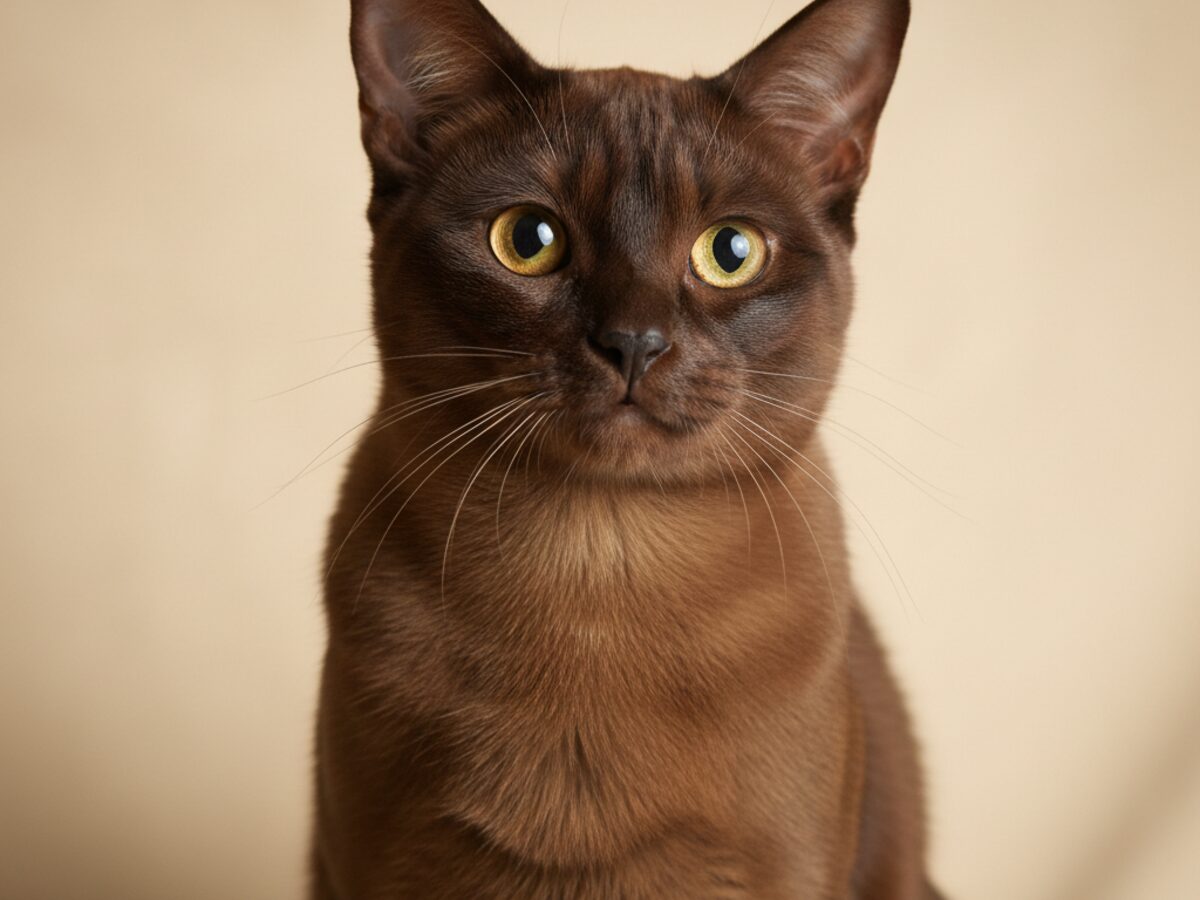
8.8A small affectionate tank: heavier than it looks, playful into old age and always looking for a lap to land on.
British Shorthair
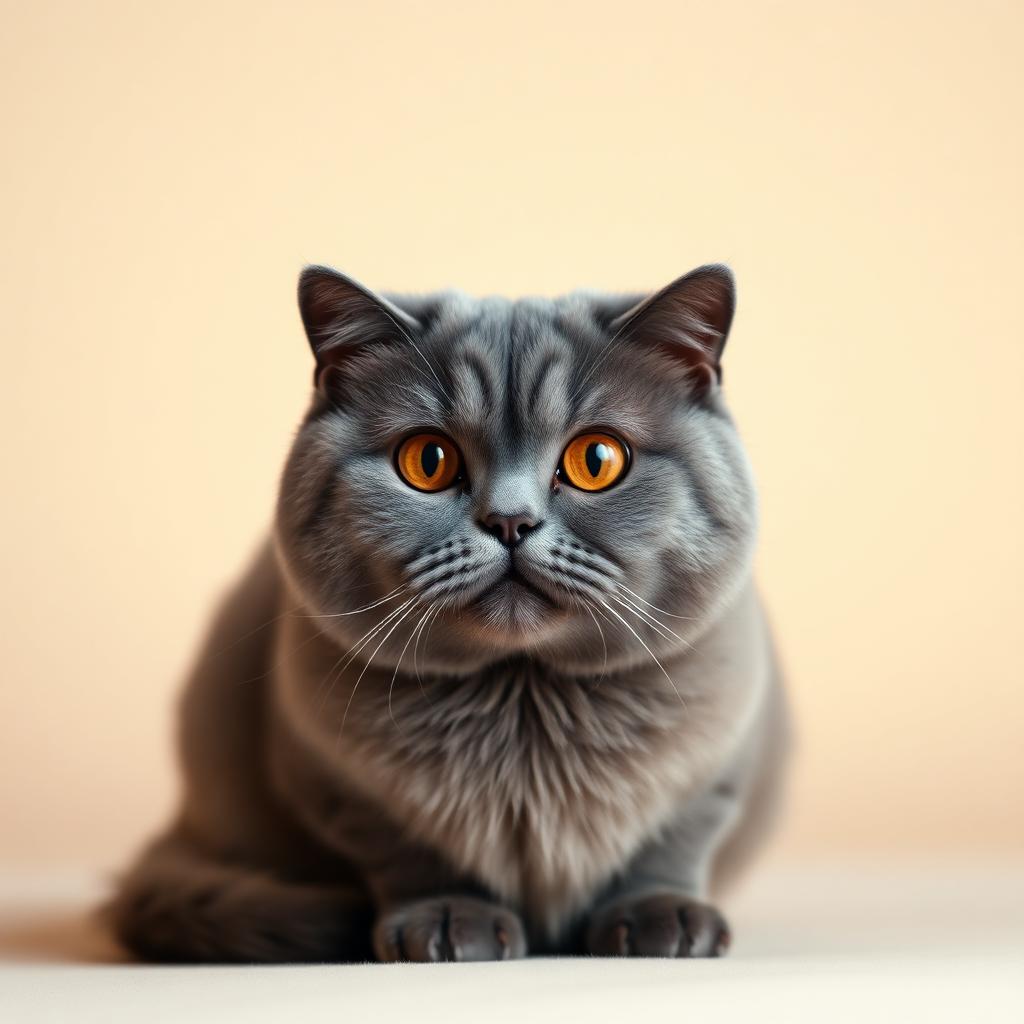
9.5Calm, plush teddy-bear cat and very flat-friendly. Independent without being aloof: likes being near you, not on you.