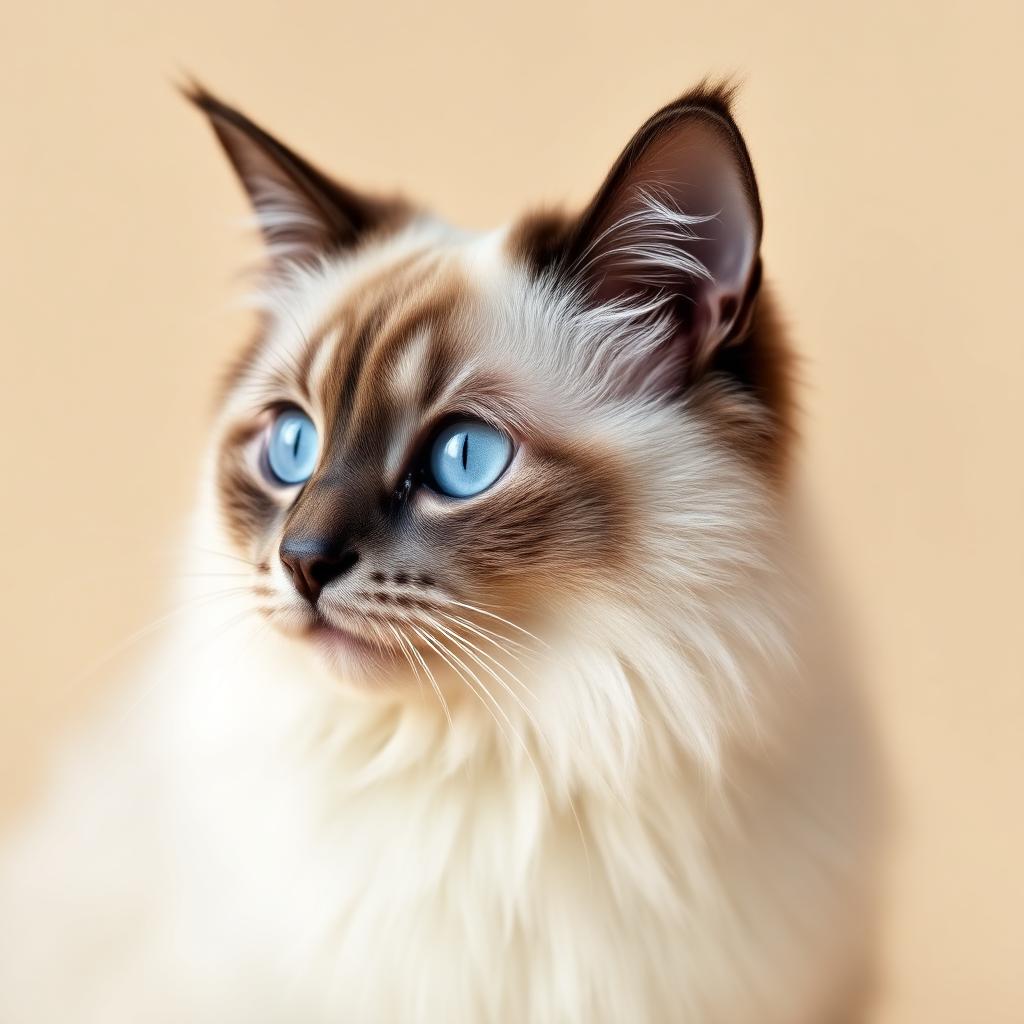
Ragdoll
"The gentle giant with blue eyes who loves cuddles."
Overview
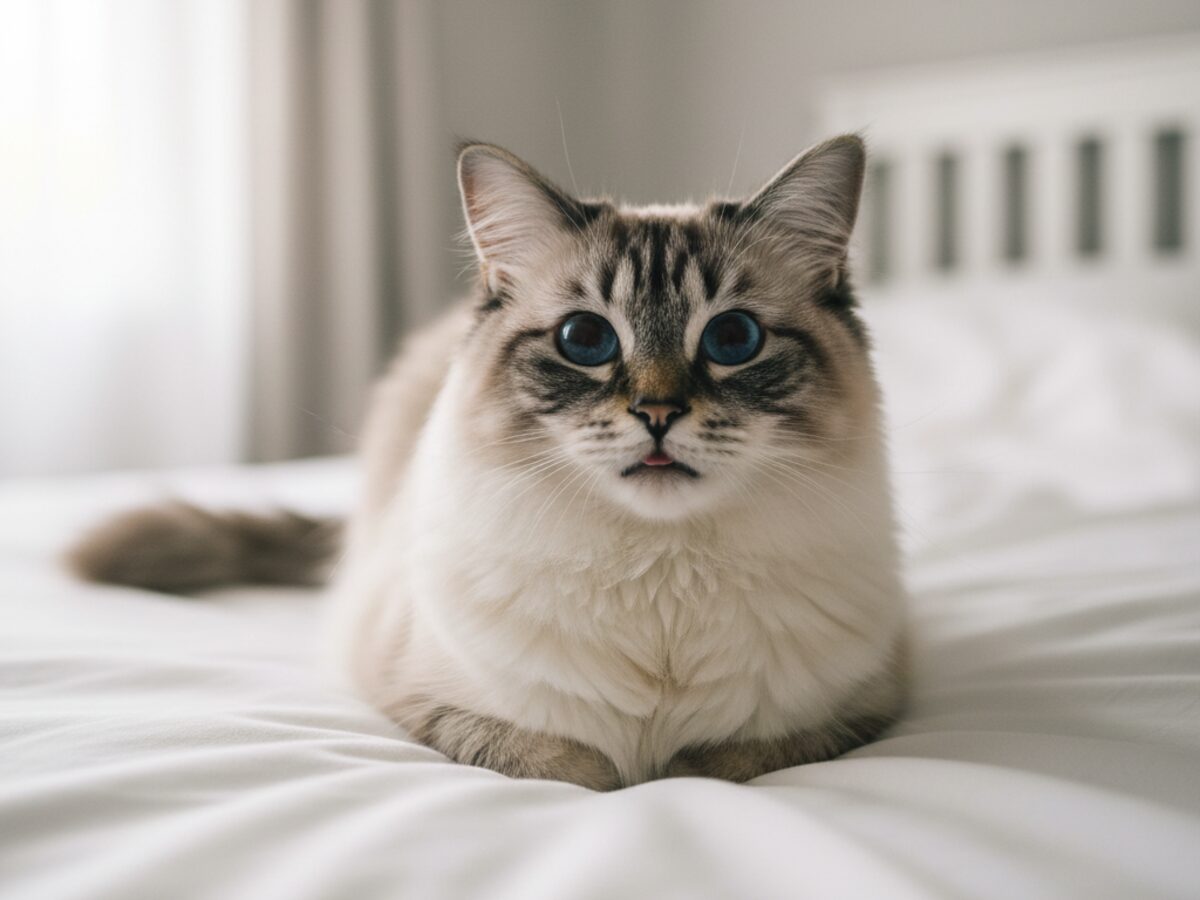
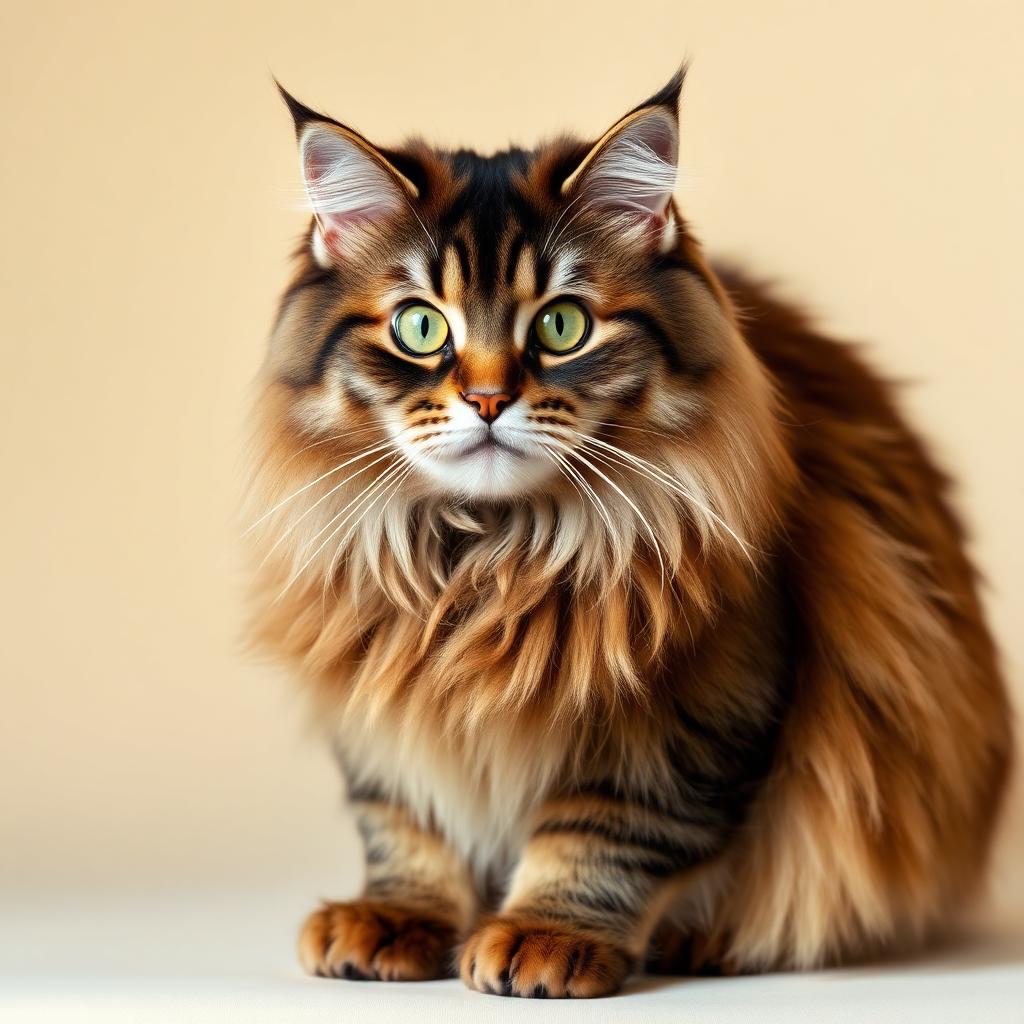
The Ragdoll, with its calm temperament and remarkable beauty, is an excellent choice for families seeking a relaxed and affectionate feline companion. This breed, famous for its 'rag doll' characteristic when cradled, stands out for its tolerance and patience, especially with children. If you're looking for a cat that integrates perfectly into family life and offers comfort and companionship, the Ragdoll is an outstanding option. Its semi-long fur and mesmerizing blue eyes are just the beginning of its charms. They are known for following their owners around the house, gently seeking attention and affection. Their weight ranges from 4 to 9 kg and they have a life expectancy of 13 to 16 years, ensuring many years of love and faithful companionship.
Ragdoll health is an important aspect to consider. Although generally robust, this breed has a predisposition to Hypertrophic Cardiomyopathy (HCM) risk, a heart disease. Early detection and regular veterinary check-ups are crucial to ensure a long and healthy life. Responsible breeders perform genetic tests on their breeding cats to minimize the transmission of this condition. Additionally, due to their semi-long coat, preventing hairballs and maintaining a balanced diet are essential for their overall well-being. Proper nutrition, rich in quality proteins, will support their heart health and the shine of their coat.
For the Ragdoll's well-being, providing an enriching environment is fundamental. Although they are quite calm cats, they enjoy interactive play sessions that simulate hunting and use toys that stimulate their minds. Early socialization is key to reinforcing their friendly nature. Their docile personality and ability to get along with other pets make them a harmonious addition to any home. Despite their majestic appearance, they are low-maintenance cats in terms of their need for intense exercise, preferring the comfort of a sofa and the company of their family. A good-sized scratching post and some interactive toys will be sufficient to keep them entertained.
Regarding their care, regular brushing of the Ragdoll is vital to prevent knots and maintain its silky fur. A couple of times a week is ideal. Their adaptable nature allows them to live comfortably in apartments as long as they receive enough attention and stimulation. Ragdolls are intelligent cats and can learn simple tricks, enjoy harness walks, and adapt to the litter box without problems. Choosing a Ragdoll means inviting a truly special family member, known for their patience, sweetness, and the unconditional love they offer their caregivers. Their reputation as the 'dog of the cat world' is due to their loyalty and their desire to participate in family activities.
Key facts
- Size
- Large
- Weight
- 4–9 kg
- Life expectancy
- 13–16 years
- Daily exercise
- 20 min/day
- Estimated total
- 130€/month
- Country
- United States
Character & temperament
The Ragdoll is often called the "dog of the cat world" due to its affectionate nature and tendency to follow its owners around the house. They are incredibly loyal and actively seek human companionship, enjoying being cradled, petted, and often going completely limp in the arms of their favorite person. They have been bred for their docile temperament, making them ideal companions for most homes. They are not overly vocal, preferring soft meows and purrs.
With family, the Ragdoll is extraordinarily patient and sweet. Their gentle nature makes them excellent companions for children of all ages, including toddlers, as long as children are taught to interact respectfully. They are not prone to scratching or biting and prefer to retreat if they feel uncomfortable. Their adaptability allows them to integrate well into family dynamics, participating in quiet games or simply enjoying the peaceful home alongside their loved ones. They form very strong emotional bonds.
In the presence of strangers, Ragdolls are usually curious and friendly. Unlike some cat breeds that can be shy or aloof, the Ragdoll will often approach visitors for petting and attention. Their innate confidence and lack of fear make them quite sociable, though individually, some may be a little more reserved at first. However, their curiosity usually overcomes any initial reluctance, and they will soon be exploring or seeking an available lap.
Living with children
The Ragdoll is renowned for its incredible patience and gentle nature, making it an exceptional companion for children. They are extremely tolerant and rarely use their claws or teeth, preferring to walk away if overwhelmed. It is essential to teach children how to interact gently with them to ensure a harmonious relationship and a positive experience for both.
With other pets
Ragdolls generally get along very well with other pets, including dogs and other cats, thanks to their docile and adaptable temperament. With their relaxed nature, they are often quite easy-going and can form strong bonds even with more energetic animals. With small pets like rodents or birds, caution and supervision are always recommended to avoid any natural hunting instincts, although they tend to be quite respectful.
Health & prevention
The Ragdoll is generally a robust and healthy breed, with a life expectancy of 13 to 16 years. However, they have a genetic predisposition to Hypertrophic Cardiomyopathy (HCM), a heart disease. Genetic testing for breeding cats and regular cardiac check-ups are strongly recommended. They may also be prone to bladder stones. A balanced diet and regular veterinary control are key to early detection and management of any health issues.
Health risks
- •Hypertrophic cardiomyopathy
- •Urinary stones
- •Polycystic kidney disease
Care
Nutrition
An adult Ragdoll weighing 4-9kg needs approximately 50-70g of high-quality dry food daily, complemented with wet food for proper hydration. Opt for diets rich in animal proteins and low in grains. Ensure they always have access to fresh water. Portion control is crucial to prevent obesity, especially if they are less active, and specific large breed diets can help maintain their weight and protect their joints.
Grooming & hygiene
The Ragdoll, with its silky semi-long coat, requires brushing two to three times a week to prevent tangles and hairballs, especially during shedding periods. Baths are occasional, only when necessary. Nails should be trimmed monthly. The estimated monthly cost for grooming products and occasional visits to a groomer for maintenance would be around 20-30€.
Exercise & training
Exercise plan
Although the Ragdoll is a calm cat, it needs daily exercise to stay healthy and prevent obesity. Two or three interactive play sessions per day, 10-15 minutes each, with fishing rod toys or laser pointers, are ideal. They also appreciate tall scratching posts and vertical space to explore. They are not overly athletic, but mental and physical enrichment is important for their overall well-being.
Training
Ragdolls are intelligent and eager-to-please cats, making them relatively easy to train. They quickly learn to use the litter box and can be trained to walk on a harness and leash, enjoy clicker training sessions, and even learn simple tricks like fetch or sit. Patience and positive reinforcement are key to successful training.
Monthly cost
Monthly costs can vary depending on food quality, specific health needs, and frequency of professional grooming services.
Estimate for Spain, healthy adult cat. Varies by region and provider.
Pros & cons
Pros
- ✓Extremely docile and patient
- ✓Ideal for families with children
- ✓Gets along well with other pets
- ✓Affectionate and seeks companionship
- ✓Easy to train
Cons
- !Requires regular brushing
- !Risk of HCM (Hypertrophic Cardiomyopathy)
- !Soft voice, but can meow insistently for attention
- !Requires a lot of attention and companionship
- !Sensitive to household changes
Ideal for
- • Families with children
- • Elderly people
- • Homes with other pets
- • First-time cat owners
Not recommended for
- • People who travel frequently
- • Households that leave cats alone for long periods
- • People with severe allergies
How it fits each scenario
The Ragdoll adapts very well to apartment living due to its calm temperament and lower need for vertical space than other breeds, provided it receives enough attention and enrichment.
A Ragdoll can enjoy a secure garden under supervision, but its home-loving nature and trust make it more prone to outside dangers, so it's best to keep it indoors.
Due to their semi-long coat, Ragdolls can get hot in warm climates. They will need access to cool places and shade, and perhaps more frequent brushing to help them manage the heat.
The Ragdoll's dense semi-long coat makes them quite suitable for cold climates, provided they are protected from extreme temperatures and wetness.
Excellent choice. Their patient and tolerant nature makes them ideal companions for toddlers, although interaction should always be supervised to teach children to be gentle.
Perfect. They are interactive and affectionate playmates who enjoy the company of older children, participating in quiet games and offering comfort.
Yes, they are an excellent breed for first-time owners due to their easygoing temperament, docility, and relatively low need for complex training.
Also an excellent choice. Experienced owners will appreciate their depth of character and enjoy the strong bond they form with this very special breed.
Can adapt, but it's not the most active breed. It will enjoy short games and affection and be content to observe family activities from a comfortable spot.
Not ideal. They require a lot of attention and companionship. A very busy family that cannot dedicate enough time to them might lead to the Ragdoll feeling lonely or stressed.
Ragdolls are not hypoallergenic. While some may shed less than other breeds, they still produce Fel d 1 protein, making them not the best choice for people with severe allergies.
With grooming requirements and potential health concerns (HCM), the costs of keeping a Ragdoll can be moderate to high, making them not the best option for a very low budget.
Origin & history
The story of the Ragdoll began in the 1960s in California, USA, with a breeder named Ann Baker. The matriarch of the breed is believed to have been a white Angora-like cat named Josephine, who had an exceptionally docile temperament after an accident. Josephine was bred with other local cats, including a seal point Birman-like cat and a black cat suspected to be a Burmese or Persian. Baker carefully selected offspring for their size, beauty, and, crucially, their relaxed temperament and tendency to "go limp" when held, hence the name "Ragdoll." Early patents and registrations caused controversy, but the breed was eventually recognized by major cat associations, and its popularity grew exponentially.
Unlike most cats, Ragdolls are said to genuinely enjoy water, and may even follow their owners into the bathroom, though not all will do so.
Frequently asked questions
Why is this breed called Ragdoll?▾
They were named Ragdoll, meaning "rag doll" in English, because they have a unique characteristic of relaxing and becoming docile and limp when picked up, much like a rag doll.
Are Ragdolls good apartment cats?▾
Yes, Ragdolls are excellent apartment cats. Their calm nature and low indoor activity level make them suitable for smaller spaces, provided they receive enough love and playtime. Their main need is companionship.
How long does a Ragdoll cat live?▾
The average lifespan of a Ragdoll is 13 to 16 years. With proper care, good nutrition, and regular veterinary check-ups, many Ragdolls can live even longer, often exceeding 15 years.
Do Ragdolls shed a lot?▾
Ragdolls have a semi-long coat, and while they don't have a dense undercoat like some other breeds, they do shed. Regular brushing (2-3 times a week) is crucial to control shedding and prevent tangles and hairballs. It helps maintain their coat health and minimizes hair around the house.
Are Ragdolls hypoallergenic?▾
No, Ragdolls are not considered a hypoallergenic breed. While they might produce fewer allergens than some breeds, they still produce the Fel d 1 protein, which is the main cause of cat allergies. People with severe allergies should consider other breeds or spend time with a Ragdoll before adopting.
Are Ragdolls good with children?▾
Absolutely. Ragdolls are exceptionally patient and gentle, making them one of the best cat breeds for families with children. Their placid nature means they rarely scratch and prefer to withdraw from noisy situations rather than react aggressively, provided children are taught to treat them with respect.
How much does a Ragdoll weigh?▾
Ragdolls are large cats with a robust build. Adult males typically weigh between 6 and 9 kg, while females are slightly smaller, weighing 4 to 7 kg. It is important to maintain a healthy weight to prevent health issues.
What health problems are common in Ragdolls?▾
Ragdolls have a genetic predisposition to Hypertrophic Cardiomyopathy (HCM), a heart disease. It is vital that breeders test their cats and owners arrange regular cardiac check-ups. They may also be prone to bladder stones. Annual veterinary check-ups and a quality diet are crucial.
Similar family-friendly breeds
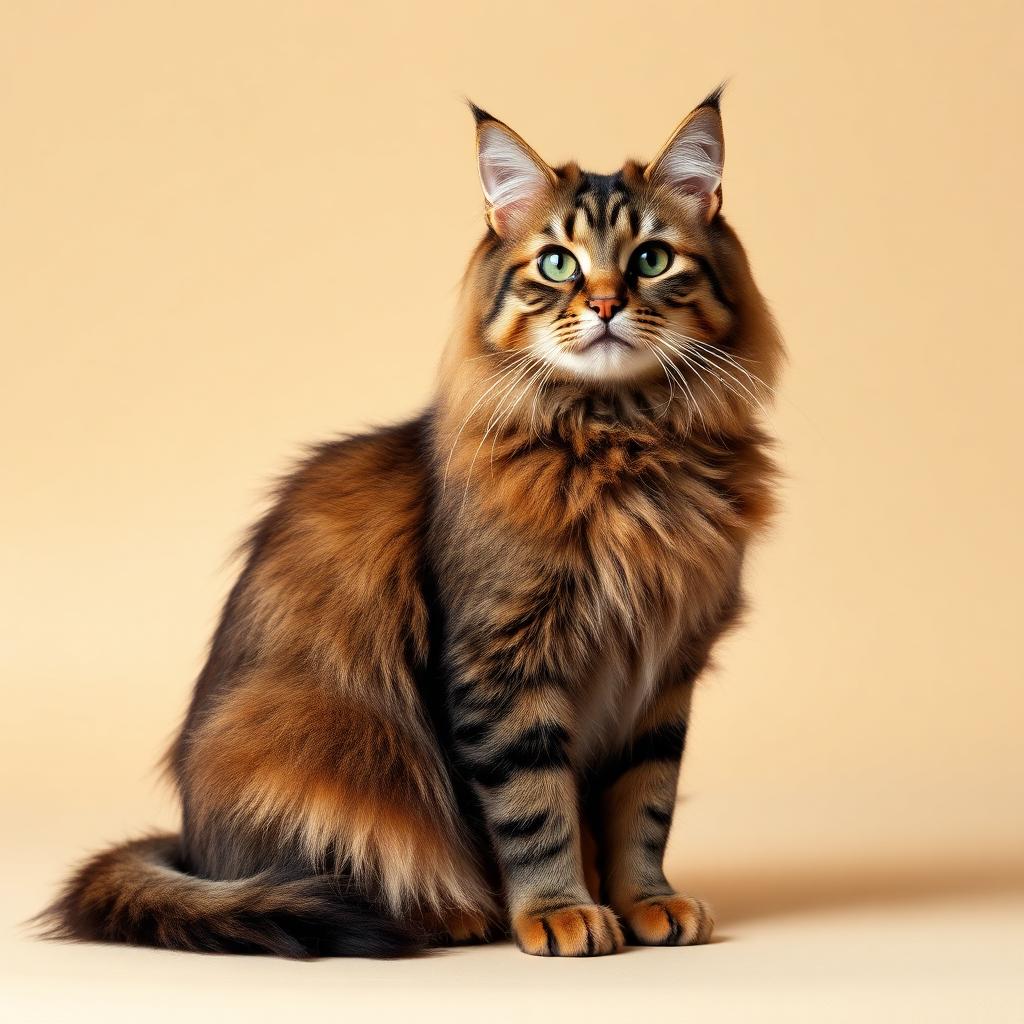
Maine Coon
9.7The gentle giant of the cat world: sociable, dog-like and very patient with kids. The semi-long coat needs brushing 2–3 times a week.
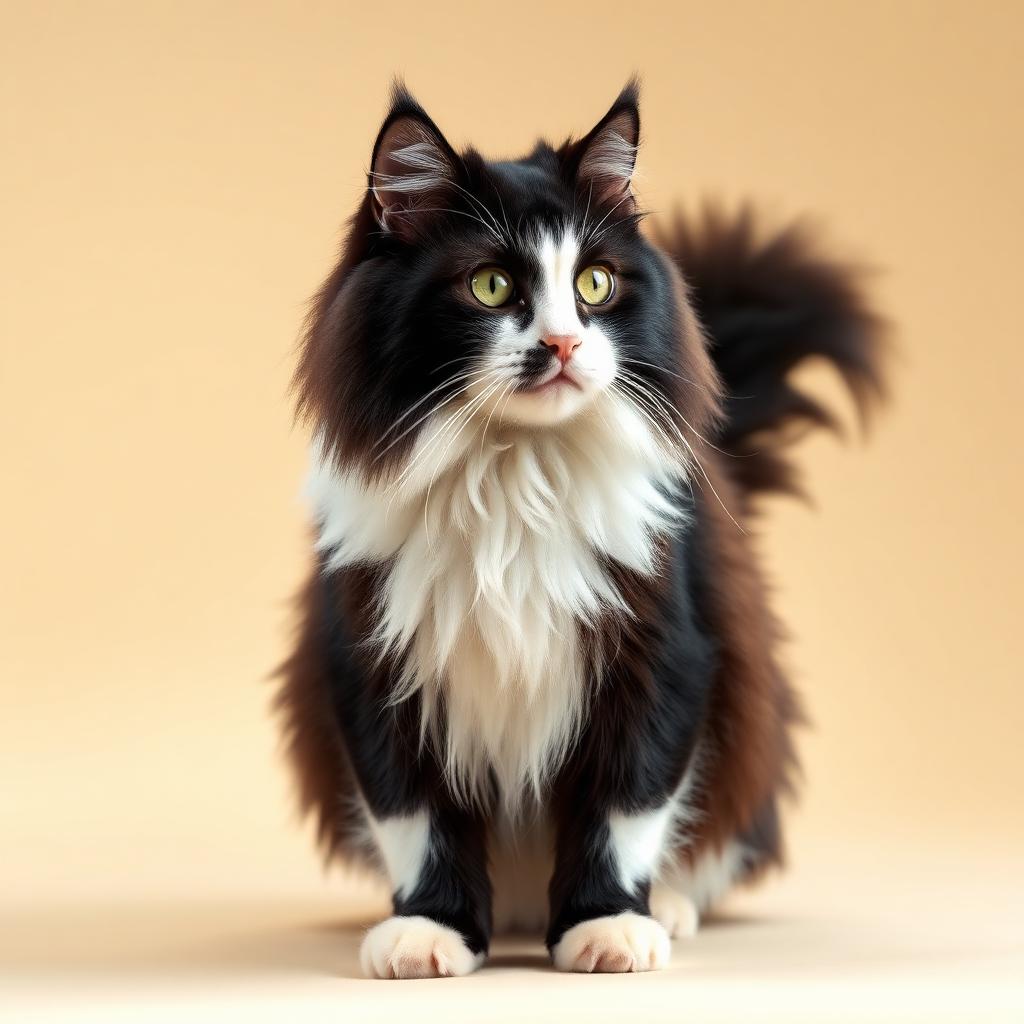
Norwegian Forest Cat
9.1The Viking cat: huge, fluffy and a born climber. Calm at home but loves the outdoors and cold. Poor fit for hot Mediterranean climates.
 Hypoallergenic
Siberian
9.2Best option for allergy sufferers: produces less Fel d 1 than average. Sturdy, playful and very cold-resistant thanks to a triple coat.