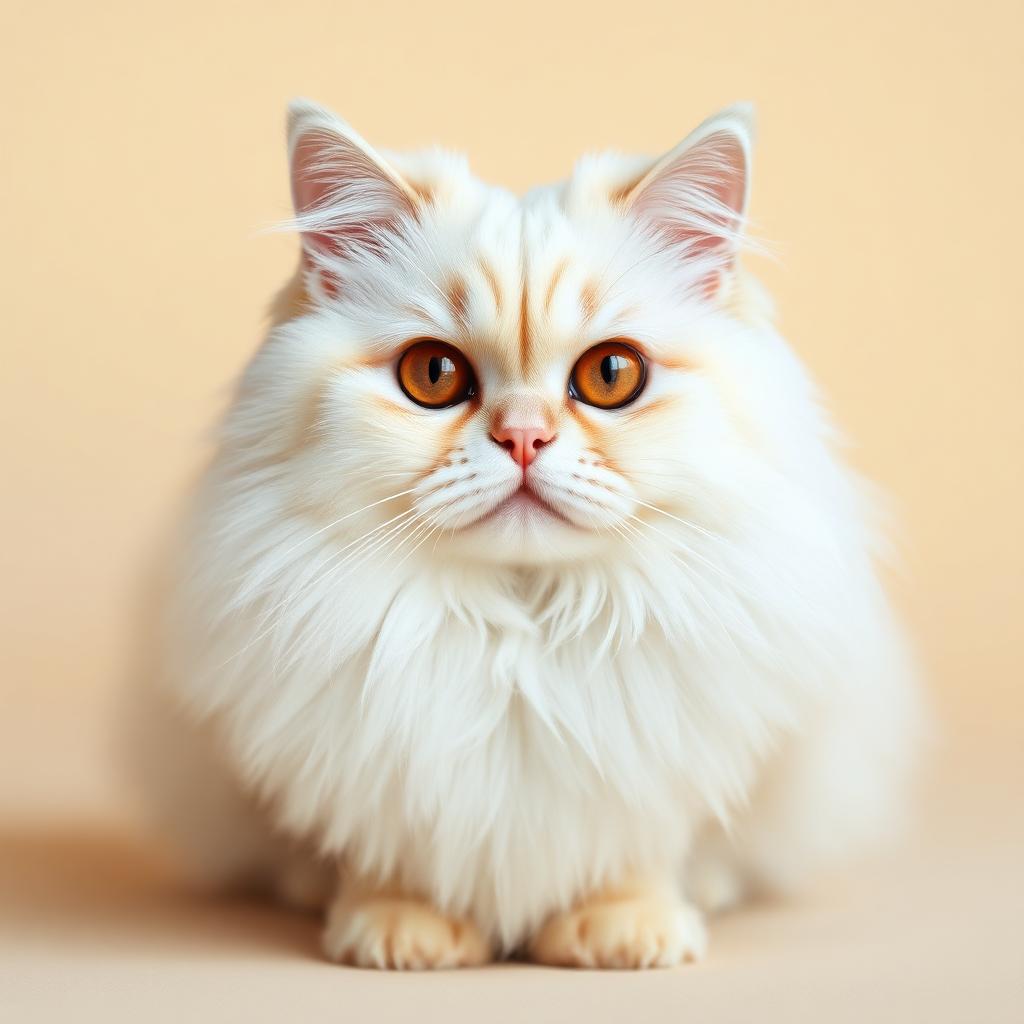
Persian
"The long-haired aristocrat with a tranquil heart."
Overview
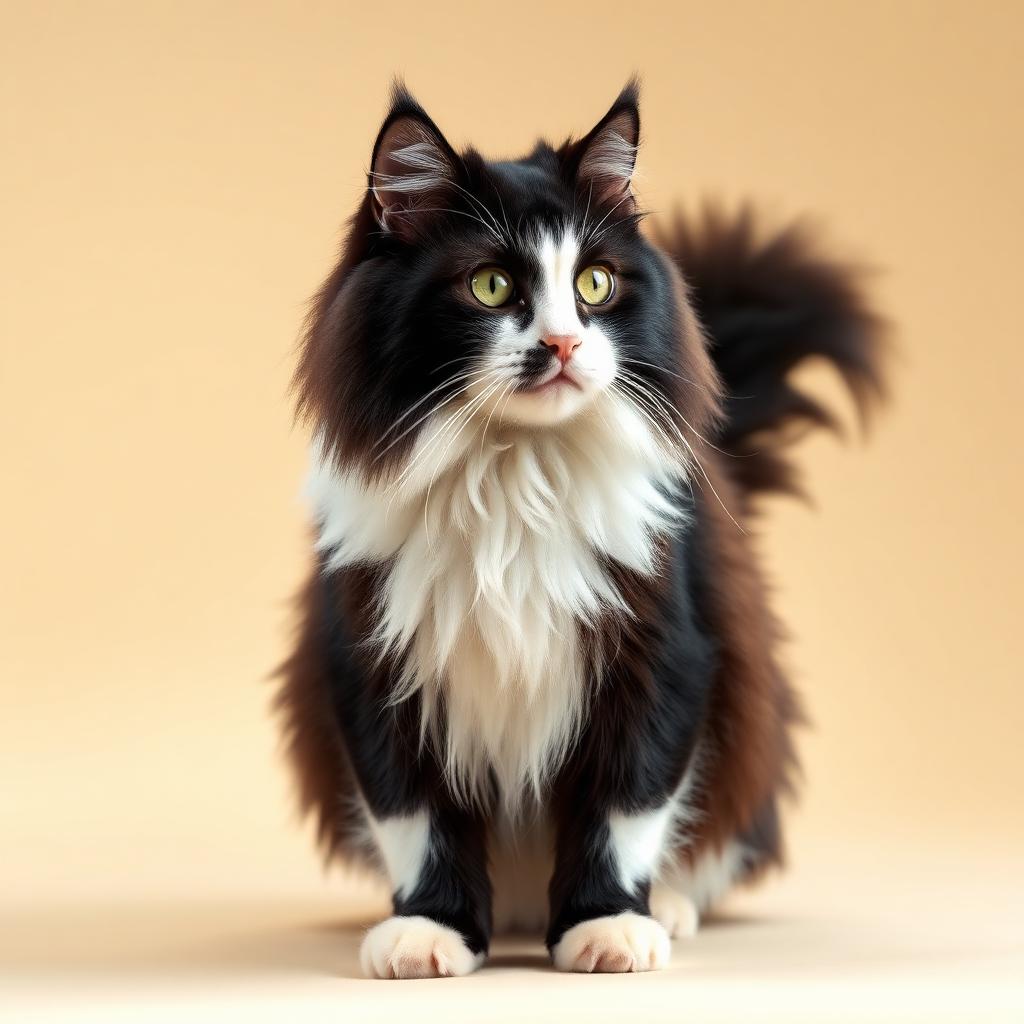
Discover everything about the Persian cat, one of the most iconic and beloved feline breeds worldwide. Its calm temperament and luxuriant long coat make it an ideal pet for families seeking a serene companion. The Persian breed is known for its gentle nature, preferring the calm of home to outdoor adventures. This characteristic, along with its undeniable beauty, has cemented its popularity for centuries. Exploring the needs of a Persian is key to understanding how to offer it the best quality of life.
Persian care involves special dedication due to its coat. Daily brushing is fundamental to prevent mats and maintain skin health. Furthermore, its characteristic flat face (brachycephaly) requires careful observation to prevent eye and respiratory issues. It is crucial to regularly clean its eyes to prevent stains and build-up, and to be attentive to any sign of breathing difficulty. The health of the Persian is a priority for its responsible owners.
Regarding its personality, the Persian is an affectionate and loyal cat, though not overly demanding. It enjoys the company of its family but is perfectly happy resting quietly. They are excellent companions for elderly people or families with children who understand how to interact with a calm cat. The Persian's sociability is adaptable; they can live peacefully with other pets, provided they are introduced properly and the environment is harmonious. Its calm disposition is one of its greatest virtues.
For those interested in adopting a Persian cat, it is vital to research reputable breeders who prioritize the health and welfare of their animals. A well-cared-for Persian can live many years, offering unconditional love and companionship. Consider the Persian's maintenance costs, which include quality food, regular veterinary visits, and specific grooming products. Investing in your Persian's well-being means ensuring a happy and healthy pet, adding a distinguished member to your family.
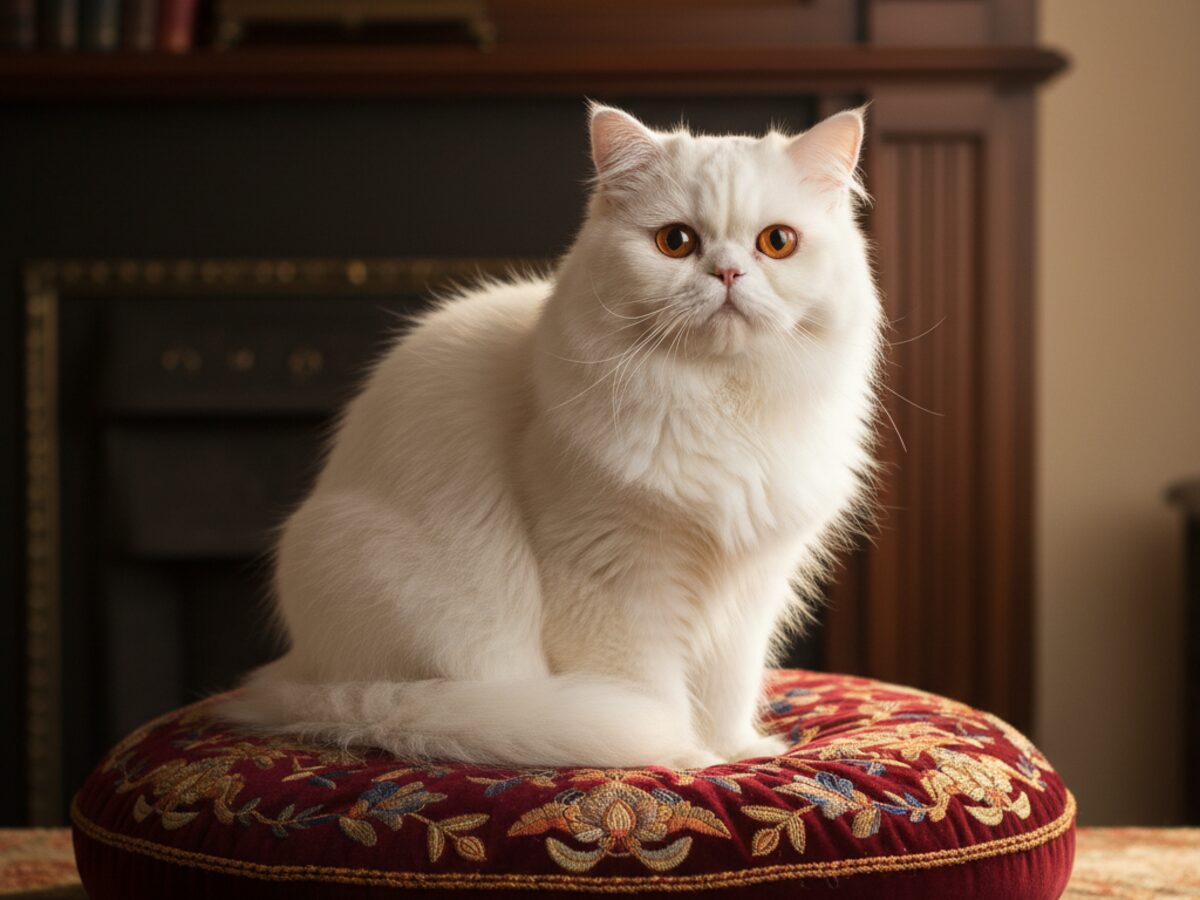
Key facts
- Size
- Medium
- Weight
- 3–6 kg
- Life expectancy
- 12–16 years
- Daily exercise
- 15 min/day
- Estimated total
- 140€/month
- Country
- Iran / Persia
Character & temperament
The Persian cat is the embodiment of feline calm. With an activity level of only 1/5, these cats prefer the quiet life on the sofa to aerial acrobatics. They are sweet, docile companions who enjoy gentle company and petting. Don't expect them to chase lasers or play fetch for hours; their idea of fun often involves a nap in the sun or a good purr on your lap. Their relaxed nature makes them a peaceful addition to almost any home.
With family, the Persian is affectionate and loyal, forming deep bonds with their humans. They are not clingy or demanding but are always happy to receive attention when offered. They thrive in a predictable home environment and can become stressed by sudden changes in their routine. They are discreet companions who observe the world from their comfortable perch, offering unconditional love in their quiet way.
Towards strangers, the Persian is usually reserved and aloof at first, preferring to observe from a distance. They won't rush to greet newcomers, but once they feel secure and have assessed the situation, they may approach with curiosity and gently accept a stroke. With their owner, the connection is palpable; they are known for their devotion and their ability to offer silent comfort and soothing companionship.
Living with children
Persians are generally good with children, especially if they are older and know how to interact with a calm and respectful cat. Their patient and tolerant nature allows them to coexist peacefully, although they prefer not to be disturbed during their naps. Interactions should always be supervised to ensure gentle handling.
With other pets
Persians can get along well with other calm cats and dogs, especially if they have grown up together or if a gradual, careful introduction is made. Their low-energy nature means they won't actively seek to play with other pets but will tolerate their presence. They are not ideal for homes with small, noisy animals that might disturb their peace.
Health & prevention
Due to their characteristic flat face (brachycephalic), Persians are prone to respiratory and ocular issues, such as blocked tear ducts, which can cause constant tearing and staining. They can also suffer from polycystic kidney disease (PKD) and hypertrophic cardiomyopathy (HCM). Regular veterinary visits, daily brushing to prevent hairballs, and maintaining a balanced diet to prevent overweight and support overall health are crucial.
Health risks
- •Brachycephalic syndrome
- •Polycystic kidney disease
- •Eye problems
Care
Nutrition
An adult Persian (3-6 kg) needs between 150-250 kcal per day, which translates to approximately 50-80 grams of high-quality dry food. A combination of dry and wet food is recommended to ensure good hydration. Opt for foods specifically formulated for long-haired breeds, which help control hairballs and promote skin and coat health. Prevent overweight, as it can worsen their respiratory and joint issues.
Grooming & hygiene
Persian grooming is intensive and vital. It requires **daily brushing** of at least 10-15 minutes to prevent mats and hairball formation, which can be dangerous. Monthly baths help keep their coat clean and grease-free. Trim their nails every 2-4 weeks and clean their eyes daily to prevent staining and secretion build-up. The estimated monthly cost for specific grooming products, including shampoo, conditioner, brushes, and eye wipes, can be around 20-40 euros.
Exercise & training
Exercise plan
Given their low energy level (1/5), Persians do not require much exercise. Short play sessions of 10-15 minutes a day with soft toys, feathers, or a laser pointer will be enough to keep them stimulated. They love to observe, so providing elevated shelves or scratching posts where they can comfortably supervise their kingdom is an excellent idea. Mental stimulation is as important as physical for these calm felines.
Training
Persians are intelligent cats and can be trained, though their calm nature means they won't always be eager to learn complex tricks. Basic litter box training is usually instinctive. They can get accustomed to a harness if started young. Positive reinforcement with treats and praise is the most effective way to teach them simple commands or to ignore certain behaviors. Patience is key.
Monthly cost
Persian care costs can be higher due to the need for daily grooming and potential health issues. Regular veterinary care and prevention are key to extending their lifespan.
Estimate for Spain, healthy adult cat. Varies by region and provider.
Pros & cons
Pros
- ✓Extremely calm and gentle temperament
- ✓Ideal for apartment living
- ✓Affectionate and loyal to its family
- ✓Aesthetically stunning with long fur
- ✓Adapts well to a calm home environment
Cons
- !Requires intensive daily brushing
- !Prone to respiratory and eye issues
- !Dislikes noise and high activity
- !Can be aloof with strangers
- !Higher maintenance cost due to grooming and health
Ideal for
- • Families seeking a calm cat
- • Elderly individuals or those with sedentary lifestyles
- • Homes with a quiet and relaxed atmosphere
- • Cat lovers with time for grooming
Not recommended for
- • Very active or noisy families
- • First-time owners without time for grooming
- • Homes with very energetic pets
How it fits each scenario
Absolutely ideal, they enjoy indoor living and are not very active.
Acceptable, but they should be indoor cats for safety and to keep their coat immaculate.
Require air conditioning and cool environments due to their dense coat.
Well adapted, their thick coat offers good protection against cold.
With caution; young children must be supervised to ensure gentle interactions.
Excellent, their patience makes them good companions for more conscious children.
Suitable if one is aware of their grooming and health needs.
Ideal, an experienced owner will appreciate their calm nature and nuances.
Not ideal; they prefer a calm environment and low activity.
Possible, but ensuring daily time for grooming and attention.
Not a hypoallergenic breed; may cause reactions in allergy sufferers.
No, grooming and veterinary costs can be significant.
Origin & history
Originating from ancient Persia (modern-day Iran), the Persian cat was introduced to Europe in the 17th century by travelers and traders. It quickly gained popularity among royalty and nobility, especially in France and England, where its exotic beauty and gentle temperament made it a status symbol. Selective breeding in the 19th century helped establish its distinctive characteristics, such as the long, dense coat and flatter face, evolving into the Persian we know today.
Persians are so ancient that they are said to be one of the first cat breeds to be formally exhibited in Victorian cat shows.
Frequently asked questions
Does the Persian need to go outdoors?▾
No, Persian cats are primarily indoor cats. Their long fur can easily get tangled or dirty outdoors, and their calm nature makes them less prone to explore. Keeping them indoors also protects them from external dangers and diseases.
How active is a Persian cat?▾
Persians are cats with a very low activity level (1/5). They prefer to spend most of the day resting and observing their surroundings from a comfortable spot. They don't need much space for active running or playing, making them perfect for apartments.
What is the Persian's personality like with children?▾
They are patient and tolerant, making them good companions for older children who understand how to interact with a calm cat. However, they don't appreciate loud noises or rough play, so interactions with young children should be supervised to ensure calmness.
What are the most common health problems of the Persian?▾
Due to their brachycephaly, they are prone to respiratory problems (difficulty breathing) and ocular issues (excessive tearing, ulcers). They also have a genetic predisposition to polycystic kidney disease (PKD) and hypertrophic cardiomyopathy (HCM).
How long does a Persian cat live?▾
With proper care and regular veterinary visits, a Persian cat can live between 12 and 17 years. A balanced diet, proper grooming, and a calm environment significantly contribute to their longevity.
Can Persians live with other pets?▾
Yes, they can live well with other calm cats and dogs if introduced properly. Their low-energy nature means they are generally tolerant and avoid conflict. It's important that other pets are not too noisy or active.
Are Persian cats suitable for first-time owners?▾
They can be if the first-time owner is fully prepared for the dedication required for their daily grooming and health monitoring. Their calm temperament makes them manageable, but the care needs are a significant commitment.
What kind of grooming does a Persian's coat need?▾
A Persian's coat needs daily brushing, ideally twice a day, to prevent mats and tangles. Monthly baths with long-haired cat shampoo are also recommended. Daily eye cleaning is essential to prevent staining.
Similar family-friendly breeds
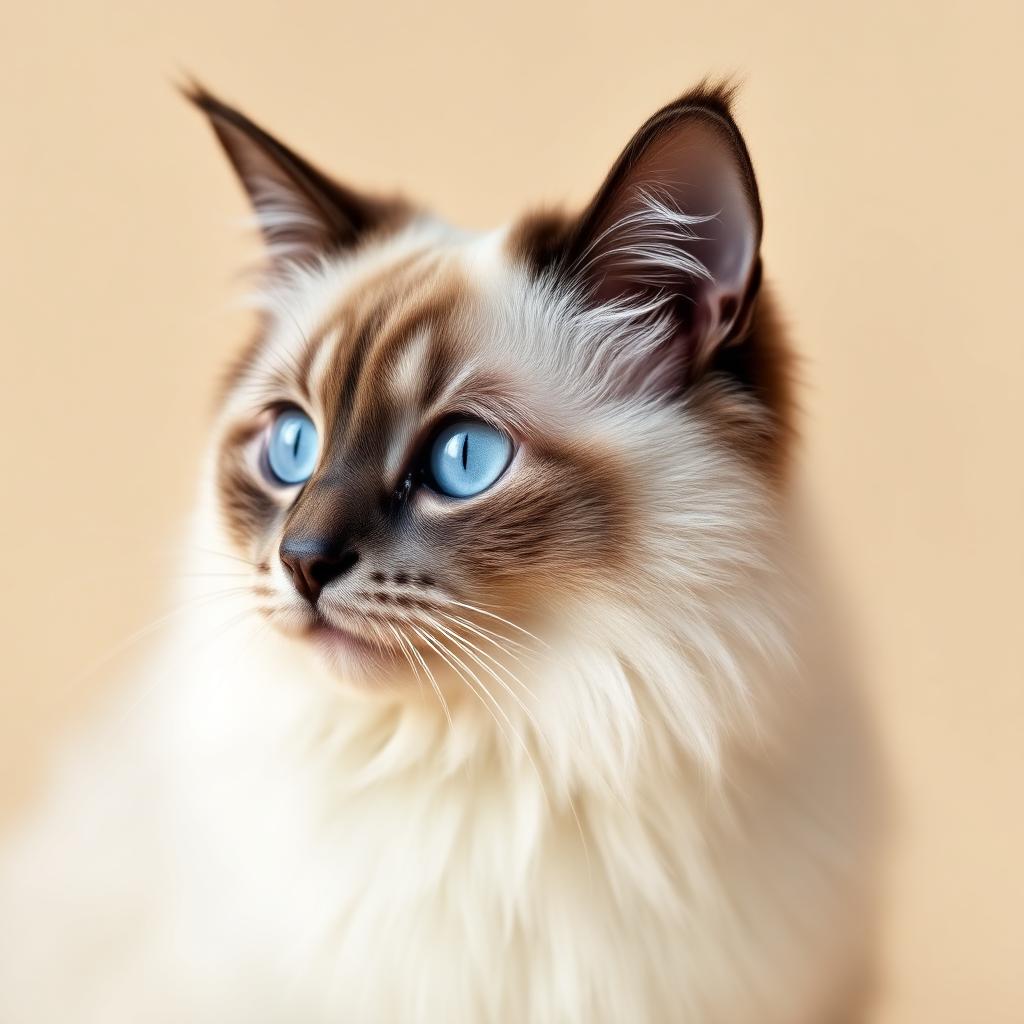
Ragdoll
9.6The name says it all: goes limp like a rag doll when picked up. Affectionate, docile and perfect for families with kids.
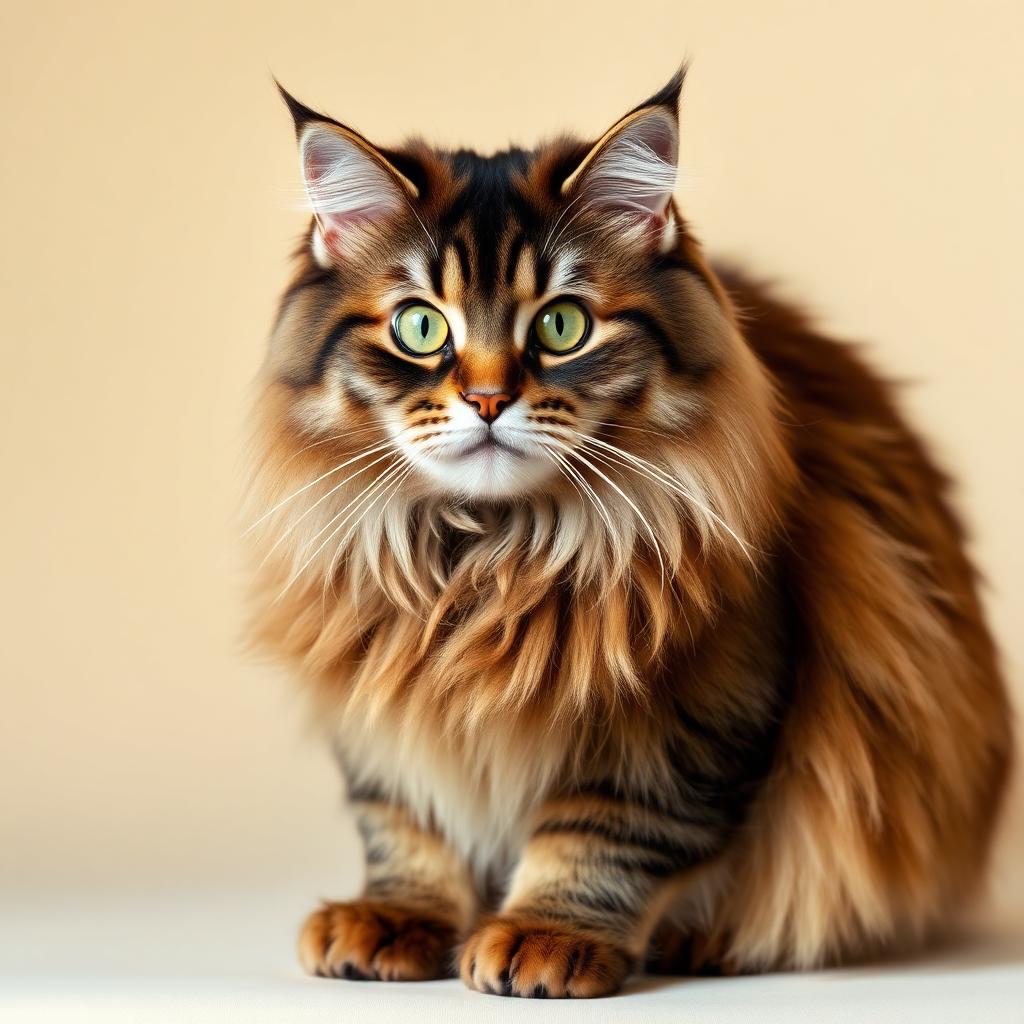 Hypoallergenic
Siberian
9.2Best option for allergy sufferers: produces less Fel d 1 than average. Sturdy, playful and very cold-resistant thanks to a triple coat.
Norwegian Forest Cat
9.1The Viking cat: huge, fluffy and a born climber. Calm at home but loves the outdoors and cold. Poor fit for hot Mediterranean climates.