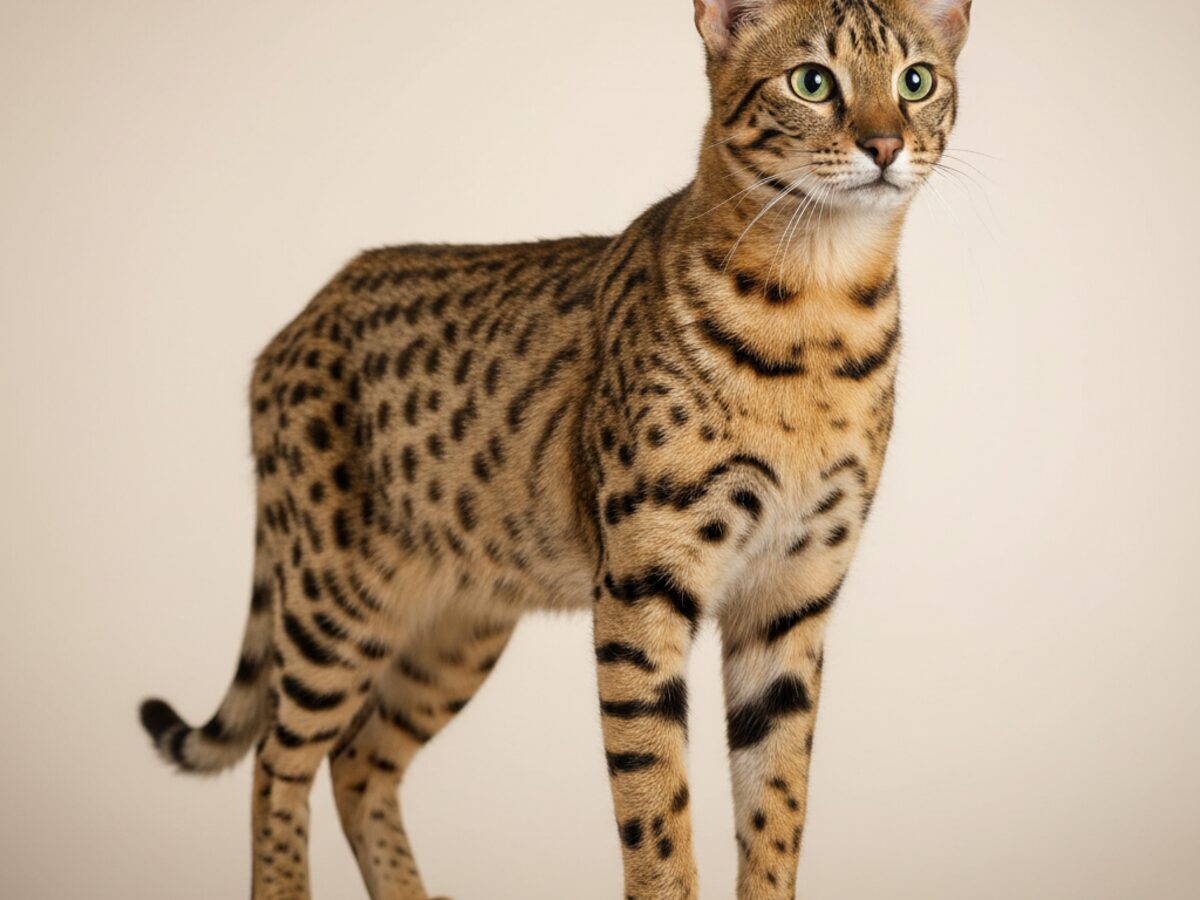
Savannah
"A wild touch for your home! The Savannah Cat: exotic elegance and playful energy."
Overview
Discover the fascinating world of the Savannah Cat, a hybrid breed that combines the wild elegance of the African serval with the charm and sociability of a domestic cat. At FamiCats.com, we immerse you in everything you need to know about these unique felines, perfect for active families and adventure lovers. From its surprising origin in the United States in the 1980s, the result of a daring cross, to its official recognition by TICA, Savannahs capture hearts with their exotic appearance: large bat-like ears, spotted coat, and a slender, athletic body. They are true jumping champions, capable of reaching impressive heights, and their insatiable curiosity makes them natural explorers of every corner of your home. You'll learn why they are considered the Indiana Jones of the feline world, always ready for a new adventure, and how their sharp intelligence allows them to be very trainable, even for leash walking, just like little socialized wolves from a family nature TV series. The Savannah's personality is as lively as its appearance. They are extremely intelligent and vocal cats, capable of communicating with a variety of meows, chirps, and trills that will amaze you. They develop very strong bonds with their families, following their humans from room to room, supervising every activity. Despite their wild origins, more domesticated generations (F3 onwards) make wonderful family pets, especially for households with older children (7 years and up) who know how to interact respectfully. Their playful and energetic nature makes them tireless playmates. However, their high energy means they need a lot of daily mental and physical stimulation to avoid boredom and destructive behaviors. At FamiCats.com, we emphasize the importance of providing them with an enriched environment with tall cat trees, interactive toys, and opportunities for them to explore, such as a safe 'catio'. Regarding their care, the Savannah Cat has a short, easy-to-maintain coat with weekly brushing. They are a generally healthy breed, with remarkable longevity, but require a high-quality, protein-rich diet, and regular veterinary visits. We guide you on how to choose a responsible breeder who performs health tests to ensure the genetics of your future companion and prepare you for the costs associated with owning a Savannah, a considerable investment that is rewarded with years of love and adventure. They are not cats for first-time owners or busy families, but for those willing to invest in their well-being, the Savannah offers an unparalleled feline companionship experience, full of fun, affection, and a touch of the African savanna's majesty. If you dream of a cat that is both a living work of art and an active, charismatic member of your family, the Savannah is your ideal choice. Explore more breed profiles at FamiCats.com and find your perfect feline companion!
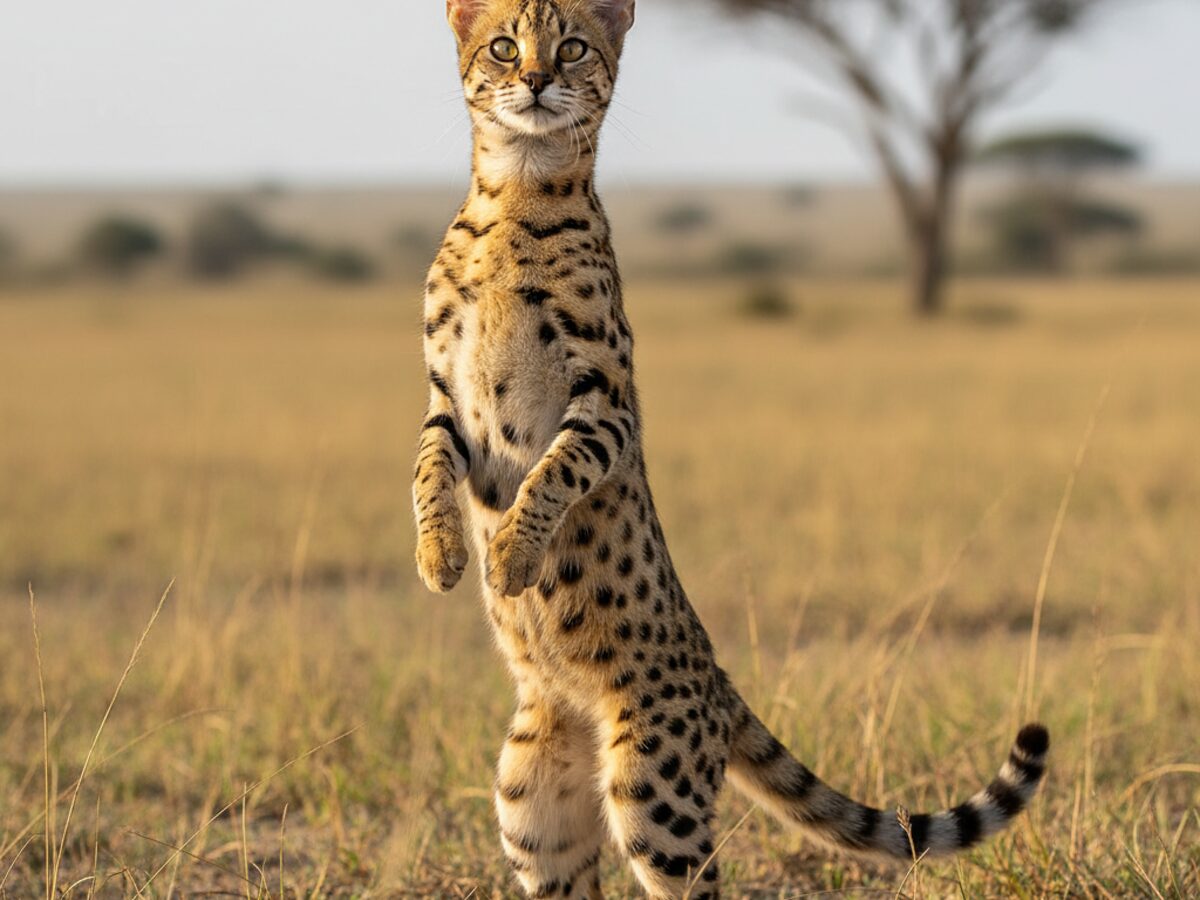
Key facts
- Size
- Large
- Weight
- 5–11 kg
- Life expectancy
- 12–20 years
- Daily exercise
- 90 min/day
- Estimated total
- 160€/month
- Country
- United States
Character & temperament
If there's one thing that defines the Savannah, it's their sharp intelligence and active nature. These cats are incredibly curious, invent their own games, and enjoy interacting with their humans. Don't expect a traditional lap cat; the Savannah prefers to be exploring, climbing, and observing everything around them, often from the highest point in the room. Think of them as the Indiana Jones of the feline world, always looking for the next adventure. They are very vocal cats, capable of producing a variety of meows, chirps, and trills, and some can even hiss like snakes when excited or alert, as if they were in their own action movie. They form very strong bonds with their caregivers and may follow people from room to room, supervising every activity. Despite their wild appearance, they are surprisingly affectionate and adore attention, often rubbing against legs or snuggling up for a petting session after a day of intense play. Their energy means they need a lot of mental and physical stimulation to be happy and avoid boredom, which could lead to mischief.
Living with children
Fantastic! Savannah Cats are generally excellent companions for children, especially if raised with them from an early age. Their playful and energetic nature makes them tireless playmates. They love to run, jump, and participate in games that stimulate their minds. However, due to their size (especially early generations F1 and F2 can be quite large) and energy, it's crucial to teach younger children (up to 6-7 years old) how to interact respectfully with them. They must learn not to pull their tails, fur, or bother them while eating or sleeping. Supervision is key to ensuring both the cat and children enjoy a happy and safe relationship. More domesticated Savannahs (F3 onwards) tend to be more predictable in their temperament and slightly less intense, making them ideal for a home with children of all ages.
With other pets
Savannah Cats usually get along well with other animals, especially if introduced correctly and from an early age. They can live harmoniously with other cats, and even with dogs that have a docile and friendly temperament. It's important to note that, due to their hunting instinct (more prominent in generations closer to the serval), living with small animals like rodents, birds, or fish might not be the safest. Caution and good supervision are needed at first to ensure all furry family members adapt and respect each other, just like in any interspecies coexistence adventure.
Health & prevention
Savannah Cats are generally a healthy and robust breed, with a life expectancy of 12 to 20 years. Being a hybrid breed, they often inherit the vigorous health of their wild ancestors. However, like any breed, they can be prone to certain conditions, although no specific breed-related genetic diseases are widely documented so far, unlike other breeds with a more closed genetic history. It is essential to choose a responsible breeder who performs genetic tests on the parents to rule out common domestic cat problems such as hypertrophic cardiomyopathy (HCM) or pyruvate kinase deficiency, and who offers health guarantees. To ensure a long and healthy life, it is vital to provide them with a high-quality diet (preferably rich in meat proteins), annual veterinary check-ups including vaccinations and deworming, and plenty of exercise. Also, make sure they have a safe place to climb and explore, as their physical activity is crucial for maintaining their weight and musculature. As a feline health specialist would tell you, prevention is the best medicine, and for Savannahs, activity and a good diet are their superpowers!
Health risks
- •Hypertrophic cardiomyopathy
- •Legal restrictions in many countries
Care
Nutrition
The Savannah's diet is key to their well-being. They require a **high-quality, animal protein-rich diet**, similar to what a wild feline would eat. This means opting for premium dry food formulated for active cats, or considering a BARF (biologically appropriate raw food) diet under the supervision of a veterinary nutritionist. Avoid foods with many grain fillers or low-quality by-products. A good method is to ask the breeder what type of food they use and if they have specific recommendations for your Savannah's generation, as F1 and F2 might have somewhat different requirements than F3 and later.
Grooming & hygiene
The Savannah Cat has a short, fine coat that is surprisingly easy to care for. They are very clean cats that groom themselves regularly. A weekly brushing with a rubber glove or a soft brush will be enough to remove loose hair and keep their coat shiny and healthy. This brushing ritual not only helps reduce shedding but is also an excellent opportunity to bond with your cat, perhaps while watching your favorite show curled up on the couch. They don't need frequent baths, only if they get very dirty. Be sure to check their ears regularly for dirt or signs of infection and trim their nails every few weeks to protect your furniture and, above all, to keep their paws healthy and free from snags.
Exercise & training
Exercise plan
Get ready for adventure! Savannah Cats are feline athletes and have an **innate need for exercise and mental stimulation**. They need daily play sessions, ideally two or more times a day, with interactive toys, laser pointers (used sparingly), feather wands, and food puzzles. They love games that mimic hunting, such as fetch. They are also excellent at using cat exercise wheels, and many enjoy walks on a harness and leash, allowing them to safely explore the outside world. A bored Savannah is a mischievous Savannah, so keep them busy and happy!
Training
Savannahs are incredibly intelligent and **trainable**! They challenge the idea that cats cannot be trained. They respond very well to positive reinforcement and clicker training. They can learn to walk on a leash, sit, stay, fetch, and even perform complex tricks. They enjoy the mental challenges that training offers, which also helps strengthen their bond with their humans. Given their agility and love for climbing, early training can help channel their energy positively, teaching them where they can climb (and where not!) as if they were little circus performers eager to learn new acts.
Monthly cost
Monthly costs can vary significantly depending on the generation (F1-F3 are considerably more expensive), food quality, and individual health needs. The initial investment in a Savannah kitten can be very high, from €1,000 to €20,000, especially for early generations, making it one of the most expensive breeds in the world. Initial expenses also include scratching posts, toys, and a quality carrier.
Estimate for Spain, healthy adult cat. Varies by region and provider.
Pros & cons
Pros
- ✓Extremely intelligent and trainable
- ✓Active, playful, and fun
- ✓Exotic and majestic appearance
- ✓Strong bond with the family
- ✓Generally healthy
- ✓Get along well with children and other pets (with caution)
Cons
- !Very demanding regarding exercise and stimulation
- !High initial and maintenance cost
- !Needs a lot of attention and companionship
- !Early generations can be very large and wild
- !Can be destructive if bored
Ideal for
- • Active families with time for play
- • Experienced cat owners
- • Homes with lots of vertical space (cat trees)
- • People looking for a strong and unique bond
- • Feline adventure lovers
Not recommended for
- • Sedentary people
- • Homes without much interaction
- • First-time owners without time
- • Small apartments without possibility of exploration
How it fits each scenario
Possible, but only if you are extremely proactive with exercise and mental stimulation. They will need an exercise wheel, many interactive toys, and tall scratching posts.
Ideal, with safe access to a fenced garden or 'catio' so they can explore and climb safely.
Suitable, their short coat is advantageous, but they need access to shade and fresh water, especially during the hottest hours. Their African origin gives them some resistance to heat.
Requires consideration; their short coat does not protect them well from the cold. They are indoor cats in cold climates, unless extra shelter and warmth are provided. Not for climates like Alaska.
Only if later generations (F3+) are chosen and with constant supervision. Savannahs can be playful and large, which could scare or accidentally injure a very young child.
Excellent. Their energy and love for play make them ideal companions for school-aged children who enjoy interaction and activity. They are loyal companions in their imaginary play battles.
Not recommended. They require experienced owners who understand the needs of an active and intelligent breed with wild ancestry, and are committed to its training and socialization.
Ideal, especially for those who enjoy an active, interactive cat that responds well to training, looking for a deeper feline experience.
Excellent. A Savannah will thrive in a home where play and activity are part of the daily routine. They will be the perfect companion for family adventures.
Not recommended. They need a lot of attention and companionship, and a very busy family might not be able to meet their stimulation needs, leading to behavioral problems.
They are not hypoallergenic. While some may have fewer reactions, they still produce dander, which is the main cause of allergies. If someone in the household has allergies, it is important to consider this breed with caution.
Not suitable. The high initial cost and specific maintenance needs make this breed unsuitable for a tight budget. It is a considerable investment in time and money.
Origin & history
The history of the Savannah Cat is as extraordinary as its appearance. It was born in 1986 in the United States, as a result of a fascinating cross between an African serval (a medium-sized wild cat with large ears and spots) and a domestic cat. The goal was to create a breed with the exotic beauty of the serval but with the adorable temperament of a companion cat. This initial cross was made by Judee Frank, and the first Savannah kitten, a female named Savannah (hence the breed's name), captivated everyone with her wild look and friendly nature. The breed slowly gained recognition, with breeders like Patrick Kelley and Joyce Sroufe playing a crucial role in its development and promotion in the late 90s and early 2000s. It wasn't until 2001 that The International Cat Association (TICA) officially recognized it as a breed, opening the doors for more and more families to fall in love with these exceptional cats. Savannah generations are classified by letters (F1, F2, F3, etc.), where F1 is the first generation, the closest to the serval, and subsequent generations are more domestic and suitable for family living. Each generation lower in F means a smaller percentage of serval DNA, which translates into a more predictably domestic size and temperament.
Savannah Cats are such good jumpers that they can effortlessly reach heights of up to 2.5 meters from the ground. Imagine seeing your cat jump as high as the 'Lion King' character jumping between rocks! It's like having an Olympic athlete at home.
Frequently asked questions
Does the Savannah Cat need a special space at home?▾
Yes, absolutely. Due to their love for climbing and high energy, Savannahs greatly benefit from an enriched environment with **tall cat trees**, wall shelves, sturdy scratching posts, and interactive toys. A 'catio' or a secure, fenced garden are also highly appreciated for them to explore outdoors.
Can Savannah Cats be walked on a leash?▾
Yes, and many thoroughly enjoy it! They are known for being very **trainable on a harness and leash**. It's an excellent way to provide them with additional mental and physical stimulation safely. Start with short walks in a quiet environment and reward them with treats and kind words to make the experience positive.
Are Savannah Cats noisy?▾
They can be. They are **very vocal** cats and use a variety of sounds, from meows and chirps to trills, and occasionally even hisses. They are not ones to stay quiet when they have something to say, and their curiosity gives them plenty to talk about!
Are Savannah Cats good swimmers?▾
Surprisingly, yes! Unlike many domestic cats, many Savannahs **love water** and are excellent swimmers. This is a heritage from their serval side, which often hunts in marshy areas. Don't be surprised if your Savannah tries to join you in the shower or splashes in water bowls. Like T'Challa in the jungle, but in your bathtub!
What is the difference between Savannah F generations?▾
The 'F' generations indicate how far a Savannah is from the wild serval. An F1 is the closest (direct offspring of a serval and a domestic cat), while an F5 or F6 is much more 'domesticated'. Early generations (F1-F3) are usually larger, with a more 'wild' appearance and higher energy needs, while later generations (F4 onwards) are more similar to domestic cats in size and temperament, and are typically recommended for families.
Can Savannahs live alone?▾
While they can be the only cat in the house, Savannahs are **very social cats** and need a lot of human interaction or the companionship of another compatible animal. If a family spends many hours away from home, a Savannah might feel lonely and bored, which could lead to unwanted behaviors. They do best with a playmate or a family that dedicates a lot of time to them.
Similar family-friendly breeds

Bengal
8.4Mini-leopard looks with boundless energy. Loves water, climbs everything and needs constant enrichment: small flats without stimulation are a no.
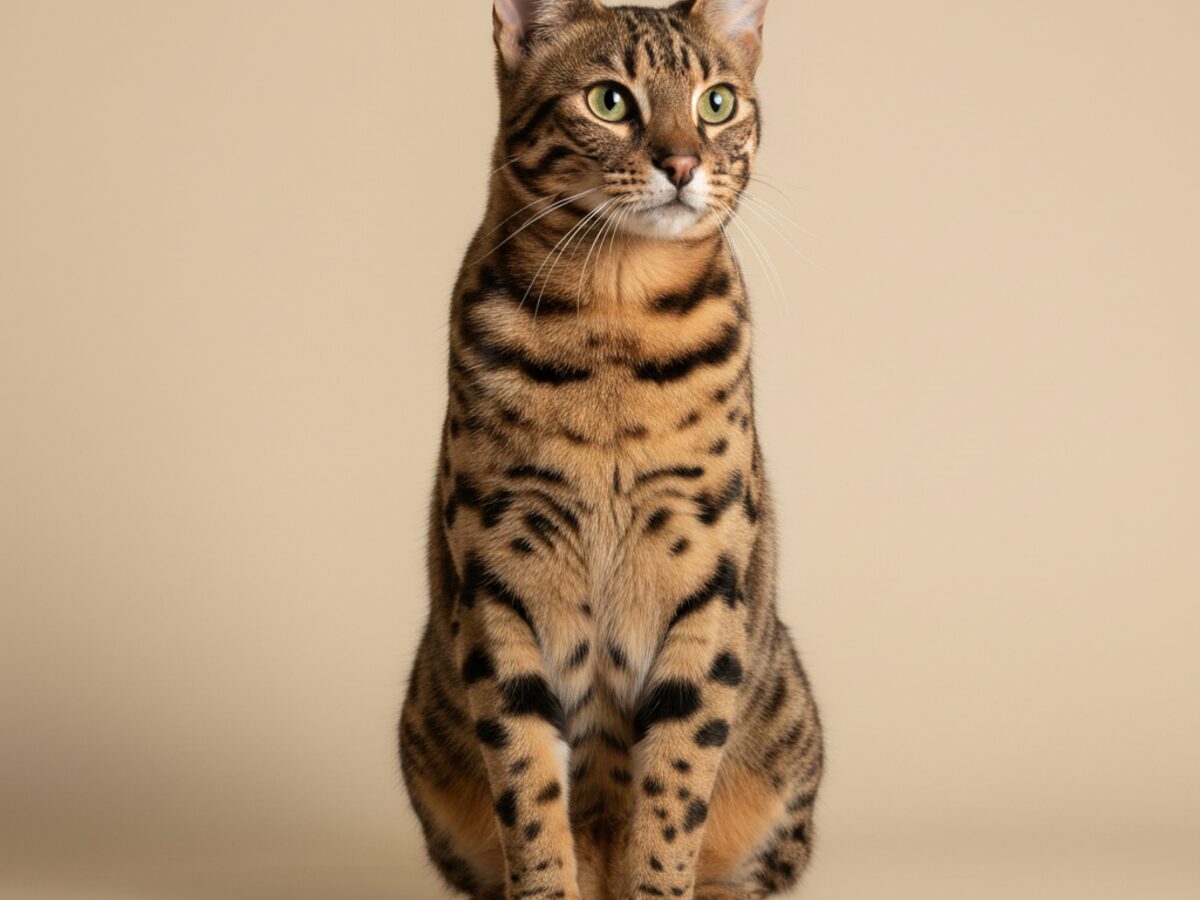
Ocicat
8.4Wild ocelot looks, 100% domestic. Super social, can learn fetch and leash walks.
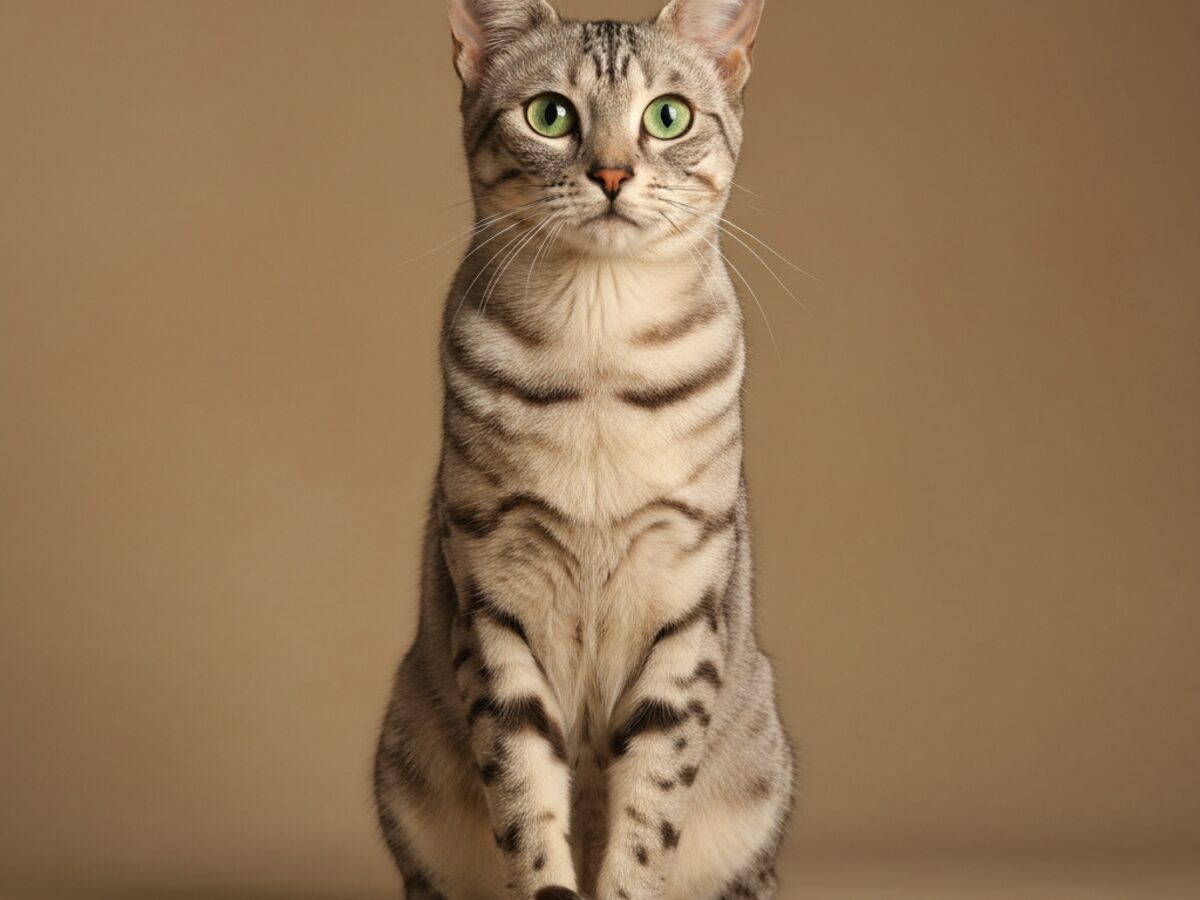
Egyptian Mau
8.5The only domestic cat with naturally spotted coat. A sprinter (up to 50 km/h), elegant and shy with strangers. Loves heat.