
Bengal
"The wild spirit of the jungle in your home!"
Overview
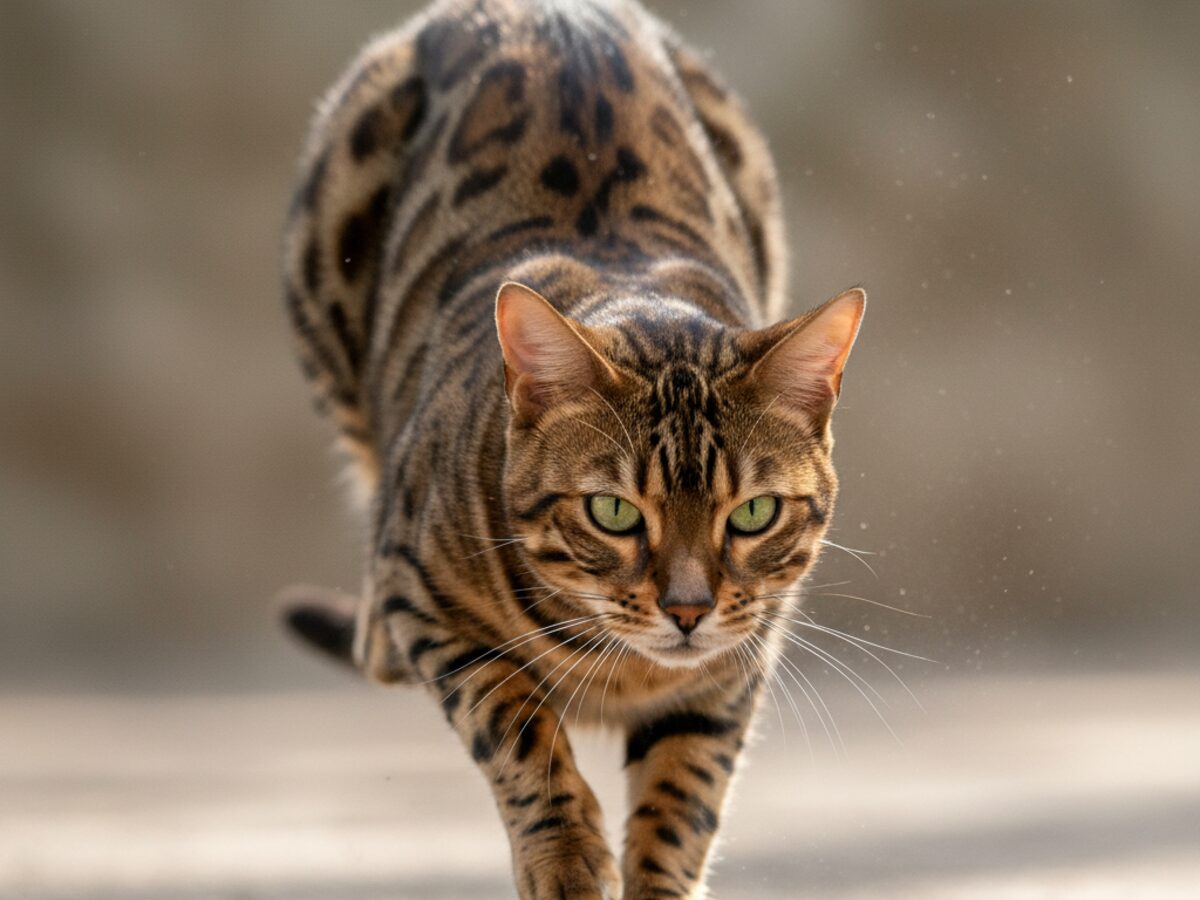
The Bengal Cat, a relatively new breed, has captivated cat lovers with its stunning wild beauty. Originating from a cross between the domestic cat and the Asian leopard cat, these felines are an example of genetic splendor. Their coat, which can be 'spotted' or 'marbled', is one of their most distinctive features. But beyond their appearance, Bengals are known for their energy and playful nature. They are cats that demand interaction and enjoy exploring their surroundings, making them ideal companions for active families looking for an animal to share daily adventures with. It is essential that they have constant mental and physical stimulation to avoid boredom and destructive behaviors.
To ensure a happy coexistence with a Bengal, environmental enrichment is key. These cats love heights, so investing in tall cat trees, wall shelves, and sturdy scratching posts is an excellent idea. Their fascination with water is another peculiar trait; many Bengals enjoy playing with dripping faucets or even swimming, which can be a source of fun for both them and their owners. Early socialization is crucial to develop their sociable character and ensure they adapt well to a family environment, including children and other pets. Their active nature means that a Bengal will rarely be a 'couch potato'; they are more likely to play fetch, follow you around the house, and engage in long periods of interactive play.
The health of the Bengal Cat is generally robust, but it is important to be aware of certain predispositions. An adequate vaccination program, regular veterinary check-ups, and a high-quality diet are essential for their well-being. As for grooming, their short coat requires minimal maintenance; weekly brushing is usually sufficient to keep it shiny and reduce shedding. However, their high energy level means they need interactive toys and structured play sessions of at least 60 minutes a day. Consider puzzle toys to keep their mind sharp and active, as well as opportunities for climbing and jumping.
In summary, the Bengal Cat is a breed for those looking for an extraordinary feline companion. They offer love, loyalty, and an endless dose of entertainment. Their exotic appearance, sharp intelligence, and active nature make them stand out. If you are prepared for a cat that will keep you busy, make you laugh with its antics, and provide you with a deep connection, the Bengal could be the perfect choice for your family. Remember, a well-socialized and stimulated Bengal is a happy and balanced family member, who will enrich your life with its lively presence and curious charms.
Key facts
- Size
- Medium
- Weight
- 4–7 kg
- Life expectancy
- 12–16 years
- Daily exercise
- 60 min/day
- Estimated total
- 128€/month
- Country
- United States
Character & temperament
Bengal Cats are known for their energetic, curious, and intelligent personalities. They are very active cats that need a lot of mental and physical stimulation. They love to play, explore, and climb, which is why they are often described as 'mini-leopards' both for their appearance and behavior. They are very people-oriented animals and enjoy interacting with their caregivers. They are not cats that simply nap on the sofa; they expect to be part of family activities.
With their family, Bengals are incredibly loyal and affectionate. They often choose one particular person as their 'favorite human' but still show affection to all household members. They love participating in daily activities, following their owners from room to room, and 'conversing' with them through meows and chirps. They are excellent companions for those looking for a cat that actively interacts and offers plenty of entertainment. They can be quite demanding of attention, so a family with time to dedicate to them is ideal.
While generally friendly, with strangers they may be a bit reserved at first, observing from a distance before deciding whether to approach. Once they feel comfortable, their curiosity often prevails and they may become more exploratory. They are not aggressive, but their alert instinct remains. With the owner, their bond is deep and based on trust and play. A happy Bengal is a constant companion, always ready for a new adventure or a moment of cuddles after an intense play session.
Living with children
Bengal Cats can be excellent companions for children, especially if raised with them from a young age. Their playful and energetic nature makes them very suitable for interacting with respectful children. It is crucial to teach children how to interact gently with the cat and supervise interactions to ensure a safe and positive environment for both.
With other pets
Bengals generally get along well with other cats and dogs if properly socialized from a young age. Their active nature can be an advantage with playful dogs. However, due to their strong prey drive, they may not be the best choice for homes with small pets like rodents, birds, or fish, unless kept completely separate and secure.
Health & prevention
Bengal Cats are generally a healthy breed, but like many cats, they can be predisposed to certain genetic conditions. These include hypertrophic cardiomyopathy (HCM), progressive retinal atrophy (PRA-b), and pyruvate kinase deficiency (PKDef). It is vital to acquire a kitten from a responsible breeder who performs genetic testing on their breeding cats. Regular veterinary visits, a good vaccination program, and appropriate nutrition are crucial for maintaining their health.
Health risks
- •Hypertrophic cardiomyopathy
- •Progressive retinal atrophy
- •Urinary stones
Care
Nutrition
An adult Bengal weighing 4-7 kg will need approximately 55-95 grams of high-quality dry food per day, or a combination of dry and wet food, always adjusting to their activity level and weight. Opt for foods rich in animal protein and low in grains. Given their high energy level, it is important to offer them meals distributed throughout the day and always ensure access to fresh water, as many Bengals enjoy water.
Grooming & hygiene
The Bengal's short, fine coat is low maintenance. Weekly brushing with a rubber glove or a soft brush is enough to remove loose hair and maintain shine. They don't need frequent baths unless they get very dirty; if necessary, use a specific cat shampoo. Nails should be trimmed fortnightly and ears checked regularly. The monthly grooming cost is minimal, around 5-10 euros if done at home.
Exercise & training
Exercise plan
Bengals have a very high energy level (5/5) and require at least 60 minutes of daily physical activity. They enjoy interactive play sessions with their owners, including wand toys, laser pointers, or feathers. They also need access to vertical spaces (tall cat trees, shelves) for climbing and exploring. Constant environmental enrichment, such as puzzle toys and hunting opportunities, is essential to keep their minds and bodies active.
Training
Bengals are very intelligent cats and can be easily trained using positive reinforcement. Litter box training is generally straightforward. Many enjoy learning tricks (like sitting or giving a paw) and can be trained to walk on a harness and leash, allowing them to safely explore. Clicker training is very effective with this breed.
Monthly cost
These costs are a monthly estimate to keep a Bengal Cat in Spain, including quality food, preventive veterinary check-ups, basic grooming products, pet health insurance, and various expenses (toys, litter).
Estimate for Spain, healthy adult cat. Varies by region and provider.
Pros & cons
Pros
- ✓Exotic and wild appearance
- ✓Sharp intelligence and easy to train
- ✓Very playful and energetic
- ✓Affectionate and loyal with its family
- ✓Fascinated by water
Cons
- !High energy level, needs a lot of activity
- !Requires constant environmental enrichment
- !Can be destructive if bored
- !Vocal and quite noisy
- !Not suitable for homes with small prey animals
Ideal for
- • Active families with cat experience
- • Homes with vertical space for climbing
- • Owners willing to dedicate time to play
- • People looking for an interactive and adventurous cat
Not recommended for
- • Sedentary people or those with little time
- • Small homes or those with limited space
- • Owners with zero cat experience
How it fits each scenario
An apartment can be suitable for a Bengal if provided with plenty of vertical enrichment and intense play sessions; however, a larger space will always be better.
A house with a secure garden (catio) is ideal, as their energy and innate curiosity make them enjoy exploring outdoors in a controlled manner.
Their short coat adapts well to warm climates, but like all cats, they need access to shade and fresh water to avoid overheating.
They are not the ideal breed for very cold climates due to their short coat. They need to be kept indoors or with access to warm shelter.
They can adapt to homes with toddlers if mutual respect is established and interaction is supervised, but their energy can be overwhelming for smaller children.
Excellent choice for school-aged children who can participate in active games, training, and enrichment, under adult guidance.
First-time owners with a strong commitment to providing intense stimulation and play can consider it, but prior experience with active cats is an advantage.
Perfect for experienced and active owners who understand the needs of an energetic cat and know how to channel their enthusiasm in a positive way.
Ideal for an active family that can engage in daily play, training, and adventures, even outdoors with a harness.
Not the best option for overly busy families who cannot dedicate at least 60 minutes of interactive play and stimulation daily.
Although some believe they are hypoallergenic, they are not. They produce less Fel D1 than other breeds, but can still cause reactions. Not suitable for severe allergy sufferers.
The initial cost and ongoing maintenance expenses are significant due to their enrichment needs and high-quality diet. Not the best option for a very tight budget.
Origin & history
The Bengal breed originated in the United States in the 1960s. It was born from an experimental breeding program that sought to combine the domesticity of the common cat with the beautiful wild appearance of the Asian leopard cat (Prionailurus bengalensis bengalensis). The main objective was to create a cat with the exotic look of a wild feline, but with the gentle and affectionate temperament of a domestic cat. The creator of the breed, Jean Mill, played a fundamental role in its development and recognition, laying the groundwork for what we know today as the vibrant and energetic Bengal Cat.
Despite their wild appearance, Bengal Cats have a unique genetic trait that makes some of them **shimmer as if covered in golden glitter** on their coat, an effect especially visible under sunlight.
Frequently asked questions
Does a Bengal Cat need to go outdoors?▾
Bengals are very active and curious cats who enjoy exploring. It is advisable to provide them with a safe outdoor space, such as a 'catio' (cat patio) or accustom them to walking on a harness and leash, to satisfy their natural instinct without risks. However, they can live happily indoors if provided with sufficient enrichment and stimulation.
Are Bengal Cats known for climbing a lot?▾
Yes, absolutely. Bengals have a strong need to climb and explore heights. It is essential to provide them with tall cat trees, appropriate shelves, and other vertical furniture so they can satisfy this instinct. Climbing not only keeps them physically active but also stimulates their curious minds.
Is it true that Bengal Cats like water?▾
Yes, unlike many cats, Bengals love water. They may play with dripping faucets, water bowls, or even try to join their owners in the shower. Some enjoy swimming in small pools. This peculiar characteristic makes them even more unique and fun to live with.
What kind of environmental enrichment does a Bengal Cat need?▾
Bengals need an environment that stimulates their mind and body. This includes tall cat trees, wall shelves for climbing, varied scratching posts, interactive toys (puzzle, wand), and regular toy rotation. They also appreciate water fountains and a safe place to observe the outdoors, like a window perch.
How much exercise does a Bengal Cat need?▾
Bengal Cats are known for their high energy levels. They need at least 60 minutes of intense interactive play daily, preferably spread across several short sessions. This can include chasing toys, jumping, climbing, or harness walks. A Bengal that doesn't get enough exercise can become bored and destructive.
Are Bengal Cats good for first-time owners?▾
Bengals require an owner who understands and can meet their high energy and stimulation needs. A first-time owner with a strong commitment to researching, learning, and dedicating the necessary time and effort can be successful. However, their intensity can be challenging for those who have never owned a cat before.
How do Bengal Cats get along with other pets?▾
Generally, Bengals can coexist harmoniously with other cats and dogs if properly introduced from a young age and adequately socialized. Their playful nature can be an advantage for integration. However, due to their strong hunting instinct, coexistence with small animals (rodents, birds, reptiles) is a risk and is generally not recommended.
Are Bengal Cats very vocal?▾
Yes, Bengals are known for being quite vocal. They use a variety of meows, chirps, and other sounds to communicate with their owners. They can be noisy when they want attention, food, or just to say hello. If you are looking for a quiet, silent cat, this may not be the right breed for you.
What is the average weight of a Bengal Cat?▾
The average weight of an adult Bengal Cat typically ranges between 4 and 7 kilograms (9 to 15 pounds). Males tend to be slightly larger and heavier than females. It is important to maintain a healthy weight for this very active breed with a balanced diet and plenty of exercise.
What are the main differences between a Bengal Cat and a common domestic cat?▾
The main differences lie in their exotic appearance (wild coat patterns), their significantly higher energy level, and their need for constant stimulation. Bengals are more vocal, enjoy water, and have a stronger prey drive than most common domestic cats. They require more interaction and enrichment to be happy.
Similar family-friendly breeds
 Hypoallergenic
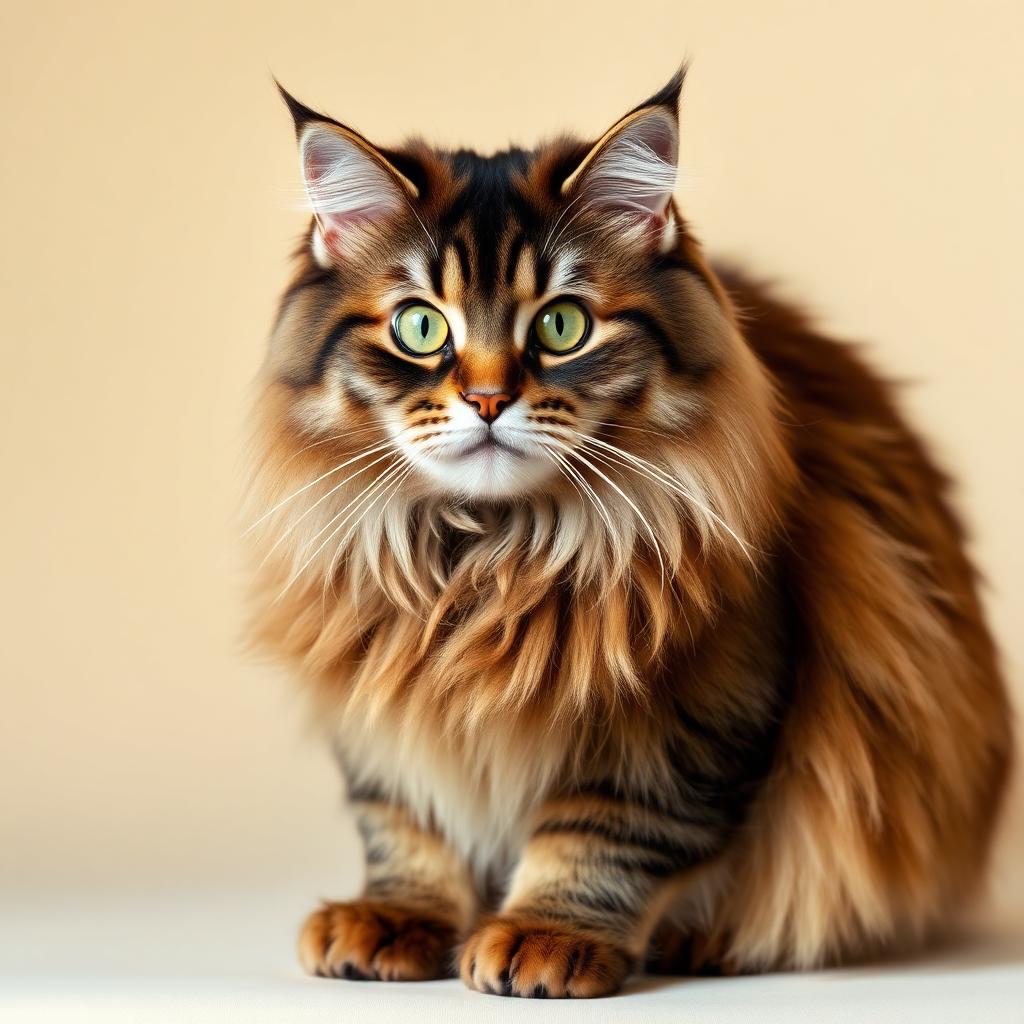
Siberian
9.2Best option for allergy sufferers: produces less Fel d 1 than average. Sturdy, playful and very cold-resistant thanks to a triple coat.
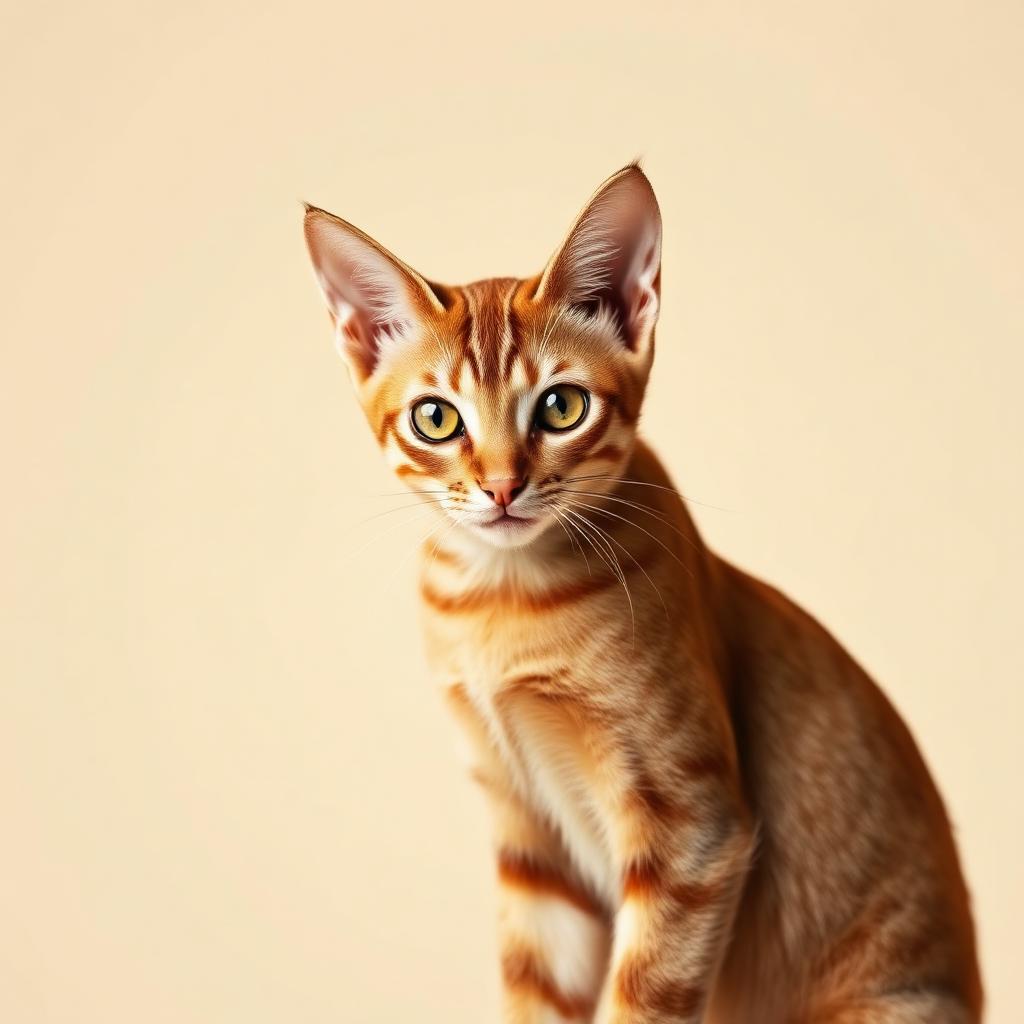
Abyssinian
8.5Sleek and athletic, like an Egyptian fresco come alive. Curious and restless: needs shelves, toys and a feline companion.
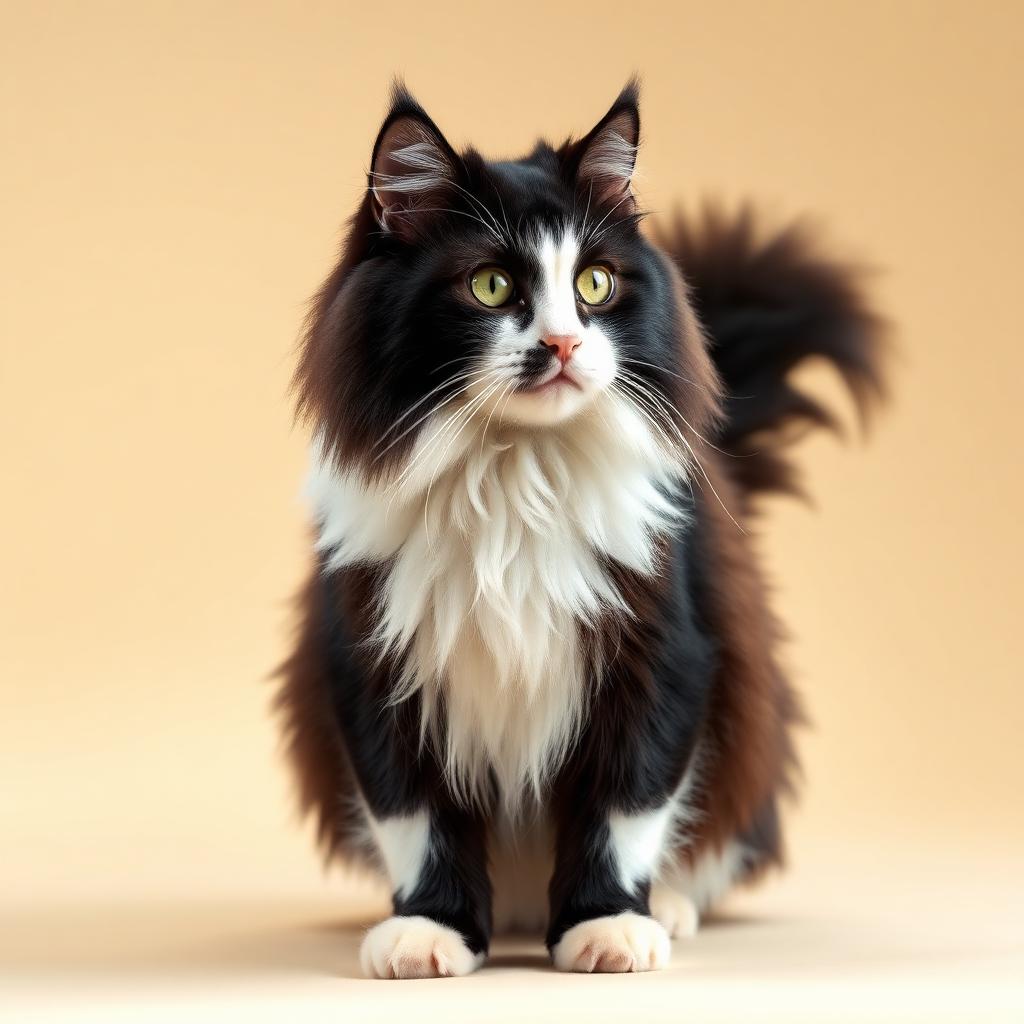
Norwegian Forest Cat
9.1The Viking cat: huge, fluffy and a born climber. Calm at home but loves the outdoors and cold. Poor fit for hot Mediterranean climates.