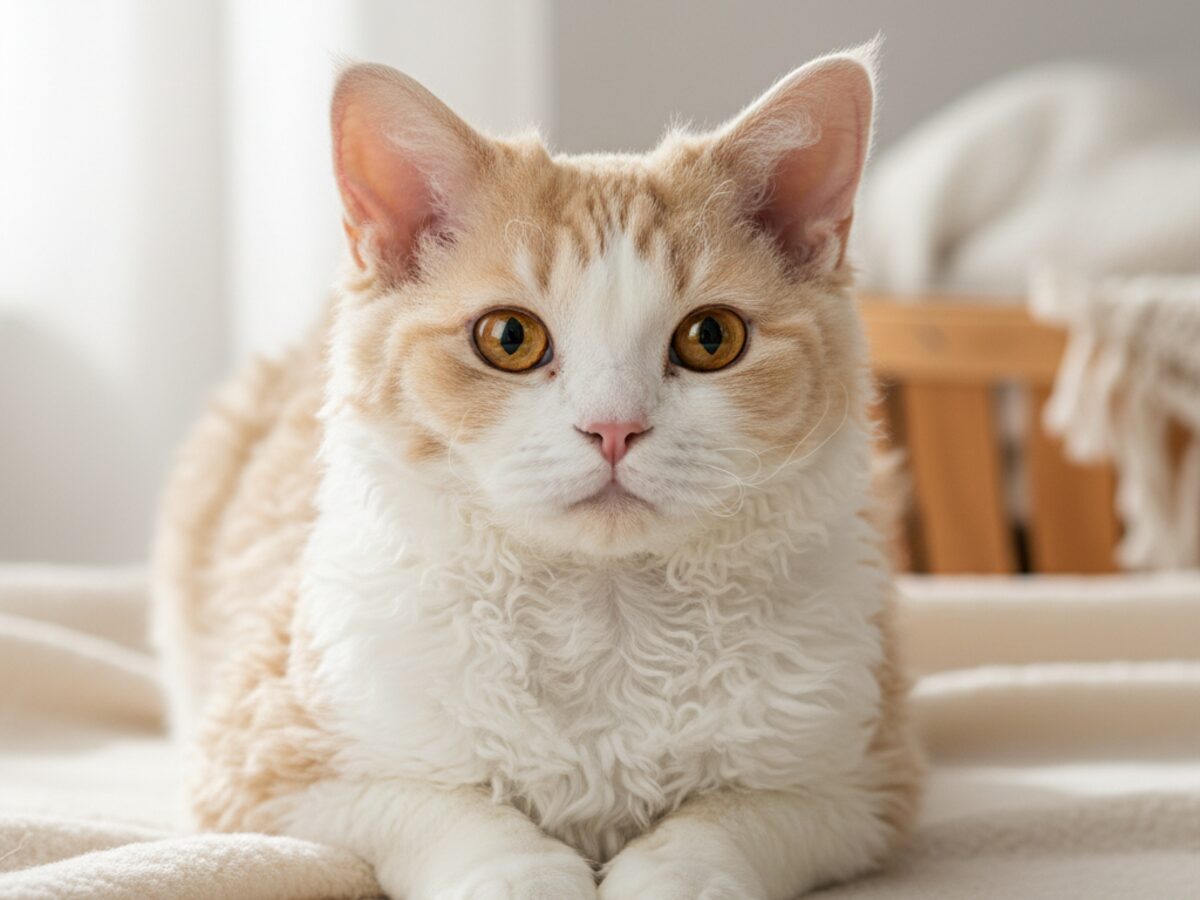
Selkirk Rex
"The cat with the purrfect curl! Sweet, playful, and a coat as soft as a cloud."
Overview
The Selkirk Rex is one of the most unique and charming cat breeds, known for its distinctive curly or wavy coat that gives it a "sheep-like" or "teddy bear" appearance. Originating in the United States, this medium-sized breed stands out not only for its beauty but also for its extraordinarily affectionate and patient temperament. Perfect for families with children, the Selkirk Rex is a tolerant and jovial cat, ideal for play and cuddles. Unlike other Rex breeds, its curly coat gene is dominant, making it unique in the feline world. Its sociable personality means it gets along well with other animals, including dogs, and its intelligence makes training easy, even for first-time owners. It is an ideal pet for those looking for a loyal and playful companion who wants to be an active part of family life.
When considering a Selkirk Rex for your family, it's important to understand its care needs. Although its coat requires regular brushing (2-3 times a week) to prevent mats and maintain curl definition, it's not an extremely high-maintenance cat. Its general health is good, with a lifespan of 10 to 15 years, although it's wise to be aware of genetic predispositions to conditions like Hypertrophic Cardiomyopathy and Polycystic Kidney Disease. Annual veterinary visits and a high-quality diet are essential for its well-being. These moderately energetic cats enjoy daily interactive play sessions, which help keep them physically and mentally stimulated.
Researching reputable Selkirk Rex breeders is crucial to ensure the kitten's health and good temperament, and to avoid the scams or irresponsible breeders that are so common. An ethical breeder will provide health guarantees and be able to answer all your questions about the breed. Although they are not hypoallergenic, their low meow level and adaptable nature make them excellent apartment companions. The Selkirk Rex is more than just a pretty cat; it's a family member full of love, mischief, and unparalleled charm. With its presence, your home will be filled with joy, soft purrs, and an unmistakable personality reminiscent of a cuddly teddy bear.
Character & temperament
Selkirk Rex cats are truly the complete package: they have the beauty of curls and a heart of gold. They are incredibly sweet, patient, and affectionate cats, who enjoy their family's company more than most breeds. They are often described as 'canine-like felines' because they love to follow their humans from room to room, participate in family activities, and even learn to fetch toys. They are very calm and rarely get stressed, making them perfect for busy households.
Their playful and curious nature remains throughout their lives. They love to explore, climb, and play with interactive toys. They are not overly vocal, but they will express their needs and desires with soft meows and purrs. A Selkirk Rex thrives on attention and affection, becoming a loyal and endearing member of any home. If you are looking for a cat that wants to be an active part of your life and offers constant companionship, this is the one.
Living with children
Selkirk Rex cats are practically tailor-made for families with children! Their patient and tolerant temperament makes them especially suitable for living with the little ones in the house. They are not easily startled and are usually very understanding of children's hustle and energy. In fact, they often enjoy the interaction, actively seeking play and cuddles.
It is essential to teach children (especially the youngest, 0-6 years old) to interact respectfully with the cat, explaining that they should touch it gently and recognize the signals when the cat needs a quiet space. For children 7 years and older, the Selkirk Rex will become a wonderful playmate, participating in feather wand or laser pointer play sessions. Initial supervision and clear guidelines will help build a harmonious and lasting relationship for everyone.
With other pets
The sociable and calm nature of the Selkirk Rex also extends to its coexistence with other animals. They are cats that generally adapt very well to the presence of **other cats** and even friendly **dogs**, especially if they have been socialized from a young age. Their patience makes them ideal companions who do not usually seek conflict. When introducing a new animal into the home, a gradual and supervised introduction is always recommended to ensure good integration. With proper patience and affection, your Selkirk Rex will likely make new furry friends and become part of a large and harmonious multi-species family. They might even share naps on the sofa!
Health & prevention
In general, the Selkirk Rex is a robust and healthy breed, with a lifespan of 10 to 15 years or more. However, like many breeds, they can be susceptible to some genetic conditions due to their heritage. Among the hereditary risks to watch for are Hypertrophic Cardiomyopathy (HCM), which is a common feline heart disease, and Polycystic Kidney Disease (PKD), more prevalent in lines with Persian or Exotic ancestry. It is also important to be aware of possible dental problems.
To ensure a long and happy life for your Selkirk Rex, regular veterinary visits (at least once a year) are crucial for preventive check-ups. A veterinarian can perform screening tests for HCM and PKD (such as ultrasounds or genetic tests) if deemed necessary. Maintaining their ideal weight, offering a balanced diet, and ensuring good dental hygiene from an early age are vital tips for managing their health. Always consult your vet if you notice any changes in your cat's behavior or health.
Health risks
- •Hypertrophic cardiomyopathy
- •Polycystic kidney disease
Care
Nutrition
A Selkirk Rex's diet should be **high-quality and rich in protein**, suitable for a medium-sized, active cat. Opt for reputable dry or wet food brands that list meat as the first ingredient. Consider diets specifically formulated for long-haired cat breeds (even with curls, the nutrition for skin and coat is similar), which may contain omega-3 and omega-6 fatty acids to maintain their curly coat and healthy skin. Adjust the amount of food to their age, activity level, and ideal weight. A veterinarian can offer personalized nutritional guidelines for your Selkirk Rex.
Grooming & hygiene
Despite their curly coat, Selkirk Rex cats are not as demanding with grooming as one might expect, especially the short-haired version. Their **curly hair does not tangle as easily** as straight hair. However, they do need regular care to keep their curls in optimal condition and prevent matting, especially long-haired ones. A **gentle brushing 2-3 times a week** with a wide-toothed comb or brush is sufficient. Avoid harsh brushes that can straighten or break the curls. Baths are only necessary occasionally (every few months or when visibly dirty) to help define the curls and remove excess oils. Use a cat-specific shampoo and gently towel dry, letting the air do the rest. Don't forget to clean their ears and check their nails regularly.
Exercise & training
Exercise plan
Selkirk Rex cats have moderate energy. They love to play and stay active, but they are not hyperactive. They need daily play sessions of **15-20 minutes** with interactive toys like feather wands, balls, or laser pointers to satisfy their hunting instinct and keep their minds stimulated. They also appreciate scratching posts, cat trees with multiple platforms for climbing, and places to observe the world from above. Providing them with an enriched environment with toys and the opportunity to explore is key to their physical and mental well-being.
Training
Selkirk Rex cats are **intelligent and eager to please**, making them quite easy to train. They respond well to positive reinforcement, such as treats and praise. You can teach them simple tricks, to use the litter box without problems, and to tolerate grooming from an early age. Due to their 'dog-like personality,' some may even learn to fetch objects or walk on a leash. The key is consistency, patience, and making training a fun and rewarding experience for them. You could even record their progress like a TikTok clip showing smart cats!
Monthly cost
These costs are monthly estimates. Initial acquisition cost (between €800 and €1500) and initial expenses (vaccines, sterilization, accessories) are not included.
Estimate for Spain, healthy adult cat. Varies by region and provider.
Pros & cons
Pros
- ✓Unique and attractive curly coat.
- ✓Sweet, patient, and affectionate temperament.
- ✓Adapts well to families with children.
- ✓Sociable with other animals.
- ✓Intelligent and easy to train.
- ✓Low meow level.
Cons
- !Requires regular brushing for its curls.
- !Can be prone to certain genetic diseases.
- !Needs stimulation and companionship.
- !Kittens are born with curls that may temporarily disappear.
- !Not suitable for people with severe allergies.
Ideal for
- • Families with children of all ages.
- • Homes with other friendly cats or dogs.
- • People looking for an affectionate lap cat.
- • Owners willing to dedicate time to play and interaction.
- • Those who appreciate a unique personality in their pet.
Not recommended for
- • People with severe cat allergies.
- • Those looking for an independent and solitary cat.
- • Households where the family is absent for most of the day.
- • Owners unwilling to brush their coat regularly.
How it fits each scenario
Excellent. Its adaptable and affectionate nature makes it perfect for apartment living, as long as it receives enough attention and play.
Good. It will enjoy a secure garden, but its strong family bond means it will prefer to be inside with its humans.
Moderate. Its curly coat can retain heat, so it needs access to cool places and shade, especially long-haired varieties.
Good. Its curly coat offers good protection against the cold, making it suitable for temperate to cold climates, as long as it's an indoor cat.
Excellent. Its innate patience and tolerance are ideal for interacting with young children under supervision.
Excellent. It will be an exceptional playmate and cuddler, enjoying the company of older, more active children.
Excellent. Its friendly and easy-going nature makes it a great choice for first-time owners, as long as they are willing to educate and dedicate time to it.
Excellent. An experienced owner will appreciate its peculiarities and maximize its well-being.
Excellent. It will love participating in family games and activities, following its humans around.
Moderate. Although adaptable, they need attention and do not thrive if regularly left alone for very long periods. A second animal can help.
Not ideal. Despite their coat, they are not considered hypoallergenic and can trigger allergies.
Not ideal. The acquisition cost and specific veterinary care can be higher than other breeds.
Origin & history
The story of the Selkirk Rex began in 1987 at an animal shelter in Montana, United States. A stray cat gave birth to a litter of kittens, and one of them, a female named Miss DePesto, had an unusually curly coat. A Persian breeder, Jeri Newman, was fascinated by this genetic peculiarity and decided to cross her with a black Persian. The result was astonishing: from that litter, three kittens inherited the mysterious curl. These were the foundations of a new and exciting breed.
The name 'Selkirk Rex' pays homage to Jeri Newman's stepfather, Selkirk, making it the only cat breed named after a person. Unlike other Rex breeds (such as the Devon Rex or Cornish Rex) which have a recessive gene, the Selkirk Rex gene is dominant, meaning a single curly parent can pass on the trait. Thanks to the hard work of dedicated breeders, the breed quickly gained recognition in major feline associations worldwide.
The Selkirk Rex gene is the only **dominant** curly coat gene known in cats! This means that only one parent needs to have curls for the kittens to also have them, unlike other Rex breeds with recessive genes. It's like in the movie '101 Dalmatians' where the distinctive trait (the spots) is passed on to almost everyone.
Frequently asked questions
Is the Selkirk Rex's curly coat difficult to maintain?▾
Not as much as it seems. Although it requires regular brushing (2-3 times a week) to prevent mats and maintain curl definition, it's not as prone to tangling as other long-haired breeds. Avoid very stiff brushes.
Are Selkirk Rex suitable for people with allergies?▾
Unfortunately, no. Despite their appearance, Selkirk Rex are not considered a hypoallergenic breed. They produce the Fel d 1 protein, the main cause of cat allergies, although some owners with mild allergies might tolerate them.
Are they very vocal or noisy?▾
No, Selkirk Rex cats are generally low to moderate vocal cats. They are not known for excessive meowing, but they will communicate with soft meows and purrs to express their needs and affection.
What kind of family is ideal for a Selkirk Rex?▾
They are ideal for active families looking for an affectionate and participatory companion. They adapt very well to homes with children of all ages and other animals, as long as they receive enough companionship and stimulation.
Can Selkirk Rex live indoors only?▾
Yes, absolutely. They are cats that thrive indoors, especially if provided with an enriched environment with toys, scratching posts, and opportunities to climb. Their safety and well-being are prioritized in a home environment.
What are Selkirk Rex kittens like at birth?▾
Some kittens are born with obvious curls, while others may be born with barely perceptible wavy fur. Interestingly, the curls can temporarily disappear around 3-6 months of age (the 'frustrating' phase) only to reappear and set their definitive pattern by one and a half to two years old. It's like a little surprise from nature!
Similar family-friendly breeds
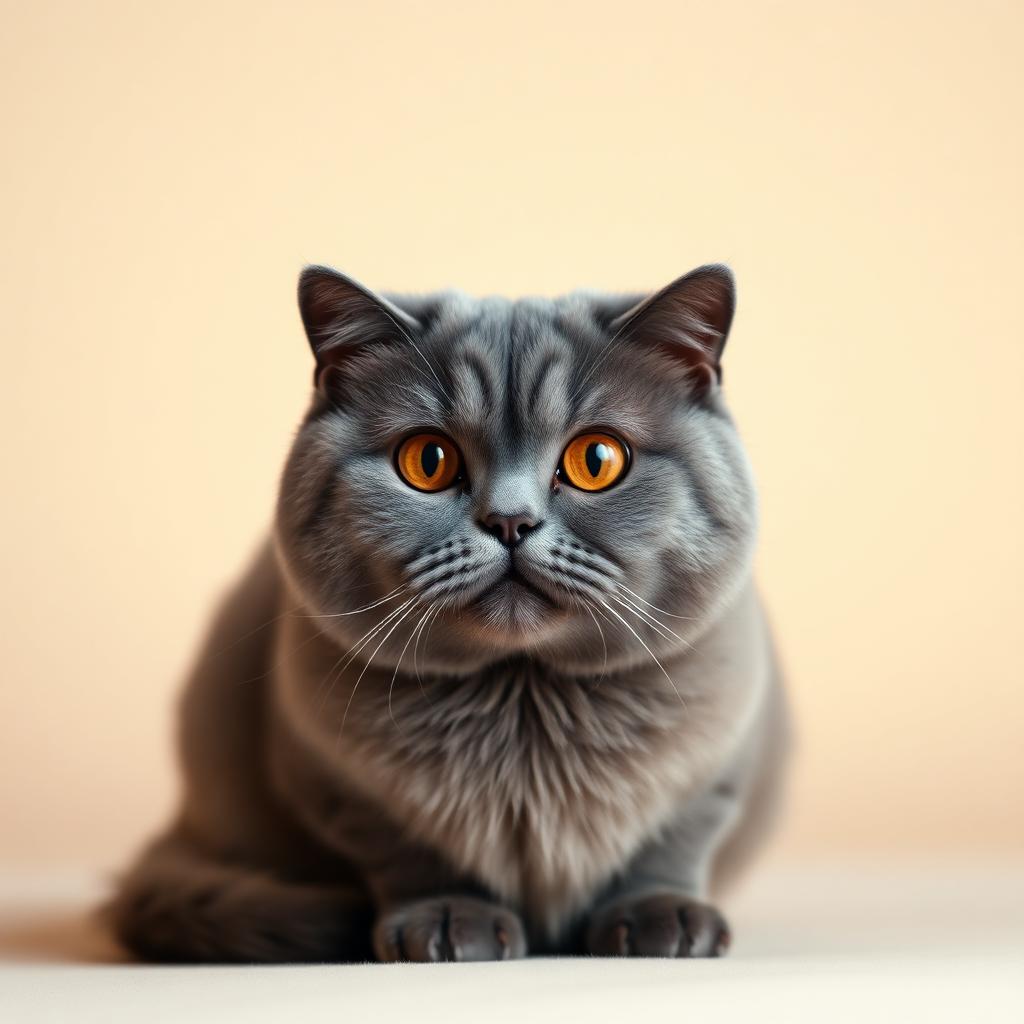
British Shorthair
9.5Calm, plush teddy-bear cat and very flat-friendly. Independent without being aloof: likes being near you, not on you.
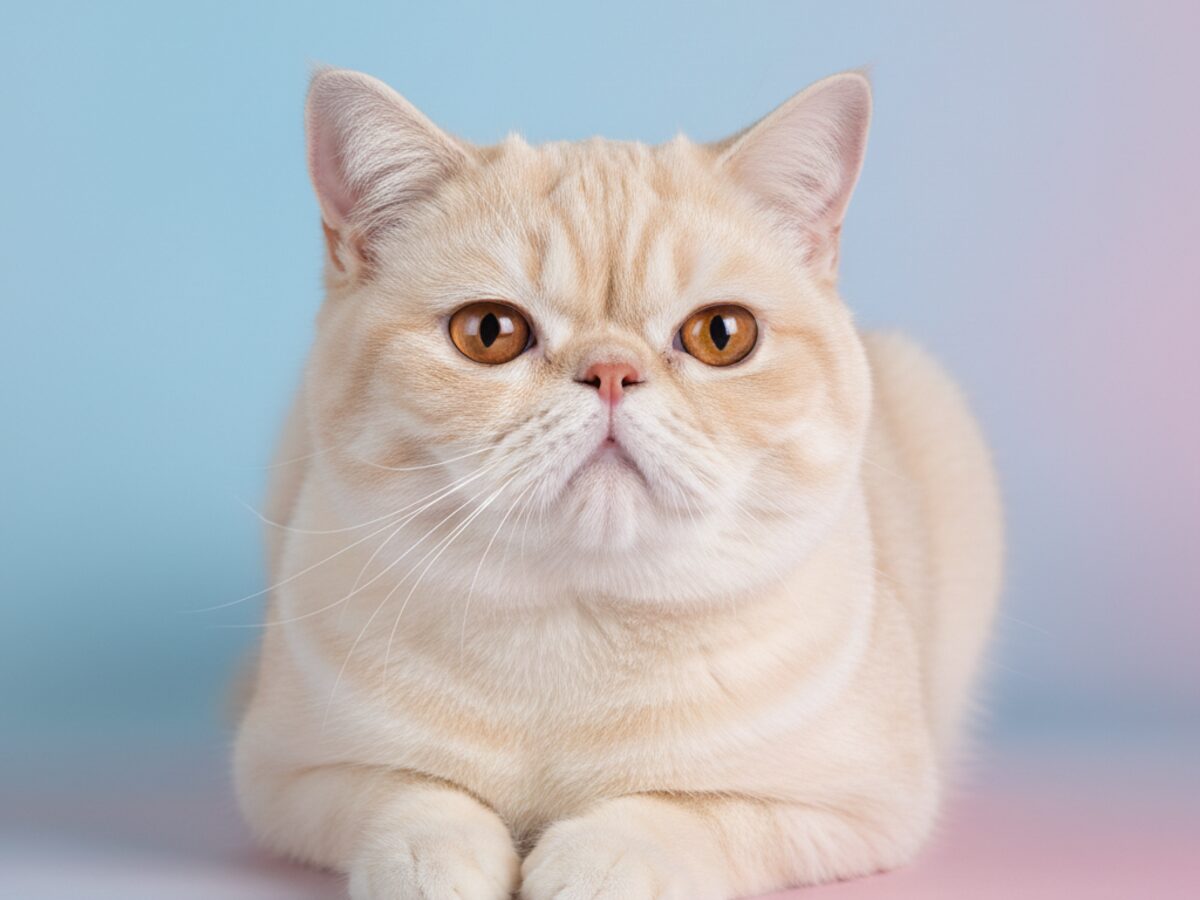
Exotic Shorthair
8.6The Persian in pajamas: same flat face, but short coat and no daily knots. Perfect for plushy cuddles without marathon brushing.
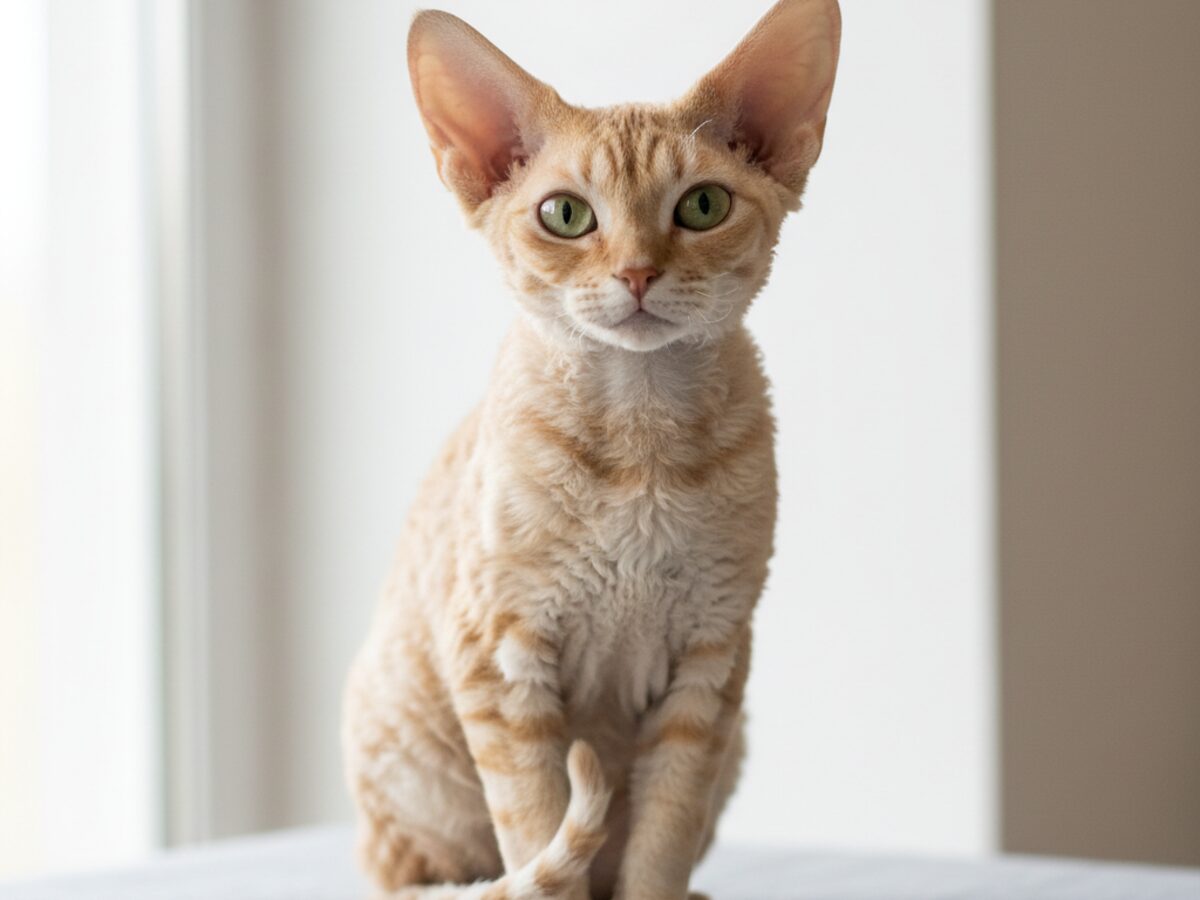
Devon Rex
8.5Pixie face, huge ears and curly suede-like coat. Mischievous, clown-ish and clingy; lives on your shoulder.