Abyssinian
"The Abyssinian: ancient elegance, boundless energy."
Overview
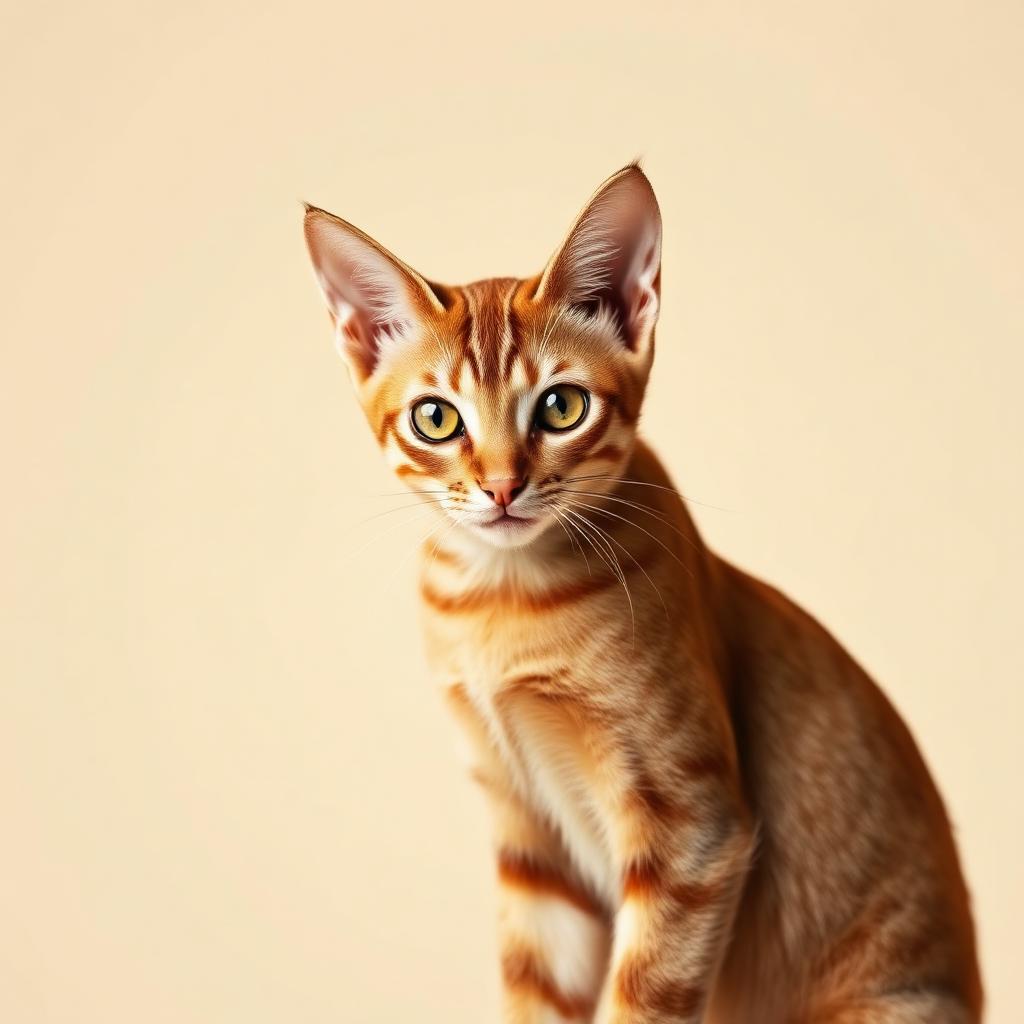
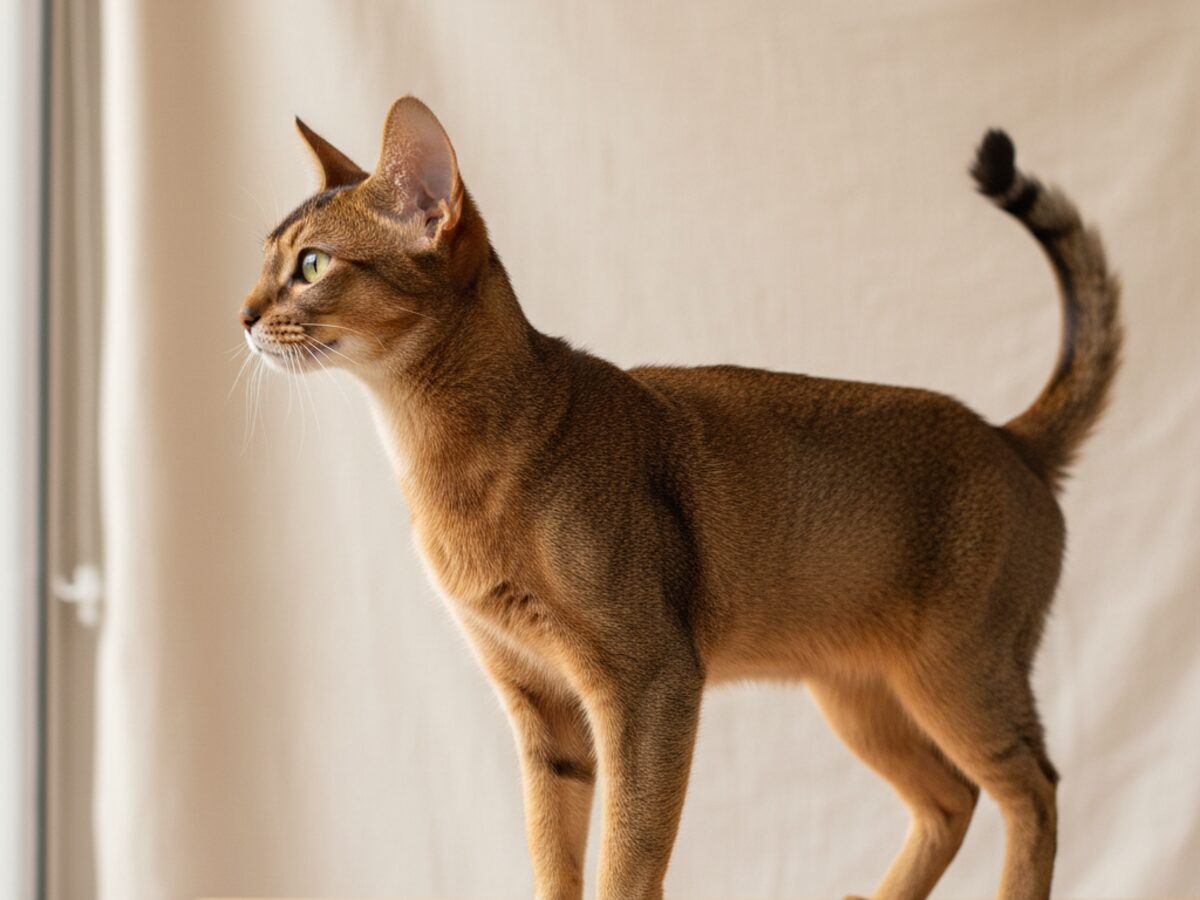
The Abyssinian, often compared to the sacred cats in Egyptian frescoes, is a breed as fascinating as it is beautiful. With its distinctive "ticked" coat (each hair has bands of color), slender silhouette, and large expressive eyes, it embodies feline grace and mystery. This medium-sized cat (3-5 kg) is not only a visual delight but also possesses a vibrant personality that makes it an exceptional family companion.
Key facts
- Size
- Medium
- Weight
- 3–5 kg
- Life expectancy
- 12–15 years
- Daily exercise
- 45 min/day
- Estimated total
- 115€/month
- Country
- Etiopía / Reino Unido
Character & temperament
The Abyssinian is an incredibly active and curious cat. Not a lap cat in the traditional sense, though they do enjoy their family's company and affection. They are always on the move, investigating, exploring, and participating in all household activities. Their energy level is 5/5, meaning they require plenty of mental and physical stimulation to stay happy and avoid boredom.
Living with children
The Abyssinian gets along very well with children if socialized properly from a young age. Their playful and energetic nature makes them an ideal companion for active children. It's important to teach children to interact respectfully and gently with the cat, and to supervise interactions to ensure a positive environment for both.
With other pets
Abyssinians are generally sociable and adapt well to living with other animals, especially other cats. In fact, they **need feline companionship** to channel their high energy and prevent boredom when their humans are away. With dogs, they can coexist peacefully if introduced properly and the dog is cat-friendly. However, due to their hunting instinct, they are not ideal for homes with small pets like rodents or birds.
Health & prevention
Abyssinians are generally a robust breed, but they are prone to some genetic conditions such as Pyruvate Kinase Deficiency (PKDef), Progressive Retinal Atrophy (PRA), and renal amyloidosis. Responsible breeders perform genetic testing. A balanced diet, regular exercise, and annual vet visits are key to their health and for detecting any problems early. Prevention of internal and external parasites is also crucial.
Health risks
- •Progressive retinal atrophy
- •Pyruvate kinase deficiency
- •Renal amyloidosis
Care
Nutrition
An adult Abyssinian needs between 60-80 grams of high-quality dry food per day, supplemented with wet food for good hydration. Opt for protein-rich, grain-low kibble. Given their high energy level, nutrition quality is vital. They should always have access to fresh water. Consider a water fountain to encourage water intake.
Grooming & hygiene
The Abyssinian's short, fine coat requires minimal grooming. A weekly brushing with a rubber glove or soft brush is sufficient to remove loose hair and maintain shine. Baths are only necessary if they get very dirty. Their nails should be trimmed every 2-4 weeks. The monthly grooming cost is usually low, around 5-10 euros if done at home.
Exercise & training
Exercise plan
The Abyssinian has an energy level of 5/5 and **needs a lot of physical and mental activity**. At least two interactive play sessions of 15-20 minutes daily are recommended, using wand toys, laser pointers (with a final catch), and puzzle toys. It is crucial to provide **vertical spaces** like tall cat trees, floating shelves, and scratching posts for them to climb, jump, and explore. Mental stimulation is as important as physical exercise for this intelligent breed.
Training
Abyssinians are very intelligent cats and respond well to positive reinforcement training. They can easily learn to use the litter box, respond to their name, and even walk on a harness and leash. Clicker training is very effective for teaching them tricks and desirable behaviors. Leveraging their curiosity and desire for interaction makes training a fun and enriching activity for both.
Monthly cost
Costs vary depending on food quality, insurance coverage, and vet visits. An Abyssinian requires a moderate monthly budget.
Estimate for Spain, healthy adult cat. Varies by region and provider.
Pros & cons
Pros
- ✓Extremely playful and energetic
- ✓Very intelligent and trainable
- ✓Short coat, easy to care for
- ✓Sociable, adapts well to other animals
- ✓Affectionate and loyal to its family
Cons
- !Requires a lot of stimulation
- !Can be destructive if bored
- !Not a constant lap cat
- !Vocal and demanding of attention
- !Prefers feline companionship if alone
Ideal for
- • Active families with older children
- • People who can dedicate time to play
- • Households with other cats
- • Owners experienced with active cats
Not recommended for
- • People seeking an independent cat
- • Households that spend a lot of time away
- • Lovers of passive lap cats
How it fits each scenario
Yes, the Abyssinian can adapt to apartment living if provided with enough stimulation and vertical space to explore.
A house with a secure garden is ideal for their energy, but only under supervision or in a securely fenced enclosure.
Their short coat is suitable for hot climates, but they need access to shade and fresh water.
Due to their short coat, they need extra protection in cold climates, preferably living indoors.
They might be too energetic for toddlers; it's best to supervise and teach respectful interactions.
Excellent companion for school-aged children who enjoy active play and can interact with them.
Can be challenging for a first-time owner due to their high energy and need for stimulation.
Ideal for experienced owners who understand the needs of an active and playful cat.
Fits perfectly with an active family who can engage in their play and stimulation.
Not the best option for very busy families, as they need a lot of attention and interaction.
Abyssinians are not hypoallergenic and can cause reactions in people with allergies.
An Abyssinian has moderate care costs, but their need for enrichment can add to expenses.
Origin & history
Although its name suggests an Ethiopian origin (ancient Abyssinia), the modern history of the Abyssinian dates back to Great Britain. It is believed that the first specimens were brought to the UK from Ethiopia in the 19th century, possibly as spoils of war. However, recent genetic studies suggest that the breed may have evolved on the coast of the Indian Ocean and Southeast Asia, arriving in Europe via traders. The breed was consolidated and developed in Great Britain, where its distinctive characteristics were established through selective breeding.
The Abyssinian's distinctive "ticked" coat, where each hair has bands of color, is known as the agouti pattern and is genetically similar to the coats of wild mammals like rabbits and squirrels, giving them natural camouflage.
Frequently asked questions
Is the Abyssinian a hypoallergenic breed?▾
No, the Abyssinian is not considered a hypoallergenic breed. Although their coat is short, they still produce the Fel d 1 protein, which is the main cause of allergies in humans. People with allergies should spend time with an Abyssinian before adopting one.
How much exercise does an Abyssinian need?▾
Abyssinians are very active cats with an energy level of 5/5. They need at least 30-40 minutes of intense interactive play daily, divided into several sessions. They also require access to vertical spaces for climbing and exploring to satisfy their natural curiosity.
Do Abyssinians get along with other animals?▾
Yes, Abyssinians are generally sociable and get along well with other cats, and even dogs if introduced properly. In fact, they often benefit from the companionship of another cat to help them burn off energy. However, their strong hunting instinct makes them unsuitable for living with small pets like rodents or birds.
What type of coat does an Abyssinian have?▾
The Abyssinian has a short, fine, and silky coat. Its most distinctive feature is the "ticked" or agouti pattern, where each individual hair has multiple bands of color, typically three to four, giving it a shimmering appearance and depth effect. This makes them look wild, as if they've roamed freely.
Are Abyssinians vocal?▾
Yes, Abyssinians are generally quite vocal cats. They use a variety of soft meows and chirps to communicate with their humans and express their needs and desires. They enjoy "conversations" and will let you know if they want to play or are hungry.
Do Abyssinians prefer to live alone or with other cats?▾
Abyssinians are very social and often benefit from the companionship of another cat. Their high energy and need for interaction are better met when they have a feline companion to play with, especially if their humans are away from home for long periods.
What is the life expectancy of an Abyssinian?▾
The average life expectancy of a healthy Abyssinian is 9 to 15 years. With proper care, a balanced diet, and regular vet visits, many Abyssinians can live long and happy lives. Bloodline genetics also play an important role.
Does an Abyssinian need vertical spaces?▾
Absolutely. Abyssinians are natural explorers and climbers. Providing them with tall scratching posts, cat trees, wall shelves, and other elevated spaces is crucial for their physical and mental well-being. This allows them to satisfy their instinct to climb and observe their surroundings from above.
Are Abyssinians good lap cats?▾
They are not typical lap cats that stay still for long. While they are very affectionate and enjoy interaction with their humans, their active nature means they prefer to participate in activities or explore. They are more likely to cuddle up beside you than on you.
Similar family-friendly breeds

Bengal
8.4Mini-leopard looks with boundless energy. Loves water, climbs everything and needs constant enrichment: small flats without stimulation are a no.

Siamese
9.0Chatty, brilliant and very people-demanding. If you work long hours, adopt one in pairs.
Norwegian Forest Cat
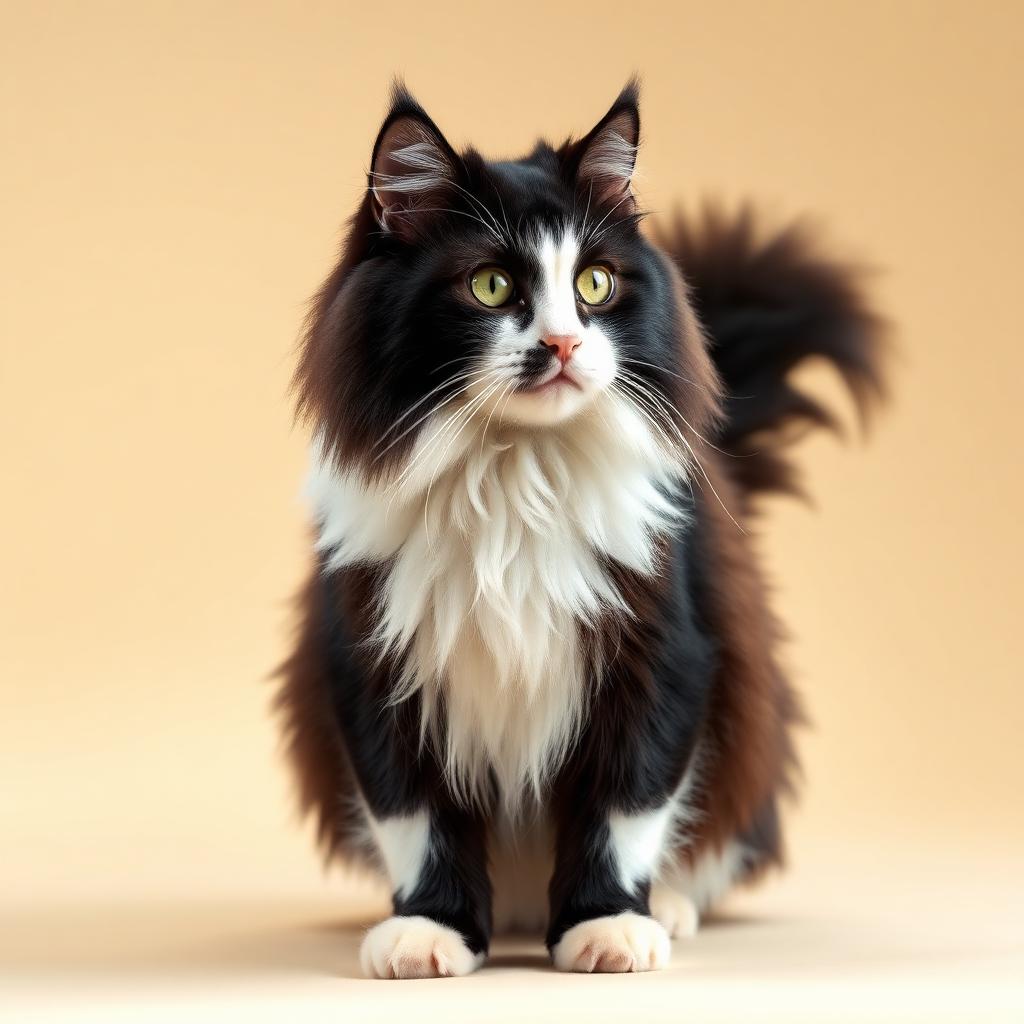
9.1The Viking cat: huge, fluffy and a born climber. Calm at home but loves the outdoors and cold. Poor fit for hot Mediterranean climates.