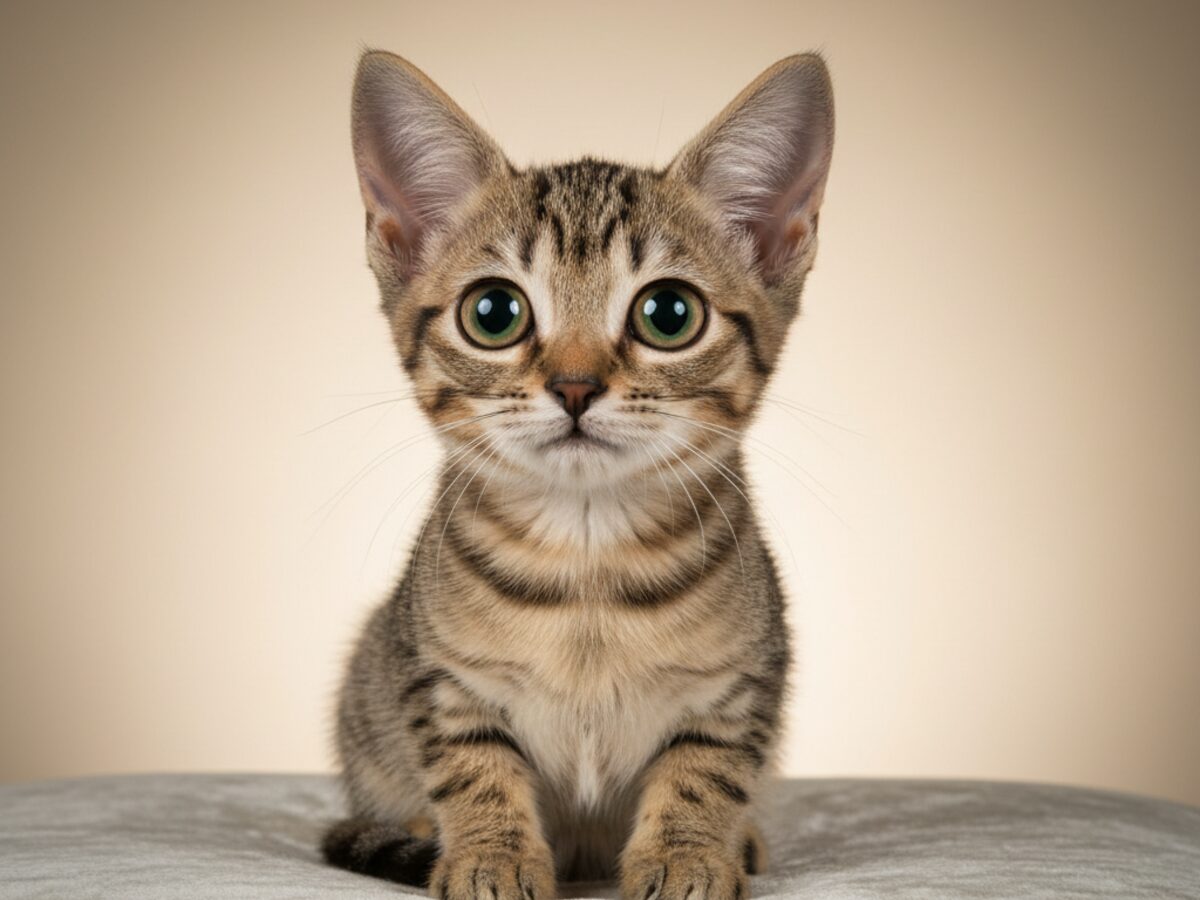
Singapura
"Singapura: The **adorable miniature** with a giant heart, perfect for the family!"
Overview
Discover everything about the Singapura, the world's smallest natural cat breed, ideal for families. At FamiCats.com, we offer a comprehensive guide to this adorable feline known for its playful and affectionate personality. If you're looking for a furry companion that adapts to apartment living and loves interaction, the Singapura is your choice. Its exotic origin from the streets of Singapore, nicknamed the "drain cat", has given it robust health and a balanced temperament, making it a perfect family member.
The Singapura is a small but energetic cat, needing daily mental and physical stimulation. It is an exceptional companion for families with children, as its sociable and tolerant nature makes it ideal for growing up alongside little ones. Its short, easy-care coat requires minimal brushing, perfect for busy owners. Additionally, its sociability extends to other pets, integrating seamlessly into multi-animal households as long as introductions are gradual. We explore its diet, grooming, and exercise needs to keep your Singapura happy and healthy.
In this guide, you'll find detailed information on Singapura health, including Pyruvate Kinase Deficiency (PKDef) and the importance of choosing an ethical breeder who performs genetic testing. We also cover the costs of owning a Singapura, from food to pet insurance, providing a realistic view of the necessary investment. Learn about its pros and cons, and whether it's the right breed for your lifestyle, whether you're a first-time or experienced owner. A Singapura is not just a pet; it's a devoted family member that will follow you around the house, seeking cuddles and games, filling your home with joy and purrs.
Character & temperament
The Singapura's personality is as captivating as its appearance. They are incredibly playful and curious cats, always ready for a new game or to investigate what you're doing. Don't be surprised if your Singapura follows you from room to room, supervising your activities with great interest. Despite their small size, they have high energy and love to climb and jump, making them little domestic acrobats. They thoroughly enjoy interactive toys and tall scratching posts. A bored Singapura can become a bit mischievous, so make sure to keep their mind and body active! In addition to being active, they are extraordinarily affectionate and people-oriented cats. They love being close to their humans and are known for being true "lap cats". They enjoy cuddles, petting, and will snuggle up with you on the couch to watch your favorite show. Their voice is soft and melodious, and they don't tend to meow excessively, but they know how to make themselves understood when they want attention or food. They are loyal to their family and can form very strong bonds, becoming a friendly feline shadow. They are less "demanding" than a Siamese but are definitely not cats that prefer solitude. If you've ever seen an anime character faithfully accompany their owner, that's the Singapura vibe! Their sweetness and adaptability make them great for almost any home, especially those looking for a committed furry friend.
Living with children
The Singapura is a wonderful companion for children, given its playful and tolerant nature. They are small enough not to intimidate little ones, and their innate energy means they're always ready for a game with a fishing rod toy or a ball. It's important to teach children, especially younger ones (under 5 years old), to interact respectfully with any cat. They should learn not to pull tails, avoid squeezing them tightly, and generally be gentle. Under supervision, the Singapura can form a very special bond with children, becoming a furry friend who participates in their games and naps. We always recommend adult supervision for initial interactions.
With other pets
The Singapura's sociable nature makes them generally compatible with other household pets, including **other cats** and even **docile, well-socialized dogs**. Their small size means it's important to ensure any canine companion is gentle and doesn't view them as prey. Singapuras enjoy company and can learn to coexist peacefully, even sharing play routines. **Gradual introduction** is key to ensuring a good relationship. With proper patience, they will integrate smoothly into a multi-pet household, providing even more fun and warmth.
Health & prevention
Generally, the Singapura is a robust and healthy breed with a life expectancy of 11 to 15 years or more. However, like all breeds, they can be predisposed to certain genetic conditions. One specific concern is Pyruvate Kinase Deficiency (PKDef), a genetic disorder that can cause anemia. Responsible breeders always perform genetic testing on their breeding cats to avoid passing this disease to their litters. It is crucial to acquire a kitten from a breeder who can provide health certificates for the parents. In addition to genetic testing, it is vital to keep your Singapura's vaccinations up to date, schedule regular veterinary check-ups, and maintain a parasite control program. A balanced diet and adequate exercise will also contribute to their overall well-being. Watch for any changes in their appetite or behavior, as these can be indicators of a health problem. Their small size makes them a bit more sensitive to temperature changes, so ensure they always have a warm, cozy spot.
Health risks
- •Uterine inertia
- •Pyruvate kinase deficiency
Care
Nutrition
Given their energy and small size, Singapuras require a **high-quality diet**, rich in protein and essential nutrients. It's important to choose a cat-specific food, preferably formulated for active breeds or cats with energy needs. Due to their predisposition to PKDef (if not properly tested), a diet that supports overall blood cell health is beneficial. Always follow the manufacturer's recommendations for portions and adjust according to your cat's activity and metabolism. Ensure they always have access to **fresh, clean water**, and consider offering food-dispensing toys to stimulate their minds.
Grooming & hygiene
The Singapura has a **short, fine coat** that doesn't require much maintenance, making it an ideal breed for busy families. A gentle weekly brushing with a rubber mitt or a soft-bristle brush will suffice to remove loose hair and keep their coat shiny and healthy. It's also a good opportunity to check for parasites or skin irritations, and to strengthen the bond with your pet. Frequent bathing is not necessary, unless they get very dirty, as they are very clean cats. In addition to coat care, it's important to pay attention to your Singapura's **dental hygiene**. Brushing their teeth several times a week with cat-specific toothpaste can prevent periodontal diseases. You should also check and clean their ears regularly to prevent wax buildup and potential infections. Finally, their nails should be trimmed every few weeks. If you start these grooming habits when they are kittens, your Singapura will get used to it and enjoy it as part of your routine.
Exercise & training
Exercise plan
Despite their small size, Singapuras have a **surprising amount of energy** and need regular stimulation to stay happy and healthy. They love to **play**, **run**, and **climb**. Providing them with interactive toys, tall scratching posts, and climbing structures is essential. Daily play sessions, of at least 30-45 minutes, with toys that mimic prey (like feathered wands or safe laser pointers) are crucial to satisfy their hunting instinct and prevent boredom. They often enjoy fetch games and food puzzles. An active Singapura is a happy Singapura!
Training
Singapuras are **intelligent** and **curious** cats that respond well to positive reinforcement training. They can learn tricks, to use scratching posts, and, of course, the litter box with ease. Their desire to interact with their humans makes them receptive to reward-based training, such as treats and praise. They can even learn to walk on a leash, making walks a fun adventure. The key is **consistency** and **patience**, turning training into a fun game for them. Their intelligence is reflected in their observational skills; they learn quickly from what they see around them.
Monthly cost
These costs are monthly estimates and can vary based on food brand, individual veterinary needs, and specific grooming services. The initial cost of a Singapura kitten from an ethical breeder can be high.
Estimate for Spain, healthy adult cat. Varies by region and provider.
Pros & cons
Pros
- ✓Extremely affectionate and people-oriented
- ✓Playful and energetic, always ready for fun
- ✓Small size, ideal for apartments
- ✓Low-maintenance coat
- ✓Adapts well to family life and children
- ✓Sociable with other pets
Cons
- !Needs a lot of attention and interaction
- !Can get bored and mischievous if ignored
- !Vocalizes softly, but needs constant attention
- !Predisposition to PKDef (if not responsibly bred)
- !Does not like solitude for long periods
Ideal for
- • Active families with children
- • Owners seeking an affectionate lap cat
- • People who can offer plenty of interaction
- • Multi-pet households
- • First-time cat owners (with enough time)
Not recommended for
- • People who travel a lot or are away for long hours
- • Households preferring an independent, solitary cat
- • People looking for a "decorative" or low-profile cat
- • Families with very little time for play
How it fits each scenario
Excellent! Its compact size and need for interaction make it perfect for apartment living.
Good, as long as the garden is safe and supervised. It's not an outdoor cat and prefers the indoors.
Good. Its short, fine coat allows it to handle heat well, but it always needs access to shade and water.
Requires protection. Its coat is not ideal for cold; it needs a warm, draft-free home.
Good, with constant supervision to ensure gentle interaction from the toddler.
Excellent. Its energy and playful nature perfectly match school-aged children.
Good, if the owner is willing to dedicate time and attention to interaction and play.
Excellent. An experienced owner will appreciate its unique personality and know how to keep it stimulated.
Perfect. It will enjoy constant games and interaction with a dynamic family.
Not ideal. It does not tolerate loneliness well and can develop anxiety if left alone often.
Not hypoallergenic. Although it sheds little, it is not suitable for people with severe allergies.
Not ideal. Initial costs and standard purebred cat maintenance can be significant.
Origin & history
The Singapura's history is as charming as the breed itself. These cats are believed to be descendants of feral cats that lived in the drains and sewers of Singapore, hence the nickname "drain cat". Their name, "Singapura", derives from Malay and means "Lion City", Singapore's original name. It was in the 1970s when an American couple, Hal and Tommy Meadow, "discovered" these small felines and fell in love with them, bringing them to the United States to develop the breed. Although there was some controversy in the beginning about whether they were "natural" or the result of cross-breeding, later genetic studies have confirmed that the Singapura is a natural breed with a unique heritage. They are a source of pride for Singapore, and their image is featured on postcards and tourist products in the country. The Singapura was officially recognized by the Cat Fanciers' Association (CFA) in 1982 and achieved championship status in 1988. Their small size and exotic origin set them apart from other breeds. Unlike breeds such as the Persian or Siamese, the Singapura was not the product of intensive selective breeding to create extreme characteristics, but rather evolved naturally in its urban environment. This rustic heritage has provided them with robust health and a balanced temperament, making them wonderful companions that adapt well to family life. Imagine a small urban survivor adapting to any home.
The Singapura is known for its **large, expressive eyes** and it's said they are so mesmerizing they could have inspired animators for big-eyed characters in shows like 'Sailor Moon', or even 'Puss in Boots' with his pleading gaze!
Frequently asked questions
How big does a Singapura get?▾
The Singapura is the smallest natural cat breed, typically weighing between 4 to 8 pounds (2 to 4 kg).
Is the Singapura good with children?▾
Yes, they are excellent companions for children due to their playful and affectionate nature, ideally with supervision for very young children.
How long does a Singapura cat live?▾
With proper care, a Singapura typically lives between 11 to 15 years or more.
Do they require a lot of grooming?▾
No, their short, fine coat only needs weekly brushing to stay in optimal condition.
Are they good for first-time owners?▾
Yes, if the new owner is prepared to dedicate plenty of playtime and affection to them.
Is the Singapura hypoallergenic?▾
No, although they shed little hair, they are not considered a hypoallergenic breed.
Similar family-friendly breeds
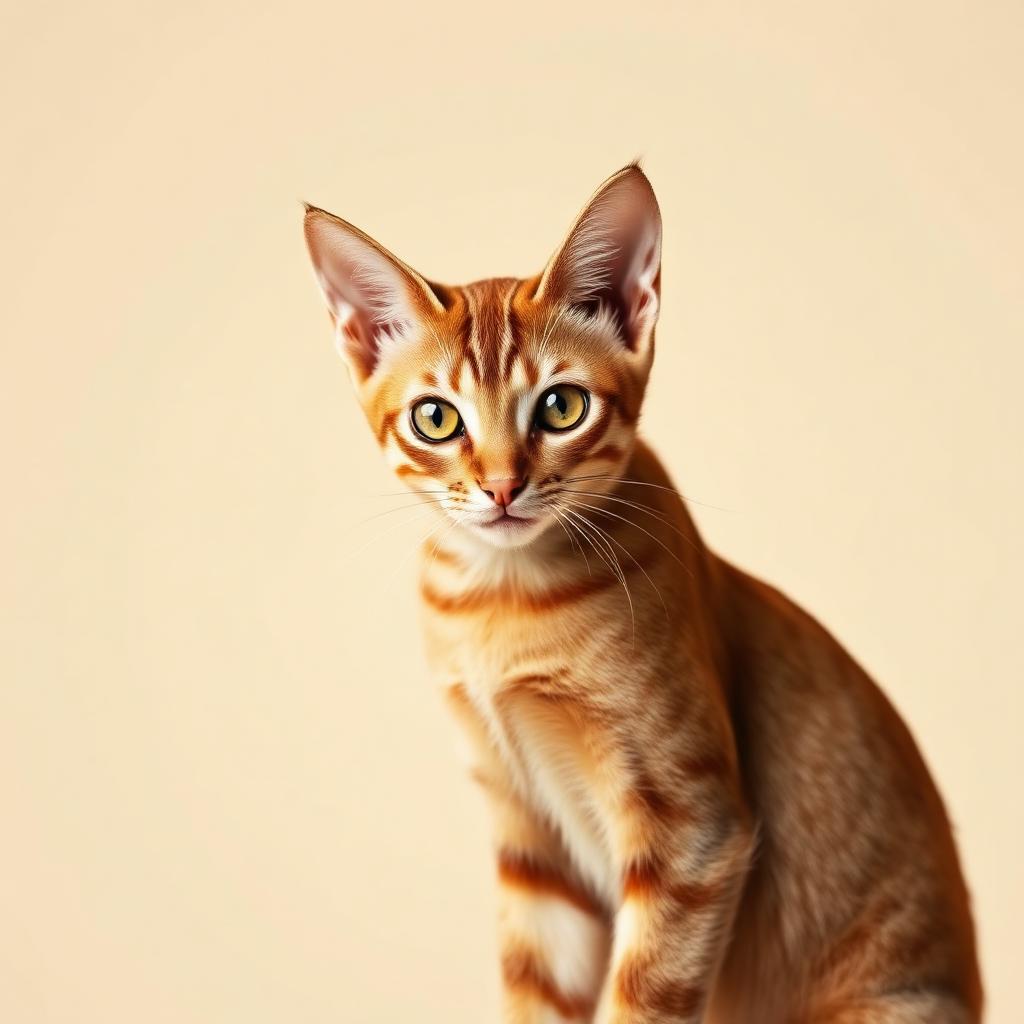
Abyssinian
8.5Sleek and athletic, like an Egyptian fresco come alive. Curious and restless: needs shelves, toys and a feline companion.

Bengal
8.4Mini-leopard looks with boundless energy. Loves water, climbs everything and needs constant enrichment: small flats without stimulation are a no.
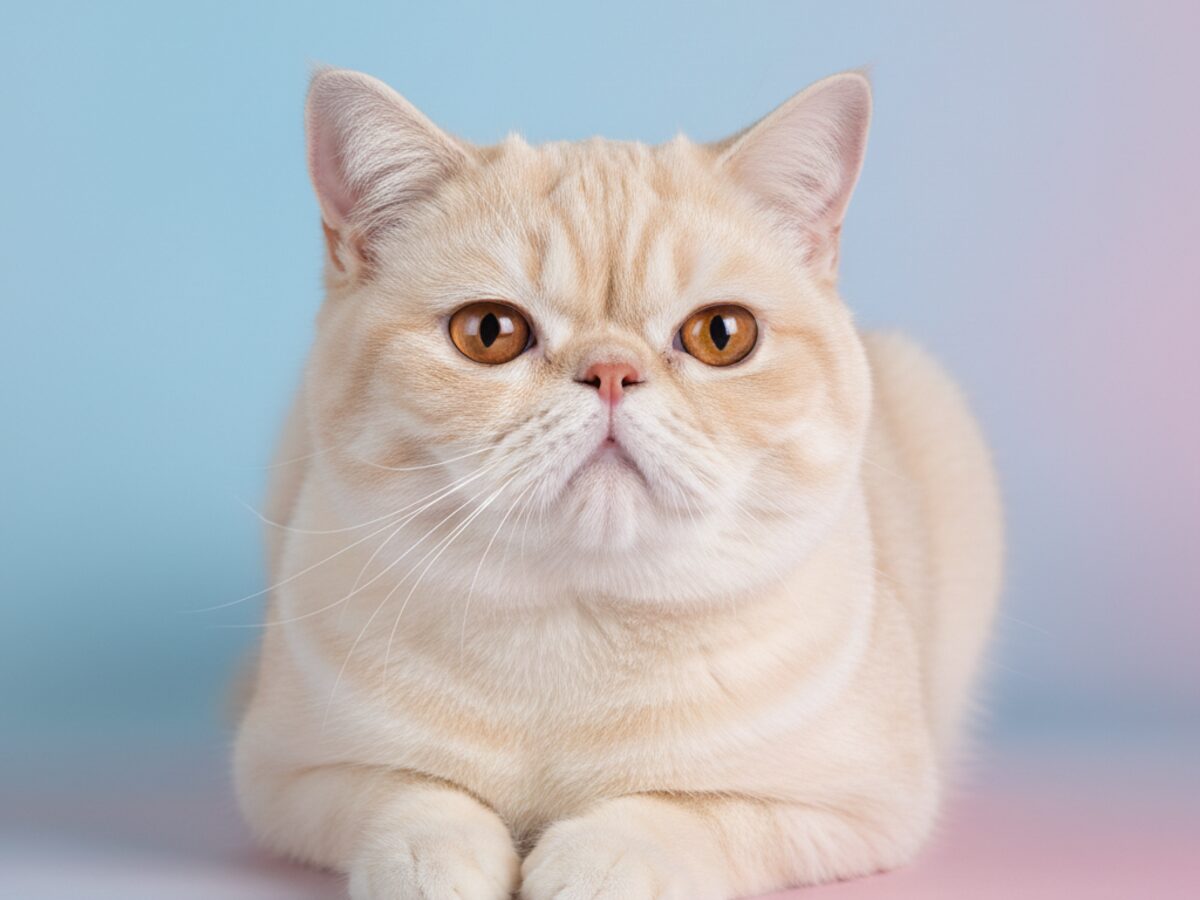
Exotic Shorthair
8.6The Persian in pajamas: same flat face, but short coat and no daily knots. Perfect for plushy cuddles without marathon brushing.