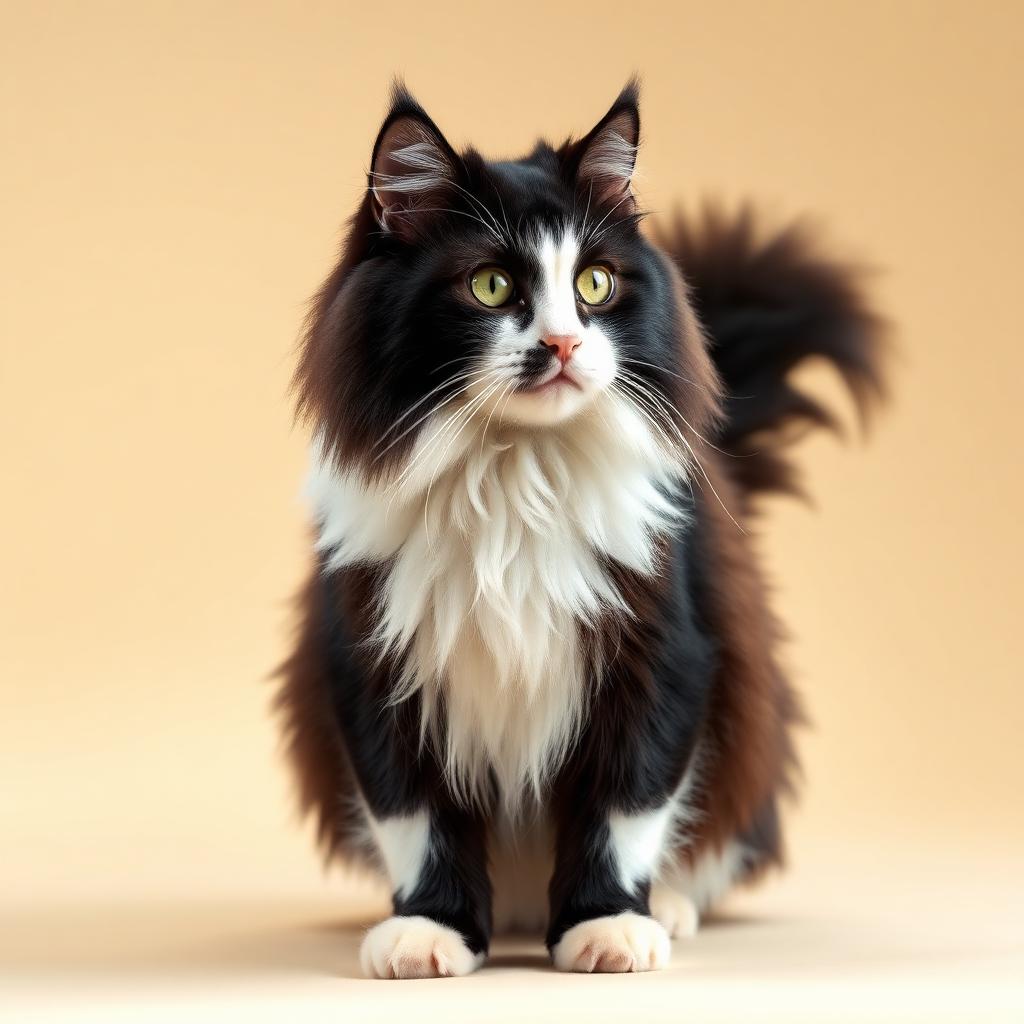
Norwegian Forest Cat
"The gentle giant of the fjords, affectionate and adventurous."
Overview
The Norwegian Forest Cat, also known simply as the Wegie, is a semi-longhaired feline breed that has captured the hearts of many families with its wild beauty and gentle nature. Originating from Norway, this robust cat is characterized by its impressive, water-resistant double coat, which protected it from the Scandinavian cold. Weighing between 4 and 9 kg and with a life expectancy of 14-16 years, it is a durable and vital companion. They are exceptional cats for families, showing unparalleled patience and affection, making them ideal pets for homes with children. Their curious nature and climbing ability mean they need an enriched environment with scratching posts and vertical toys to stay active and happy.
When considering a Norwegian Forest Cat, it is essential to understand its specific needs. Its semi-long coat requires regular brushing, at least two or three times a week, to prevent tangles and keep it in optimal condition. Despite their robust appearance, Norwegian Forest Cats are very social cats who enjoy the company of their humans and dislike being alone for long periods. Their intelligence allows them to learn tricks and enjoy interactive games, strengthening the bond with their owners. Furthermore, they are expert climbers, so providing them with tall and safe structures to explore is essential for their physical and mental well-being.
The health of the Norwegian Forest Cat is generally good, but like many purebreds, they can be prone to certain genetic conditions such as hypertrophic cardiomyopathy and polycystic kidney disease. Choosing a responsible breeder who performs genetic testing is crucial to minimize these risks. Their diet should be balanced and high-quality, according to their size and activity level, to maintain their musculature and the health of their dense coat. Although they are large cats, their metabolism can vary, so adjusting the amount of food is important to avoid overweight. Do not forget their constant need for fresh water for good hydration, vital for their renal health.
Adapting the Norwegian Forest Cat to different climates is an important aspect to consider. Due to their thick coat, they are not an ideal choice for very hot climates or without air conditioning, as they can suffer from overheating. They prefer cool environments where they can enjoy their coat without stress. They are peaceful and tolerant cats that usually get along well with other animals if introduced correctly, making them an excellent choice for multi-pet households. Their calm nature and adaptability make them suitable for first-time owners, as long as they are willing to dedicate time to their care and socialization. Researching reputable breeders and familiarizing yourself with the breed's characteristics is the first step towards a happy and healthy life with this magnificent feline.
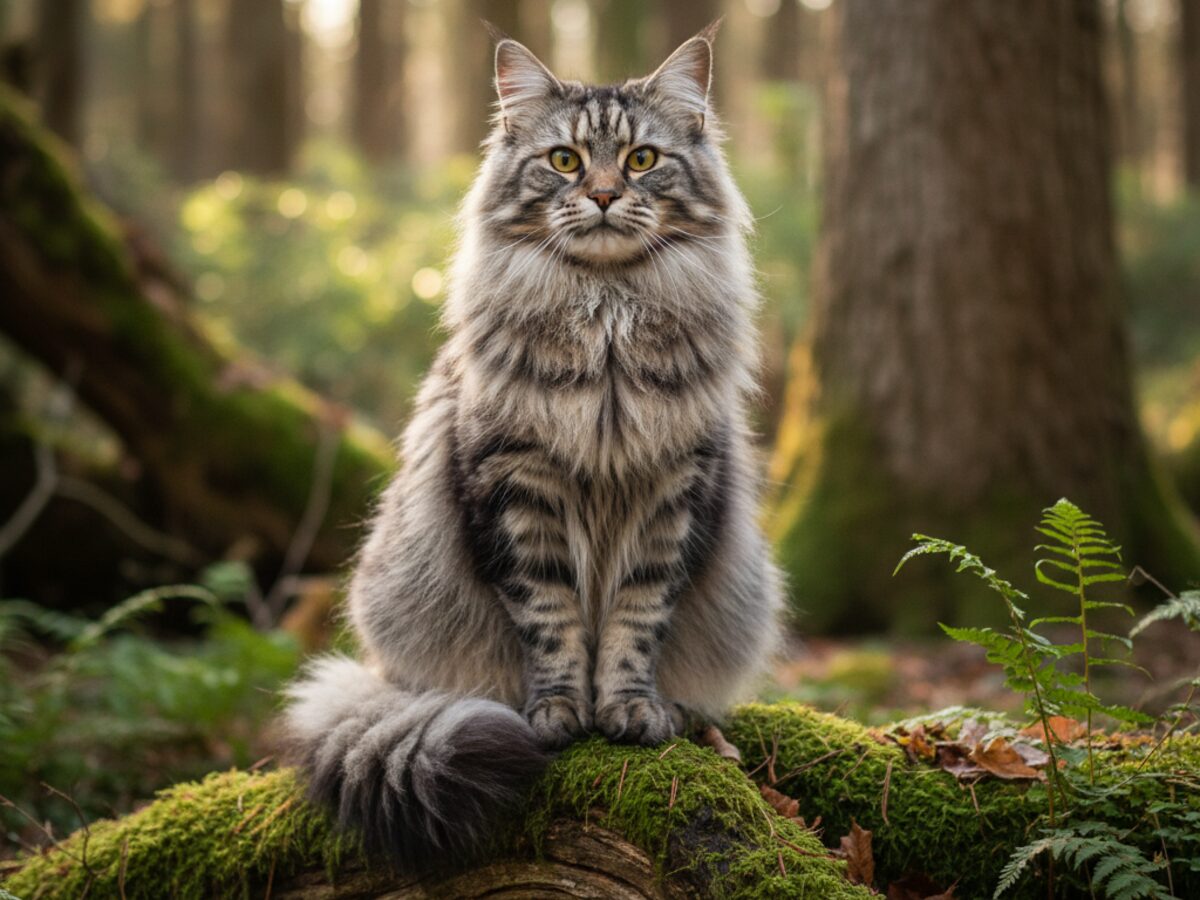
Key facts
- Size
- Large
- Weight
- 4–9 kg
- Life expectancy
- 14–16 years
- Daily exercise
- 30 min/day
- Estimated total
- 120€/month
- Country
- Norway / Noruega
Character & temperament
The Norwegian Forest Cat is a balanced, affectionate, and playful cat, but without being overly demanding. They enjoy the company of their family and will always seek to be close, whether on the same sofa or in the same room, though they rarely sit directly on a lap unless it's their choice. They are intelligent and curious cats, who love to explore and climb, so an enriched environment is crucial for their well-being.
With strangers, the Norwegian Forest Cat is initially cautious, observing from a distance before deciding whether to approach. Once they feel secure, they can become quite sociable and accept petting, but they will rarely be the first to seek interaction with unfamiliar people. Their non-aggressive nature makes them excellent hosts, although they prefer the initiative for interaction to come from them.
Faithful and loyal, Norwegian Forest Cats develop a strong bond with their primary owner, whom they will follow around the house like a shadow. Although independent, they appreciate attention and play sessions. They are cats who communicate with soft trills and meows, rarely noisy, and their patience makes them very compatible with dynamic family life.
Living with children
The Norwegian Forest Cat is known for its patience and good temperament with children. They enjoy the company of little ones and can be tireless playmates, always under supervision to ensure respectful interaction. Their robust size makes them less delicate than other breeds, and their calm nature makes them excellent family pets.
With other pets
Generally, the Norwegian Forest Cat gets along well with other cats and dogs, especially if they have been socialized from a young age. Their calm and tolerant nature allows them to adapt to multispecies living. However, due to their strong hunting instinct, they may not be the best choice for homes with small pets like rodents or birds, unless kept in secure enclosures.
Health & prevention
The Norwegian Forest Cat is generally a healthy breed with a life expectancy of 14 to 16 years. However, they can be prone to certain genetic conditions such as hypertrophic cardiomyopathy (HCM), a common heart disease in many cat breeds, and polycystic kidney disease (PKD). Glycogen storage disease type IV, a rare but serious metabolic disorder, has also been observed. It is crucial to choose a responsible breeder who performs genetic testing on the parents to minimize these risks. A balanced diet and annual veterinary check-ups are essential to maintain their good health.
Health risks
- •Glycogen storage disease IV
- •Hypertrophic cardiomyopathy
- •Hip dysplasia
Care
Nutrition
An adult Norwegian Forest Cat, weighing 4-9 kg, will require approximately between 200-350 grams of high-quality wet food or 60-100 grams of dry kibble per day, adjusted to their activity level and metabolism. Combining wet and dry food is beneficial for hydration and dental health. A diet rich in animal proteins is vital to maintain their musculature and coat health, as well as a constant supply of fresh water. Meals should be divided into 2-3 daily portions to prevent overeating.
Grooming & hygiene
The Norwegian Forest Cat's impressive double coat requires regular brushing, at least 2-3 times a week, to prevent matting and keep it clean and shiny. During shedding seasons, daily brushing is recommended. Baths are not frequently necessary due to their water-resistant outer coat, but when done, they should be with a specific shampoo for long-haired cats. Nails should be trimmed every 2-4 weeks, and dental cleaning, along with eye and ear checks, should be part of the routine. The monthly cost for their hygiene and basic care can be around 20-40 euros.
Exercise & training
Exercise plan
The Norwegian Forest Cat is an athletic and energetic cat who enjoys play and exploration. They need at least 30-60 minutes of interactive play per day, distributed over several short sessions. They are exceptional climbers, so providing tall scratching posts, cat trees, and shelves where they can climb and observe from above is essential. They also enjoy toys that stimulate their mind, such as food puzzles, and can learn to walk on a harness, which provides excellent outdoor stimulation in safe environments.
Training
Norwegian Forest Cats are intelligent and can be easily trained using positive reinforcement. Litter box and scratching post training usually presents no problems. They can also learn to walk on a harness and leash, to sit, or to come when called, especially if associated with treats and affection. Their innate curiosity makes them receptive to game-based and reward-based training, strengthening the bond with their owners.
Monthly cost
These monthly costs are estimates and can vary depending on product quality, the specific health of each cat, and the region. An additional budget is recommended for unexpected veterinary expenses or enrichment toys.
Estimate for Spain, healthy adult cat. Varies by region and provider.
Pros & cons
Pros
- ✓Extremely affectionate and sociable with family.
- ✓Patient and tolerant with children.
- ✓Adapts well to other animals.
- ✓Beautiful and relatively easy to maintain coat.
- ✓Intelligent and easy to train.
Cons
- !Needs to live in cool climates, poorly adapted to heat.
- !Requires regular brushing to prevent matting.
- !Needs constant mental and physical stimulation.
- !Its hunting instinct can be a problem for small animals.
- !Can be somewhat reserved with strangers.
Ideal for
- • Active families with children looking for a playful companion.
- • People willing to dedicate time to brushing.
- • Homes with vertical spaces for climbing.
- • Those who value an independent but affectionate cat.
Not recommended for
- • Homes in extremely hot climates without air conditioning.
- • People who cannot dedicate time to coat care.
- • Families intolerant of hunting instinct towards birds or rodents.
How it fits each scenario
Can adapt to an apartment if there is enough vertical space and enrichment.
Ideal for a house with a secure garden or the possibility of walks on a harness.
Poor adaptation to hot climates; needs air conditioning.
Excellent adaptation to cold climates thanks to its double coat.
Very good, they are patient and tolerant with toddlers.
Excellent, they enjoy interactive play and companionship.
Suitable, if the owner is willing to learn about their care needs.
Excellent choice for experienced cat owners.
Very good, enjoys activity and exploration.
Needs interaction and dislikes being alone for long periods.
Not hypoallergenic; sheds quite a bit of hair.
Requires a medium-high budget for food and care.
Origin & history
The Norwegian Forest Cat, or «Norsk Skogkatt» in its original language, is an ancient breed believed to have descended from short-haired cats brought by the Vikings, which then crossbred with long-haired cats imported by the Crusaders. Over the centuries, the breed developed naturally in the Norwegian forests, adapting to the cold climate and developing its characteristic double, water-resistant coat to survive. Although it has been present in Norse mythology since time immemorial, it was not until the early 20th century that a formal breeding program began to preserve the breed, which was on the verge of extinction during World War II. Its international recognition began in the 1970s.
In Norse mythology, it's said that the goddess Freya owned a chariot pulled by two large, long-haired cats, most likely Norwegian Forest Cats!
Frequently asked questions
Is the Norwegian Forest Cat really like a Viking?▾
It's nicknamed "Viking cat" due to its Nordic origin and robust, semi-wild appearance. It's believed to have accompanied Vikings on their journeys. Although its appearance is strong, its temperament is sweet and gentle, far from Viking fierceness.
Is the Norwegian Forest Cat a good apartment cat?▾
Yes, it can adapt well to apartment living as long as it is provided with tall scratching posts, interactive toys, and enough attention. It needs stimulation to prevent boredom and anxiety, as it is a cat with a lot of energy and curiosity.
What is the main difference between a Norwegian Forest Cat and a Maine Coon?▾
Although similar in size and coat, the Norwegian Forest Cat has a triangular head shape and tufted ears, while the Maine Coon has a squarer head and larger ears. Additionally, the Norwegian Forest Cat's coat has a more oily, water-resistant outer layer than a Maine Coon's.
Does a Norwegian Forest Cat's coat need a lot of brushing?▾
Yes, its semi-long coat and double layer require regular brushing, 2 to 3 times a week, to prevent tangles and matting. During shedding season, daily brushing is essential to remove loose hair and prevent hairballs.
Are Norwegian Forest Cats suitable for first-time cat owners?▾
Yes, they are a good choice for first-time owners due to their friendly, adaptable temperament and patience. However, owners must be prepared to dedicate time to their coat care and provide them with sufficient mental and physical stimulation.
Can Norwegian Forest Cats be kept with other pets?▾
Yes, they generally get along very well with other cats and dogs, especially if socialized from a young age. Their calm and tolerant nature promotes good coexistence in multi-pet households. However, be cautious with small rodents or birds due to their hunting instinct.
What is the life expectancy of a Norwegian Forest Cat?▾
Norwegian Forest Cats have a quite good life expectancy, ranging from 14 to 16 years, and even longer with proper care. Good nutrition, regular veterinary attention, and a loving environment contribute to their longevity.
What is the average weight of a Norwegian Forest Cat?▾
The Norwegian Forest Cat is a large breed. Males typically weigh between 5 and 9 kg, while females are somewhat smaller, weighing between 4 and 7 kg. It is important to maintain a healthy weight with a proper diet and exercise.
What kind of coat does the Norwegian Forest Cat have?▾
They have a double, semi-long coat, dense and water-resistant. The outer layer is coarse and glossy, while the undercoat is woolly and very dense, providing them with excellent protection against cold and moisture. They developed this coat to survive harsh Nordic winters.
Similar family-friendly breeds
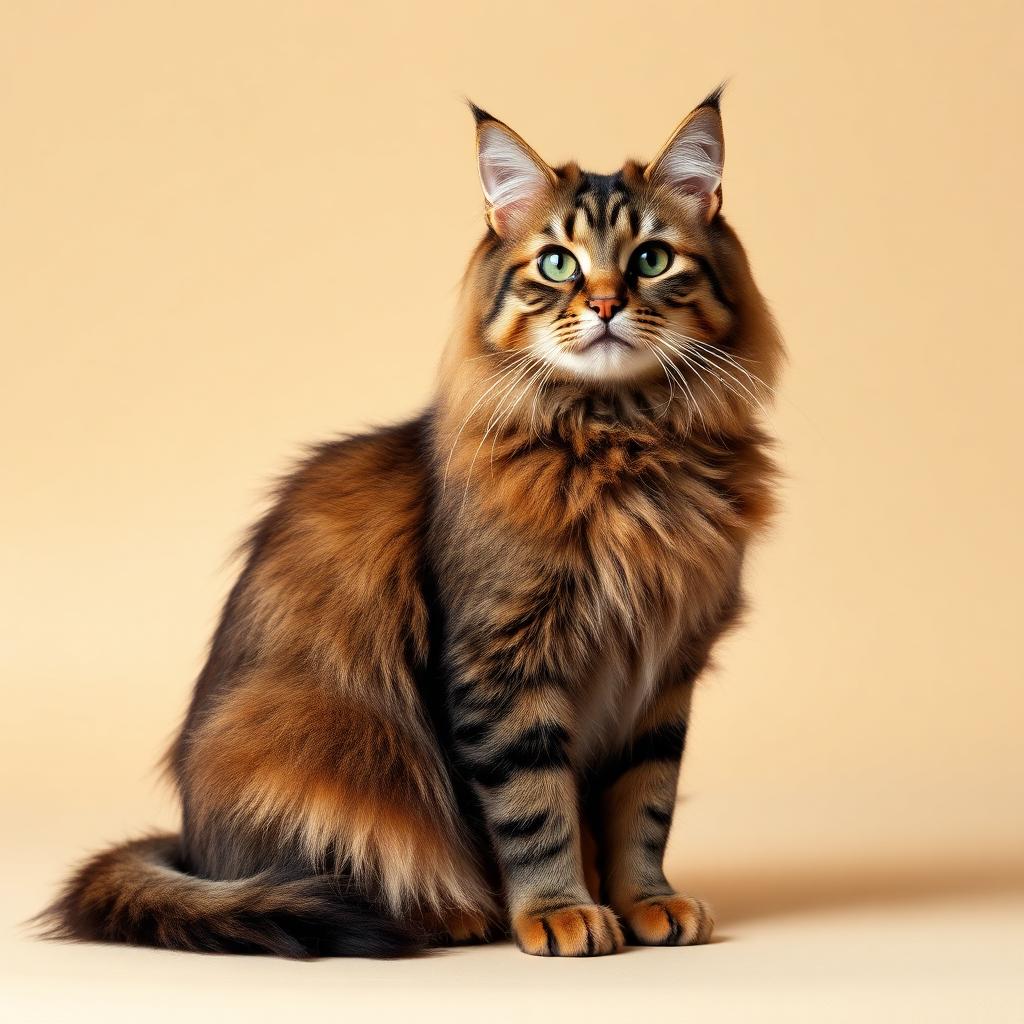
Maine Coon
9.7The gentle giant of the cat world: sociable, dog-like and very patient with kids. The semi-long coat needs brushing 2–3 times a week.
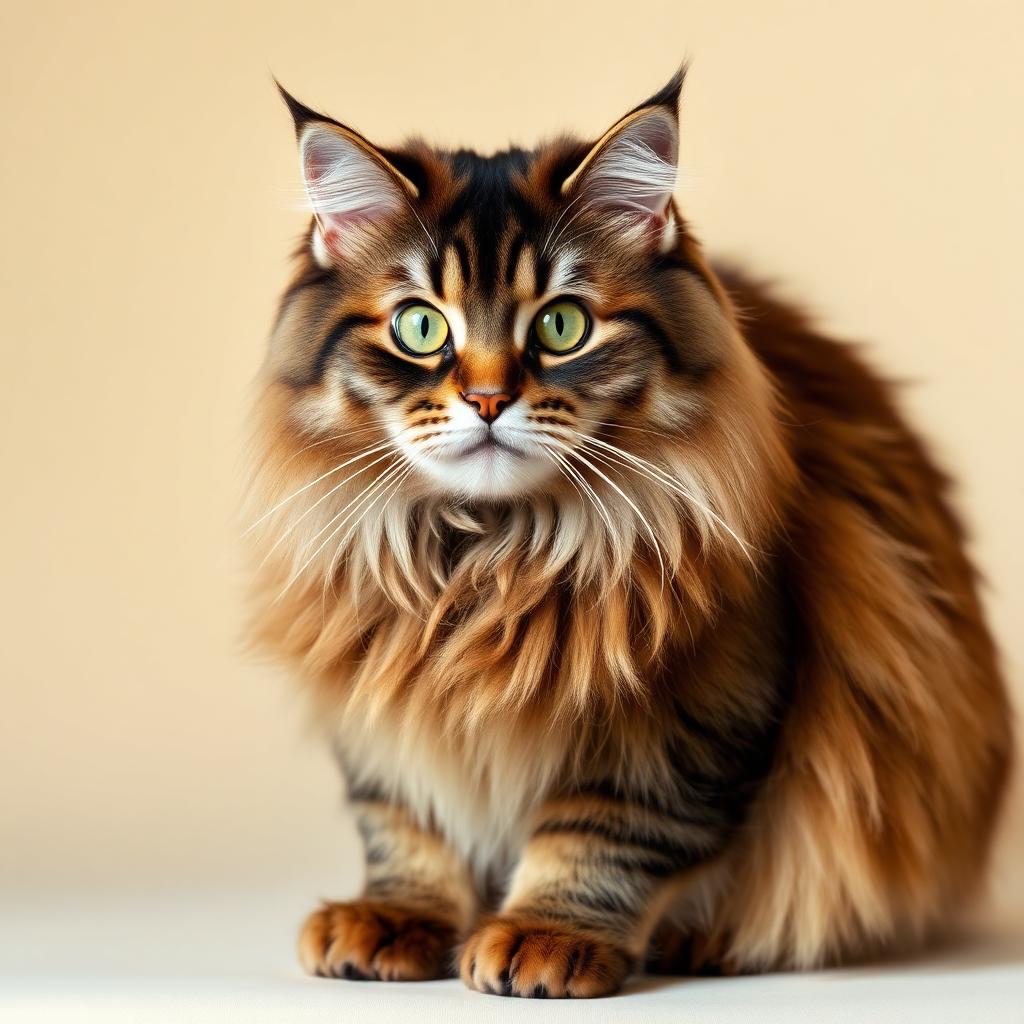 Hypoallergenic
Siberian
9.2Best option for allergy sufferers: produces less Fel d 1 than average. Sturdy, playful and very cold-resistant thanks to a triple coat.
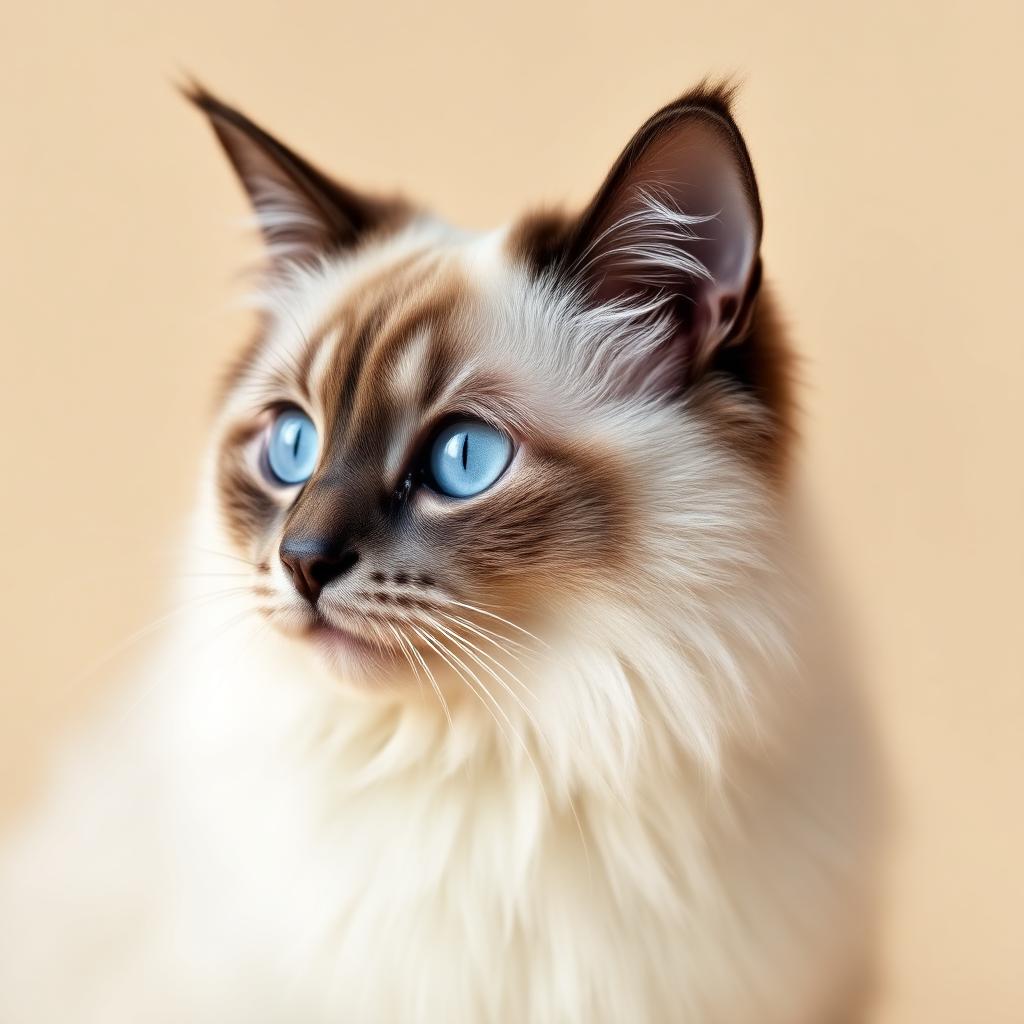
Ragdoll
9.6The name says it all: goes limp like a rag doll when picked up. Affectionate, docile and perfect for families with kids.