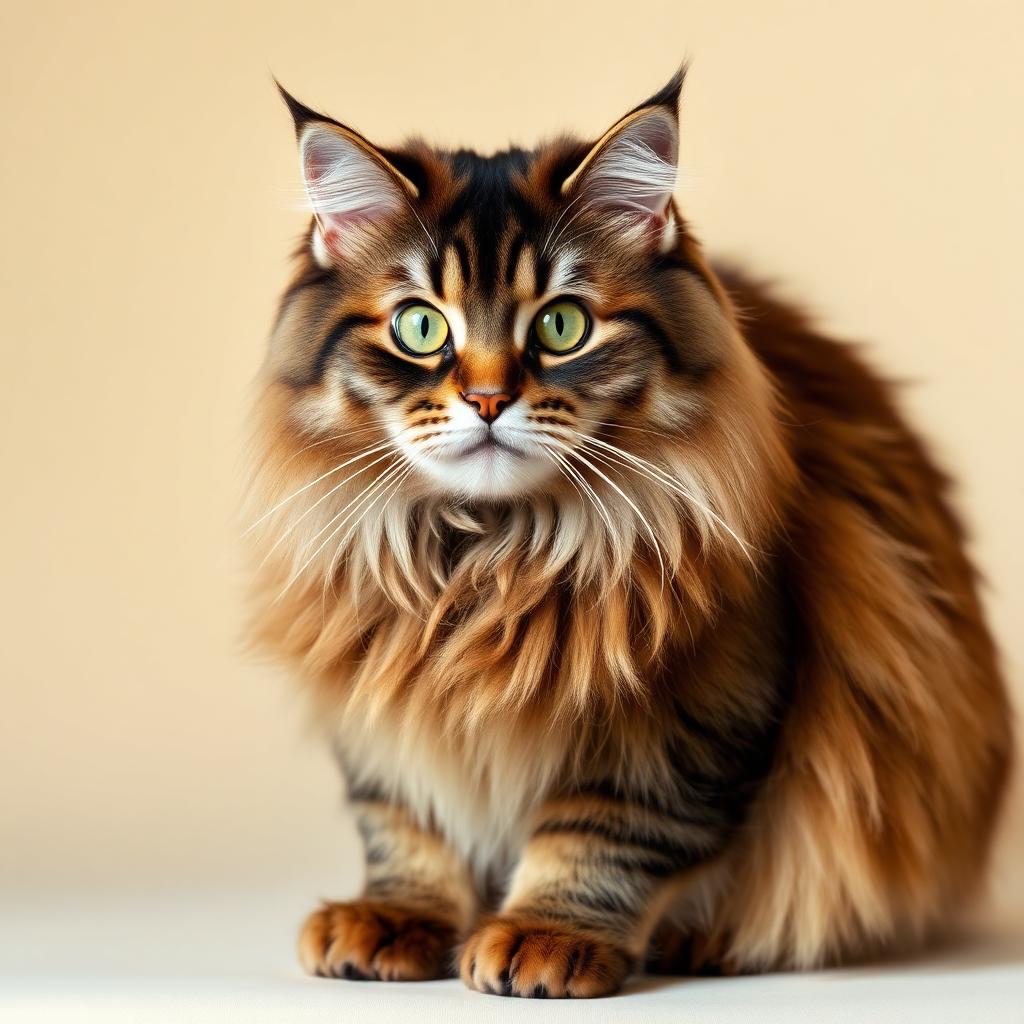
Siberian
"The Siberian: A gentle, hypoallergenic giant from the cold."
Overview
Explore the world of the Siberian, a fascinating cat breed with roots in Russia, known for its impressive size and gentle character. If you’re looking for a four-legged companion that is both robust and affectionate, the Siberian could be the perfect choice. These cats adapt wonderfully to family life, showing remarkable patience and affection. They are recognized for their low Fel d 1 production, the protein responsible for most cat allergies, making them a popular and hopeful option for allergy sufferers who dream of having a feline at home. Their dense, water-resistant coat, a result of centuries of adaptation to Russian winters, requires regular maintenance but is one of their most distinctive and beautiful features. Learn more about how a Siberian can enrich your home.
Character & temperament
Siberians are known for their affectionate and playful nature. They enjoy the company of their humans and often seek to interact with them, whether by cuddling on the couch or following them around. They have a very social personality and adapt well to various environments, provided they receive enough attention and stimulation. They are intelligent and curious cats who enjoy puzzle toys and activities that challenge their minds. They are often described as 'dog-like' due to their loyalty and tendency to greet their owners at the door.
Living with children
Siberians are exceptionally good with children. Their patient and gentle temperament, combined with their playful nature, makes them perfect companions for little ones. They are very tolerant and rarely show aggression, even when children are a bit noisy or enthusiastic. Supervision is always recommended to ensure both the cat and children interact safely and respectfully.
With other pets
Siberians generally get along well with other household pets, including dogs and other cats. Their sociable disposition and relaxed personality allow them to adapt to a multi-pet household. However, their hunting instinct may come to light with small animals such as rodents or birds, so interactions should be supervised or avoided. Gradual introduction is key to establishing harmonious coexistence.
Health & prevention
Siberians are generally robust and healthy cats, with a life expectancy of 12 to 18 years. However, like many large cat breeds, they can be prone to certain genetic conditions such as hypertrophic cardiomyopathy (HCM), a heart disease that can be detected through ultrasounds. They may also develop polycystic kidney disease (PKD) in some cases. It is crucial for breeders to health test parent cats to minimize the risk of these diseases. Regular veterinary visits, a balanced diet, and an enriching environment are essential to keeping your Siberian in optimal health.
Health risks
- •Hypertrophic cardiomyopathy
- •Polycystic kidney disease
Care
Nutrition
An adult Siberian weighing 4-9 kg will need between 200 and 350 calories per day, which translates to approximately 60-90 grams of high-quality dry kibble. The diet should be a combination of quality dry kibble and wet food, which provides hydration and is beneficial for urinary health. Look for foods rich in animal protein, low in grains, and with a good balance of vitamins and minerals. It is important to avoid overfeeding, as they are prone to gaining weight. Always consult with your veterinarian for a specific nutritional plan based on your cat's age, activity level, and health status.
Grooming & hygiene
The Siberian, with its impressive triple, water-resistant coat, requires regular brushing to prevent tangles and mats, especially during shedding seasons. Brushing 2-3 times a week is usually sufficient, increasing frequency to daily during spring and autumn. They generally do not need frequent baths; only when strictly necessary. Nails should be trimmed every 2-4 weeks and ears cleaned periodically. Estimated monthly grooming costs can range from 15 to 30 EUR, depending on whether it's done professionally or at home.
Exercise & training
Exercise plan
Siberians are active and playful cats that need daily physical and mental stimulation. They enjoy several play sessions a day, at least 15-20 minutes each, using interactive toys, laser pointers, or feathers. They also appreciate tall scratching posts and cat trees that allow them to climb and explore vertical spaces, satisfying their climbing instinct. Providing them with puzzle toys is excellent for keeping their minds sharp. A well-exercised Siberian is a happy and calm cat.
Training
Siberians are very intelligent and relatively easy to train cats. They quickly learn to use the litter box and can be trained to use a harness and walk on a leash, especially if introduced from a young age. They respond well to positive reinforcement, such as treats and praise. Clicker training can be very effective for teaching them tricks and desired behaviors. Their curiosity about water can also facilitate bathing. With patience and consistency, they can learn a variety of commands and tricks.
Monthly cost
These costs are estimates and can vary depending on food quality, individual veterinary needs, and professional grooming frequency. An emergency fund for unforeseen circumstances is recommended.
Estimate for Spain, healthy adult cat. Varies by region and provider.
Pros & cons
Pros
- ✓Ideal for allergy sufferers (low Fel d 1)
- ✓Affectionate and sociable temperament
- ✓Robust and cold-resistant
- ✓Adapts well with children and other pets
- ✓Intelligent and easy to train
Cons
- !Requires regular brushing
- !Large size (4-9 kg)
- !Can be vocal
- !Needs a lot of attention and play
- !Hunting instinct with small animals
Ideal for
- • Active families
- • Allergy sufferers
- • Homes with children
- • Environments with space to explore
Not recommended for
- • People looking for low-maintenance coated cats
- • Homes with unsupervised small pets
- • People who value total tranquility
How it fits each scenario
The Siberian can adapt to apartment living if given enough daily exercise and mental stimulation.
A secure garden is ideal for the Siberian, allowing them to explore and satisfy their love for nature.
Due to their thick coat, they are not the best choice for very hot climates, unless they have constant access to air conditioning.
Absolutely ideal for cold climates, their triple coat is designed to withstand sub-zero temperatures.
An excellent choice thanks to their patience and gentle nature with young children, but always with supervision.
Exceptional; they adapt very well to the energy and games of school-aged children, becoming playmates.
Yes, they are good for first-time owners, provided they are prepared for their grooming and activity needs.
An excellent companion for experienced owners who appreciate an interactive and majestic cat.
Perfect, the Siberian will enjoy the play sessions and interaction an active family can offer.
Although sociable, it may require more time than expected for grooming and play, which can be a challenge for very busy families.
Excellent choice for people with mild to moderate allergies, thanks to their low Fel d 1 level, but a prior interaction test is always recommended.
Due to their size, nutritional and grooming needs, and potential vet check-ups, they are not the most economical option in the long term.
Origin & history
The Siberian is one of the oldest natural cat breeds, with origins tracing back to northeastern Russia and believed to exist since at least the 11th century. These robust cats developed naturally in the cold, forested climate, adapting to survive harsh winters. They were not documented outside of Russia until the 1980s and arrived in the United States and Europe later. Their genetic isolation for centuries has allowed them to maintain their distinctive characteristics and strong genetic heritage.
Siberian cats love to play with water, often splashing in their water bowls or even joining their owners in the shower.
Frequently asked questions
Is the Siberian truly hypoallergenic?▾
Siberians produce less Fel d 1, the protein that causes most allergies. They are not 100% hypoallergenic, but many people with mild to moderate allergies can tolerate them well. A visit to interact with a Siberian before deciding to adopt one is recommended.
How long does a Siberian cat live?▾
Siberian cats are generally a robust breed with a life expectancy of 12 to 18 years. With proper care, good nutrition, and regular veterinary visits, they can live even longer.
How much exercise does a Siberian need?▾
They are active cats that need at least 30-45 minutes of interactive play a day, spread across several sessions. They greatly enjoy climbing and puzzle toys.
Do Siberians get along with other pets?▾
Yes, their sociable nature allows them to coexist peacefully with other cats and dogs, especially if the introduction is gradual. However, their hunting instinct can be an issue with small animals.
What kind of grooming does a Siberian cat need?▾
Their triple coat requires brushing 2-3 times a week to prevent mats, and more frequently during shedding. Baths are occasional, only when necessary. They also need regular nail trimming and ear cleaning.
What is the average size of a Siberian?▾
Siberians are a medium to large-sized breed. Males typically weigh between 6 and 9 kg, while females weigh between 4 and 7 kg. They are muscular and robust.
Are Siberians suitable for a first-time cat owner?▾
Yes, they can be excellent for first-time owners due to their adaptable, sociable, and intelligent nature. However, their grooming needs and activity level should be taken into account.
Are Siberians noisy cats?▾
Siberians are not as noisy as other vocal breeds, but they do communicate through trills, chirps, and purrs. They are quite expressive with their sounds and will use them to interact with you.
Similar family-friendly breeds
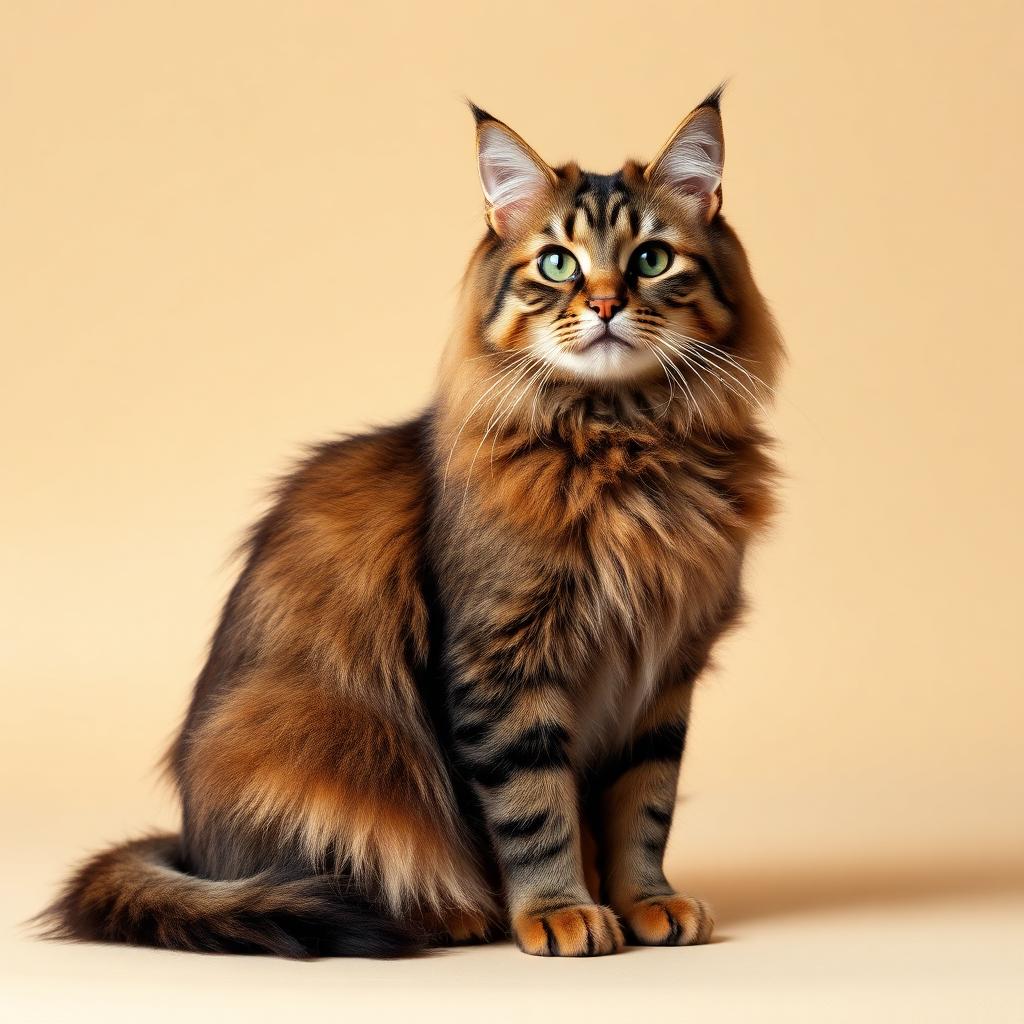
Maine Coon
9.7The gentle giant of the cat world: sociable, dog-like and very patient with kids. The semi-long coat needs brushing 2–3 times a week.
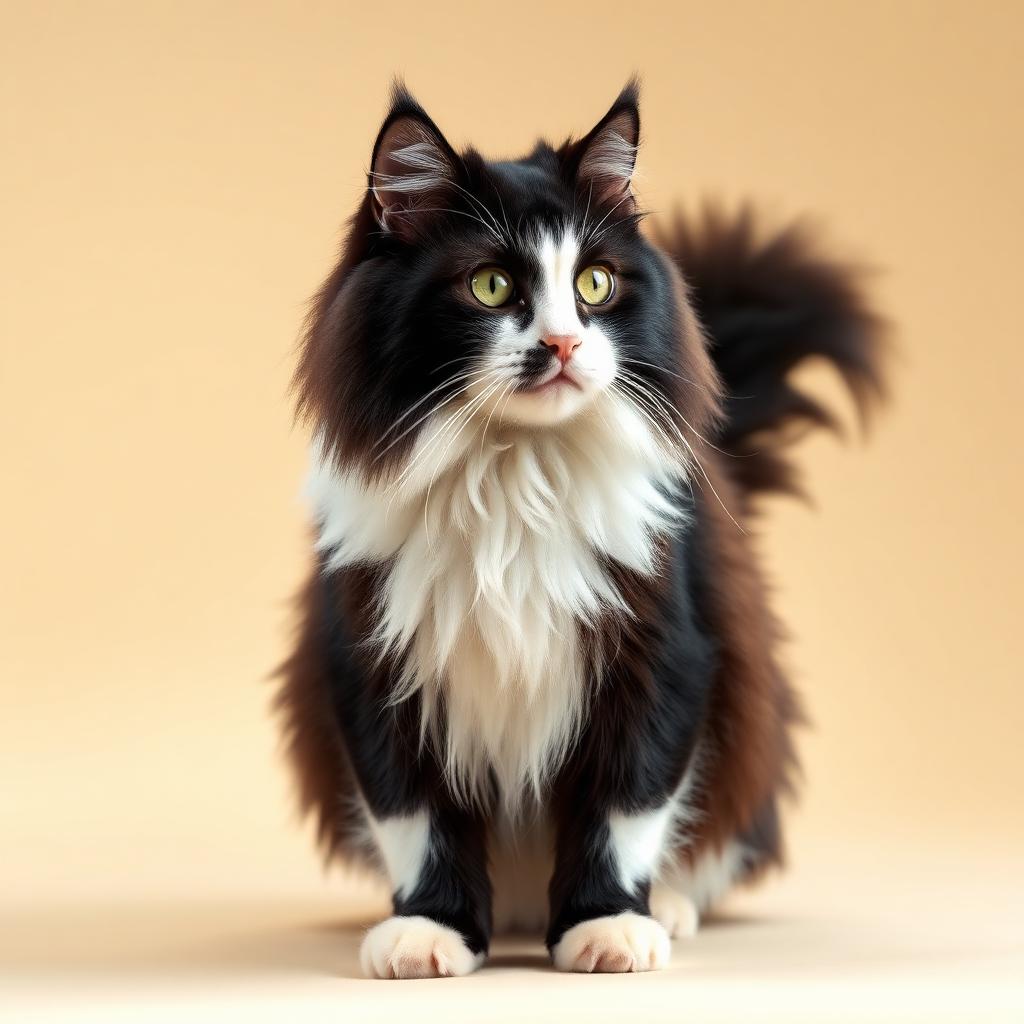
Norwegian Forest Cat
9.1The Viking cat: huge, fluffy and a born climber. Calm at home but loves the outdoors and cold. Poor fit for hot Mediterranean climates.
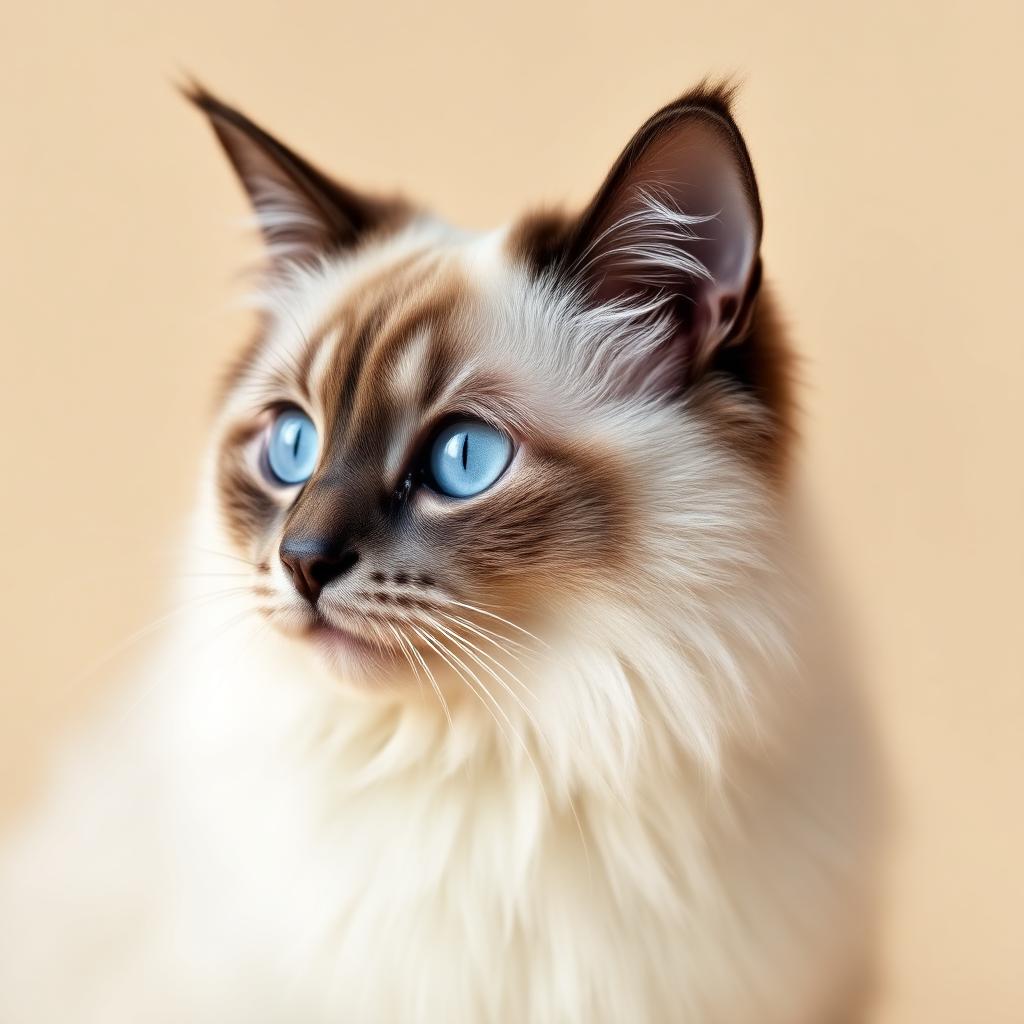
Ragdoll
9.6The name says it all: goes limp like a rag doll when picked up. Affectionate, docile and perfect for families with kids.