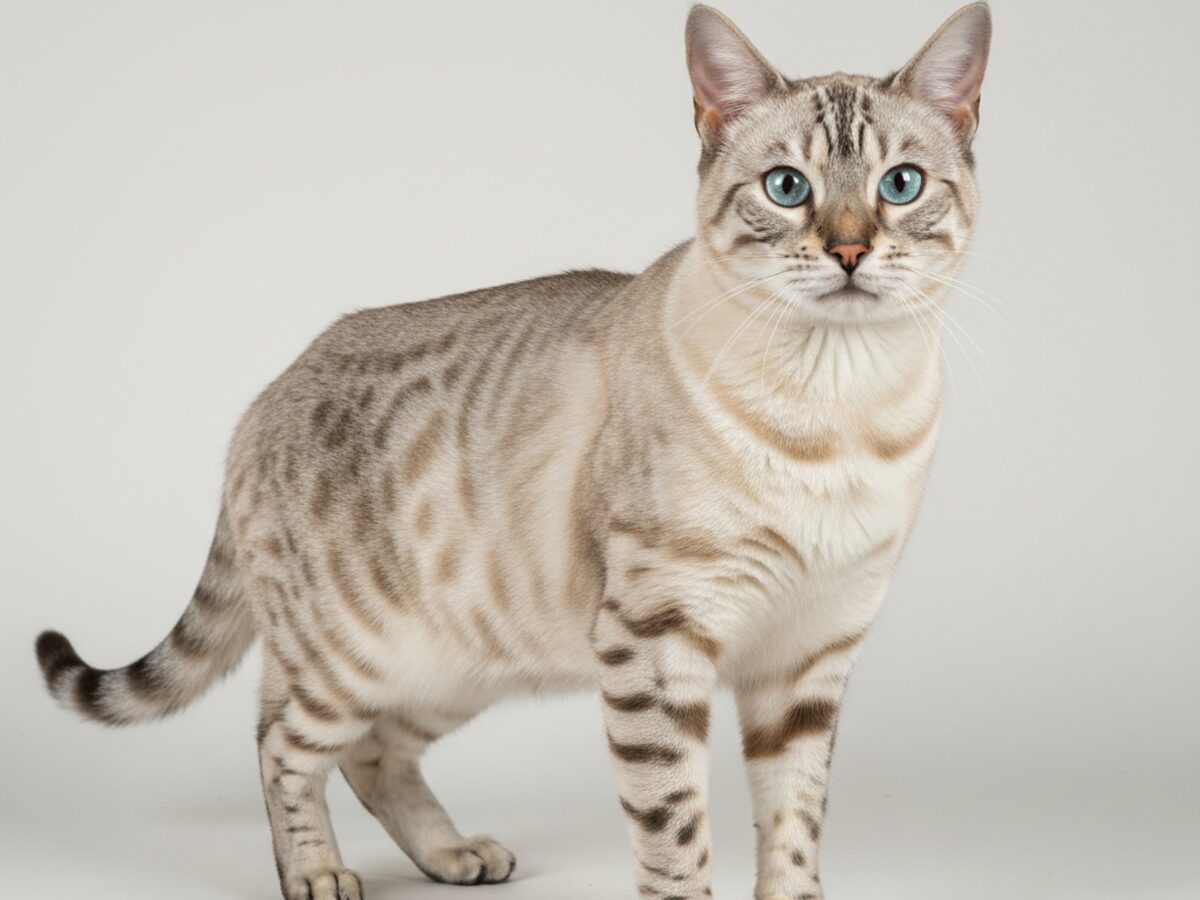
Snow Bengal
"The Snow Bengal: a miniature snow leopard that will light up your home!"
Overview
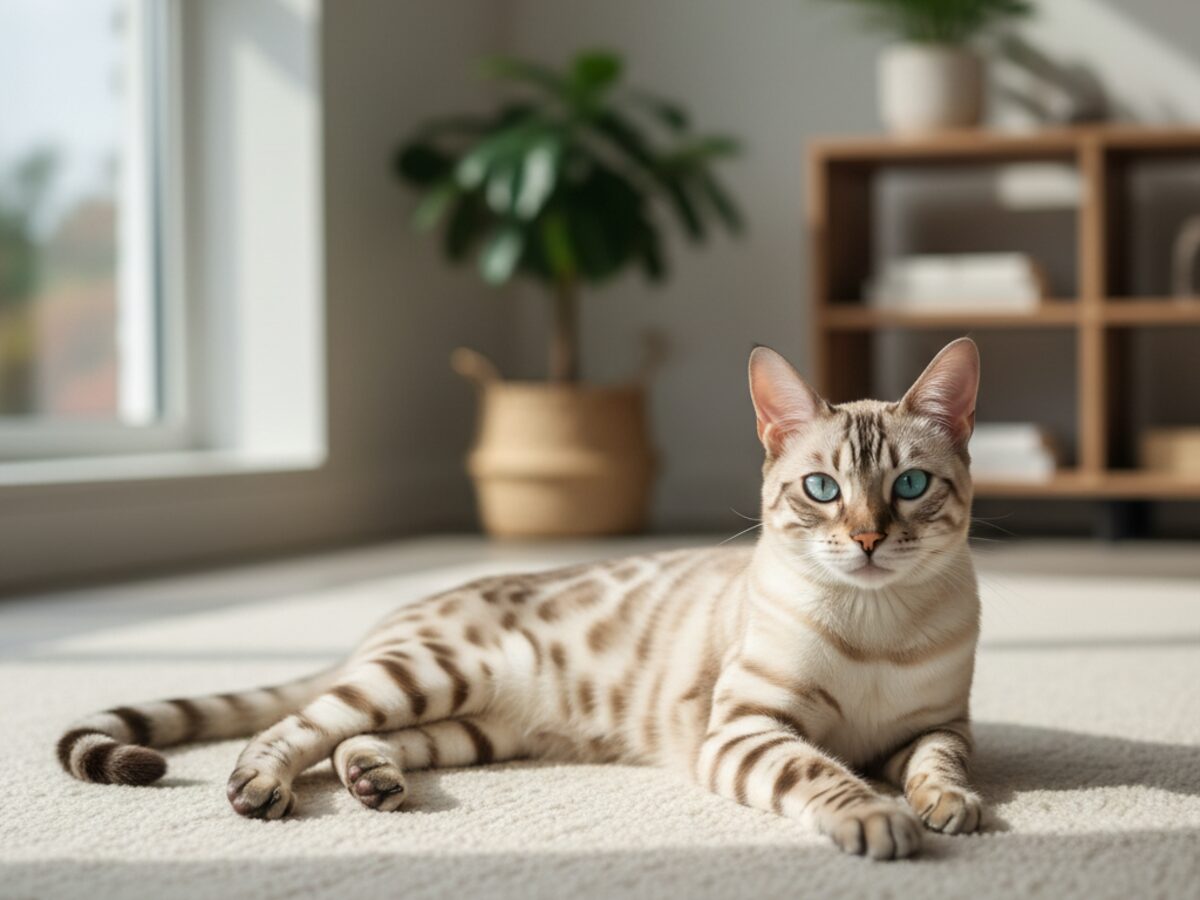
Discover the fascinating world of the Snow Bengal, a color variant of the majestic Bengal cat, known for its miniature snow leopard appearance. At FamiCats.com, we offer a complete guide to this exotic breed, perfect for active families looking for a playful and intelligent companion. The Snow Bengal is not just a beautiful cat; it's a feline full of energy, curiosity, and affection, that will enrich your home with its vibrant presence. You'll learn about its origin in the United States, a result of crossing the Asian leopard cat with domestic cats, which gifted them their unique coat pattern and captivating personality. We'll explore the different types of Snow Bengal, such as the Seal Lynx Point with its piercing blue eyes, the Seal Mink with aquamarine eyes, and the Seal Sepia with green or golden eyes, each with its own elegance.
The Snow Bengal's personality is one of its greatest appeals. They are incredibly interactive cats, who enjoy participating in family life and forming strong bonds with their owners. Their intelligence is remarkable; they are easy to train for tricks and even leash walking, making them a delight for training enthusiasts. Furthermore, their love for water is a peculiar characteristic that often surprises and amuses their families. However, this high energy and curiosity mean they need abundant daily mental and physical stimulation. In our profile, you'll find practical advice on how to meet their exercise needs with climbing trees, interactive toys, and structured play sessions, essential for their well-being and to prevent boredom.
For prospective owners, we address key aspects such as health, nutrition, and grooming. We'll inform you about common genetic health conditions, such as hypertrophic cardiomyopathy and progressive retinal atrophy, and the importance of choosing a responsible breeder. We'll also guide you in selecting a protein-rich, low-grain diet, fundamental for their athletic build. Their short coat is low-maintenance, requiring only a weekly brushing. Finally, you'll find details on their compatibility with children (ideal with older children and supervision with younger ones) and other pets, as well as an estimation of monthly maintenance costs. With FamiCats.com, you'll be prepared to welcome a Snow Bengal into your family and enjoy the wonderful adventure of living with this extraordinary feline.
Key facts
- Size
- Medium
- Weight
- 4–7 kg
- Life expectancy
- 12–16 years
- Daily exercise
- 60 min/day
- Estimated total
- 120€/month
- Country
- United States
Character & temperament
The Snow Bengal's personality is as sparkling as its appearance. They are incredibly curious, intelligent, and endlessly energetic cats. Don't expect a couch potato; Snow Bengals are born explorers and love to be at the center of the action. If you like the idea of a cat that follows you around the house, interacts with you constantly, and entertains you with their antics, then this is your feline. They are famous for their love of water, so don't be surprised if they try to play with the faucet or even join you in the shower (as long as the water isn't too hot)! Their cleverness also makes them master escape artists and problem-solvers, so be prepared for a cat that can open cabinets or play fetch.
They are communicative and will use a variety of meows and vocalizations to express their desires. Despite their wild side, they are deeply affectionate with their human family. They love to cuddle when they're tired from playing, and they will form strong bonds with their owners. It's important to remember that their intelligence and energy mean they need plenty of mental and physical stimulation to be happy and avoid boredom, which could lead to destructive behaviors. They are like little explorers ready for the next adventure.
Living with children
Snow Bengals can be fantastic companions for children, especially for those who are a bit older and know how to interact respectfully with animals. Their playful nature and high energy level make them ideal companions for school-aged children (6-7 years and older) who enjoy running and playing. They love to participate in interactive games, such as chasing laser toys or cat wands. However, due to their active and sometimes intrepid nature, younger children (under 5 years old) should be closely supervised to ensure they don't handle them roughly, as the cat might react instinctively. It is essential to teach children to respect the cat's space and not to bother it while eating or sleeping. With early socialization and the right environment, a Snow Bengal will become a loyal and fun-loving family member, ready for daily adventures with the little ones in the house.
With other pets
Snow Bengals typically get along well with other domestic animals, especially if they have been socialized from a young age. Their confident and athletic nature allows them to coexist with other cats, and even some friendly dogs, as long as they are introduced gradually and under supervision. However, due to their prey drive, they can present challenges if there are small animals like rodents, birds, or fish in the home. It's not that they are aggressive, but simply their natural hunting instinct can be easily activated, as if they were in their own 'Animal Planet' episode. A slow and controlled introduction is always recommended to ensure all pets feel safe and comfortable. A Snow Bengal thrives in an environment where they can play and socialize, so they often enjoy the company of another active pet.
Health & prevention
In general, Snow Bengals are healthy and robust cats, with a life expectancy of 10 to 15 years or more. However, like many purebreds, they are predisposed to certain genetic conditions that potential owners should be aware of. Some of the hereditary health concerns include Hypertrophic Cardiomyopathy (HCM), a heart disease that causes thickening of the heart muscle, and Progressive Retinal Atrophy (PRA), which can lead to blindness. They may also be prone to Pyruvate Kinase Deficiency (PKDef), a blood disorder, and certain gastrointestinal issues.
To minimize these risks, it is crucial to choose a reputable breeder who screens their breeding cats for these conditions. Regular veterinary check-ups, a balanced diet, and plenty of exercise are fundamental to keeping your Snow Bengal in optimal condition. Additionally, pay attention to any changes in their appetite, energy level, or behavior, as these can be early indicators of health problems. A healthy Snow Bengal is a happy and playful Snow Bengal!
Health risks
- •Hypertrophic cardiomyopathy
- •Progressive retinal atrophy
Care
Nutrition
High-quality, protein-rich food is essential for the athletic Snow Bengal. Given their high energy and hunter heritage, a diet that mimics natural prey is ideal. This means opting for foods specifically formulated for active cats, with **meat as the primary ingredient**. Avoid artificial fillers and excessive grains. Portions should be adjusted to their age, weight, and activity level. Some Bengal owners also consider raw or BARF diets, but this should be done under veterinary guidance to ensure proper nutritional balance. Constant access to fresh, clean water is vital, especially if they are as water-loving as many Bengals, so a cat water fountain could be a great hit!
Grooming & hygiene
The Snow Bengal boasts a short, wonderfully soft coat that is surprisingly easy to care for. Despite their exotic appearance, they do not require intensive grooming, which is great news for busy families. A gentle **weekly brushing** with a rubber mitt or a fine-bristled brush is usually sufficient to remove loose hair, distribute natural oils, and keep their coat shiny and silky. Furthermore, regular brushing fosters the bond between you and your feline, a perfect time for cuddles and purrs! During shedding seasons, slightly more frequent brushing may be beneficial. While famous for their love of water, they do not need frequent baths unless they have gotten significantly dirty. As with all cats, dental hygiene is important: regular tooth brushing and veterinary check-ups. You'll also need to **trim their nails** every few weeks and check their ears for wax buildup or signs of infection. Their low-maintenance grooming makes them even more appealing to those looking for a beautiful yet practical cat.
Exercise & training
Exercise plan
The Snow Bengal is a whirlwind of energy and requires a large amount of physical and mental exercise to stay happy and healthy. These cats are true athletes, and lack of activity could lead to frustration and destructive behaviors. Provide them with tall cat trees, shelves at different heights for climbing, and a variety of interactive toys to keep them engaged. Daily play sessions with a cat wand, rolling toys, or even fetch games are a must. Given their intelligence, they also enjoy puzzle toys that dispense treats, and many quickly learn tricks. A supervised harness walk can also be an excellent way to safely explore the outdoors.
Training
The Snow Bengal's intelligence makes them quick and enthusiastic learners for training, especially if positive reinforcement and rewards are used. Unlike many cats, they can often be trained to walk on a harness and leash, and even perform tricks like sitting, staying, or giving a paw. Their affinity for water can also facilitate litter box training. The key is patience, consistency, and making training fun, like a game. Given their cleverness, it's important to provide them with mental challenges regularly to prevent boredom, which could manifest in mischief. Short, frequent sessions are more effective than long, monotonous ones.
Monthly cost
These costs are monthly estimates. The initial acquisition cost of a kitten can be high (between 800 and 2500 EUR or more) depending on lineage and breeder. Unforeseen veterinary expenses are not included.
Estimate for Spain, healthy adult cat. Varies by region and provider.
Pros & cons
Pros
- ✓Extremely playful and active
- ✓Incredibly intelligent and easy to train
- ✓Exotic and unique appearance
- ✓Generally good with older children and active pets
- ✓Low-maintenance coat
- ✓Water lovers, very entertaining
Cons
- !Requires a lot of attention and stimulation
- !Very high energy level
- !Sometimes vocal, can meow a lot
- !Strong prey drive towards small animals
- !High initial cost
Ideal for
- • Active and committed families
- • Owners experienced with interactive cats
- • Homes that can provide constant mental and physical stimulation
- • People who enjoy playing and training
- • Homes with cat trees and climbing spaces
Not recommended for
- • People looking for a quiet, low-maintenance cat
- • Homes that cannot offer much interaction
- • Families with very young children without supervision
- • Homes with small prey pets (birds, rodents)
How it fits each scenario
Possible, if provided with plenty of vertical and mental enrichment, and daily exercise.
Ideal, especially if the garden is secure or there's access to a safe outdoor enclosure (catio).
Adapts, but needs access to cool places and shade; their short coat helps.
Adapts well indoors, but not as suited for prolonged outdoor cold.
Requires constant supervision and patience; better with older children.
Very good option; their energy and playfulness match children's.
Possible, but requires research and commitment to their high energy and needs.
Excellent; an experienced owner will appreciate and manage their quirks.
Perfect match; they will thrive in an environment that encourages play and interaction.
Not recommended; they require a lot of attention and can get bored or destructive.
Not a hypoallergenic breed; may cause allergic reactions.
Not recommended due to initial costs and enrichment needs.
Origin & history
The Snow Bengal shares its fascinating origin story with the standard Bengal, being born in the United States in the 1960s. Geneticist Jean Mill sought to create a domestic cat breed with the wild appearance of its ancestor, the Asian leopard cat (Prionailurus bengalensis), but with the sweet and sociable temperament of a domestic cat. The introduction of the Siamese gene to achieve the 'Snow' color variants occurred a little later in the breeding program, giving rise to distinct types: Seal Lynx Point (with blue eyes, like a Siamese), Seal Mink (greenish aquamarine eyes), and Seal Sepia (green or golden eyes). This ingenious combination resulted in the stunning beauty we see today.
Although exotic in appearance, Snow Bengals are thoroughly domestic cats after the first few generations of breeding. They have become an established and beloved breed worldwide, admired for their unique marbled or spotted coat and vibrant personality. Their legacy is a testament to the power of selective breeding to preserve the wild beauty of nature in a cherished family companion. They are the dream of many feline lovers who desire a touch of the jungle in their living room, without the challenges of wildlife!
Snow Bengals often love to play 'fetch'! They are like the dogs of the feline world in that aspect. Imagine your little snow tiger bringing you the ball, just like a puppy from the movie 'Lady and the Tramp'!
Frequently asked questions
Is the Snow Bengal really like a snow leopard at home?▾
In appearance, absolutely! Their spotted or marbled coat gives them a miniature wild look. As for their personality, they are vibrant and active, but with a sweet domestic temperament. They are not wild, they are super playful and affectionate.
What does it mean that the Snow Bengal is a 'water lover'?▾
Many Snow Bengals are fascinated by water. They may try to drink directly from the faucet, play with their paws in water bowls, or even try to join you in the shower or bath. It's a fun and quirky characteristic!
Are Snow Bengals good for apartment living?▾
They can adapt, but only if the apartment is large enough and they are provided with plenty of daily mental and physical stimulation. They need tall cat trees, many interactive toys, and structured play sessions to burn off their energy.
Are Snow Bengal cats hypoallergenic?▾
No, despite their short coat, Snow Bengals are not considered hypoallergenic. They produce the Fel d 1 protein, which is the main cause of cat allergies. However, some people with mild allergies report fewer reactions with Bengals than with other breeds.
Do Snow Bengals need a lot of grooming?▾
Fortunately, no. Their short, shiny coat requires very little maintenance. A gentle weekly brushing is usually sufficient to keep it in optimal condition and reduce shedding.
How are they with small children?▾
Due to their active nature and sometimes playful use of claws, they are recommended for families with slightly older children (6-7 years and up) who understand how to interact with an energetic cat. Supervision is key with very young children.
Similar family-friendly breeds

Bengal
8.4Mini-leopard looks with boundless energy. Loves water, climbs everything and needs constant enrichment: small flats without stimulation are a no.
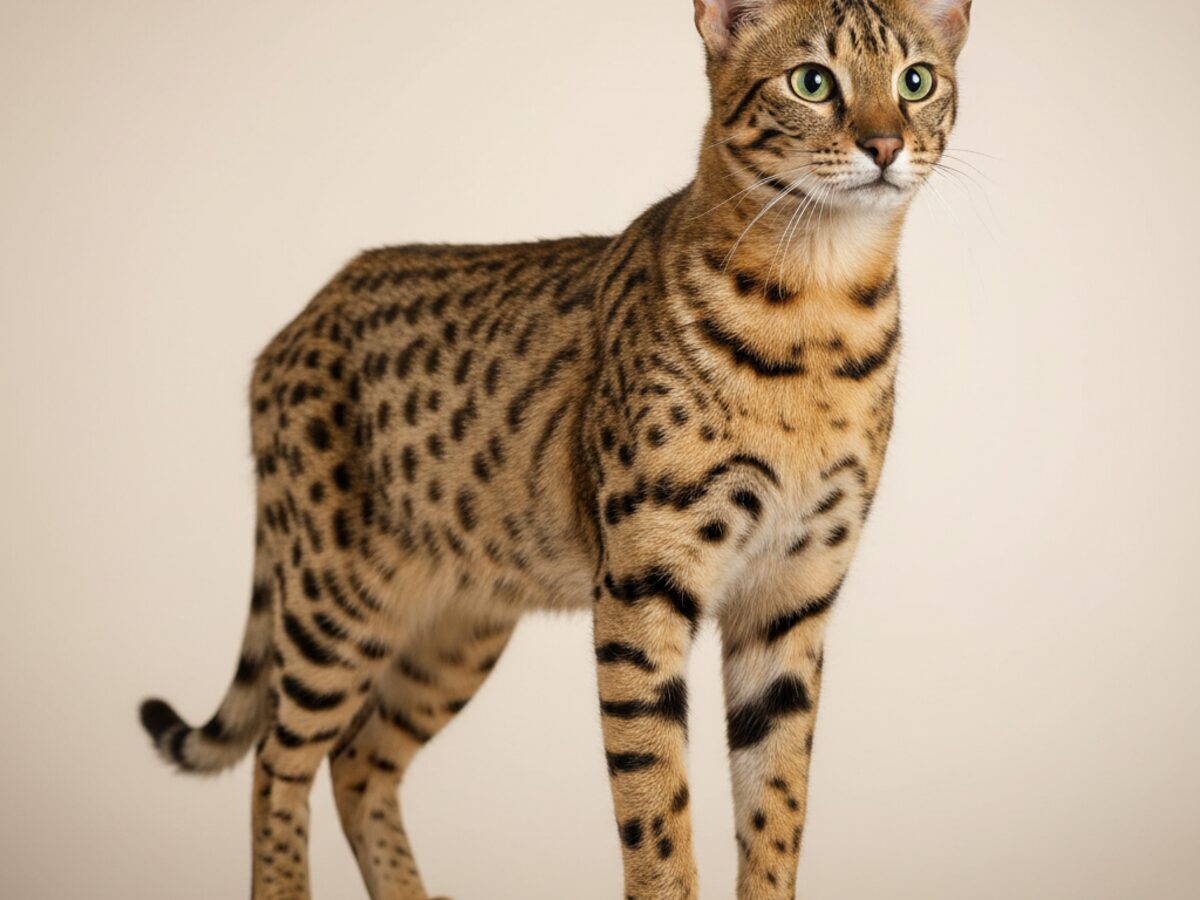
Savannah
7.8Hybrid with the African serval. Huge, athletic and demanding: not a "normal" cat. Check legality before adopting (F1-F4).
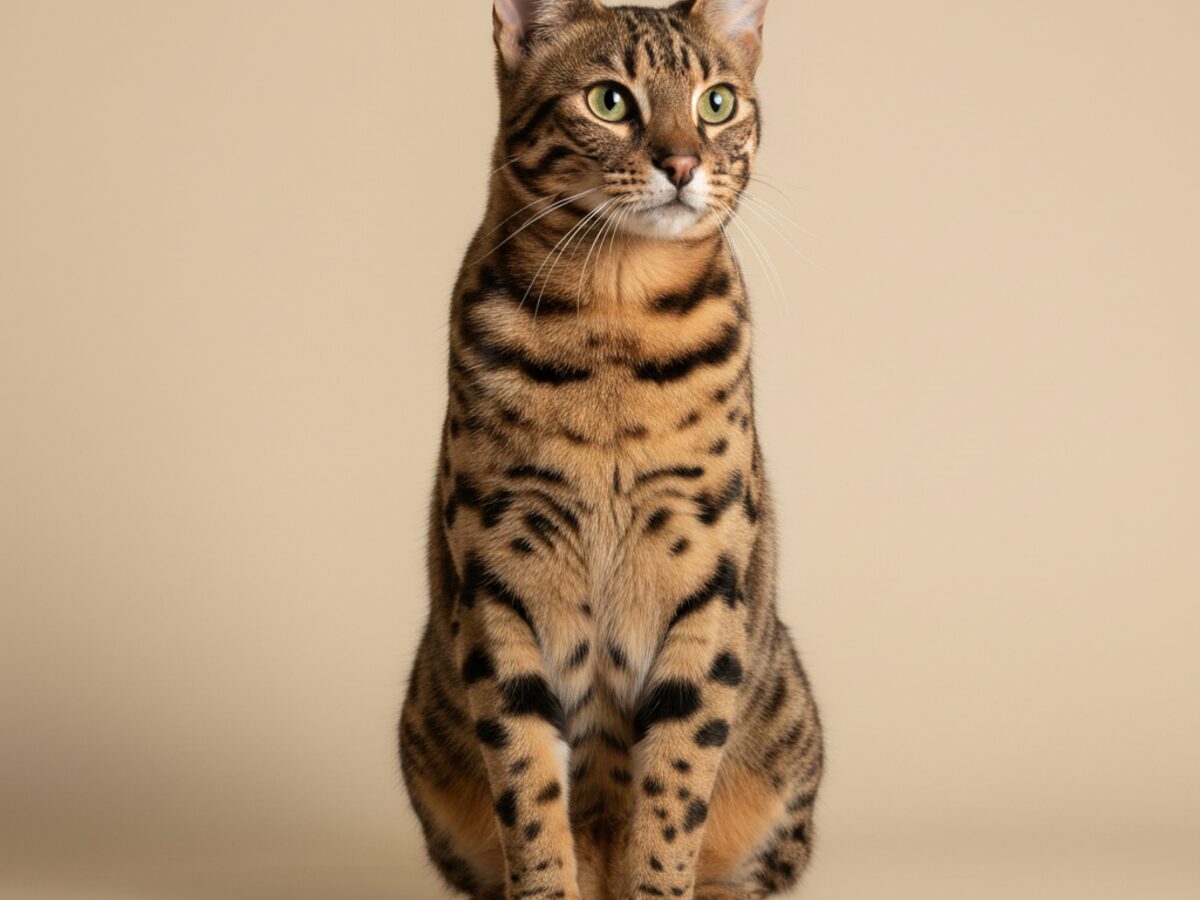
Ocicat
8.4Wild ocelot looks, 100% domestic. Super social, can learn fetch and leash walks.