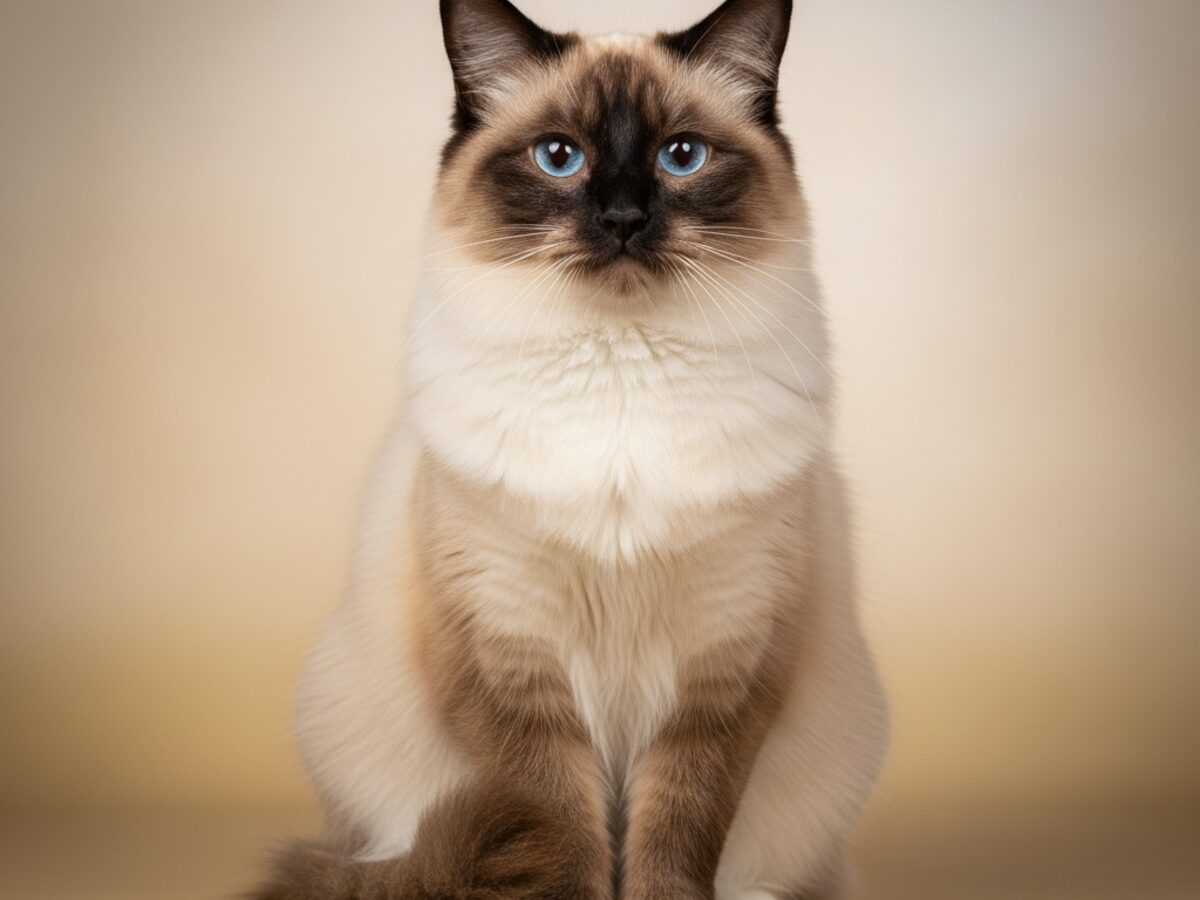
Birman
"Birman: The Sacred Cat with the White Gloves."
Overview
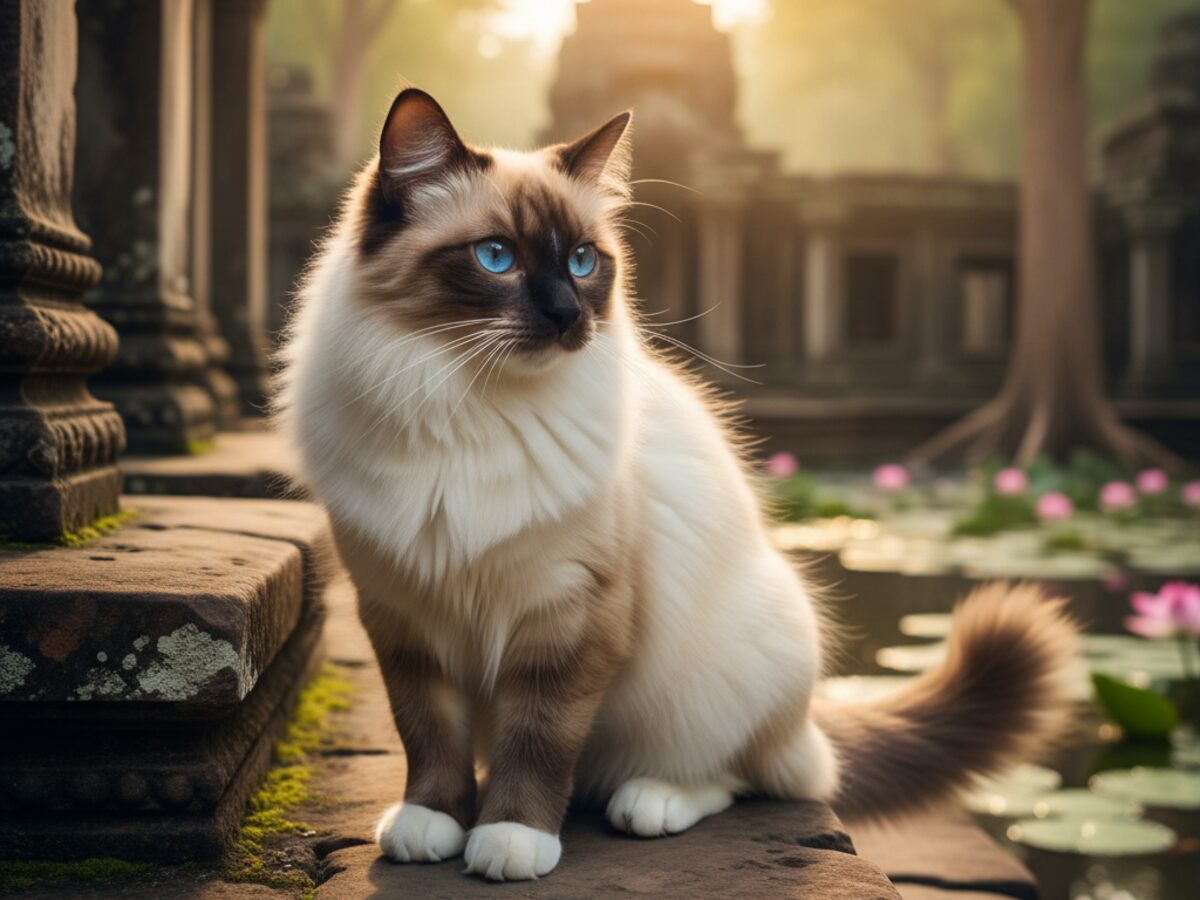
The Birman, with its deep blue gaze and unmistakable "white gloves," is one of the most captivating and desired cat breeds for families. Known for their affectionate and balanced temperament, these cats integrate perfectly into the dynamics of a home, quickly becoming a cherished family member. Their adaptability makes them ideal for apartment living, as long as they receive the affection and attention they crave. If you're considering adding a Birman to your life, be prepared for a loyal companion who will follow you from room to room, seeking a place to snuggle and purr their love. They are a constant source of sweetness and serenity, perfect for calming the busy pace of family life.
Caring for a Birman is a rewarding and relatively simple task. Despite their semi-long coat, it doesn't tangle easily and requires regular brushing, two or three times a week, to keep it silky and shiny. This grooming ritual not only keeps your cat immaculate but also becomes a special moment to strengthen your bond. In addition, a high-quality diet, annual veterinary check-ups, and an enriched environment with toys and scratching posts are essential for their well-being. Birmans, though playful, have a moderate activity level, which means they will enjoy interactive play sessions with the family without demanding constant physical exertion. They are the perfect balance between playful energy and comforting calm.
The Birman's coexistence with children is exemplary. Their patience and tolerance make them excellent companions for little ones, even with babies and toddlers, always under supervision. They know when to retreat if play gets too loud or rough, and their gentle nature ensures harmonious interaction. With school-aged children, they become loyal friends, willing to share naps or engage in quiet games. They also get along wonderfully with other pets, including friendly dogs, making them a fantastic choice for multi-animal households. The key is a gradual and positive introduction so that all members of the house, furry or not, feel comfortable and happy.
Choosing a Birman means opening your doors to a furry friend who will enrich your family life with unconditional love and elegance. From their mysterious origin in the temples of Burma to their development in France, every aspect of this breed is fascinating. They are an intelligent choice for first-time owners due to their docile and easy-to-train temperament. While they require companionship and attention, the reward is a magnificent feline that will provide years of affection and joy. Always remember to choose an ethical breeder to ensure the health and good temperament of your new companion, thus guaranteeing a happy start for your Birman in your family home.
Key facts
- Size
- Medium
- Weight
- 4–7 kg
- Life expectancy
- 13–16 years
- Daily exercise
- 20 min/day
- Estimated total
- 120€/month
- Country
- Burma / France
Character & temperament
The Birman is like the sweetest and most well-mannered family member. They are known for their calm, affectionate, and balanced temperament. They love to be close to their humans, always ready for a petting session, but without being overly demanding. Don't expect a curtain-climbing cat; rather, an elegant observer who will occasionally surprise you with a playful chase of a feather wand.
They are curious and intelligent, and although not as vocal as other breeds, they will communicate their desires with soft meows and an expressive gaze. They are easy to train and adapt well to changes, making them perfect for families with a dynamic life. Imagine your Birman snuggled up next to you while you read a book or watch a movie... Pure feline bliss!
Living with children
The Birman is a champion at living with the little ones in the house. Their sweet and patient nature makes them an excellent playmate for children of all ages. They are tolerant and not easily stressed, which is a great advantage in homes with the usual bustle of children.
With babies and toddlers, Birmans are usually cautious and gentle, moving away if play becomes too loud or rough, but without showing aggression. It's always important to supervise interactions to teach children to respect the cat. With school-aged children and teenagers, they become confidants and more active playmates, enjoying chasing toys or simply snuggling together during naps or reading time. You might even see them 'sitting' in the chair with your kids while they do their homework!
With other pets
The adaptability of the Birman is one of its greatest virtues. They are known for **getting along well with other cats** and even with **well-behaved dogs**. Their calm temperament usually makes introductions stress-free, and they often enjoy the company of other animals. A Birman can form strong bonds with a canine companion, as long as the dog is friendly and has been properly introduced. It's important to ensure that any initial interactions are supervised. Over time, it's not uncommon to see a Birman sharing the sofa with the family dog or even playing together, creating a very special mini-pack at home. Just be careful with small pets like rodents or birds, as the hunting instinct is natural in any feline.
Health & prevention
Like most purebred cats, Birmans are generally healthy, but they can be prone to certain genetic conditions. It's important to choose a responsible breeder who performs health screenings on their breeding animals. Some of the diseases they may be susceptible to include hypertrophic cardiomyopathy (HCM), a thickening of the heart muscle, and polycystic kidney disease (PKD), although the latter is less common in the breed.
It's also advisable to be attentive to dental problems, common in many cats, and maintain a healthy weight to prevent diabetes and other obesity-related disorders. Regular veterinary check-ups, a balanced diet, and an enriched environment are key to ensuring your Birman has a long and happy life. Remember that prevention is better than cure, and a healthy cat is a happy cat!
Health risks
- •Hypertrophic cardiomyopathy
- •Kidney issues
Care
Nutrition
Good quality nutrition is essential to maintain your Birman's beautiful coat and overall health. Opt for a **high-quality cat food, rich in animal proteins**, that meets their nutritional needs. Birmans are medium-sized cats with a moderate activity level, so portions should be adjusted to their age, weight, and energy level to prevent overweight. Always consult your vet for a personalized feeding plan. Some Birman owners prefer wet food diets or a combination of dry and wet to ensure good hydration. Constant access to **fresh, clean water** is vital. Avoid giving them table scraps, as many human foods can be harmful to cats. A well-fed Birman is a Birman with a shiny coat and full of energy to play!
Grooming & hygiene
Despite their semi-long, silky coat, Birmans are surprisingly **easy to groom**. Their fur has a texture that doesn't tangle easily, simplifying the grooming routine. Brushing **two or three times a week** is sufficient to keep their coat free of knots and reduce shedding, especially during shedding seasons. In addition to brushing, it's important to pay attention to regular dental hygiene, trim their nails every few weeks, and clean their eyes and ears as needed. An occasional bath can help keep their coat pristine, but many Birmans keep themselves clean. Grooming can be a bonding moment with your cat and an excellent way to strengthen your relationship!
Exercise & training
Exercise plan
Birmans are cats with a **moderate** activity level. They are not the most energetic felines you'll find, but they love to play and need daily mental and physical stimulation. About **30 minutes of interactive play a day** is usually enough to keep them happy and fit. They love toys that simulate prey, laser pointers (always with a reward at the end!), and scratching posts. Given their size and temperament, a multi-level scratching post or a 'cat tree' will provide them not only a place to sharpen their claws but also an elevated spot from which to observe their kingdom. They are big fans of naps, so you'll find that after a good play session, they will look for the coziest spot for a sweet dream!
Training
Training a Birman is a rewarding experience, as they are **intelligent and eager to please** cats. They respond very well to positive reinforcement, such as treats and praise. You can teach them simple tricks like coming when called, sitting, or even shaking paws. Their curious nature makes them enjoy the mental challenges that training offers. They can also be accustomed to using a leash and harness for supervised outdoor walks, which can be an excellent form of enrichment, as long as it's done gradually and positively. Being so adaptable and sociable, it's easier to teach them good manners at home, such as using the scratching post instead of furniture. You'll see that your Birman will learn quickly and surprise you with its ingenuity!
Monthly cost
Estimated monthly costs in Europe. Includes premium food, annual vet visits divided monthly, basic grooming products, health insurance (optional but recommended), and toys/extras. The initial acquisition cost of a kitten from a breeder is around 800 - 1500 euros, not including initial accessories such as carrier, scratching posts, beds, etc.
Estimate for Spain, healthy adult cat. Varies by region and provider.
Pros & cons
Pros
- ✓Extremely affectionate and loyal.
- ✓Ideal for families with children and other pets.
- ✓Easy-care coat despite being semi-long.
- ✓Calm and patient temperament.
- ✓Adaptable to different environments.
- ✓Intelligent and easy to train.
Cons
- !Needs a lot of human companionship; doesn't like being alone.
- !Can be prone to certain genetic diseases.
- !Requires regular brushing to maintain its coat.
Ideal for
- • Families looking for an affectionate companion.
- • Homes with children and other pets.
- • People willing to dedicate time to play and cuddles.
- • Owners who value tranquility at home.
Not recommended for
- • People who spend a lot of time away from home.
- • Those looking for a very independent cat.
- • Homes that cannot guarantee regular brushing.
How it fits each scenario
**Excellent.** Their moderate activity level and love for companionship make them perfect for apartment living, as long as they get enough interaction.
**Good.** A secure garden (or catio) would allow them to explore, but they are not outdoor cats and prefer the safety and companionship of home.
**Managed well.** Their semi-long coat will need extra help to stay cool in very warm climates. Ensuring cool spots and plenty of water will be key.
**Excellent.** Their dense coat provides good protection against cold, making them suitable for cooler climates, as long as they live indoors.
**Very good.** They are patient and tolerant, but supervision is always recommended to teach toddlers to respect the cat and avoid rough play.
**Excellent.** Their playful, sociable, and affectionate nature makes them excellent playmates and confidants for school-aged children.
**Excellent.** Their docile and easy-to-manage temperament makes them ideal for first-time owners looking for a rewarding cat experience.
**Excellent.** Experienced owners will appreciate their elegance, intelligence, and the ease with which they integrate into family routines, even with other animals.
**Good.** While not hyperactive, they enjoy interactive play and can adapt to an active family that dedicates playtime and attention to them.
**Not ideal.** Birmans crave companionship; a very busy family that leaves them alone for long periods could make them feel sad or anxious.
**Moderate.** While no cat is 100% hypoallergenic, Birmans produce less Fel d 1 (the allergenic protein) than some other breeds. Still, they can cause reactions.
**Not ideal.** Birmans typically have a high initial acquisition cost, and like all pets, require ongoing investment in quality food and veterinary care.
Origin & history
The history of the Birman is as charming as it is mysterious, a blend of ancient oriental legends and a touch of French sophistication. It is said that its origins lie in the temples of Burma (present-day Myanmar), where these cats were sacred companions of monks, guardians of souls, and symbols of reincarnation. Legend has it that they acquired their blue eyes and white paws after a divine miracle, when defending a dying monk. Isn't that an exciting story to tell the kids?
Although its mystical roots come from the East, the breed as we know it today was developed and consolidated in France in the early 20th century. It is believed that a pair of these cats was brought to Europe from Burma, starting the modern line. Unfortunately, World War II decimated the breed's population, almost leading it to extinction. However, thanks to the dedicated efforts of passionate breeders, the Birman resurfaced and has captivated hearts worldwide with its elegance and character.
Birmans are true movie stars! A Birman named **"Sassy"** was the feline protagonist in the 1993 Disney movie, **'Homeward Bound: The Incredible Journey'**. She surely made many children smile with her adventures!
Frequently asked questions
Is the Birman truly "sacred"?▾
The term "Sacred" comes from ancient Buddhist legends about their origin in the temples of Burma, where they were considered companions of monks. It's not that they are literally "holy," but their mysticism and history have earned them this noble appellation.
Do Birmans grow very large?▾
They are medium to large-sized cats. Males are usually larger, weighing between 4.5 and 7 kg, while females weigh between 3 and 5 kg. They reach their full size around 3 years of age.
Are Birmans good for apartment living?▾
Yes, absolutely! Their calm nature and desire for companionship make them excellent apartment dwellers. They adapt well to indoor spaces, as long as they receive enough attention and interactive play.
How long do Birmans live?▾
With proper care, Birmans can live an average of **12 to 16 years**, although many exceed this age. A balanced diet, regular exercise, and vet visits are key to a long and healthy life.
Do Birmans shed a lot?▾
Despite their semi-long coat, they don't shed as much as other long-haired breeds due to the lack of a dense undercoat. Regular brushing helps control shedding and keeps their coat in optimal condition.
Do Birmans need a lot of space and exercise?▾
They are not cats that require a lot of open space. With a moderate activity level, an apartment or medium-sized house with toys and daily interactive playtime is enough to keep them happy and fit.
Similar family-friendly breeds

Ragdoll
9.6The name says it all: goes limp like a rag doll when picked up. Affectionate, docile and perfect for families with kids.
Persian
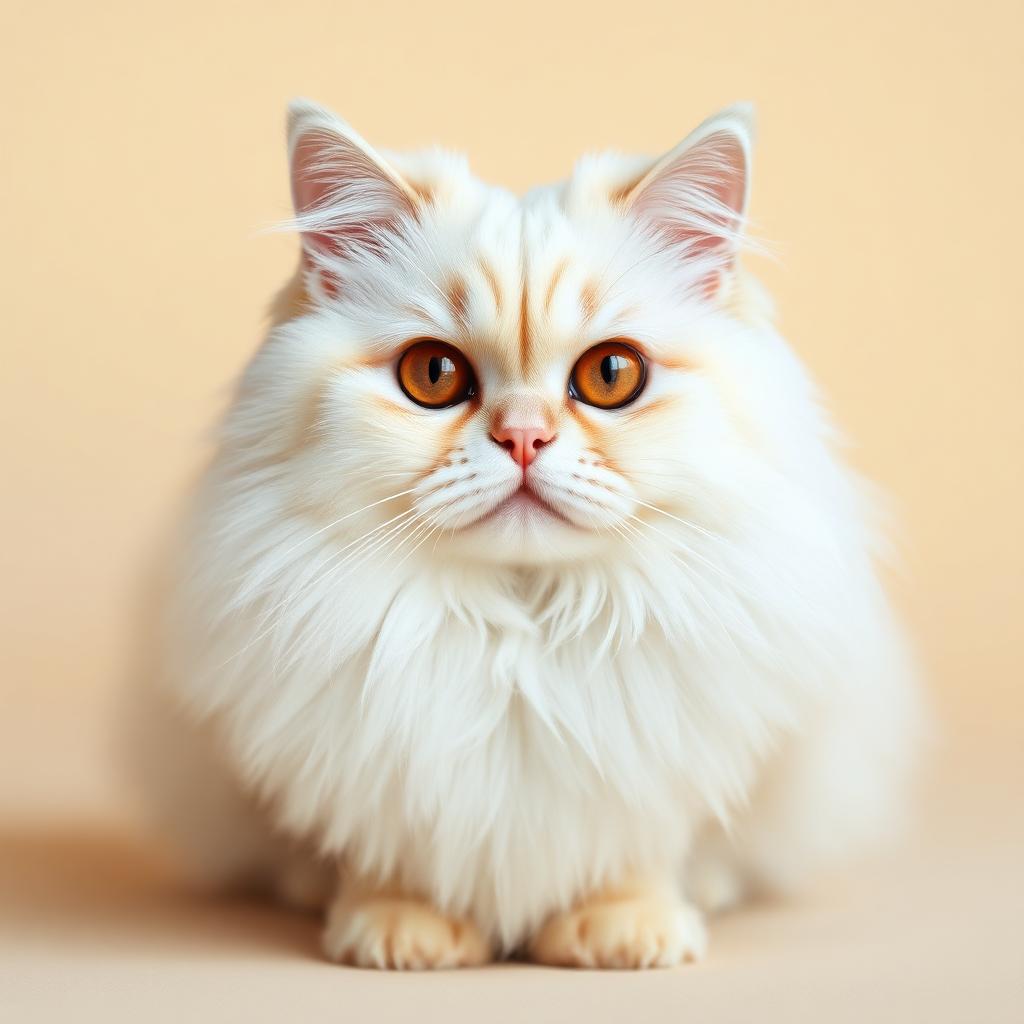
8.7A serene long-haired aristocrat: calm, homebody and very photogenic. Needs daily brushing and regular baths; flat face requires vet follow-ups.
 Hypoallergenic
Siberian
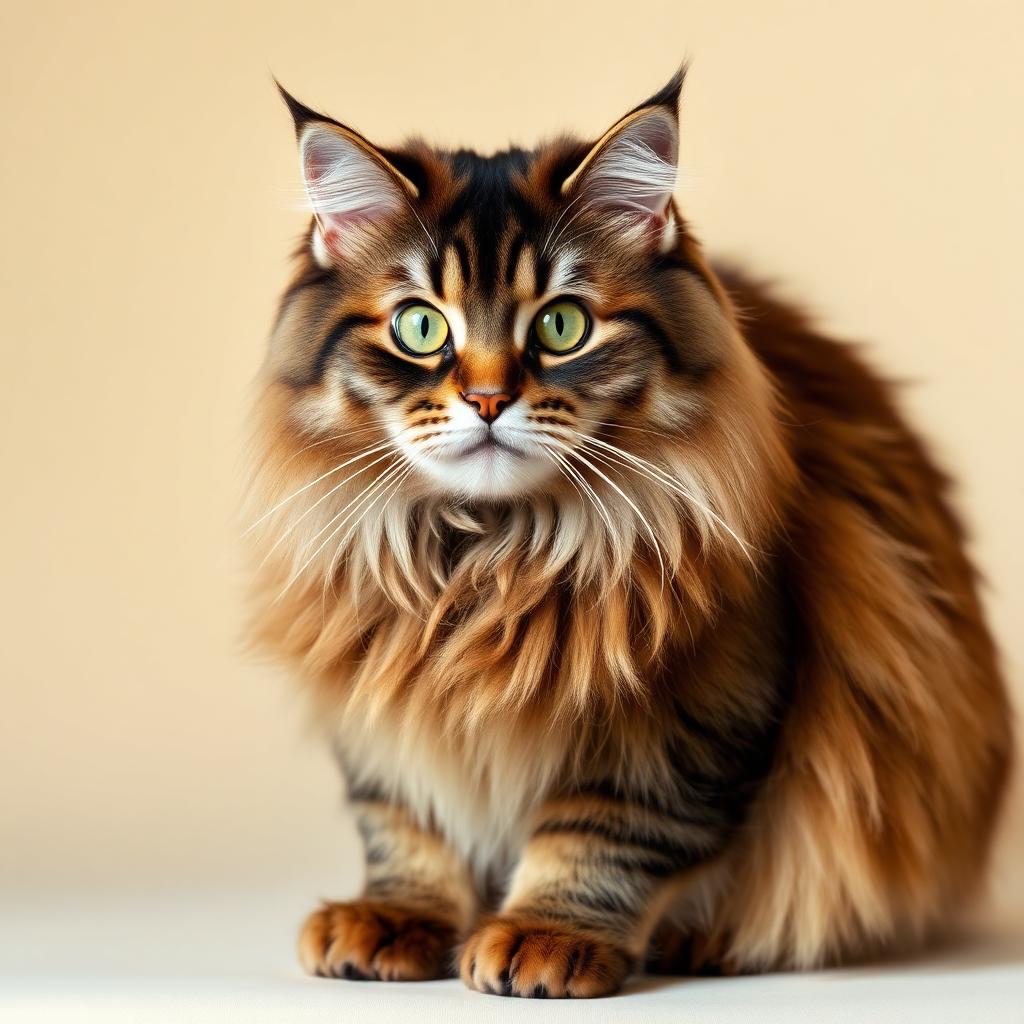
9.2Best option for allergy sufferers: produces less Fel d 1 than average. Sturdy, playful and very cold-resistant thanks to a triple coat.