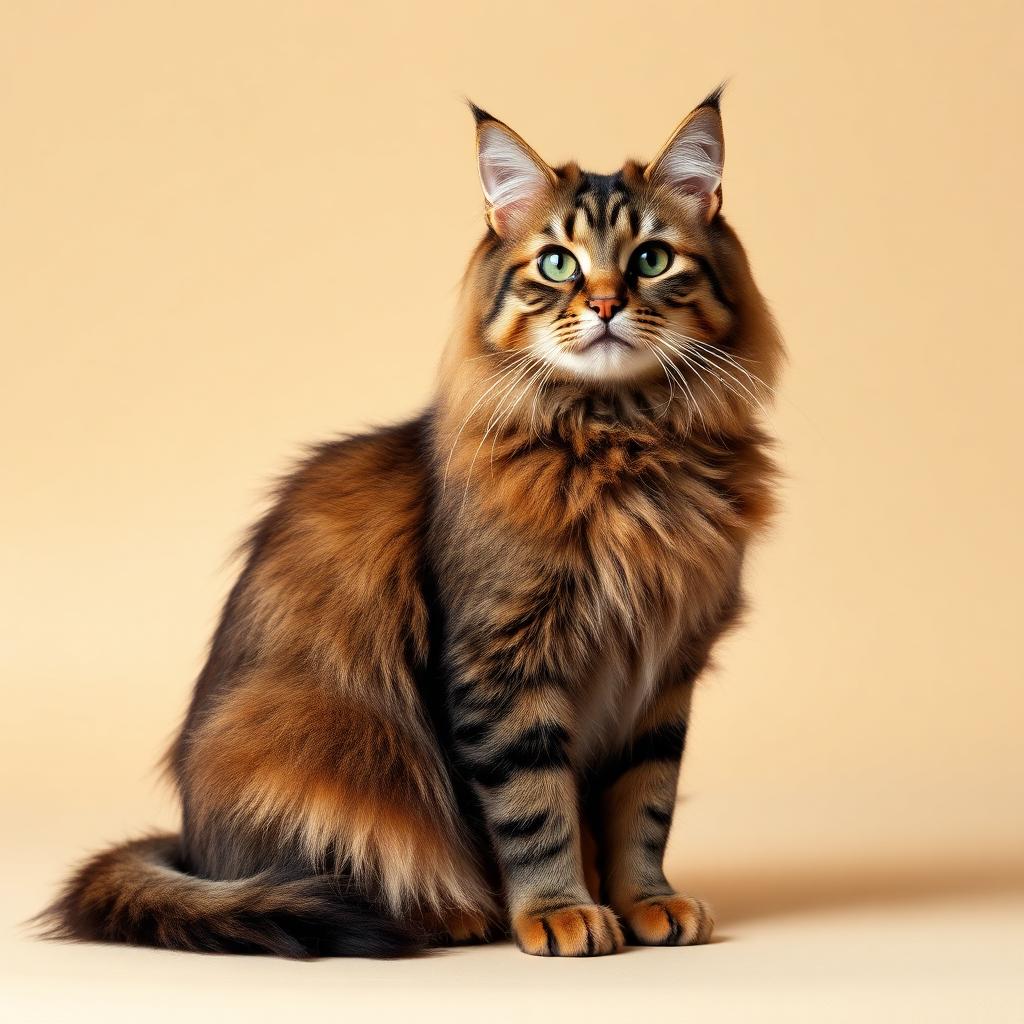
Maine Coon
"The Gentle Giant with a Heart of Gold"
Overview
Explore the world of the Maine Coon, the affectionate "Gentle Giant" that has captured hearts globally. Originating from Maine, USA, this breed is distinguished by its majestic size and its docile and social character. At FamiCats.com, we offer a complete guide on how to care for, feed, and understand these wonderful felines. From their vibrant playtimes to their calm moments, the Maine Coon is an ideal companion for active families and cat lovers seeking an interactive and affectionate pet. Their generally robust health, with due attention to potential conditions like HCM, ensures a full and happy life.
The Maine Coon is known for its semi-long and abundant coat, which requires regular maintenance to prevent tangles and maintain its shine. Its adaptability to different environments and its dog-like behavior make it unique among feline breeds. They enjoy human company and often follow their owners around the house, seeking interaction. They are exceptional with children and other pets, making them a fantastic choice for diverse households. At FamiCats, we emphasize the importance of early socialization to further enhance their friendly qualities.
To ensure an optimal life for your Maine Coon, quality nutrition is key. Given their size and moderate energy level, they need a balanced diet rich in protein. We cover the best feeding practices, from daily amounts to wet and dry food options, to support their digestive health and muscle development. Furthermore, we explore how their exercise needs can be met with interactive play and environmental enrichment, fostering both their physical and mental well-being. Disease prevention through regular veterinary check-ups is fundamental.
FamiCats helps you discover why the Maine Coon is more than just a pretty face. Their intelligence allows them to learn tricks and commands, solidifying their reputation as "dog-like" cats. From litter box training to harness socialization, we provide practical tips for harmonious coexistence. Understanding their unique vocalizations, often described as trills or chirps, adds another layer to their charm. If you are looking for a loyal, affectionate, and playful companion that fits perfectly into family dynamics, the Maine Coon is undoubtedly an exceptional choice. Dive into FamiCats for everything you need to know about this fascinating breed.
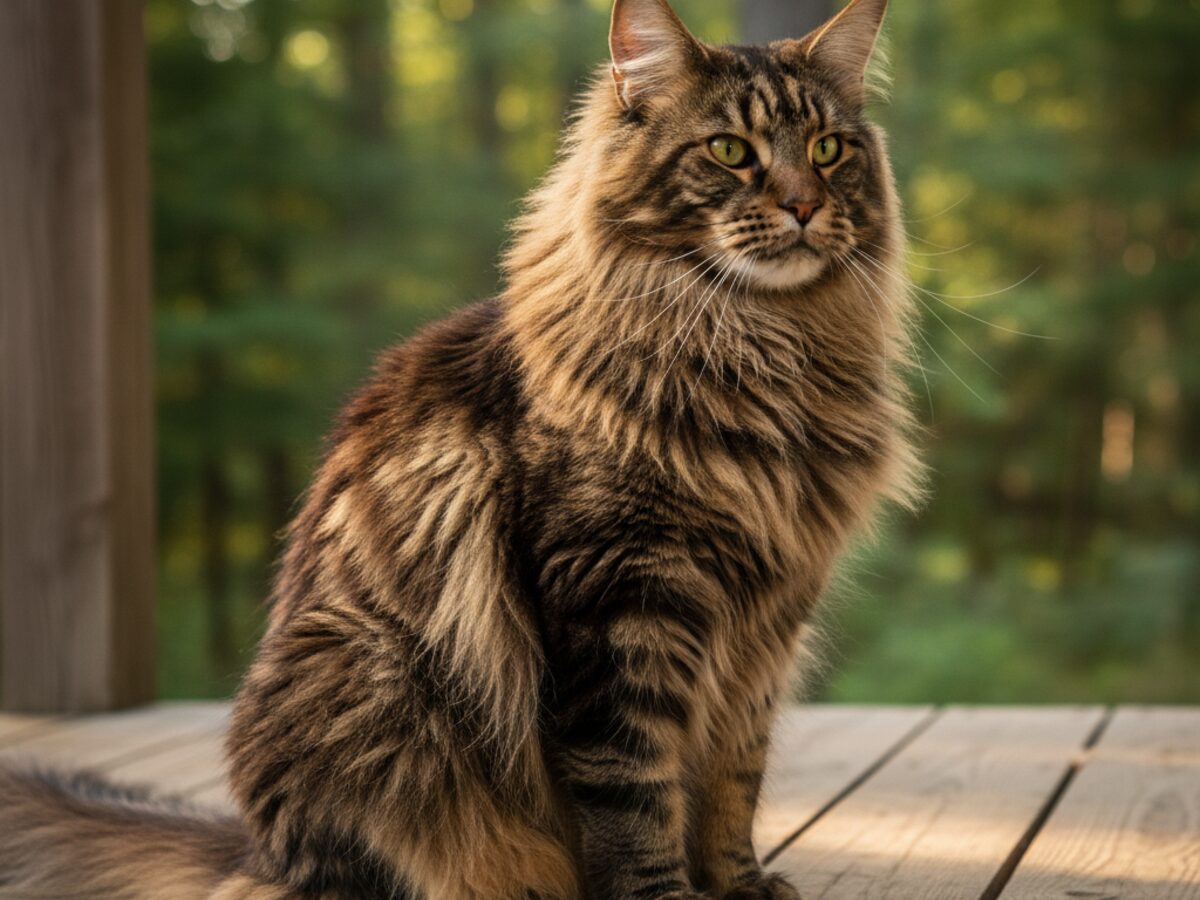
Key facts
- Size
- Large
- Weight
- 5–9 kg
- Life expectancy
- 12–15 years
- Daily exercise
- 30 min/day
- Estimated total
- 125€/month
- Country
- Estados Unidos / United States
Character & temperament
Maine Coons are known for their gentle and affectionate nature, often earning them the nickname "Gentle Giants." They are extremely social cats who enjoy human companionship and adapt well to family life. Unlike many cats, they often exhibit "dog-like" traits, such as following their owners from room to room, coming when called, and enjoying games of fetch. Their intelligence is notable, making them easily trainable and capable of learning tricks.
Although large in size, their demeanor is surprisingly sweet and amiable. They are not usually overly demanding of attention but do appreciate petting and play sessions. They are curious by nature and love to explore, so providing an enriching environment with interactive toys and tall scratching posts is essential. They often communicate with soft trills and chirps, rather than loud meows, which adds to their unique charm.
With strangers, Maine Coons are typically friendly and curious, though some might show a slight initial reservation. They are rarely aggressive or fearful, preferring to observe from a safe distance before deciding to interact. Their patience and good temperament make them excellent hosts, able to tolerate the bustle and novelty of visitors without being perturbed. With their owner, they develop a strong bond of loyalty and affection, seeking their presence and involvement in their daily activities.
Living with children
The Maine Coon is a fantastic choice for homes with children. Their patient, playful temperament and docile nature make them extremely tolerant of childish enthusiasm. They are robust enough to handle gentle play and show great patience. However, as with any pet, it is crucial to teach children how to interact respectfully and gently.
With other pets
Maine Coons generally get along very well with other pets, including friendly dogs, other cats, and, in some cases, even small pets if introduced properly (though always with supervision for prey species). Their relaxed and adaptable nature allows them to integrate harmoniously into multi-species households. Their size might initially intimidate other animals, but their gentleness quickly reassures them.
Health & prevention
While Maine Coons are generally a robust and healthy breed, they do have a genetic predisposition to certain conditions. The most notable is hypertrophic cardiomyopathy (HCM), a heart disease that can be screened for through genetic testing and echocardiograms. They can also be susceptible to hip dysplasia, common in large breeds, and spinal muscular atrophy (SMA), for which a genetic test also exists. It is strongly recommended to choose responsible breeders who screen their breeding cats for these diseases, and to subject your cat to regular annual veterinary check-ups, including cardiac exams for early detection.
Health risks
- •Hypertrophic cardiomyopathy
- •Hip dysplasia
- •Spinal muscular atrophy
Care
Nutrition
An adult Maine Coon, weighing between 5 and 9 kg, will require approximately 250-400 calories per day, which translates to about 60-100 grams of high-quality dry food with good protein content. It's beneficial to combine this with wet food, as it aids hydration and can prevent urinary issues. Offer several small meals a day rather than one large one for their digestive system. Always ensure they have access to fresh, clean water. Consult your veterinarian for a nutritional plan tailored to their age, weight, and activity level.
Grooming & hygiene
The Maine Coon's semi-long coat requires regular grooming to prevent matting and maintain its health. Brushing at least 2-3 times a week is recommended, increasing frequency during shedding seasons. Baths are only occasionally necessary, perhaps every 2-3 months, using a cat-specific shampoo. Nails should be trimmed every 2-4 weeks, and ears should be checked weekly. The estimated monthly cost of professional grooming, if opted for, can range from 20 to 40 euros, but most owners can manage it at home.
Exercise & training
Exercise plan
Maine Coons are active cats requiring regular mental and physical stimulation. Approximately 30-60 minutes of play per day, spread across several short sessions, is ideal. They enjoy interactive toys, laser pointers, feathers, and balls. Given their fondness for climbing and observing, providing tall scratching posts and cat shelves is essential. They can also learn to walk on a harness and leash, offering an excellent way for them to explore safely.
Training
Maine Coons are intelligent and responsive cats, making them relatively easy to train. Litter box socialization is usually intuitive for them. Given their "dog-like" nature, many enjoy learning tricks such as sitting, staying, giving paw, or even fetching objects. Clicker training and rewards are very effective, and some can even be trained to walk on a harness and leash. Patience, consistency, and positive reinforcement are key.
Monthly cost
Monthly costs are an estimate and can vary depending on food quality, individual veterinary needs, and insurance type. Grooming costs can be lower if done at home.
Estimate for Spain, healthy adult cat. Varies by region and provider.
Pros & cons
Pros
- ✓Extremely friendly and affectionate
- ✓Excellent with children and other pets
- ✓Playful and "dog-like" temperament
- ✓Intelligent and easy to train
- ✓Adaptable to different lifestyles
Cons
- !Requires regular coat grooming
- !Prone to HCM (hypertrophic cardiomyopathy)
- !Needs mental/physical stimulation
- !Can be destructive if bored
- !High initial cost for pedigree
Ideal for
- • Families with children
- • People seeking an interactive cat
- • Households with other pets
- • Owners willing to groom
Not recommended for
- • People allergic to cats
- • Those seeking a very independent cat
- • Households unable to provide stimulation
How it fits each scenario
Yes, although large, Maine Coons are adaptable and can live happily in an apartment if provided with sufficient vertical space and enrichment.
Ideal, they enjoy safe outdoor access (fenced garden or leash walks) where they can explore and satisfy their curiosity.
Requires consideration; their dense coat can make them suffer in hot climates and they will need air conditioning and shade.
Excellent, their thick coat and robustness are naturally adapted for cold climates, thriving in cooler environments.
Very good, they are patient and tolerant, but supervision is always required due to their size and the delicacy of young children.
Excellent, their playful and social nature makes them ideal companions for school-aged children.
Good, their docile temperament and intelligence make them manageable for first-time owners who are willing to learn about their needs.
Ideal, an experienced owner will appreciate their unique qualities and know how to foster their development and well-being.
Excellent, they enjoy interaction and play, fitting perfectly into a dynamic family that offers them stimulation.
Requires planning; though not overly demanding, they do need sufficient time for play and grooming.
Not recommended, they are not a hypoallergenic breed and can trigger allergies with their abundant coat.
Not ideal, their costs can be high due to their size, feeding needs, and potential health insurance.
Origin & history
The Maine Coon originated in the state of Maine, United States, where its presence was first documented in the 19th century. It is believed to be descended from crosses between native American shorthair cats and longhair cats imported by sailors, such as Angora or Norwegian Forest Cats. Their robust build and dense coat naturally developed to withstand the extreme winters of New England, making them a breed highly adapted to their environment. Originally valued for their rodent-hunting skills on farms, today they are cherished as family companions.
The Maine Coon is known for its fascination with water, often playing with it and even splashing in faucets and bowls.
Frequently asked questions
How long does a Maine Coon live?▾
The average lifespan of a Maine Coon is 12 to 15 years. With proper care, good nutrition, and regular vet visits, they can live even longer.
Does a Maine Coon need a lot of space?▾
Although they are large cats, a Maine Coon adapts well to an apartment if provided with enough vertical space for climbing and places to explore. A secure garden or supervised walks are a bonus.
Are Maine Coons good with children?▾
Yes, Maine Coons are excellent with children. Their patience, gentle nature, and willingness to play make them ideal family companions, always with adult supervision.
Do Maine Coons need a lot of grooming?▾
Yes, their semi-long, dense coat requires regular brushing (2-3 times a week) to prevent tangles and keep it in good condition. This is essential for their health.
Are Maine Coons intelligent?▾
Yes, they are a very intelligent and curious breed. They can learn tricks, commands, and enjoy games that challenge their minds, such as food puzzles.
Do Maine Coons adapt to other animals?▾
Generally yes. They are usually very social and get along well with other cats and dogs, especially if the introduction is gradual and positive.
Why are they called "Gentle Giants"?▾
They are known as "Gentle Giants" due to their large physical size combined with their incredibly sweet, patient, and affectionate personality, which contrasts with their imposing appearance.
Do Maine Coons make unusual sounds?▾
Yes, they often communicate with trills, chirps, and soft sounds, rather than typical meows. These sounds are a charming part of their unique personality.
Similar family-friendly breeds
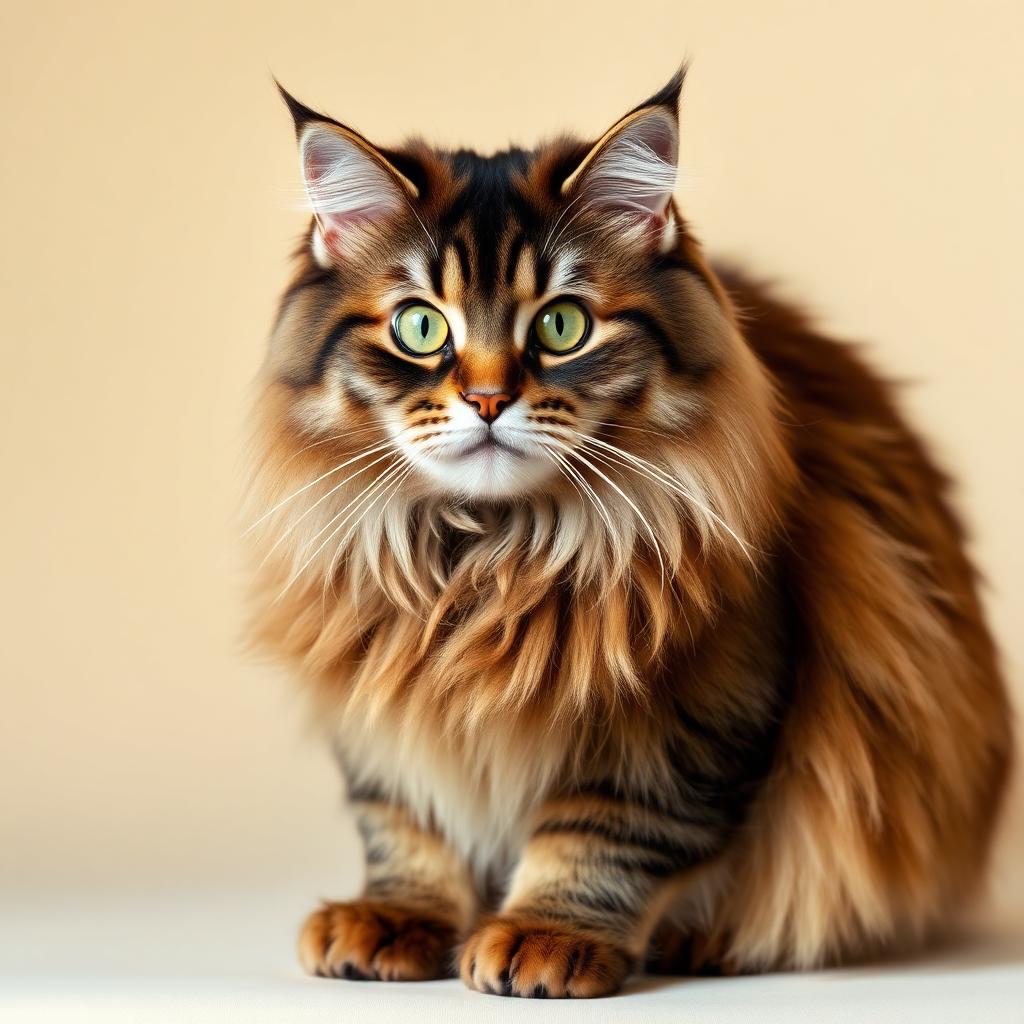 Hypoallergenic
Siberian
9.2Best option for allergy sufferers: produces less Fel d 1 than average. Sturdy, playful and very cold-resistant thanks to a triple coat.
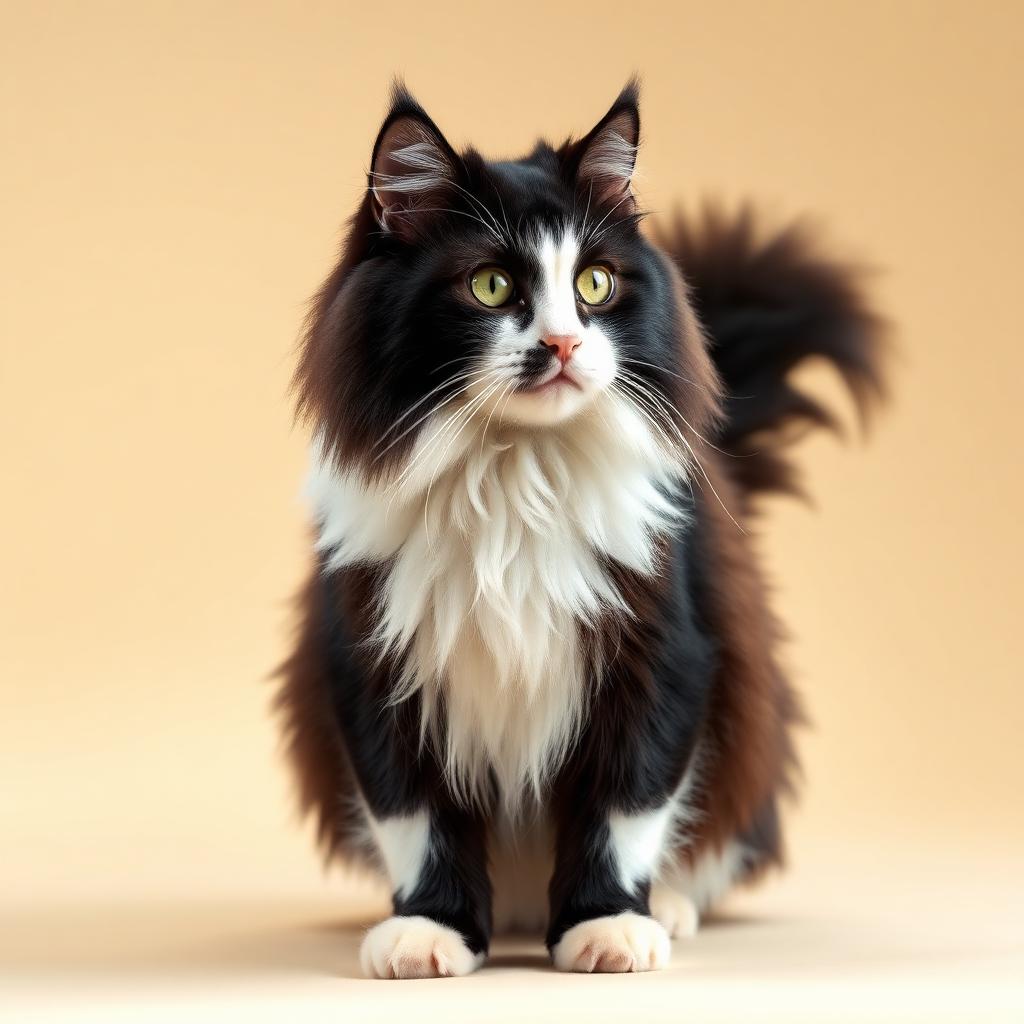
Norwegian Forest Cat
9.1The Viking cat: huge, fluffy and a born climber. Calm at home but loves the outdoors and cold. Poor fit for hot Mediterranean climates.
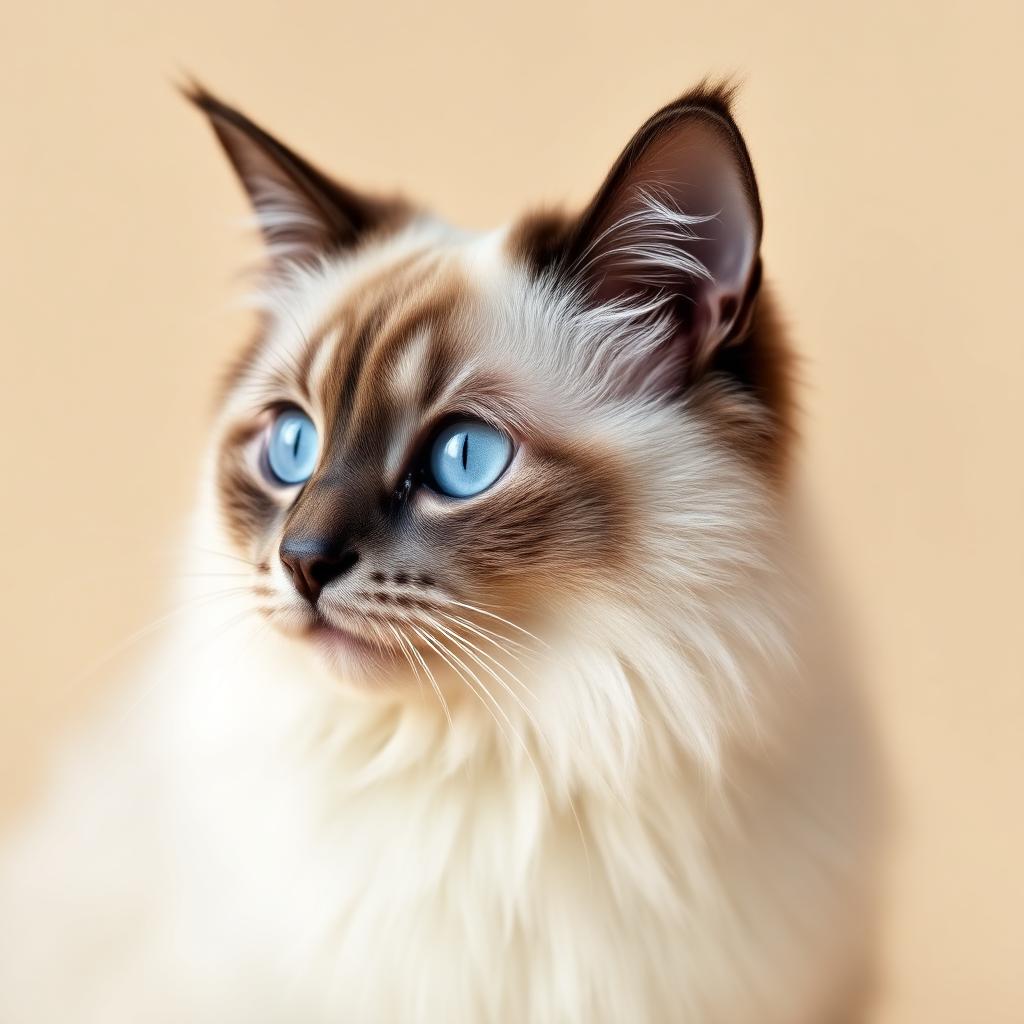
Ragdoll
9.6The name says it all: goes limp like a rag doll when picked up. Affectionate, docile and perfect for families with kids.