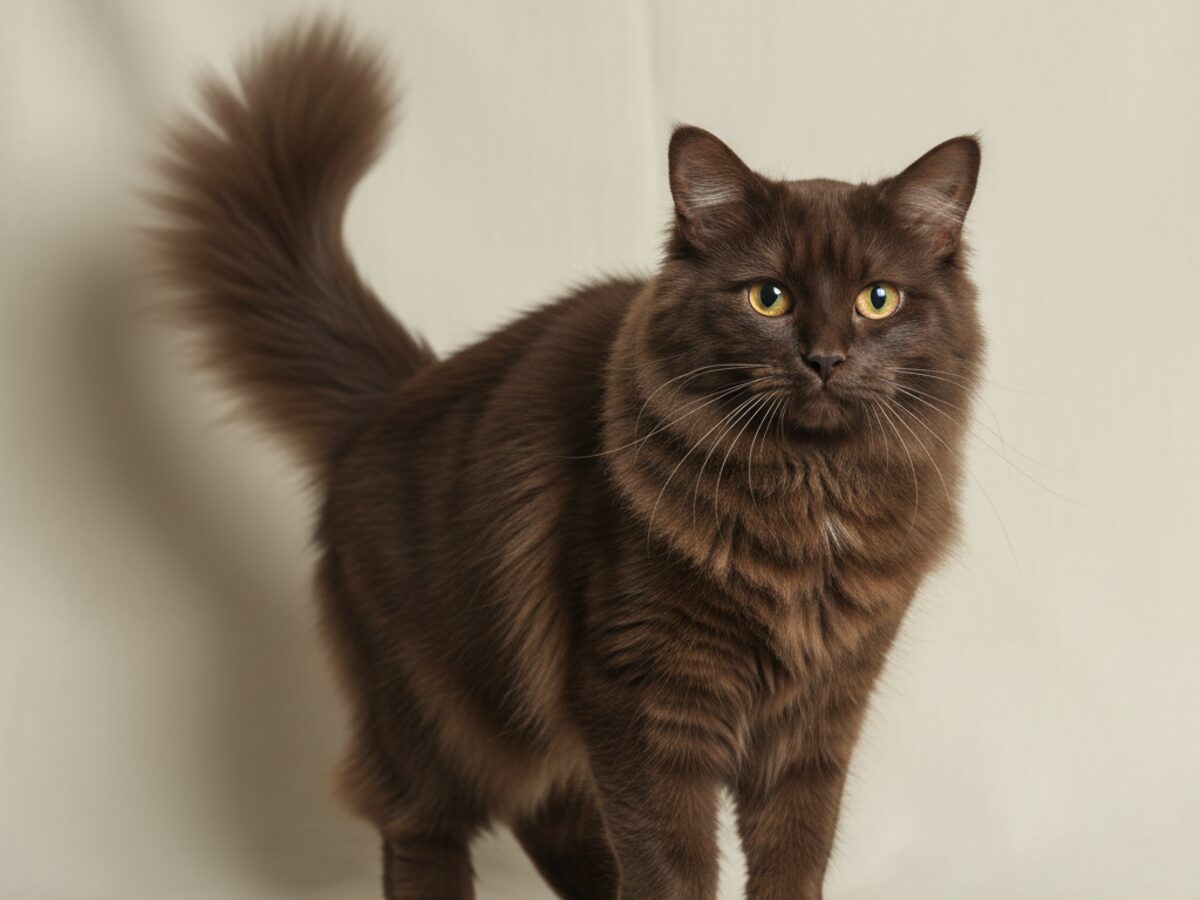
Chantilly-Tiffany
"Chantilly-Tiffany: Elegance and Affection in One Fluffy Hug!"
Overview
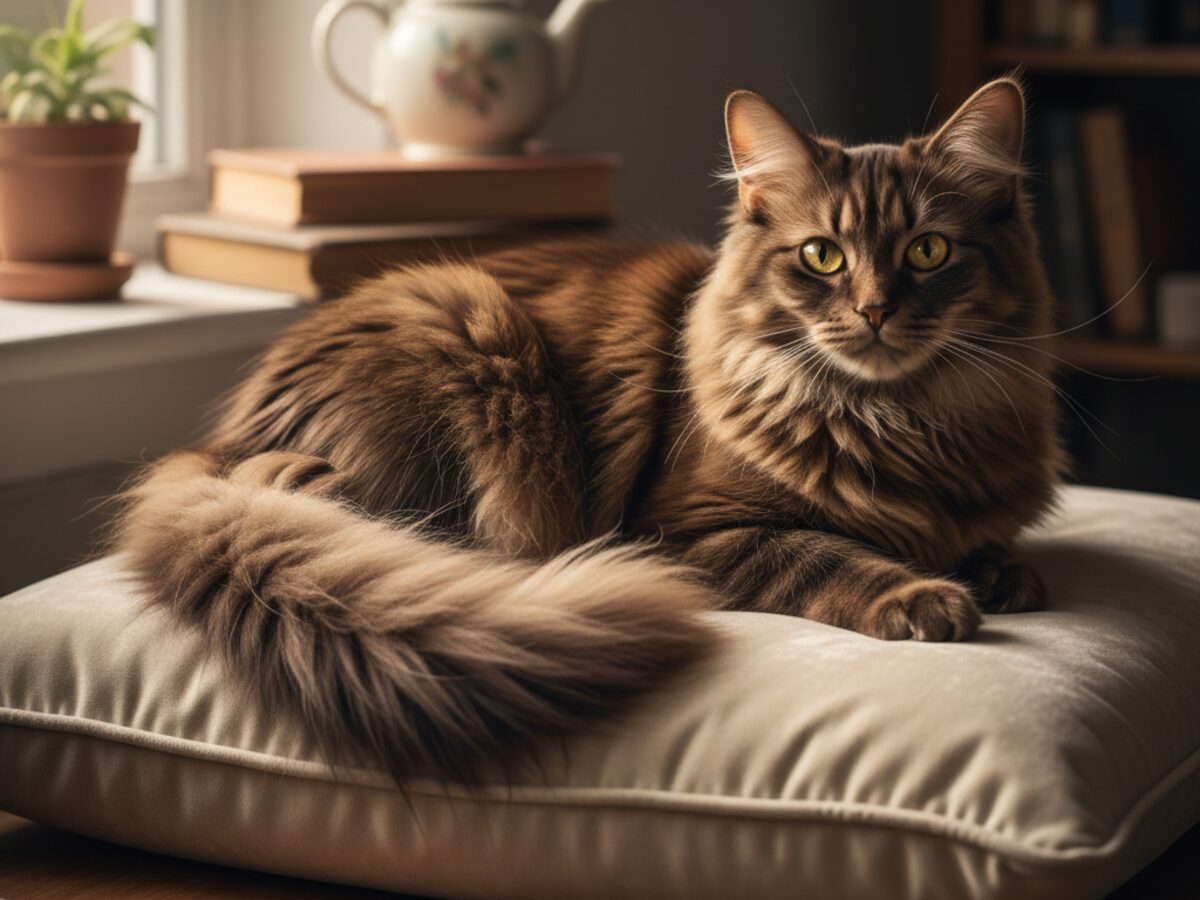
Welcome to FamiCats.com, your online destination to thoroughly explore the most fascinating feline breeds. Today, we want to introduce you to the charming Chantilly-Tiffany, a cat that not only stands out for its impressive beauty and silky, semi-long coat, but also for a personality that makes it the perfect companion for any family. This feline, with its piercing golden or amber eyes and elegant plumed tail, is often the center of attention, offering a unique blend of grace and affection. Its history, dating back to 1967 in North America, is a testament to resilience and the love of breeders to preserve this natural gem. Imagine a cat that is not only a delight to behold, but also a communicative soul, expressing itself through soft trills that will make you feel connected in a special way. If you are looking for a cat that combines a majestic appearance with a tender and playful heart, the Chantilly-Tiffany is an option that will exceed your expectations.
At FamiCats.com, we understand that choosing a cat for your family is an important decision. That's why we emphasize that the Chantilly-Tiffany is exceptionally friendly with children and other pets, provided that interactions are supervised and respectful. Its patient and adaptable nature makes it ideal for active homes, becoming another member of the family, ready to curl up on your lap after a long day or to participate in play sessions. Furthermore, its intelligence and eagerness to please make training a rewarding experience, allowing you to teach it tricks and strengthen your bond. Despite its sophisticated appearance, its grooming routine is surprisingly simple, requiring only regular brushing to keep its coat immaculate and tangle-free, making it a practical option even for first-time owners. Its general health is robust, but as always, good veterinary care and a quality diet are essential to ensure a full and happy life.
For those concerned about the cost, at FamiCats.com we provide a detailed estimate of monthly expenses, including food, vet, and other care, so you can prepare. Although the initial price of a Chantilly-Tiffany kitten can be considerable, the investment is justified by a companion who will provide years of love, loyalty, and joy. We will explore the pros and cons of owning a Chantilly-Tiffany, highlighting its affectionate nature, adaptability, and easy maintenance, while pointing out that they need companionship and are not the best option for homes where they will be left alone for long periods. We will offer tips for good coexistence in different family scenarios, from apartments to houses with gardens, and help you determine if this noble breed is the perfect choice for your lifestyle. With FamiCats.com, you will have all the necessary information to welcome a Chantilly-Tiffany into your home and enjoy its charming presence.
Key facts
- Size
- Medium
- Weight
- 3–5 kg
- Life expectancy
- 14–16 years
- Daily exercise
- 20 min/day
- Estimated total
- 90€/month
- Country
- United States
Character & temperament
Chantilly-Tiffany cats have a personality as beautiful as their appearance. They are known for being incredibly affectionate and loyal to their families. Imagine your cat following you from room to room, not just out of curiosity, but because it genuinely enjoys your company. They are the typical cats that will greet you at the door and seek a warm spot on your lap as soon as you sit down. They are not intrusive, but they constantly show their affection. They love to cuddle and enjoy petting, which makes them perfect companions for watching movies or simply relaxing at home.
In addition to being affectionate, they are intelligent and playful cats. They enjoy interactive toys and can learn tricks with ease. Although not noisy, they are quite communicative, expressing themselves with soft trills and 'conversations' rather than loud meows. They are curious by nature and enjoy exploring their surroundings, which means a tall scratching post or a play tower will be much appreciated. They are adaptable cats that integrate well into different home environments, as long as they receive enough attention and love. They are like the quiet but ever-present friend in your group, who brightens the room with their gentle presence.
Living with children
The Chantilly-Tiffany is a wonderful companion for families with children, especially those who already understand how to interact with animals. They are known for their patience and tolerance, which makes them ideal for active homes. If your children are young (under 5-6 years old), it is essential to supervise their interactions to ensure the cat feels safe and respected. Teach children to be gentle, to stroke softly, and not to pull tails or ears.
With other pets
Chantilly-Tiffany cats are usually **sociable** cats that get along well with other household pets, including friendly dogs and other cats. Their calm and adaptable nature allows them to integrate smoothly into a multi-pet home. However, as with any pet introduction, it's important to make introductions gradually and supervised to ensure everyone feels comfortable. Their tendency to be less dominant makes them good companions for other cats, and their curiosity may even find fun in playing with a calm dog.
Health & prevention
Chantilly-Tiffany are generally a healthy breed with a life expectancy of 12 to 15 years or more. However, like all breeds, they can be susceptible to some common cat health problems. It is important to know about them to detect them early. Some of the problems they may face include Hypertrophic Cardiomyopathy (HCM), a heart disease where the heart muscle thickens; therefore, it is advisable to ask the breeder about the parents' health history. They may also be prone to dental problems, which are quite common in most cats, as well as hairball formation, due to their semi-long coat.
To ensure a long and happy life for your Chantilly-Tiffany, regular veterinary check-ups are essential, at least once a year. Keep their vaccinations and deworming treatments up to date. A balanced diet and weight control are crucial, as being overweight can aggravate or cause other health problems. Pay attention to their dental hygiene with regular brushing if possible. Observe any changes in their appetite, energy level, or litter box habits, as these could be early indicators of problems. An enriched environment with toys and opportunities for exercise will also contribute to their overall well-being, preventing boredom and stress.
Health risks
- •Dental issues
Care
Nutrition
The diet of a Chantilly-Tiffany should be **high-quality and balanced**, suitable for their age, activity level, and health status. Opt for premium dry or wet food brands that feature meat or fish as the main ingredient. Avoid foods with many fillers or low-quality by-products. Given their semi-long coat, a diet rich in Omega-3 and Omega-6 fatty acids (such as those found in salmon oil or certain formulated foods) can help maintain their shiny, healthy coat and reduce hairball formation. Always provide plenty of fresh, clean water. Consult your veterinarian for a personalized nutritional plan, especially if your cat has specific dietary needs or any health conditions.
Grooming & hygiene
Despite their silky, semi-long coat, the Chantilly-Tiffany is **surprisingly easy to care for** when it comes to grooming. They do not have a dense undercoat, which means their fur is less prone to tangling and matting than in other long-haired breeds. Brushing **2 to 3 times a week** is sufficient to keep their coat knot-free, remove loose hair, and distribute their skin's natural oils, which will contribute to that characteristic shine. This also helps reduce hairball formation, something you will appreciate. In addition to brushing, it is important to pay attention to **dental hygiene** with regular brushing (ideally daily, or several times a week) to prevent periodontal disease. Their nails should be trimmed every few weeks, and their ears should be checked weekly for signs of dirt or infection, gently cleaning them if necessary. Although they do not usually need frequent baths, if their coat gets very dirty, use a cat-specific shampoo and make sure to rinse thoroughly to avoid skin irritations. Turning grooming into a pampering session can strengthen your bond!
Exercise & training
Exercise plan
Chantilly-Tiffany are cats with a moderate activity level. They enjoy active play sessions but also appreciate their resting moments. They need at least **30-45 minutes of interactive play a day**, distributed in several short sessions. Toys like laser pointers (with a physical toy at the end to 'hunt'), feathers, fishing rods with toys, and balls are their favorites. Providing them with a **scratching tree or a tall tower** will give them opportunities to climb and observe, satisfying their curiosity and need for vertical exercise. Although they love to cuddle, they also like to stay in shape!
Training
Chantilly-Tiffany are **intelligent and eager-to-please** cats, which makes them quite easy to train. They respond very well to **positive reinforcement**; treats, praise, and petting are excellent motivators. You can teach them to use scratching posts, come when called, and even simple tricks like 'sit' or 'high five'. Clicker training is a very effective tool for this breed. The key is consistency and keeping sessions short and fun to maintain their interest. Their adaptability also facilitates leash and harness training if you wish to take safe outdoor walks.
Monthly cost
These costs are a monthly estimate. The initial cost of a Chantilly-Tiffany kitten can range from 800 to 1500 euros, depending on the breeder and lineage.
Estimate for Spain, healthy adult cat. Varies by region and provider.
Pros & cons
Pros
- ✓Extremely affectionate and loyal
- ✓Sociable with children and other pets
- ✓Communicative with soft trills
- ✓Elegant beauty and soft fur
- ✓Easy to groom (low shedding)
- ✓Intelligent and easy to train
Cons
- !Need attention and companionship
- !Can be sensitive to loud noises
- !Less common breed, hard to find
- !Prone to hairballs if not brushed
Ideal for
- • Active families with older children
- • Owners looking for a loyal companion
- • Homes with other friendly pets
- • People who enjoy feline interaction
- • Those who value a low-maintenance coat
Not recommended for
- • Homes where the cat will be alone for long periods
- • People who prefer independent cats
- • Those looking for a 'no-maintenance' cat
- • Very noisy or stressful environments
How it fits each scenario
They adapt well to apartment living if they receive enough attention and interactive play. They enjoy heights, so a cat tree is a must.
They will enjoy exploring a safe, fenced garden, but are indoor cats by nature. Their coat will appreciate not being exposed to excessive dirt.
They can tolerate warm climates, but will need access to shade, fresh water, and a cool indoor environment. Their semi-long coat does not prevent them from enjoying warmth in moderation.
Their semi-long coat offers them some protection, but they are not made for outdoor living in cold climates. They will enjoy a warm and cozy home.
With supervision and teaching respect for the pet, they can coexist, but very young children can unintentionally overwhelm them. It's better to wait until children are a bit older.
They are excellent companions for school-aged children who can already understand how to interact with a cat, offering affection and hours of mutual play.
They are an excellent choice for first-time owners due to their adaptable, sociable, and relatively easy-to-care-for coat.
Experienced owners will further appreciate their balanced temperament and intelligence, knowing how to enhance their well-being.
They adapt well to active families, as long as they have time to dedicate to interactive games and daily affection. They are not overly demanding.
They can adapt to busy families if they are guaranteed consistent moments of interaction and are not left alone for very long periods without companionship.
They are not considered hypoallergenic. People with severe allergies may experience reactions. It is advisable to spend time with the breed before adoption.
Initial cost and monthly expenses are moderate, but the rarity of the breed can influence the kitten's price. It is not the cheapest option.
Origin & history
The history of the Chantilly-Tiffany, also sometimes known as 'Foreign Longhair' in its early days, begins in North America in 1967. The breed is believed to have originated from a cross between two pedigreed cats found in New York. A woman named Jennie Robinson acquired these two cats, who had no known pedigree papers but possessed beautiful semi-long fur and fascinating golden eyes. These two cats were a male named 'Thomas' and a female 'Shirley'. Their descendants began to show consistent characteristics, suggesting a new and promising line. Initially, they were bred and recognized as a 'European' or 'Foreign' longhair breed, and later adopted the name 'Tiffany'.
However, the breed's history took an unexpected turn when the name 'Tiffany' was claimed by British breeders for a completely different breed (the Australian Mist, which is sometimes called 'Tiffany' in some parts of the world). To avoid confusion, the North American breed was renamed Chantilly/Tiffany, although today it is predominantly known as Chantilly-Tiffany. This breed almost disappeared in the 1980s, but thanks to the dedicated efforts of breeders like Sigyn Coven and Tracey D. Pegeen, who worked tirelessly to preserve and revitalize the line, the Chantilly-Tiffany experienced a resurgence. Its genetic lineage is often compared or linked to breeds like the Turkish Angora, although its development and characteristics make them unique.
Despite their elegant name, Chantilly-Tiffany cats have no relation to the famous luxury jewelry company Tiffany & Co. Their name Tiffany referred to the chocolate color of the first specimens, which resembled a 'Tiffany bonbon'.
Frequently asked questions
Is the Chantilly-Tiffany a noisy cat?▾
No, they are known for being quite discreet. They communicate with soft trills and chirps instead of loud meows, making them an ideal choice for those who prefer a quieter cat.
Do Chantilly-Tiffany cats get along well with small children?▾
They can be patient and tolerant, but it is best to supervise interactions with very young children (<5-6 years old) to ensure mutual respect. They are excellent with older children who already know how to interact with pets.
What kind of grooming does a Chantilly-Tiffany need?▾
Despite their semi-long coat, they are low maintenance. Brushing 2-3 times a week is enough to prevent knots and reduce hairballs. Regular dental brushing and nail trimming are also recommended.
Are Chantilly-Tiffany good for first-time owners?▾
Yes, they are an excellent choice. Their adaptable, sociable nature and eagerness to please make them easy to handle and train, which is ideal for those new to the world of cats.
Do Chantilly-Tiffany cats need a lot of attention?▾
They love companionship and thrive on human interaction. While not overly demanding, they do need daily attention and do not like to be left alone for very long periods. They are the typical cats that want to be close to you.
Can Chantilly-Tiffany live in apartments?▾
Absolutely. They adapt very well to indoor and apartment living, as long as they are provided with opportunities for play and an enriched environment (such as a cat tree) that satisfies their curiosity and need for moderate activity.
Similar family-friendly breeds
 Hypoallergenic
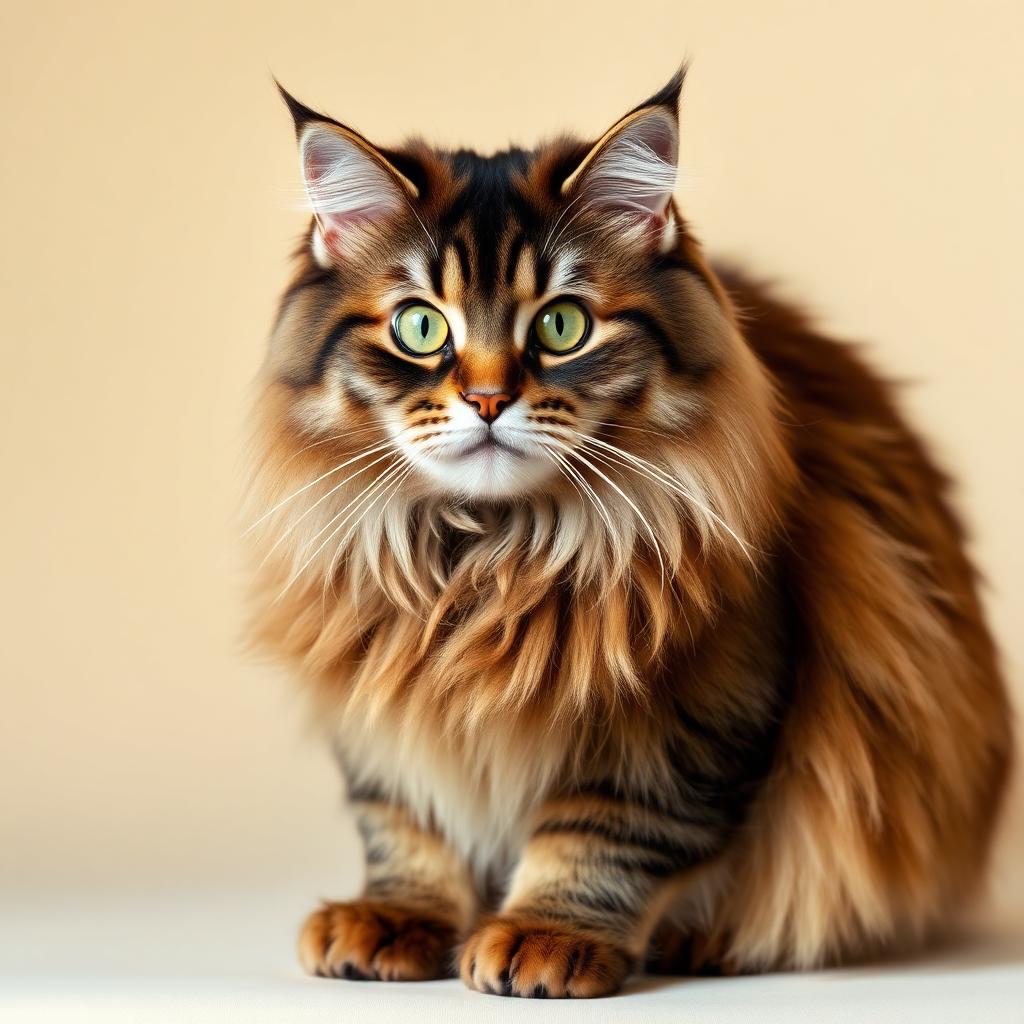
Siberian
9.2Best option for allergy sufferers: produces less Fel d 1 than average. Sturdy, playful and very cold-resistant thanks to a triple coat.
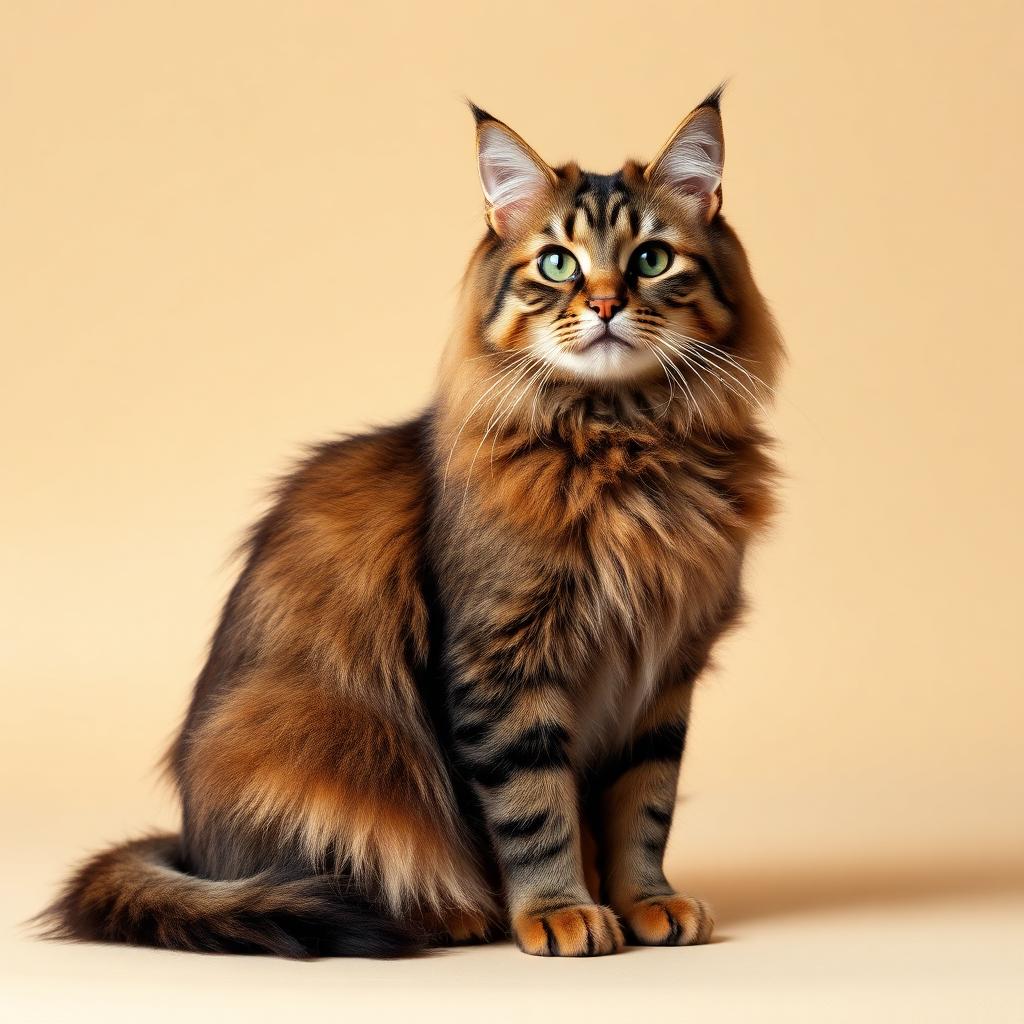
Maine Coon
9.7The gentle giant of the cat world: sociable, dog-like and very patient with kids. The semi-long coat needs brushing 2–3 times a week.
Birman
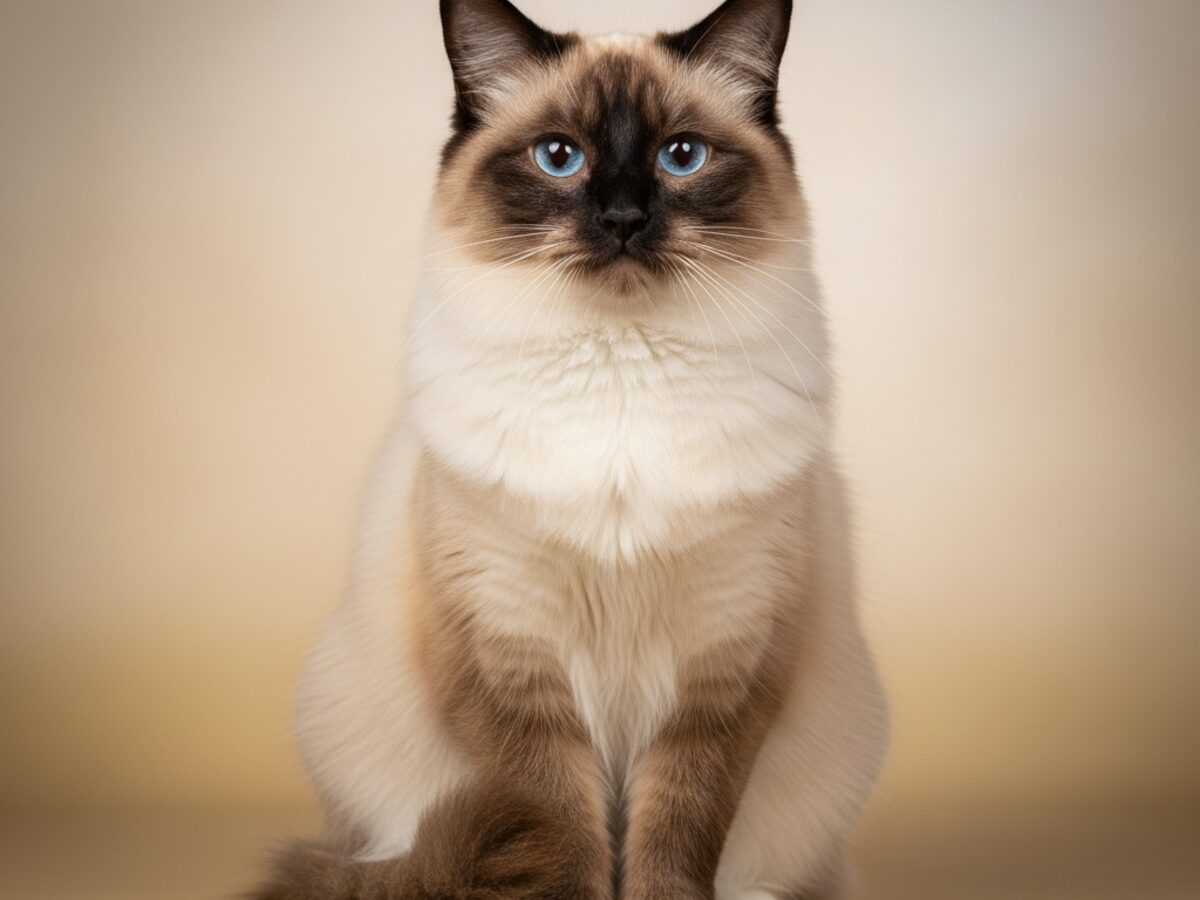
9.1The "temple cat": white gloves, sapphire eyes and a serene temperament. Ideal for families wanting calm company and quiet cuddles.