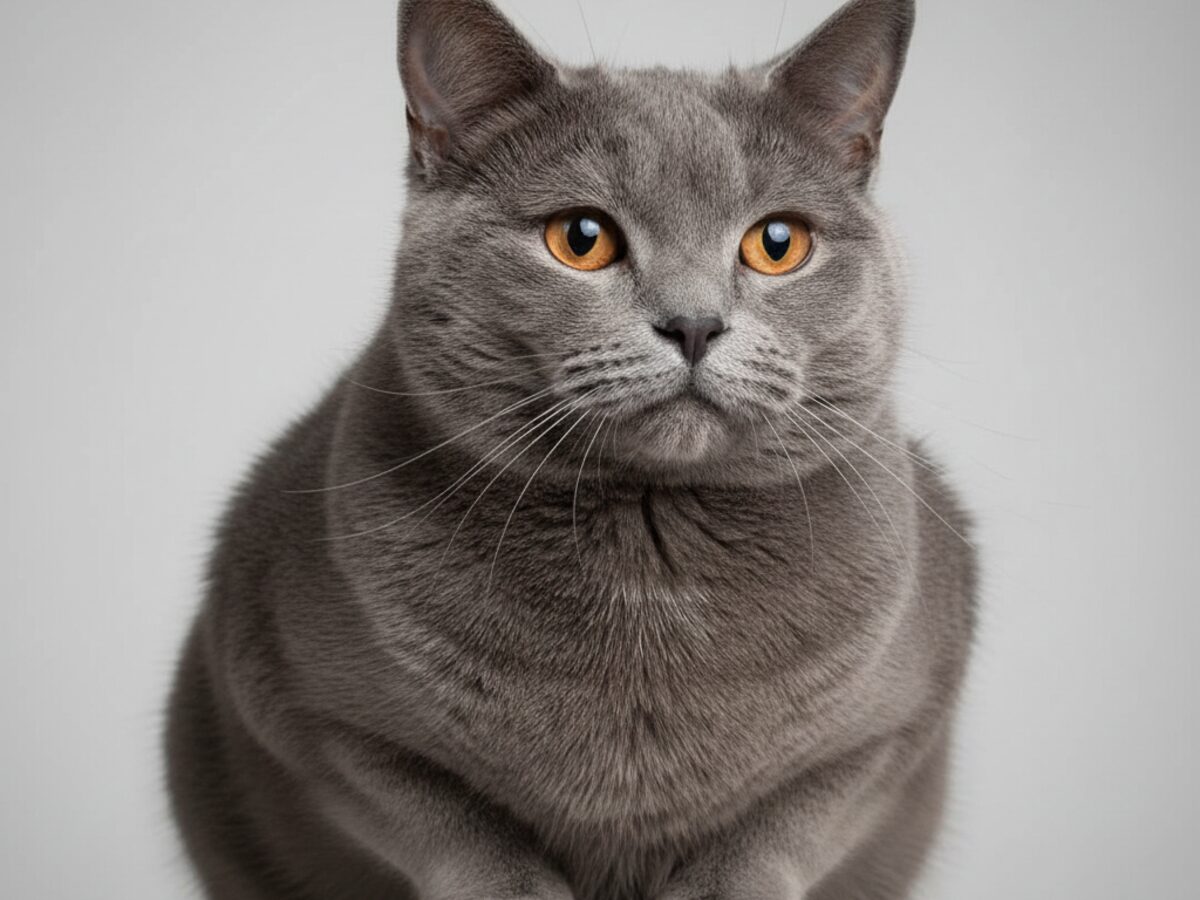
Chartreux
"The "French Smile" that will steal your heart with its elegance and affection!"
Overview
Discover the charming Chartreux, the cat with the "French smile" that has captured hearts worldwide. More than just a beautiful blue-gray coat, the Chartreux is a loyal and calm companion, ideal for families with children and those seeking an affectionate yet non-invasive pet. At FamiCats.com, you will delve into the history of this enigmatic breed, from its legendary origins in the Carthusian monasteries of France to its consolidation as one of the most admired breeds. We will explore its distinctive temperament, which combines intelligence with surprising calmness, its almost inaudible voice that makes it even more special, and its famous facial expression that resembles a perpetual smile, even inspiring pop culture characters like the Cheshire Cat. You will learn why the Chartreux is often described as a "cat-dog" due to its loyalty, its tendency to follow its humans, and its ability to be trained to perform tricks, making it a cat for life.
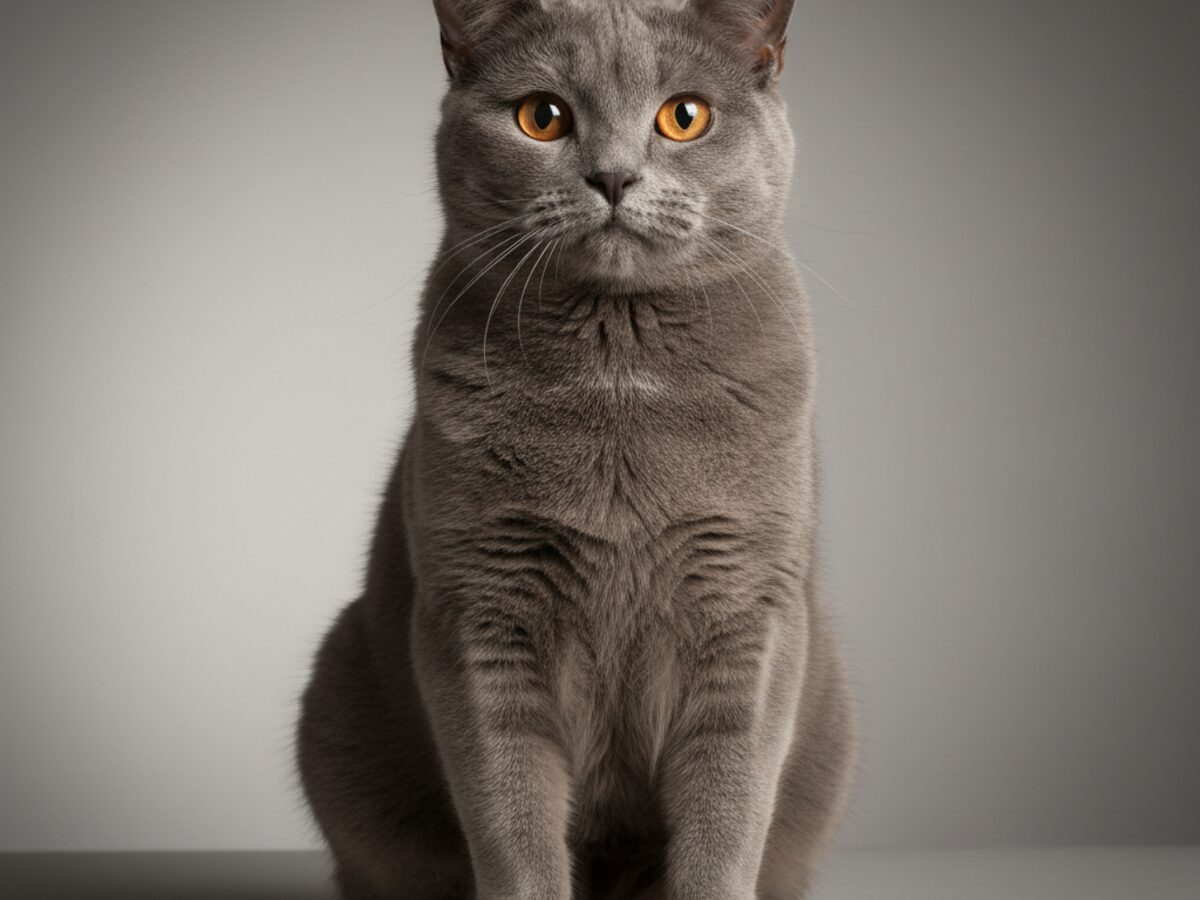
Key facts
- Size
- Medium
- Weight
- 3–7 kg
- Life expectancy
- 12–15 years
- Daily exercise
- 25 min/day
- Estimated total
- 90€/month
- Country
- Francia
Character & temperament
Chartreux cats are known for their calm and sweet temperament, which makes them ideal pets for many families. They are observant and intelligent cats, often described as "cat-dogs" due to their loyalty and tendency to follow their favorite humans from room to room. Despite their quiet nature, they enjoy interactive play sessions and love solving food puzzles. They are not overly noisy; in fact, many owners report that their Chartreux have a very soft, almost chirping voice, which makes them even more charming. They are masters at the art of relaxation and enjoy long naps in sunny spots, but are always ready for a cuddle or a play session. They are an excellent choice if you are looking for a cat that radiates serenity and unconditional love. Imagine having this beautiful, tranquil feline curled up next to you while watching your favorite series!
Living with children
Chartreux cats are generally wonderful with children! Their patient and tolerant nature makes them excellent playmates. However, as with any pet, it's crucial to teach children (especially younger ones aged 3 to 6) to interact respectfully with the cat. They should learn to pet it gently, not to pull its tail or whiskers, and to recognize signs that the cat needs space. Chartreux love to play, so interactive toy play sessions are a great way for children and cats to bond. Always supervise initial interactions and ensure there's a safe, quiet place where the cat can retreat if it feels overwhelmed. With a little education and supervision, your Chartreux can become your children's best feline friend, bringing joy and many smiles to your home.
With other pets
The **Chartreux**'s calm and adaptable nature generally makes it compatible with other pets, including other cats and friendly dogs. They tend to be quite peaceful and avoid conflict, preferring calm and harmony in the home. The key to successful coexistence is a **gradual and supervised introduction**. If you have a dog, make sure it is calm and well-socialized, and understands a cat's boundaries. Provide your Chartreux with elevated spaces and hiding spots where it can retreat if it needs a break from its furry companions. With patience and proper socialization from a young age, the Chartreux can happily coexist with other members of your animal family, perhaps even sharing naps together in the sun!
Health & prevention
Chartreux cats are generally a robust and healthy breed, with a lifespan often exceeding 15 years. However, like all breeds, they can be prone to certain genetic or hereditary conditions, although these are less common than in other breeds. Some health concerns to be aware of include patellar luxation, a knee condition that may require veterinary intervention, and occasionally kidney problems like polycystic kidney disease (PKD), though this is rarer in Chartreux than in other blue shorthair breeds. It is crucial to purchase your kitten from a responsible breeder who performs health screenings on their breeding cats to minimize these risks. Annual veterinary check-ups are essential for early detection of any issues, as well as keeping their vaccination and deworming schedule up to date. A balanced diet and a stimulating environment will also contribute to a long and happy life for your Chartreux. A healthy Chartreux is a happy Chartreux, ready to purr by your side for many years!
Health risks
- •Patellar luxation
- •Polycystic kidney disease
Care
Nutrition
Nutrition is key to keeping your **Chartreux** in optimal condition. Being an active breed in its own way, but also prone to being a bit gluttonous, it is vital to offer them a high-quality diet that suits their age, weight, and activity level. Opt for foods specifically formulated for cats, rich in animal protein and with an adequate balance of vitamins and minerals. Consult your veterinarian to determine the daily food amount, as an overweight Chartreux can face health issues. Dividing their ration into several small meals throughout the day, or using interactive feeders that make them "work" for their food, can help control their weight and stimulate their mind. Always ensure they have access to fresh, clean water.
Grooming & hygiene
Despite its dense double coat, the **Chartreux** is surprisingly **easy to groom**. Its short, woolly coat doesn't tangle easily. A weekly brushing with a rubber glove or a soft-bristle brush is sufficient to remove loose hair, distribute natural oils, and keep its coat shiny and healthy. During shedding seasons, typically in spring and autumn, it may require more frequent brushing, two or three times a week. Chartreux typically don't need baths unless they've gotten very dirty. Their ears should be checked weekly for dirt or signs of infection and gently cleaned if necessary. Regular nail trimming, every 2-3 weeks, and good dental care will help keep your Chartreux happy and healthy. You'll find they enjoy grooming and brushing sessions, turning them into a bonding moment for the family!
Exercise & training
Exercise plan
While the **Chartreux** isn't the most athletic breed out there, it still needs regular exercise to stay fit and happy. They love **interactive play**, especially with wand toys, laser pointers (with a 'catch' at the end to prevent frustration), and food puzzles. Play sessions of 15-20 minutes, two or three times a day, are ideal to keep them physically and mentally stimulated. They also enjoy toys they can chase and catch on their own. Providing a tall cat tree with scratching posts and platforms from which they can survey their kingdom is essential to satisfy their climbing and exploring instincts. Remember that a bored Chartreux can become sluggish or develop unwanted behaviors, so keep your little hunter entertained!
Training
Chartreux cats are **intelligent and eager to please**, which makes them quite easy to train compared to other breeds. They respond well to positive reinforcement, such as treats, praise, and play. You can teach them simple tricks like sitting, coming when called, and even walking on a harness (with a lot of patience at first). Their intelligence also makes them suitable for clicker training. Training is an excellent way to bond with your Chartreux and keep their mind active. They are also famous for their ease in learning to use the litter box. With a little effort and a lot of fun, your Chartreux can surprise you with everything it can learn, perhaps even mimicking one of its favorite cat movie scenes!
Monthly cost
Costs are monthly estimates. The initial purchase cost of a purebred Chartreux can range from 800 to 1,500 euros, depending on the breeder and lineage.
Estimate for Spain, healthy adult cat. Varies by region and provider.
Pros & cons
Pros
- ✓Extremely loyal and affectionate
- ✓Calm and patient temperament
- ✓Adapts well to apartment living
- ✓Easy to train for a cat
- ✓Low-maintenance coat
- ✓Generally good with children and other pets
Cons
- !Can be an expensive breed to acquire
- !Requires companionship, doesn't like being alone for long
- !Tendency to gluttony (watch their weight)
- !Very soft vocalization, hard to hear if you need their attention
- !Needs mental stimulation to avoid boredom
Ideal for
- • Families with calm children
- • People seeking a loyal companion
- • First-time cat owners
- • Homes with other calm pets
- • Individuals who appreciate tranquility
- • Cat lovers who enjoy a 'dog-like' personality
Not recommended for
- • Very noisy families or with very energetic children without supervision
- • People who travel a lot and leave their pets alone
- • Homes looking for an extremely active cat
- • People with little patience for socialization
How it fits each scenario
Excellent. Adapts very well to apartment living thanks to its calm nature and moderate activity level. Just make sure it has enough vertical space to explore.
Very good. Will enjoy a safe (preferably fenced) garden or supervised outings, but equally happy indoors. Not prone to escaping.
Moderate. Its dense coat makes it more suited for temperate or cool climates. In hot climates, it needs access to air conditioning and shade to prevent overheating.
Good. Its double, woolly coat is well-adapted for cold, reflecting its origins. Will enjoy a sunny, but comfortable, window in cooler climates.
Good. Its patience is an advantage, but supervision is essential. Young children must learn to interact gently so as not to stress the cat.
Excellent. Its playful and tolerant nature makes it a great companion for school-aged children who already understand how to treat pets.
Excellent. Its calm temperament, ease of training, and low maintenance make it a fantastic choice for first-time owners, it will make their lives easier and happier!
Very good. An experienced owner will appreciate the sophistication and subtle charm of this breed, and its responsiveness to training.
Good. While not hyperactive, an active Chartreux in play sessions can integrate well into a family that appreciates quality time and interactive play.
Moderate. Needs attention and companionship. If the family is very busy, it may resent it and will need a plan to ensure it receives enough interaction.
Low (not hypoallergenic). Not considered hypoallergenic, but produces less Fel d 1 than other breeds due to its coat. Still, people with severe allergies should spend time with a Chartreux before adopting one.
Moderate. Initial acquisition costs can be high, and while maintenance is moderate, its quality nutrition needs must be considered. Not the cheapest option.
Origin & history
The history of the Chartreux dates back centuries, with legends associating it with Carthusian monks in France, hence its name. It is believed that these cats, known for their resilience and mouse-hunting skills, lived in Carthusian monasteries in the French Alps as early as the 16th century, protecting grain stores. Their dense, water-resistant fur allowed them to thrive in cold and harsh environments. Although there is no definitive proof to confirm ownership by the monks, the connection has endured in folklore and lends an air of mystery and nobility to the breed. Its characteristic smile is said to be due to its contemplative nature, like a monk in meditation. Some theories suggest they arrived in France from the Middle East. Over time, their popularity grew outside the monasteries, spreading throughout the country and eventually the world.
The Chartreux is the inspiration behind the mysterious smile of the Cheshire Cat in some modern adaptations of "Alice in Wonderland"! Its unique facial expression, combined with its slightly almond-shaped eyes, gives it a perpetually smiling appearance.
Frequently asked questions
Is the Chartreux really as quiet as they say?▾
Yes, the Chartreux is famous for its **soft, almost inaudible voice**. Instead of loud meows, they often emit small chirps, purrs, and soft trills. It's a delight for those who appreciate tranquility!
Does the Chartreux get along well with dogs?▾
Generally, yes. Their calm and adaptable temperament allows them to coexist peacefully with **well-behaved and socialized** dogs. The key is a gradual and supervised introduction. They are quite tolerant.
Does the Chartreux need a lot of exercise?▾
Not excessively, but they do need **daily interactive play** to stay happy and fit. Short sessions of 15-20 minutes a couple of times a day are sufficient. They love hunting and solving food puzzles.
Are Chartreux suitable for first-time owners?▾
Absolutely! Their tolerant nature, easy trainability, and calm disposition make them a fantastic choice for first-time cat owners. They adapt very well to new homes.
Is the Chartreux coat hypoallergenic?▾
It is not 100% hypoallergenic, as it does produce allergens, but it is considered to produce a lower amount of the Fel d 1 protein that triggers allergies. Some people with mild allergies might tolerate it better, but it is recommended to spend time with one beforehand.
What distinguishes the Chartreux's smile?▾
The particular shape of its head, with the lower jaw slightly narrower than the upper, creates an expression that looks like a **sweet and serene smile**. It's one of its most charming and recognizable features, like the feline Mona Lisa!
Similar family-friendly breeds
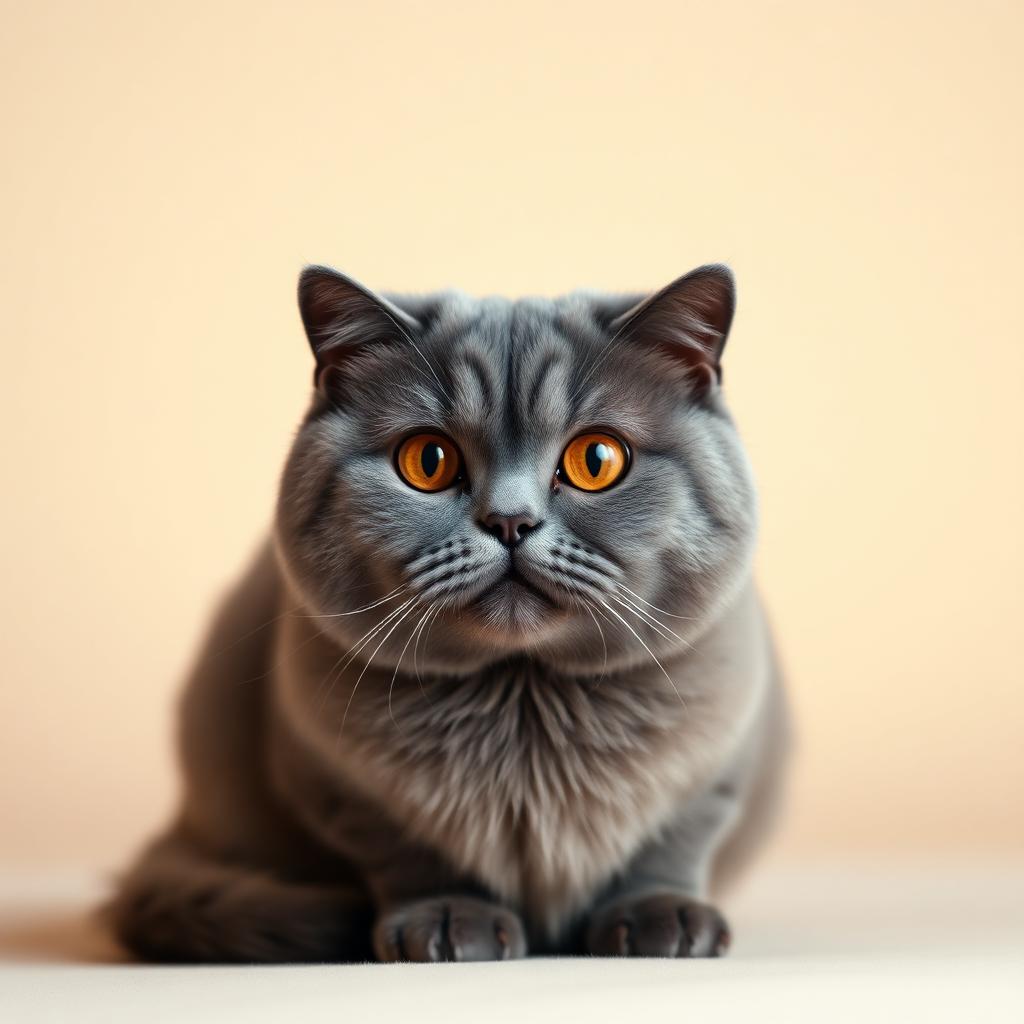
British Shorthair
9.5Calm, plush teddy-bear cat and very flat-friendly. Independent without being aloof: likes being near you, not on you.
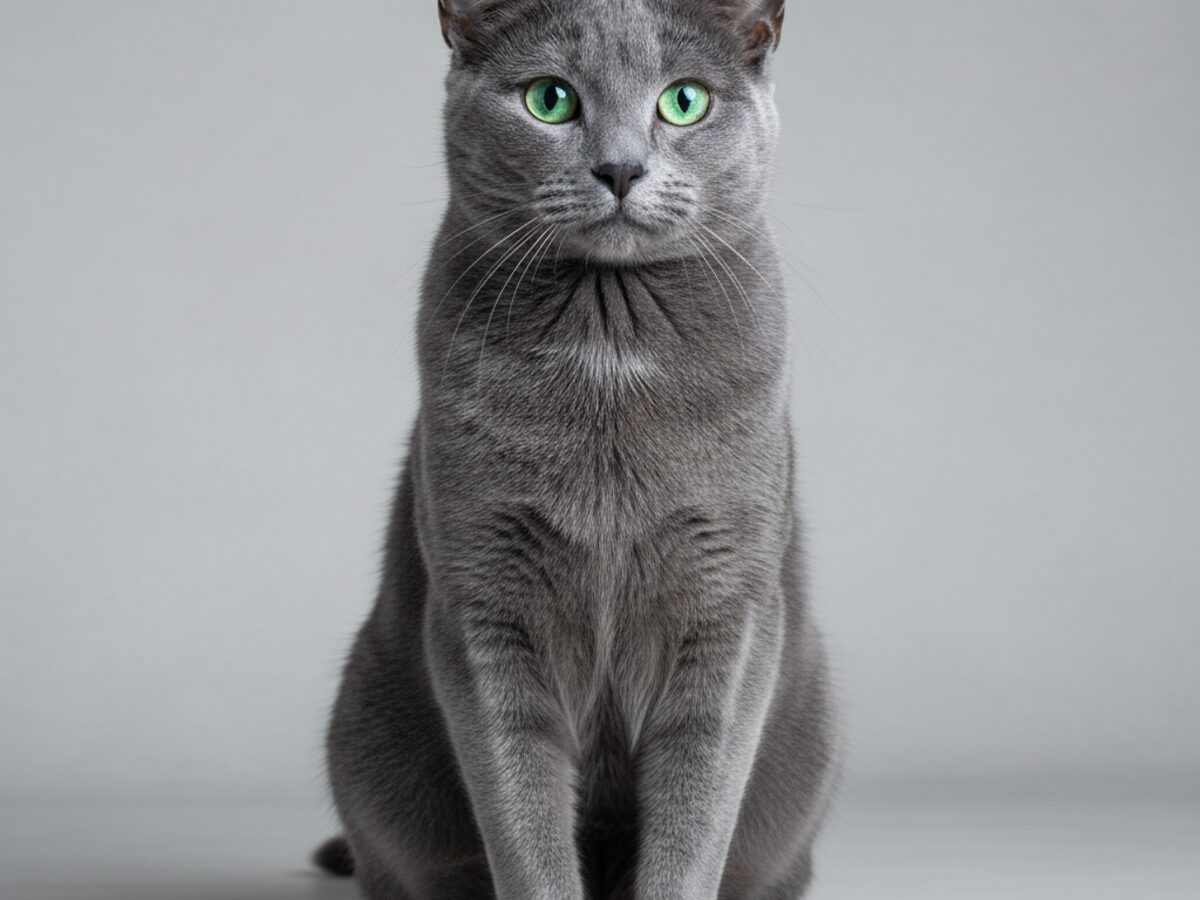 Hypoallergenic
Russian Blue
9.0Silver-velvet coat and emerald-green eyes. Reserved but very loving with their people; low Fel d 1.
 Hypoallergenic
Siberian
9.2Best option for allergy sufferers: produces less Fel d 1 than average. Sturdy, playful and very cold-resistant thanks to a triple coat.