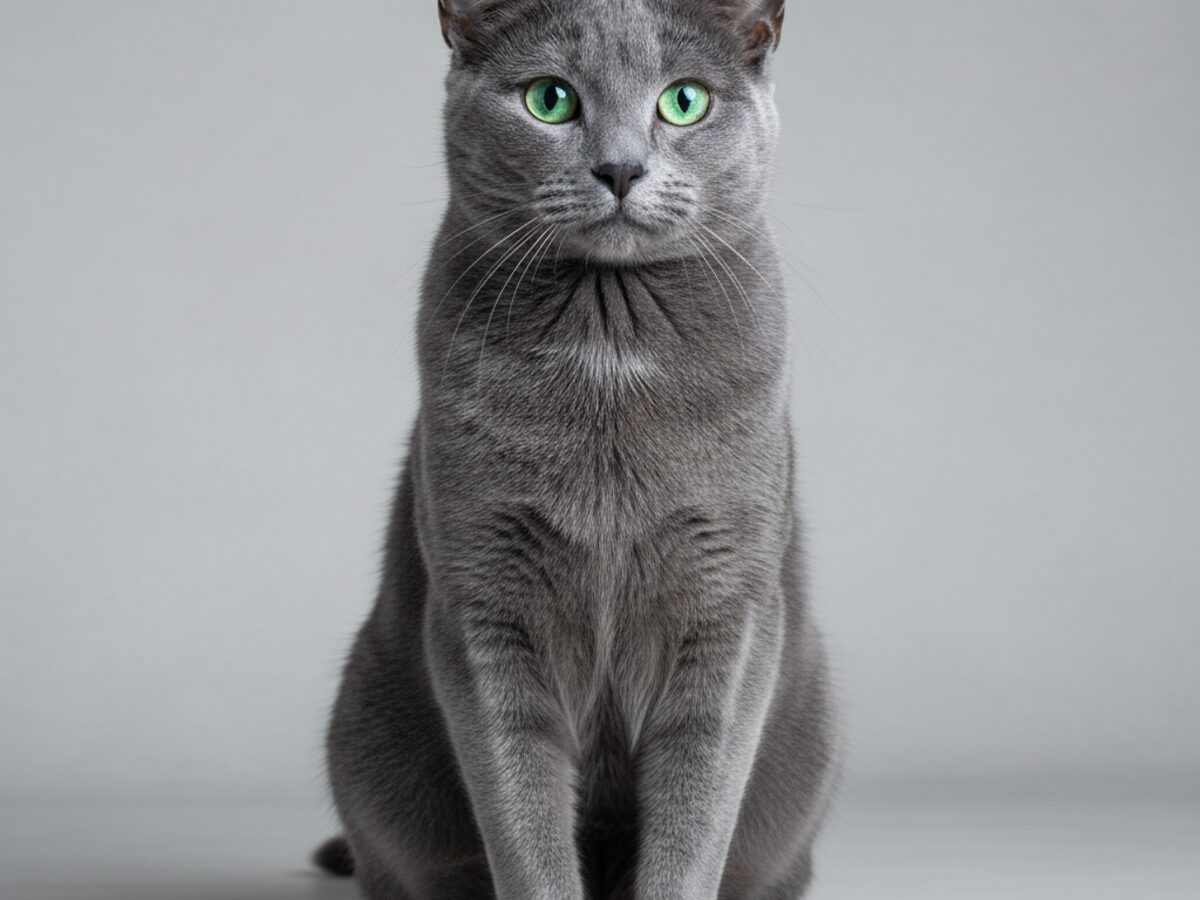
Russian Blue
"The Russian Blue: Silvery elegance and silent purrs for the whole family!"
Overview
Welcome to FamiCats.com, your ultimate guide to finding the perfect cat for your home. Today we explore the fascinating world of the Russian Blue, a breed known for its elegance, intelligence, and affectionate nature, ideal for families seeking a distinguished and loving feline companion. If you're looking for a cat that combines beauty with an adaptable and calm temperament, the Russian Blue could be your dream pet. Discover why this "silver prince" is so loved by so many families around the world.
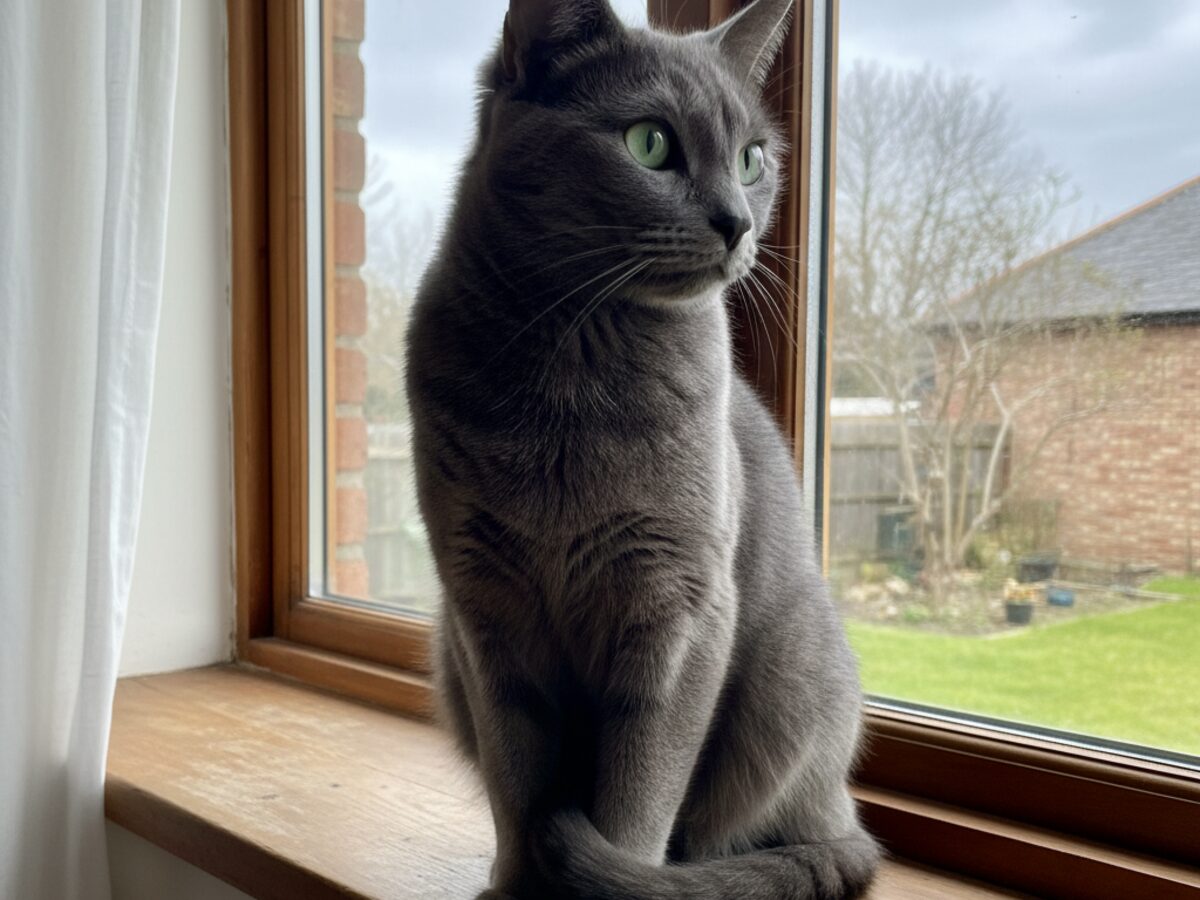
The Russian Blue is distinguished by its beautiful short, dense double coat, of a characteristic blue-gray color with silver tips that give it a unique shimmer. Its eyes, a vibrant emerald green, contrast wonderfully with its coat, giving it an alert and curious expression. Beyond its aesthetics, its temperament is what truly makes them shine in a family setting. They are loyal and dedicated cats, forming strong bonds with their humans. They are often described as "clingy" without being demanding, enjoying the company of their owners from silent presence to cuddling sessions on the couch. Their soft voice is another distinctive feature, preferring discreet meows or trills to loud cries, a plus for homes that value tranquility. In addition, their intelligent nature allows them to be easily trainable, even for simple tricks or walking on a leash, adding a layer of fun to family interaction. If you are considering adopting a Russian Blue, you are opening your home to a faithful and serene friend who will enrich everyone's life with their grace and unconditional affection.
At FamiCats.com, we understand that choosing a pet is an important decision, especially when there are children at home. The Russian Blue is exceptionally well-suited for living with little ones, thanks to its patience and gentleness. They are tolerant of the noise and usual hustle and bustle of a house with children, as long as they are taught to interact with respect. Their moderate independence also means they can entertain themselves when the family is busy, but they will always be happy to join in a laser pointer chase game or snuggle up for a storybook reading. They are also an excellent choice for first-time owners, as their low grooming maintenance and generally robust health make them easy to care for. Although they are primarily indoor cats, they enjoy mental stimulation through interactive toys and climbing platforms, which allows them to stay active and avoid boredom. Finally, for those with mild allergies, the Russian Blue is often the preferred choice due to its reduced production of the Fel d 1 protein, offering the possibility of enjoying feline companionship with fewer allergic symptoms. Explore more about the Russian Blue on FamiCats.com and discover how it can perfectly fit into your joyful family.
Key facts
- Size
- Medium
- Weight
- 3–6 kg
- Life expectancy
- 15–20 years
- Daily exercise
- 25 min/day
- Estimated total
- 90€/month
- Country
- Russia
Character & temperament
Russian Blues are known for their sweet and gentle nature. They are quite reserved with strangers, but once they trust a person, they become incredibly loyal and affectionate. They are like little shadows that will follow you around the house, seeking your company. They love to snuggle on your lap and enjoy long petting sessions, but they are also known for being independent, meaning they can entertain themselves when you're busy. They are quite intelligent and curious cats, who will enjoy interactive games and food puzzles. Additionally, they often demonstrate a strong attachment to a specific family member, considering them their special person.
Living with children
The Russian Blue is a wonderful choice for families with children! Their patient and gentle temperament makes them ideal companions for little ones. They are generally very tolerant and enjoy interaction, but they also know when to retreat if play becomes too loud or rough. It is essential to teach children to interact with respect and gentleness with the cat, especially younger ones (under 5 years old), to foster a harmonious relationship. Always supervise initial interactions and teach them to recognize the signs that the cat needs space. With proper socialization, your Russian Blue could become your children's best feline friend, participating in quiet games and offering comfort and affection.
With other pets
Russian Blues generally get along well with other household pets, especially if they are properly socialized from a young age. Their calm and non-confrontational nature makes them compatible with other cats and even with dogs that have a similar temperament. However, due to their **natural prey drive**, supervision is crucial when they are around small pets such as hamsters, birds, or fish. A gradual and controlled introduction is always key to ensure that all pets adapt and live peacefully together in the home, becoming another part of the joyful family pack.
Health & prevention
Russian Blues are generally a healthy and robust cat breed, with a life expectancy that often exceeds 15-20 years, meaning many years of happy purrs! However, like any breed, they can be prone to certain conditions, although there are no specific widely documented genetic diseases for them. It is important to be aware of dental problems and obesity, especially if they lead a sedentary lifestyle. Regular veterinary visits (at least once a year) are essential for general check-ups, vaccinations, and parasite control. Ensuring they have a balanced diet, access to fresh water, and plenty of interactive games will keep your Russian Blue in optimal condition, allowing them to live a full and healthy life within your family.
Health risks
- •Urinary stones
- •Overweight
Care
Nutrition
A **high-quality diet** is essential to maintain your Russian Blue's beautiful coat and overall health. Opt for cat-specific foods rich in animal protein and low in fillers. The amount of food will depend on their age, activity level, and weight, so always follow the manufacturer's guidelines and consult your veterinarian. Russian Blues can be prone to obesity if overindulged, so measure portions and avoid free-feeding. Always ensure they have access to fresh, clean water.
Grooming & hygiene
Despite their dense coat, the Russian Blue is surprisingly **easy to care for**. Their short, double coat does not tangle and does not require extensive grooming. A **gentle weekly brushing** with a rubber brush or grooming glove is sufficient to remove loose hair and keep their coat shiny and silky. Furthermore, many Russian Blues love the attention they receive during brushing, making it a bonding moment. They do not usually need frequent baths, only occasionally if they get very dirty. Remember to also check their ears and trim their claws regularly to complete their grooming routine.
Exercise & training
Exercise plan
Russian Blues have a moderate energy level. They are not as hyperactive as some breeds, but they definitely need opportunities to play and expend energy. They love interactive toys, laser pointers, and especially playing with their humans. Dedicating **15-30 minutes a day** to playing with them, whether throwing a toy mouse or exploring a scratching post, will keep them physically and mentally stimulated. Their natural agility and curiosity make them enjoy games that involve jumping and climbing. You might even be surprised at how well they do with "treetop walks" on shelves!
Training
Russian Blues are **intelligent cats** and eager to please, which makes them quite receptive to training, especially if **positive reinforcement** and treats are used. They can learn tricks, come when called, and even use a harness and walk on a leash. The key is to start early, be patient, and keep sessions short and fun. They are sensitive, so avoid punishment, as this can make them withdraw or become fearful. With a little dedication, your Russian Blue will surprise you with how quickly they can learn.
Monthly cost
These are monthly estimates, initial costs (purchase, spaying/neutering, etc.) are significantly higher. Toys and scratching posts are also additional but necessary expenses.
Estimate for Spain, healthy adult cat. Varies by region and provider.
Pros & cons
Pros
- ✓Beautiful, low-maintenance coat
- ✓Gentle and affectionate temperament
- ✓Adapts well to indoor living
- ✓Quite quiet (doesn't meow much)
- ✓Intelligent and easy to train
- ✓Generally healthy and long-lived
Cons
- !Can be shy with strangers
- !Needs attention and companionship
- !Can be prone to obesity
- !Soft voice sometimes hard to perceive
Ideal for
- • Families with respectful children
- • People seeking a loyal companion
- • Households preferring a quiet cat
- • First-time owners
- • Calm and stable environments
Not recommended for
- • People who travel frequently
- • Very noisy or chaotic households
- • Those seeking a very independent cat
- • Severe allergy sufferers
How it fits each scenario
Perfect. Their calm nature and moderate energy level make them ideal for apartment living, provided they have enough enrichment and play.
Very good. They will enjoy the extra space, but their dense coat and instinct allow them to adapt to larger environments. If allowed outside, it should be in a safe manner (enclosure, leash).
Moderate. Their double coat protects them, but they will need access to shade, fresh water, and air-conditioned indoor environments on hot days.
Excellent. Their Russian origin and dense double coat make them ideal for cold climates and protect them very well. They will be comfortable in winter.
Moderate. They require constant supervision to ensure very young children (under 5 years old) interact gently and do not scare the cat. With teaching, they can coexist harmoniously.
Excellent. Their patient and playful nature makes them excellent companions for school-aged children who already understand how to interact respectfully with animals.
Excellent. They are adaptable, intelligent, low-maintenance, and have a gentle temperament, making them an ideal choice for first-time owners. Their calmness helps a lot.
Excellent. Even experienced owners will appreciate the elegance, loyalty, and affectionate character of this breed.
Good. They enjoy interactive play, but are not high-performance athletes. They will adapt well to an active family that dedicates quiet play time to them at home.
Moderate. They can be independent but also need their daily dose of attention and companionship. A very busy family might find the cat feels lonely if no one is home for prolonged periods.
Good (for mild allergy sufferers). Russian Blues are often considered **hypoallergenic** or low-allergen. They produce less Fel d 1, the protein that causes most allergies. However, no cat is completely hypoallergenic. For severe allergy sufferers, it is recommended to spend time with a Russian Blue before adopting one.
Moderate. Although their daily maintenance is not excessively expensive, the initial cost of a Russian Blue kitten from a breeder can be considerable. Their needs for quality food and regular veterinary visits are important.
Origin & history
The history of the Russian Blue is surrounded by an aura of mystery and legend, making them even more fascinating. This breed is believed to have originated in the northern ports of Russia, specifically in the Arkhangelsk area, in the 19th century. They were cats prized by sailors for their mouse-hunting ability and for their exceptionally dense coat that protected them from the Arctic cold. It is said that Russian sailors took these cats on their voyages, introducing them to other parts of Europe. Their elegant appearance and calm temperament quickly made them appealing to European nobility, and it is rumored that even British royalty owned Russian Blues.
It is often said that the character of Tom in the popular cartoon series **Tom and Jerry** is inspired by the appearance of a Russian Blue, with his elegant blue-gray coat and piercing green eyes!
Frequently asked questions
Are Russian Blues hypoallergenic?▾
Russian Blues are often classified as **hypoallergenic** or low-allergen. They produce less of the Fel d 1 protein, the main cause of cat allergies. However, no breed is 100% allergen-free. If you have allergies, it's recommended to spend time with a Russian Blue before adopting one to see your reaction.
Do they need a lot of grooming?▾
Despite their dense coat, the Russian Blue is **low-maintenance** in terms of grooming. Weekly brushing is sufficient to keep their coat shiny and healthy, removing loose hair and strengthening the bond.
Are they good with children?▾
Yes, they are usually **excellent with children** thanks to their gentle and patient nature. They are affectionate and playful, as long as children treat them with respect and gentleness. Supervision is key with younger ones.
Can they live in an apartment?▾
Absolutely. The Russian Blue is a breed that adapts **very well to apartment living**. They prefer indoor environments and their moderate energy level makes them comfortable in limited spaces, as long as they have mental and physical enrichment.
Are they noisy cats?▾
No, not at all. Russian Blues are known for being **very quiet cats**. They have a soft, melodic voice, often described as a whisper or a quiet trill, which makes them ideal for people who appreciate tranquility.
What kind of family is ideal for a Russian Blue?▾
A family that can offer a **calm and stable environment**, that enjoys an affectionate and loyal cat, and that is willing to interact and play with it. They are excellent for first-time owners and adapt well to homes with older, respectful children.
Similar family-friendly breeds
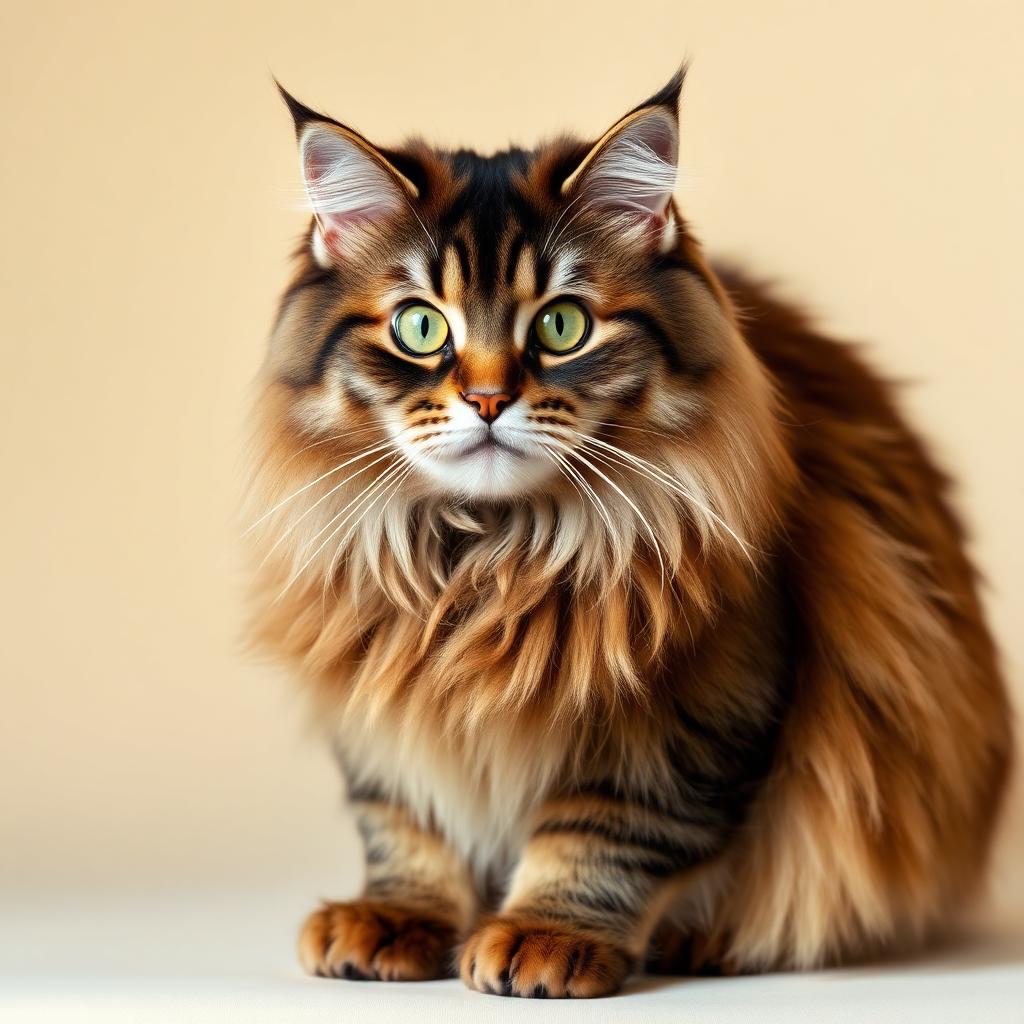 Hypoallergenic
Siberian
9.2Best option for allergy sufferers: produces less Fel d 1 than average. Sturdy, playful and very cold-resistant thanks to a triple coat.
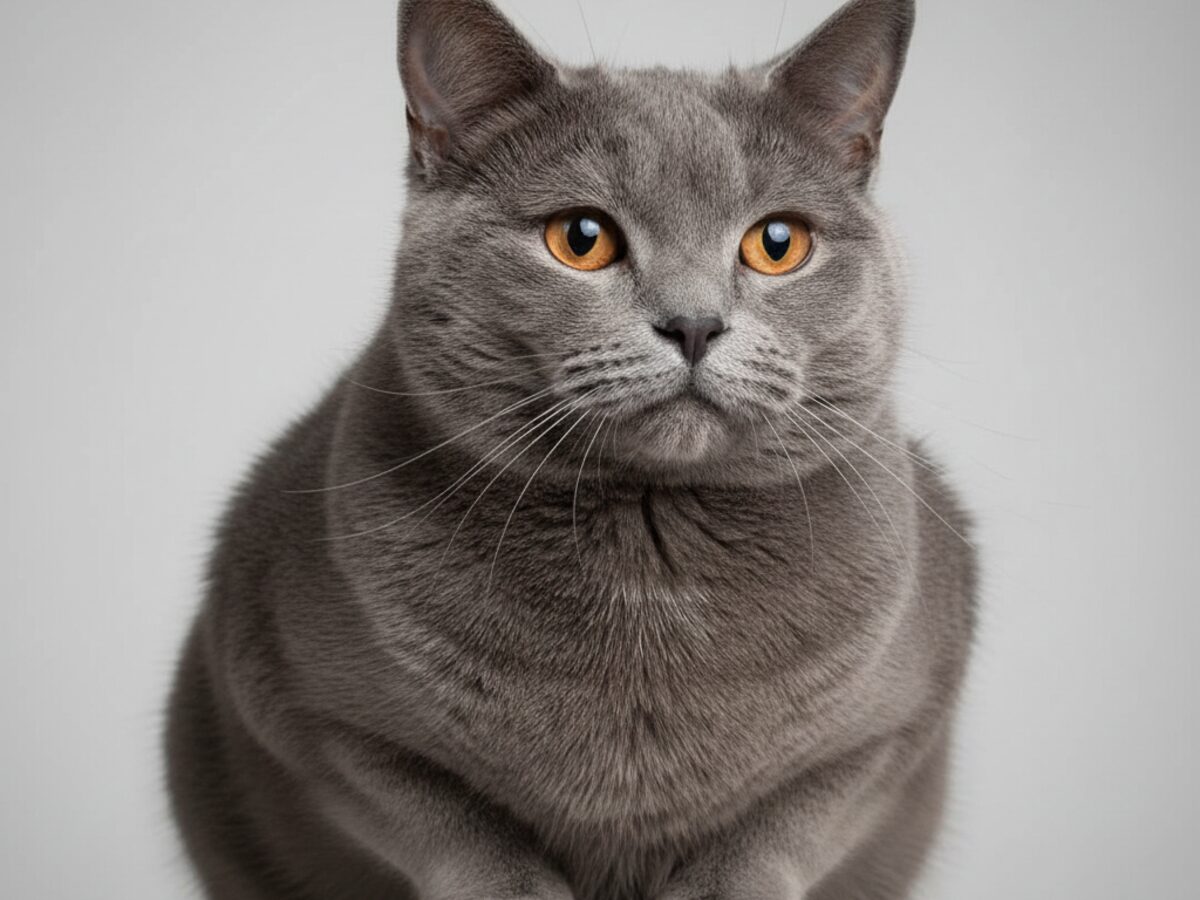
Chartreux
8.8A blue-grey monk cat with a trademark "smile". Very quiet, observant and loyal. Perfect for calm households.
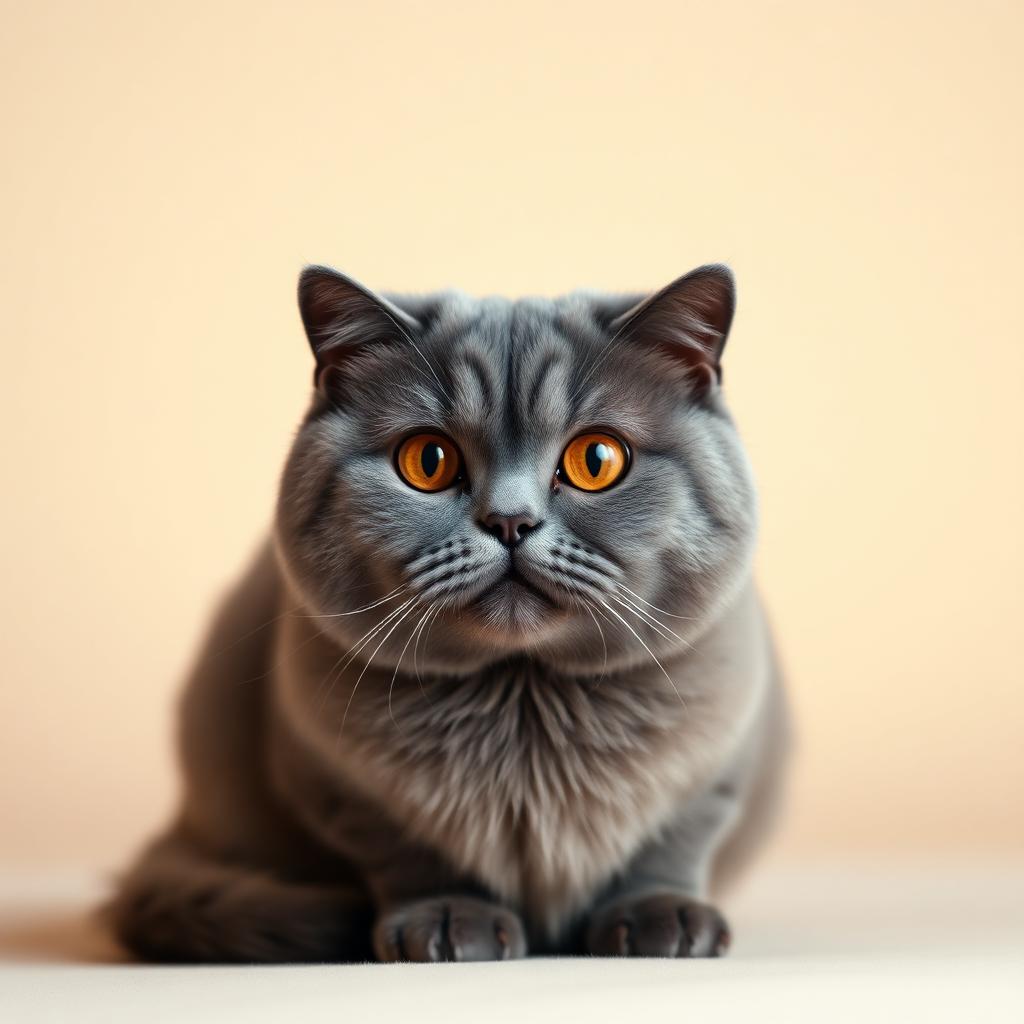
British Shorthair
9.5Calm, plush teddy-bear cat and very flat-friendly. Independent without being aloof: likes being near you, not on you.