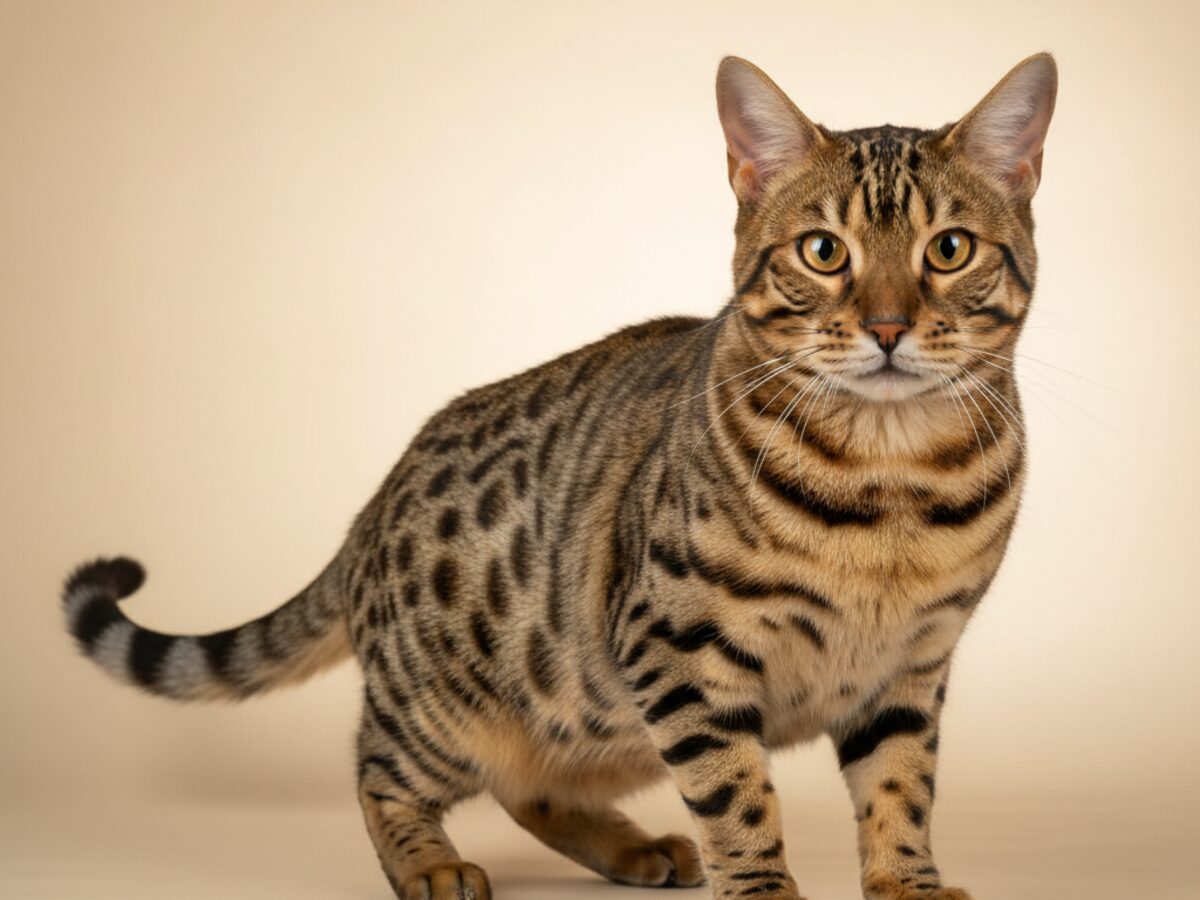
Cheetoh
"The Cheetoh: Your purr-fect mini leopard with a heart of gold!"
Overview
Discover the Cheetoh, a domestic cat that will make you feel like you have a piece of the jungle in your living room, but with the sweetest heart! This majestic feline is the result of a strategic cross between the Ocicat and the Bengal, aiming to combine the wild aesthetic and distinctive spotted pattern of the cheetah or leopard with a calmer, more loving temperament, ideal for family life. If you're a fan of nature documentaries or movies like "The Lion King," and have always dreamed of an exotic yet extremely affectionate companion, the Cheetoh is your perfect match. Its short, shiny coat with unique patterns (rosettes, spots, or marbling) is a true work of art that will remind you of the big cats of Africa, but without the demands of their wild cousins.
The Cheetoh's personality is, without a doubt, its greatest charm. They are extremely social cats who adore human company, becoming true affectionate shadows that will follow you around the house. They tend to be very tolerant and patient, which makes them exceptional companions for homes with young children or even other pets, such as dogs or cats. They love participating in family activities, from watching your favorite Netflix series (perhaps even "Tiger King" if they're daring!) to playing with interactive toys. They are intelligent and curious, so they will require mental stimulation through games and toys that challenge their ingenuity, such as cat puzzles or wand toys with feathers that simulate hunting. Their need for interaction ensures that you'll never feel alone and that they will always have a story (in the form of a meow or purr) to tell you.
Raising a Cheetoh at home is an enriching experience that combines the best of two worlds: exotic and wild beauty with the ease of maintenance and affectionate character of a domestic cat. Their coat requires minimal care and their health is generally robust. The most important thing for a happy Cheetoh is love, attention, and daily interaction. They are not cats that thrive in solitude, making them ideal for families who can dedicate time to them, or for homes where there are already other pets with whom they can socialize. If you are looking for a cat that is not only beautiful to look at but also has a bright, playful, and loyal personality, the Cheetoh will steal your heart and become an irreplaceable treasure in your family. Prepare your sofa to snuggle with this mini leopard, your home will never be the same!
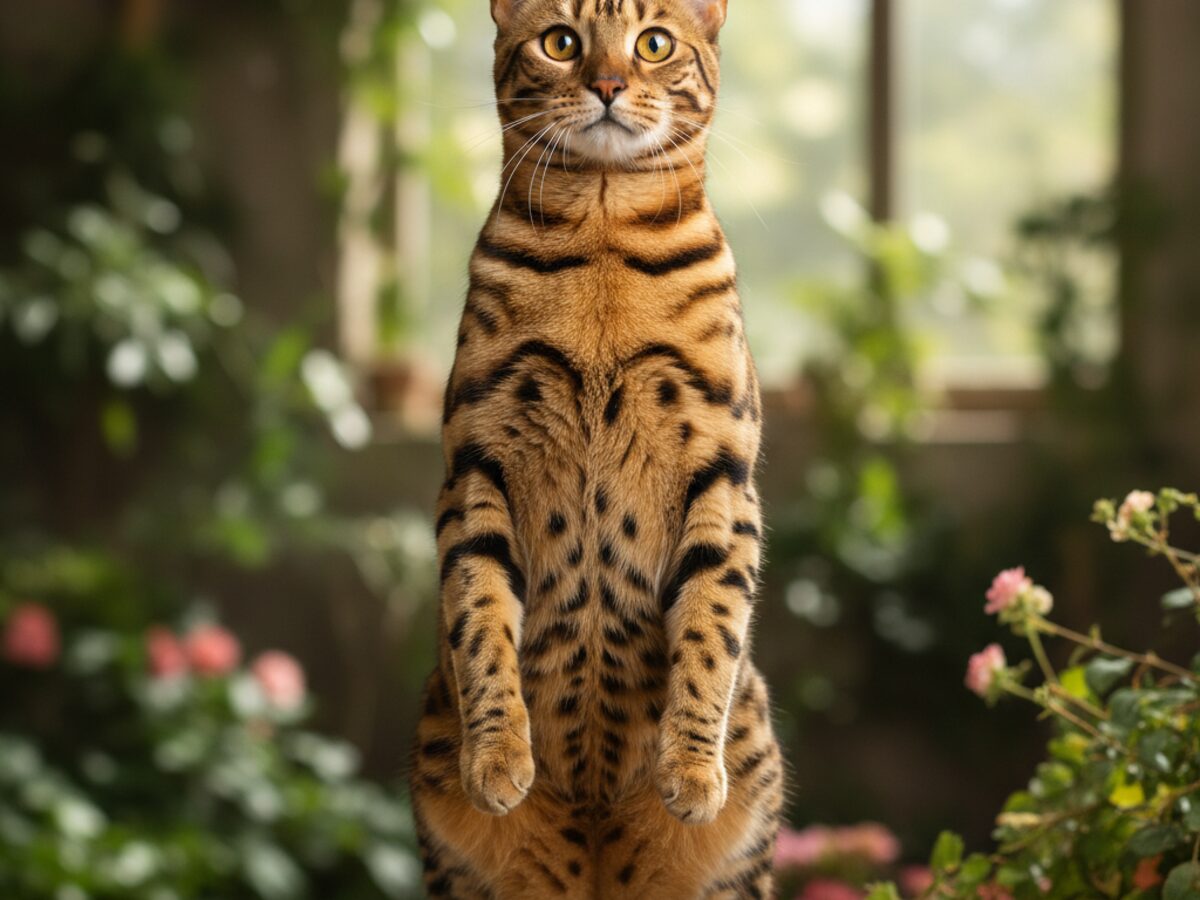
Key facts
- Size
- Large
- Weight
- 5–11 kg
- Life expectancy
- 10–15 years
- Daily exercise
- 60 min/day
- Estimated total
- 125€/month
- Country
- United States
Character & temperament
Cheetohs are known for their gentle and affectionate nature. Don't be fooled by their wild appearance, because within that elegant body lies a huge heart and an insatiable desire for affection. They are very sociable cats who adore human company and often form very strong bonds with all family members. They love participating in household activities and following you from room to room, as if they were your little spotted shadow. They are quite vocal and will not hesitate to use their varied repertoire of meows, chirps, and purrs to communicate with you and express their needs or simply to say hello. Don't expect a shy and independent cat; the Cheetoh is quite the opposite, thriving on attention and interaction, becoming the center of your family universe.
Living with children
The Cheetoh is a champion when it comes to children! They are patient, tolerant, and love to play, which makes them ideal companions for families with children of almost any age. From the moment they arrive home, they can become the best friends of the little ones, accompanying them in their games and naps. It is always crucial to teach children, especially the youngest (2 to 5 years old), to interact respectfully with any pet, showing them how to gently pet and understand the cat's boundaries. A well-socialized Cheetoh will enjoy chasing feather toys, engaging in wand play sessions, or even sharing the sofa to watch their favorite animated movie, such as "The Lion King" or "The Secret Life of Pets."
With other pets
The Cheetoh's social nature extends to other pets, including other cats and dogs. They tend to be very **tolerant** and **adaptable**, as long as introductions are made gradually and positively. Being a breed that benefits from companionship, having another pet can help keep them entertained and reduce any potential boredom if the family is away from home. With cats, they will often quickly integrate into the group, and with well-socialized dogs, they can even develop a playful friendship, sharing space and toys. Imagine your Cheetoh and your dog chasing each other around the garden, it will be a joy!
Health & prevention
Cheetohs are generally a healthy and robust breed, thanks to their genetic diversity from the Ocicat and Bengal breeds. However, like any breed, they can be prone to certain conditions seen in their parental breeds, although the risk is low due to responsible breeding programs. Some general concerns in these breeds may include certain heart conditions (such as hypertrophic cardiomyopathy) or kidney problems. It is vital for breeders to conduct health tests on the parents to minimize the risk of transmitting hereditary diseases. A good breeder will be transparent and able to show you the health certificates of your future kitten's parents.
To keep your Cheetoh in optimal health, regular veterinary visits for annual check-ups and vaccinations are essential. A balanced diet with high-quality food, regular exercise to maintain a healthy weight, and plenty of mental stimulation are equally important. Early detection and treatment of any potential health problems can make a big difference in your cat's quality of life. A well-cared-for Cheetoh is a happy and lively Cheetoh, ready to share many years of games and companionship with you.
Health risks
- •Hypertrophic cardiomyopathy
Care
Nutrition
Your Cheetoh's nutrition should be of **high quality**, rich in animal proteins to meet their needs as an active feline. Opt for dry and wet foods specifically designed for cats, paying attention to labels to avoid unnecessary fillers or low-quality by-products. Portions should be adjusted to their age, activity level, and weight, always following the veterinarian's and manufacturer's recommendations. Make sure they always have access to fresh, clean water. A good trick to keep them hydrated is to have several water sources scattered around the house or even a cat water fountain, which they often find more appealing.
Grooming & hygiene
The Cheetoh has a short, silky coat that is surprisingly **easy to maintain**. Weekly brushing with a rubber glove or a soft brush will be enough to remove loose hair, stimulate circulation, and keep its exotic coat shiny. This also minimizes hairball formation, which is a bonus for household cleanliness. Because they are such clean cats, they will rarely need bathing, unless they have gotten into something particularly messy. However, if your Cheetoh is like some of the Bengal breed it descends from, it might enjoy water and an occasional bath could be a fun adventure for both of you! In addition to brushing, it's important to maintain good dental hygiene by brushing their teeth several times a week with feline toothpaste. Check their ears regularly for dirt or signs of infection and clean them with a soft cloth if necessary. Their nails should be trimmed every 2-4 weeks to prevent them from growing too long and getting snagged. Establishing a grooming routine from a young age will help your Cheetoh accept these experiences as a normal part of their care, strengthening your bond.
Exercise & training
Exercise plan
Despite their athletic appearance, Cheetohs have a moderate energy level. They need **daily interactive play** to stay physically active and mentally stimulated. This can include 15-20 minute sessions with wand toys, lasers (always with a physical toy at the end to avoid frustration) or interactive toys that allow them to "hunt". They also enjoy climbing and exploring, so a good tall scratching post or a multi-level cat tree will be excellent furniture for their fun. Although not as demanding as a pure Bengal, regular stimulation is key to preventing boredom and unwanted behaviors.
Training
Cheetohs are **intelligent** and **curious** cats, which makes them quite trainable, especially with **positive reinforcement** methods. They can learn tricks, to use a harness for walks (if accustomed from a young age), and even respond to their name. Clicker training is an excellent tool for them, as they love mental challenges and rewards. Given their social nature, they enjoy the interaction that training offers, strengthening the bond with you. The key is consistency and patience, as well as keeping sessions short and fun, like a mini-game for them.
Monthly cost
These costs are monthly estimates. Initial costs (kitten purchase, accessories) can be significantly higher. Quality food is key for long-term health, and insurance can vary.
Estimate for Spain, healthy adult cat. Varies by region and provider.
Pros & cons
Pros
- ✓Extremely affectionate and social
- ✓Compatible with children and other pets
- ✓Easy-care coat
- ✓Intelligent and trainable
- ✓Exotic and unique appearance
- ✓Moderate energy level, adaptable
Cons
- !Needs a lot of human attention
- !Can be vocal if bored
- !Not suitable for being alone for long periods
- !High initial acquisition cost
Ideal for
- • Active families with time for play
- • People seeking an affectionate and attached cat
- • Homes with children and other pets
- • Cat lovers with 'dog-like' personalities
- • First-time cat owners who value sociability
Not recommended for
- • People who travel a lot or are away for work
- • Homes with little time for interaction
- • Those who prefer very independent cats
- • People with a very tight initial purchase budget
How it fits each scenario
The Cheetoh can live happily in an apartment if it receives enough daily mental and physical stimulation. Be sure to have toys, scratching posts, and a good sunny window to watch the world.
A home with a garden, preferably secure and fenced, is ideal for the Cheetoh to explore and play outdoors, taking advantage of its curious and active nature.
Well adapted, its short coat is ideal. Make sure it always has access to shade and fresh water to prevent overheating.
Not ideal, as its short coat doesn't offer much protection. It will need a warm and comfortable indoor environment.
Excellent choice with supervision. Their patience makes them good with toddlers, but always teach toddlers respect for the cat.
Perfect. They are interactive and affectionate playmates, ideal for school-aged children who can participate in their care and play.
Yes, if they are willing to dedicate time and attention. Their adaptability and social nature make them a good option, but they require commitment.
Excellent. An experienced owner will appreciate their interaction needs and provide them with an enriching environment.
Ideal. They will love participating in family games and activities, keeping them entertained and happy.
Not the most suitable. Their need for attention can lead to loneliness if the family has little time available, or they will need a feline companion.
Not a hypoallergenic breed. People with allergies should exercise caution and spend time with a Cheetoh before deciding.
Not the best option. The initial acquisition cost and ongoing maintenance expenses can be relatively high.
Origin & history
The Cheetoh is a relatively new breed, created in the United States in the early 21st century. Breeder Carol Drymon had the vision to develop a cat with the athletic and wild appearance of big cats like the cheetah, but with a gentle, domestic temperament, perfect for family life. To achieve this, she strategically crossed two established breeds: the Ocicat, known for its spotted coat similar to wild felines, and the Bengal, famous for its exotic look and lively personality. Unlike the pure Bengal, which can sometimes be too energetic for some families, the goal was to soften that drive while maintaining the beauty.
The result was the Cheetoh, a cat that combines the aesthetics of the Ocicat and Bengal with a more balanced and affectionate personality. Its name, "Cheetoh", is a playful pun on "cheetah" and the phonetic pronunciation of "Cheetos" chips, which the breeder felt matched the kittens' spotted pattern. The breed was recognized by The International Cat Association (TICA) in 2004, which has allowed for its growth and popularization as a unique and exotic family companion. You don't need to go to the jungle to have a companion with a wild feline look; your Cheetoh brings that magic directly to your home, ready to snuggle on your lap after an expedition across the living room.
The name 'Cheetoh' is a fun combination inspired by the cheetah and the popular Cheetos snacks, which the breeder thought described the kittens' tabby pattern. Imagine if a Cheetoh were a character in a Pixar movie, it would undoubtedly be the clever, charming wild friend who always has the best jokes!
Frequently asked questions
Does the Cheetoh shed a lot of hair?▾
No, thanks to its short, fine coat, the Cheetoh is a moderate shedder. Weekly brushing is enough to keep it under control.
Are Cheetohs good for apartments?▾
Yes, they can adapt well to apartment living, as long as they receive enough play and mental stimulation. They love cat trees and interactive play sessions.
Do Cheetohs get along with other animals?▾
Generally, yes. They are very social and tolerant, and usually get along well with other cats and dogs, especially if socialized from a young age.
How vocal is the Cheetoh?▾
They are quite communicative. They like to meow, purr, and chirp to express their needs and greet their humans.
Is the Cheetoh a good breed for first-time owners?▾
Yes, if the new owner is willing to dedicate time and attention. Their social and affectionate temperament makes them excellent companions.
Does the Cheetoh need outdoor access?▾
While they enjoy the outdoors in a safe environment, they can thrive as indoor cats as long as they receive sufficient exercise and stimulation.
Similar family-friendly breeds

Bengal
8.4Mini-leopard looks with boundless energy. Loves water, climbs everything and needs constant enrichment: small flats without stimulation are a no.
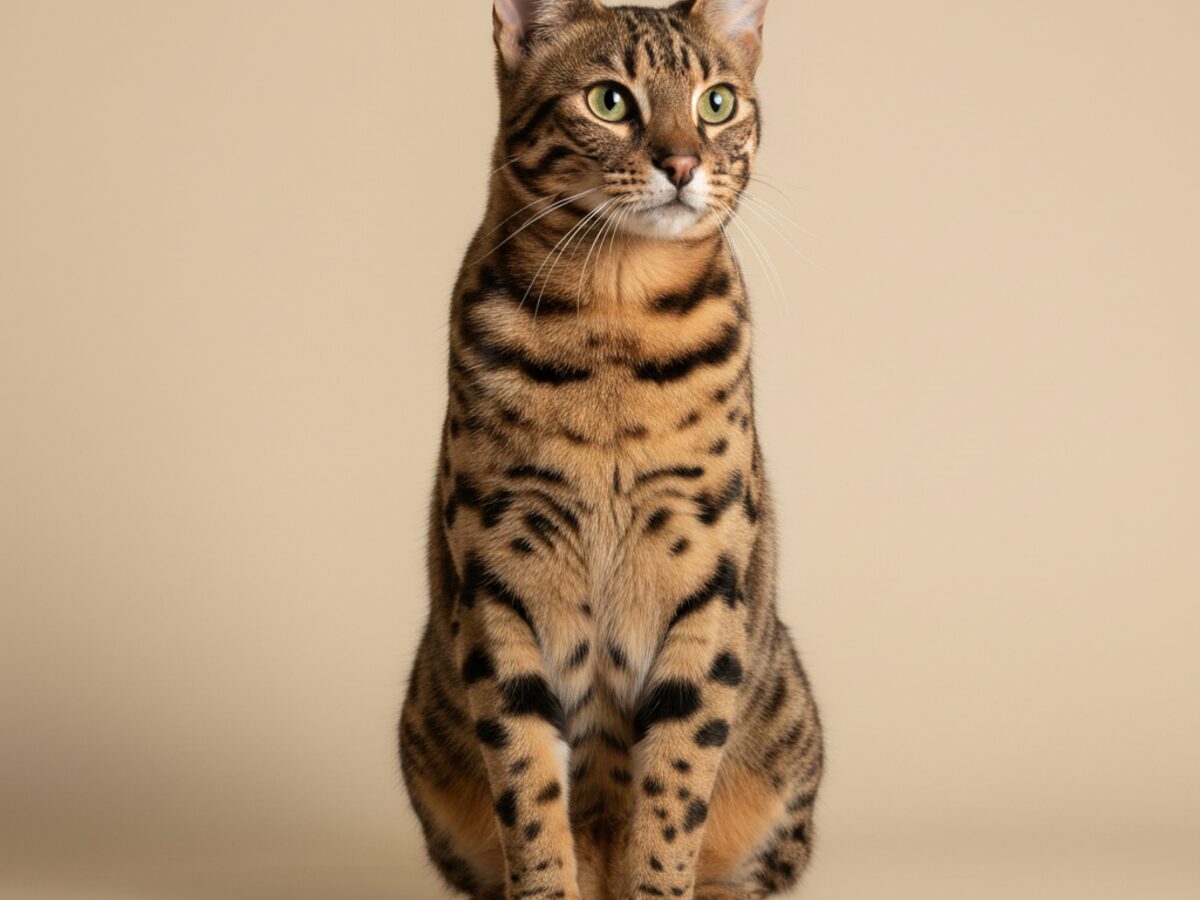
Ocicat
8.4Wild ocelot looks, 100% domestic. Super social, can learn fetch and leash walks.
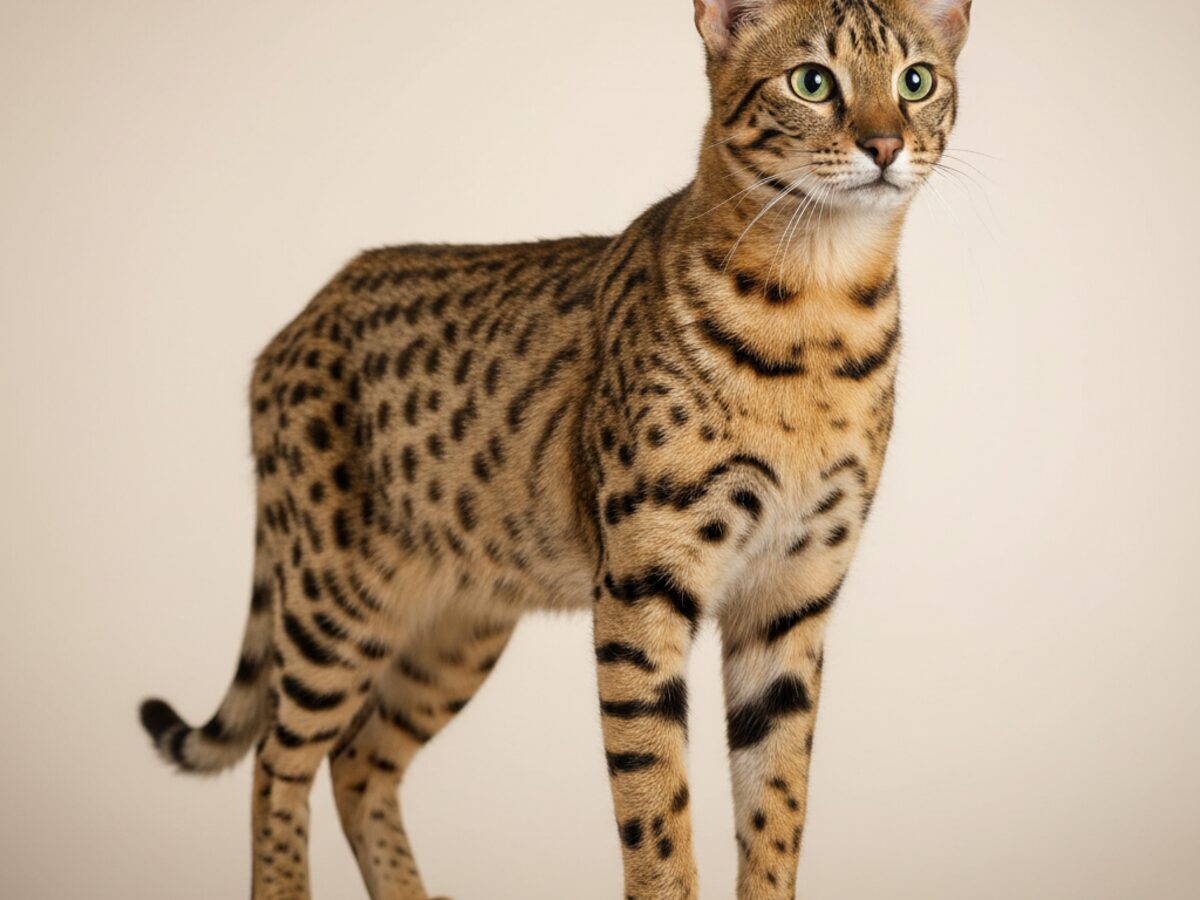
Savannah
7.8Hybrid with the African serval. Huge, athletic and demanding: not a "normal" cat. Check legality before adopting (F1-F4).