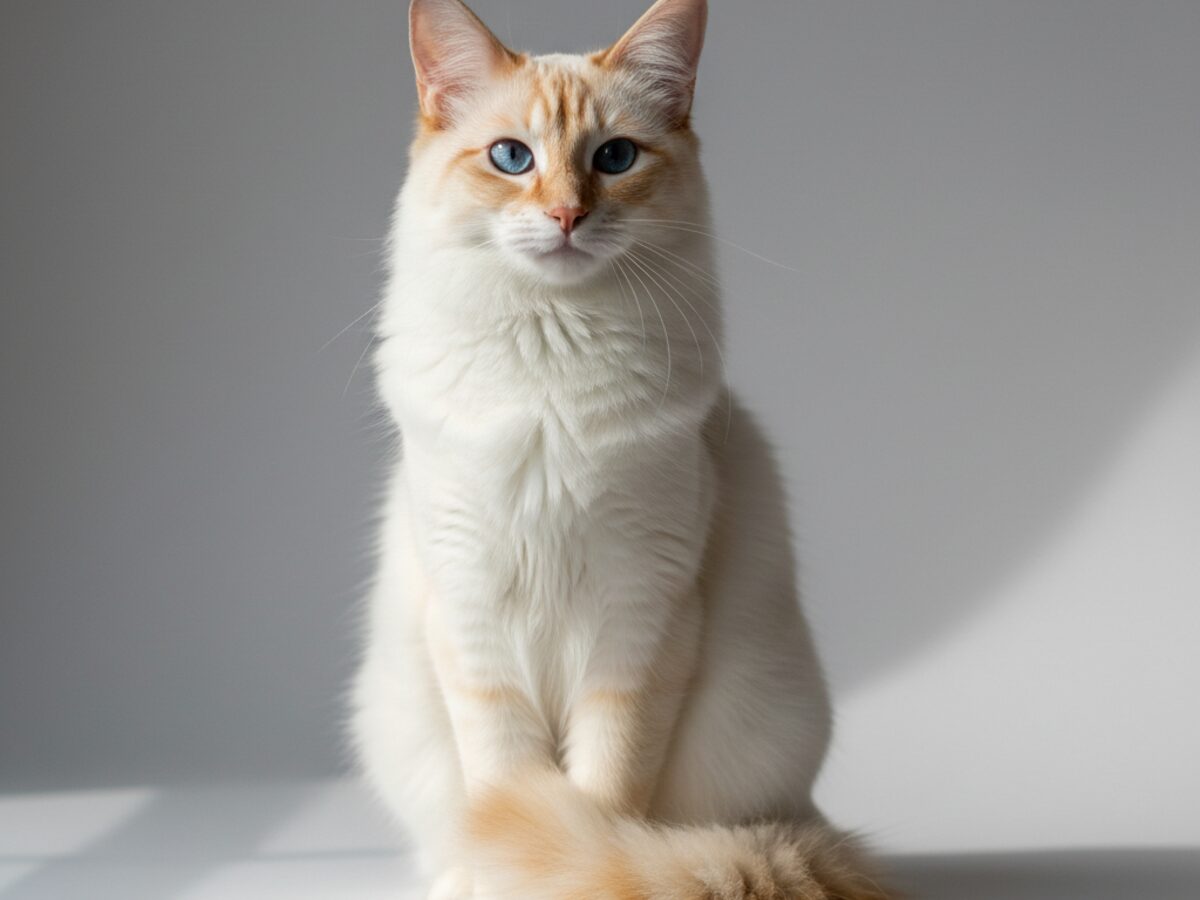
Javanese
"The Javanese: Elegant, chatty, and full of love for your family!"
Overview
Are you ready to welcome an elegant, intelligent, and loving feline royal into your home? The Javanese is a cat breed that will captivate you with its exotic charm, silky coat, and vibrant personality. Often described as a Siamese with a touch of extra "style" thanks to its semi-long hair, this feline is much more than just a pretty face. It's an incredibly communicative companion who won't hesitate to tell you about its day with a series of meows, trills, and purr-sounds that will delight the whole family. If you're looking for a cat that actively interacts with you and becomes the center of attention (in the best possible way), the Javanese is for you. Its Oriental breed heritage gives it sharp intelligence and a surprising ability to learn tricks, even to walk on a leash, making life with it a constant adventure. Imagine having a cat that follows you from room to room, supervising your tasks or simply asking for a cuddle on the sofa while watching "The Lion King" or your favorite series. Its affectionate nature and unwavering loyalty make it an indispensable member of any household.<br><br>For families with children, the Javanese is an excellent choice. They are patient, playful, and enjoy the energy that little ones can bring. As long as children learn to interact respectfully, these cats can become their best friends, participating in chase games and bringing endless laughter and unforgettable moments. Their adaptability extends to other pets; with gradual introduction, they can peacefully coexist with other cats and even friendly dogs. Their coat, despite being semi-long, is surprisingly low-maintenance, requiring only occasional brushing to keep it shiny and tangle-free, perfect for those who want the beauty of longer hair without the daily commitment. From a health perspective, they are mostly robust, but it's vital to choose a responsible breeder who genetically tests their breeding cats for conditions such as Progressive Retinal Atrophy or Hypertrophic Cardiomyopathy, thus ensuring a long and healthy life for your companion. Providing a quality diet, regular exercise through play, and periodic vet visits will be key to their well-being.<br><br>At FamiCats.com, we understand that choosing the right pet is an important decision, and the Javanese represents the best of both worlds: refined Oriental elegance and a warm, family-friendly personality. This breed is ideal for those seeking a cat that is not only beautiful but also an active, affectionate, and talkative companion who will fill your home with joy and antics. Whether you live in an apartment or a house with a garden, the Javanese will adapt, as long as its family is present and committed. Get ready for days full of cuddles, intelligent games, and of course, lots of feline conversations! The time investment in their socialization and mental stimulation will be rewarded with a deep and lasting bond. If you're dreaming of adding a cat with a personality as grand as its beauty to your life, the Javanese might just be the perfect purr for you. Come and discover why this jewel of feline nature is so adored worldwide! With their presence, every day will be an adventure full of love and fun, worthy of a character from any Disney movie.
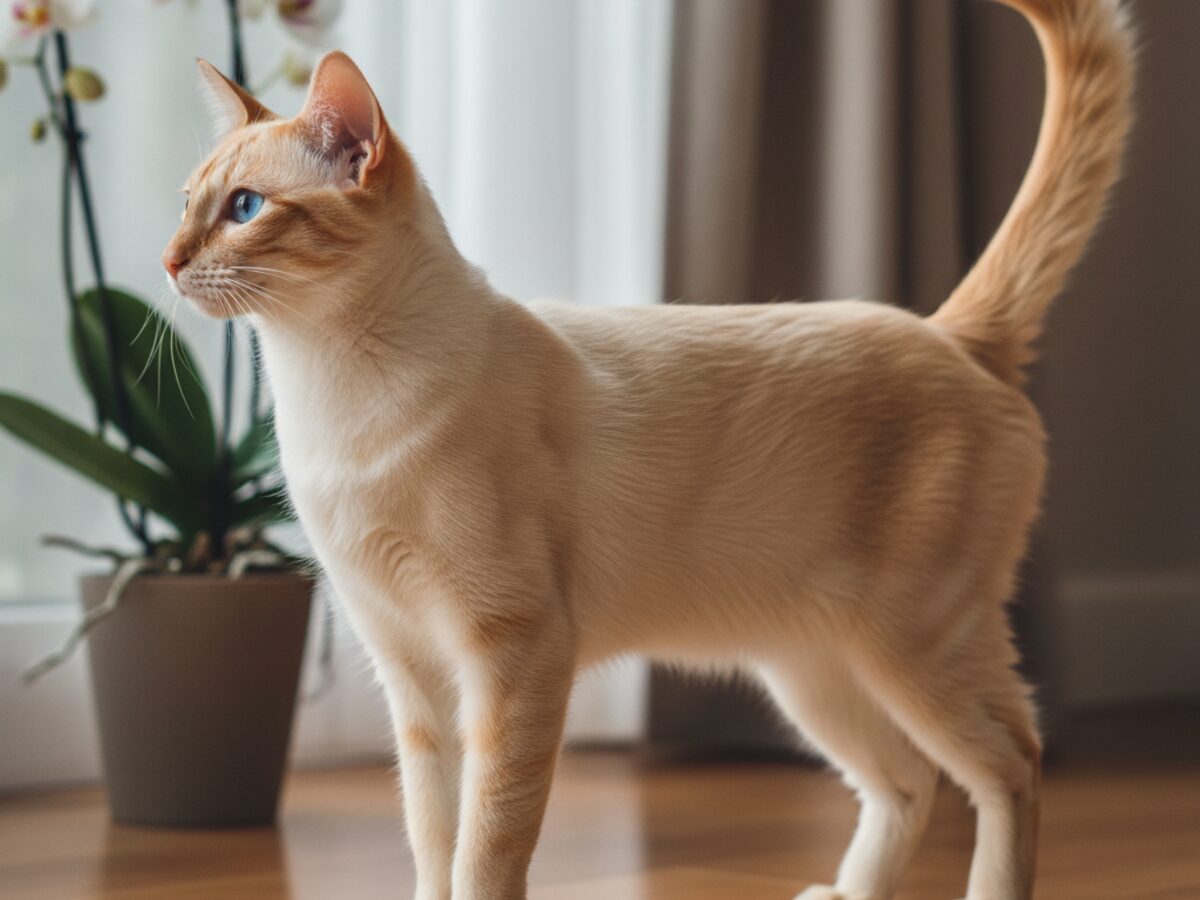
Key facts
- Size
- Medium
- Weight
- 3–5 kg
- Life expectancy
- 12–15 years
- Daily exercise
- 40 min/day
- Estimated total
- 125€/month
- Country
- United States
Character & temperament
If we had to describe the Javanese in one word, it would be "communicative". Get ready to have daily conversations with your new feline friend! They are known for their melodious voices and a wide range of sounds, from soft meows to trills and chirps that will make you laugh. They are not cats that quietly stay in a corner; they want to be part of everything and will let you know. If you enjoy constant interaction and a cat that "talks" to you, this is your ideal companion. They are incredibly intelligent and curious, always investigating what you're doing and offering their "help" with any task.<br><br>Beyond their chatty nature, they are extremely affectionate and loyal cats. They want to be close to their humans, whether snuggling on the sofa, sleeping in your bed, or even sitting on your shoulder. It's not uncommon for them to follow you around the house, just to be near. Their energy is moderate; they like to play and are very agile, but they also appreciate downtime for relaxation and cuddles. They are sensitive cats who deeply attach to their families, making them wonderful pets for those who can offer them plenty of attention and companionship. Their combination of intelligence, affection, and a vibrant personality makes them truly unique.
Living with children
The Javanese is an excellent cat for families with children, especially if the little ones are taught how to interact respectfully with a cat from the start. They are patient and tolerant, enjoying interactive games. Thanks to their playful and curious nature, they can become children's best friends, chasing toys or even participating in more structured play sessions. Always supervise interactions between children <7 years old and any pet to ensure the safety of both. A Javanese will likely adapt well to a home with school-aged children and teenagers.
With other pets
Thanks to their friendly and social personality, the Javanese generally gets along **very well with other pets**, including other cats and friendly dogs. Their intelligence allows them to quickly learn the rules of the game and socialize without problems. However, as with any pet introduction, it is crucial to do it gradually and supervised to ensure a smooth transition. They can be a bit dominant in their need for attention, so it's important to make sure all animals receive enough affection and play.<br><br>Their curious and playful nature means they will often try to include other animals in their games. If you have a dog that enjoys chasing and playing, they are likely to become great friends. However, due to their hunting instinct, caution is advised with small animals such as rodents or birds; it is best to keep them separate to avoid any incidents.
Health & prevention
Javanese cats are generally a healthy and robust breed, with a lifespan of 10 to 15 years or even more with proper care. However, like their Siamese and Balinese relatives, they can be prone to certain genetic conditions or common diseases in Oriental breeds. It is important to ask the breeder about the parents' health history and to look for relevant genetic tests. Some of the health concerns that may affect Javanese cats include:<br>– Progressive Retinal Atrophy (PRA): An inherited eye disease that can lead to blindness.<br>– Hypertrophic Cardiomyopathy (HCM): A thickening of the heart muscle that can be serious.<br>– Hepatic Amyloidosis: A condition where an abnormal protein builds up in the liver. <br>– Feline Asthma: Like Siamese cats, they may be more susceptible to respiratory problems.<br><br>To keep your Javanese in optimal shape, make sure to take them for regular veterinary check-ups (at least once a year), keep their vaccinations up to date, and provide them with a balanced, high-quality diet. It is also crucial to monitor their weight, as obesity can exacerbate other health problems. Encourage play and exercise to keep them active and mentally stimulated. A safe and stress-free environment also contributes greatly to their overall well-being. Any changes in their behavior, appetite, or grooming habits should be discussed with a veterinarian.
Health risks
- •Asthma
- •Dental issues
Care
Nutrition
Proper nutrition is key to your Javanese's health and vitality. A **high-quality diet, rich in animal protein** and low in fillers and by-products, is recommended. Since they are quite active and muscular cats, they need adequate energy. Always consult your veterinarian to determine the most suitable amount and type of food for your cat's specific age, activity level, and health status. Some Javanese may benefit from a combination of wet and dry food to ensure optimal hydration.
Grooming & hygiene
Despite their semi-long coat, the Javanese is surprisingly **low-maintenance** when it comes to grooming. Their coat lacks a dense undercoat, which means less tangling and less shedding than other long-haired breeds. A **gentle brushing 2-3 times a week** is usually sufficient to keep their silky coat free of knots, as well as distributing natural oils and reducing hairball formation. They will also see this brushing time as an excellent opportunity for cuddles and attention!<br><br>In addition to brushing, it's important to check and **clean their ears weekly** to prevent infections, and **trim their nails every 2-3 weeks**. Keep their teeth clean with regular brushings using feline toothpaste to prevent dental diseases. They don't need frequent baths unless they get very dirty. Ensuring grooming is a positive experience from an early age will help your Javanese enjoy these care moments.
Exercise & training
Exercise plan
Javanese cats are **active and playful** cats who greatly enjoy exercise and mental stimulation. They need daily play sessions to stay happy and healthy. **Interactive toys**, feather wands, laser pointers (used in moderation and always ending with a physical toy to "catch"), and treat puzzles are excellent for keeping them entertained. They love to climb and explore, so cat trees and elevated shelves will be highly appreciated. Their intelligence also means they love **structured play** and even learning tricks. At least 30-60 minutes of active play a day, divided into several sessions, will help them burn energy and strengthen the bond with you.
Training
Javanese cats are **intelligent and eager to please**, making them surprisingly easy to train. They respond well to **positive reinforcement** and treats. You can teach them tricks like coming when called, fetching toys, and walking on a leash. Their agility and intelligence also make them excellent candidates for **feline agility**. With patience and consistency, you'll find that your Javanese can learn much more than you'd expect from a cat. Start early with litter box and scratching post training, and be sure to provide plenty of scratching options to protect your furniture.
Monthly cost
Monthly costs are approximate and can vary depending on product quality, the cat's specific needs, and geographical location.
Estimate for Spain, healthy adult cat. Varies by region and provider.
Pros & cons
Pros
- ✓Extremely affectionate and loyal
- ✓Communicative and chatty
- ✓Intelligent and easy to train
- ✓Low-maintenance coat
- ✓Excellent with children and other pets
- ✓Energetic and playful
Cons
- !Requires a lot of attention
- !Dislikes being left alone
- !Too vocal for some
- !May be prone to certain genetic diseases
- !Needs constant mental stimulation
Ideal for
- • Active families with children
- • People seeking an interactive companion
- • Homes with other friendly pets
- • Owners who enjoy a chatty cat
- • Those who can offer plenty of companionship
Not recommended for
- • People seeking an independent cat
- • Noisy or very busy homes without attention
- • Those who prefer a quiet cat
- • Owners with little time for interaction
- • Lovers of small rodents and birds without separation
How it fits each scenario
Excellent for apartments, as long as they receive enough mental and physical stimulation. Their adaptable nature and love for human interaction make them happy in an indoor space.
Ideal, especially if the garden is safe (cat-proof). They will love to explore, but they are primarily indoor cats that need the company of their humans.
They adapt well, preferring shade and cool spaces. Their semi-long coat is not dense, which helps regulate their temperature.
Suitable, but they need a warm, protected home. Not ideal for living outdoors in cold climates.
With supervision and education, they can get along well. They are patient, but their playful nature might not be ideal for very young children who don't yet know how to interact gently.
Excellent choice. They will enjoy the interactive games, affection, and stimulation that school-aged children can offer.
Yes, if the owner is willing to dedicate time to their socialization, play, and attention. They are affectionate, but require commitment.
A wonderful addition. Their intelligence and interactive nature will be a delight for those who understand the needs of Oriental breeds.
Perfect. They will enjoy participating in family activities, games, and explorations. They will be a loyal companion on your adventures.
Not ideal. They need a lot of attention and companionship, and a constantly busy family might leave them lonely and anxious.
They are not hypoallergenic. While they shed less than some breeds, they can still cause reactions in allergic individuals.
Not the most economical option. Acquisition and maintenance costs for this breed can be higher than average.
Origin & history
The Javanese doesn't hail from the island of Java, as its name might suggest – it's a bit of a misnomer! In fact, it was developed in the United States during the 1970s. Breeders were looking to create a cat that combined the elegance and vocalization of the Siamese with a semi-long coat and a wider range of colors than traditional Oriental cats. Essentially, the Javanese emerged from the strategic crossing of Balinese (which are long-haired Siamese) with Colorpoint Shorthairs, to introduce new colors while maintaining the sleek silhouette and communicative characteristics.<br><br>This careful breeding resulted in a cat with the playful and affectionate temperament so sought after in Oriental breeds, but with a coat that gives it an even more regal and sophisticated appearance. While it doesn't have a long ancestral history, its lineage traces back to well-established and beloved breeds, making it a "cousin" to the Balinese and Oriental Longhairs. Its recognition by major cat associations in the late 20th century solidified its status as a distinct and cherished breed.
Just like in **life simulation video games** (like "The Sims"), Javanese cats could be the chattiest feline characters, always meowing their opinions and seeking attention! They are the perfect companions for a solo gamer craving some real-life interaction.
Frequently asked questions
Is the Javanese really from Java?▾
No, despite its exotic name, the Javanese was developed in the United States. The name was chosen to evoke the elegance and mystery of the Eastern islands, as a "cousin" to the Balinese.
How much does a Javanese "talk"?▾
They are quite vocal! Javanese cats are known for having a wide repertoire of meows, trills, and chirps. They love to converse with their humans and will let you know their thoughts and desires.
Is the Javanese a good choice for people with allergies?▾
They are not considered hypoallergenic. Although they shed less hair than other cats, they still produce the Fel d 1 protein, which is the main allergen. People with severe allergies will likely still react.
Do they need a lot of living space?▾
Not necessarily. They adapt well to apartments, as long as they receive enough attention, stimulation, and opportunities to play and climb high.
Are they easy to train?▾
Yes, they are one of the easiest cat breeds to train. Their intelligence and eagerness to please mean they quickly learn tricks and basic commands with positive reinforcement.
Do they get along with other cats?▾
Generally yes, as long as they are introduced properly. They are social cats who enjoy companionship and can form strong bonds with other felines and friendly dogs.
Similar family-friendly breeds
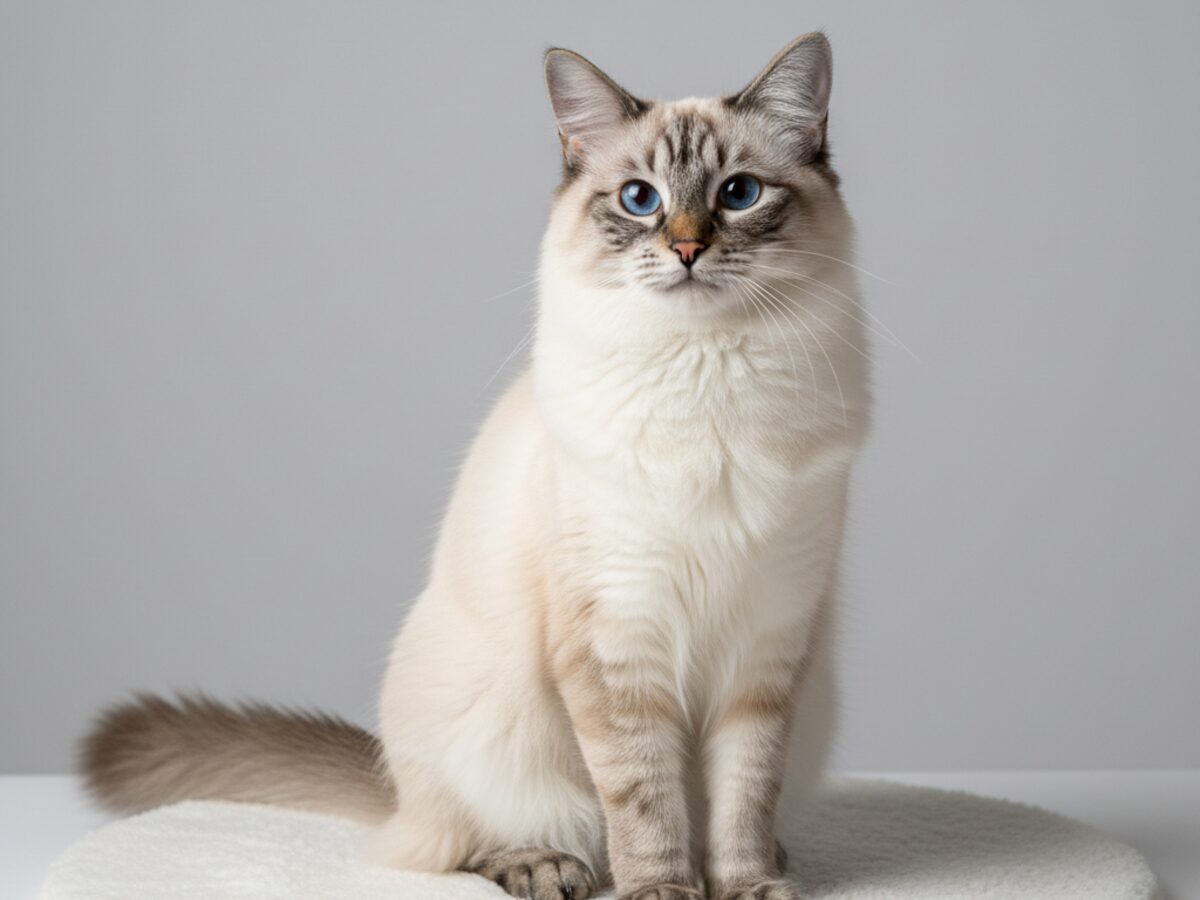 Hypoallergenic
Balinese
8.5Long-haired Siamese, just as chatty and clever. A good pick for allergy sufferers (low Fel d 1). Will follow you everywhere.

Siamese
9.0Chatty, brilliant and very people-demanding. If you work long hours, adopt one in pairs.
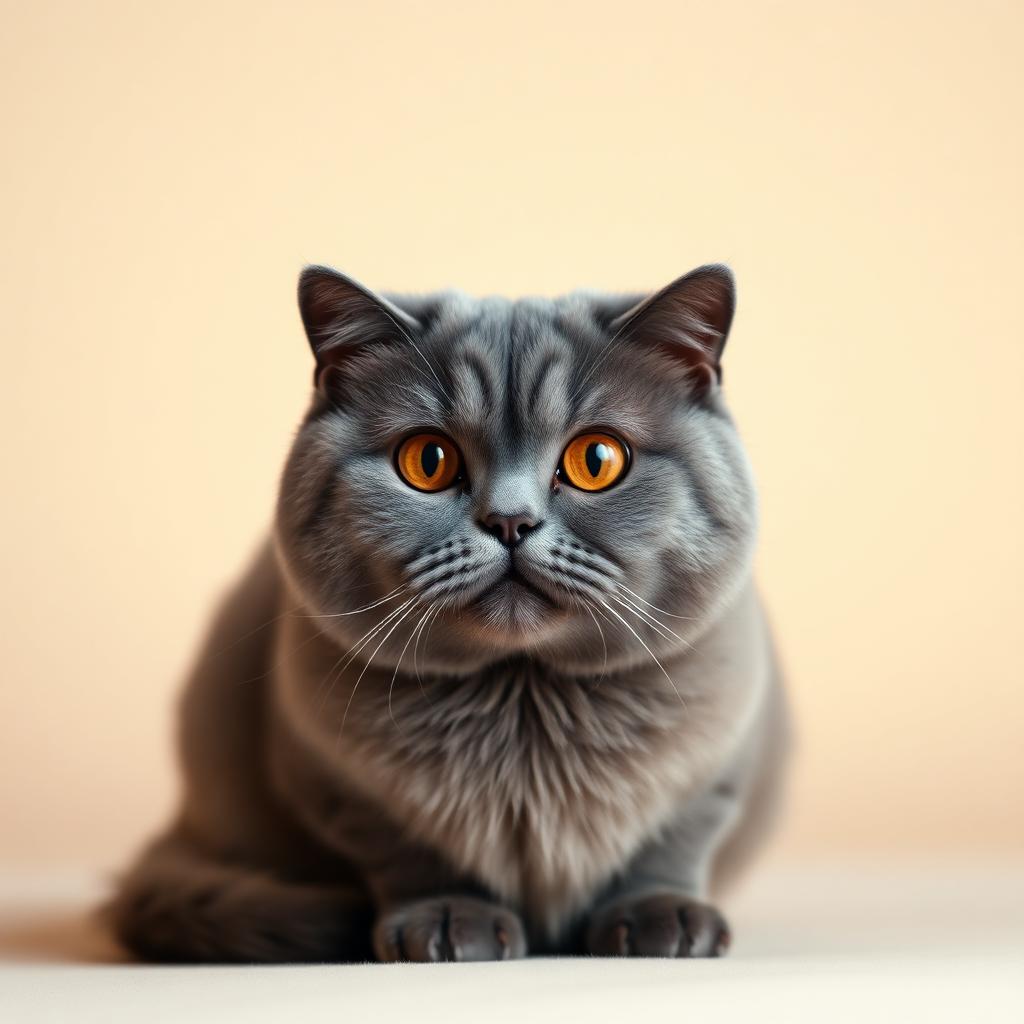
British Shorthair
9.5Calm, plush teddy-bear cat and very flat-friendly. Independent without being aloof: likes being near you, not on you.