Korat
"The Korat: Emerald eyes and a silver heart, a Thai treasure for your home!"
Overview
The Korat, affectionately known as the "good fortune cat," is a majestic and ancient feline breed that originated in Thailand. This article will explore everything you need to know about this fascinating breed, from its history and origin to its personality traits, care needs, and how it thrives in a family environment. You'll discover why Korats are considered national treasures in their homeland and how they have captured the hearts of cat lovers worldwide. Get ready to fall in love with their emerald eyes and silver coat.
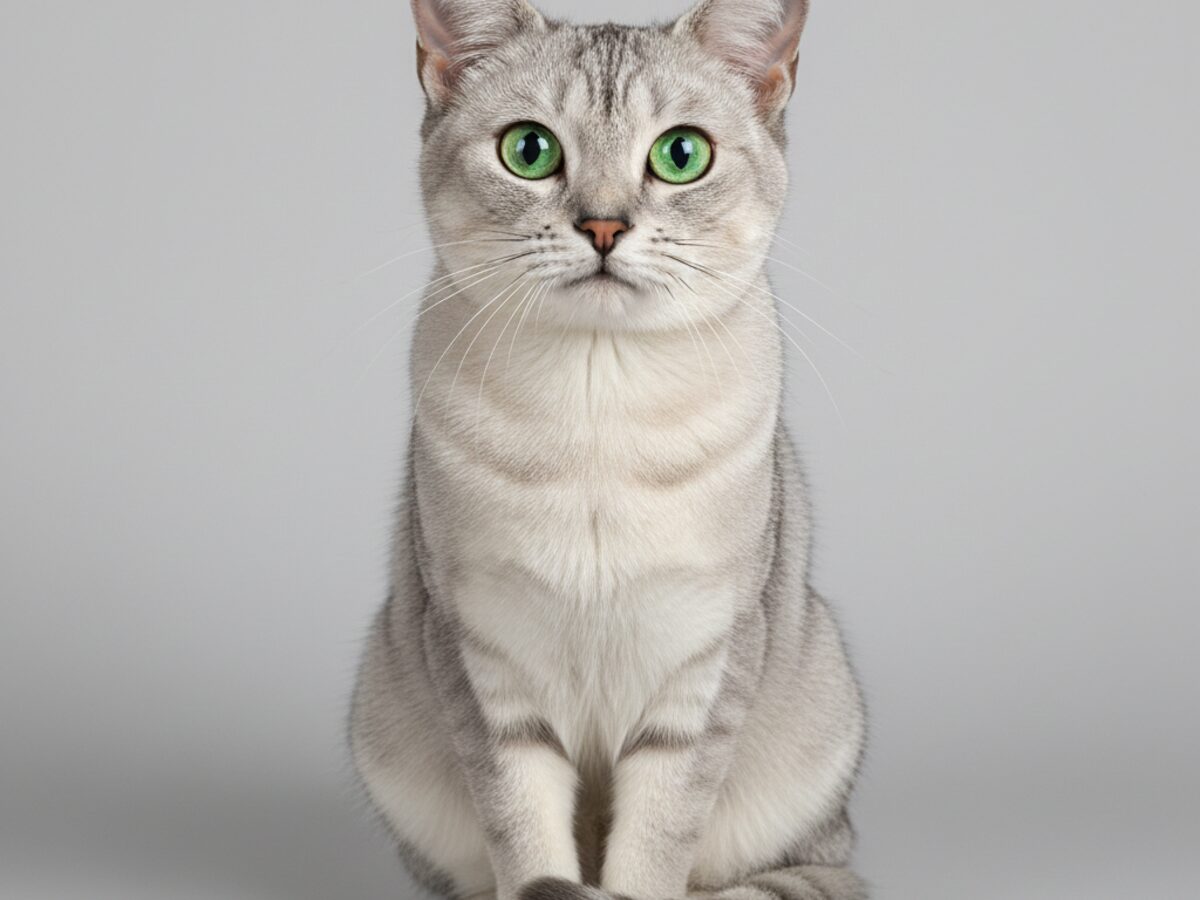
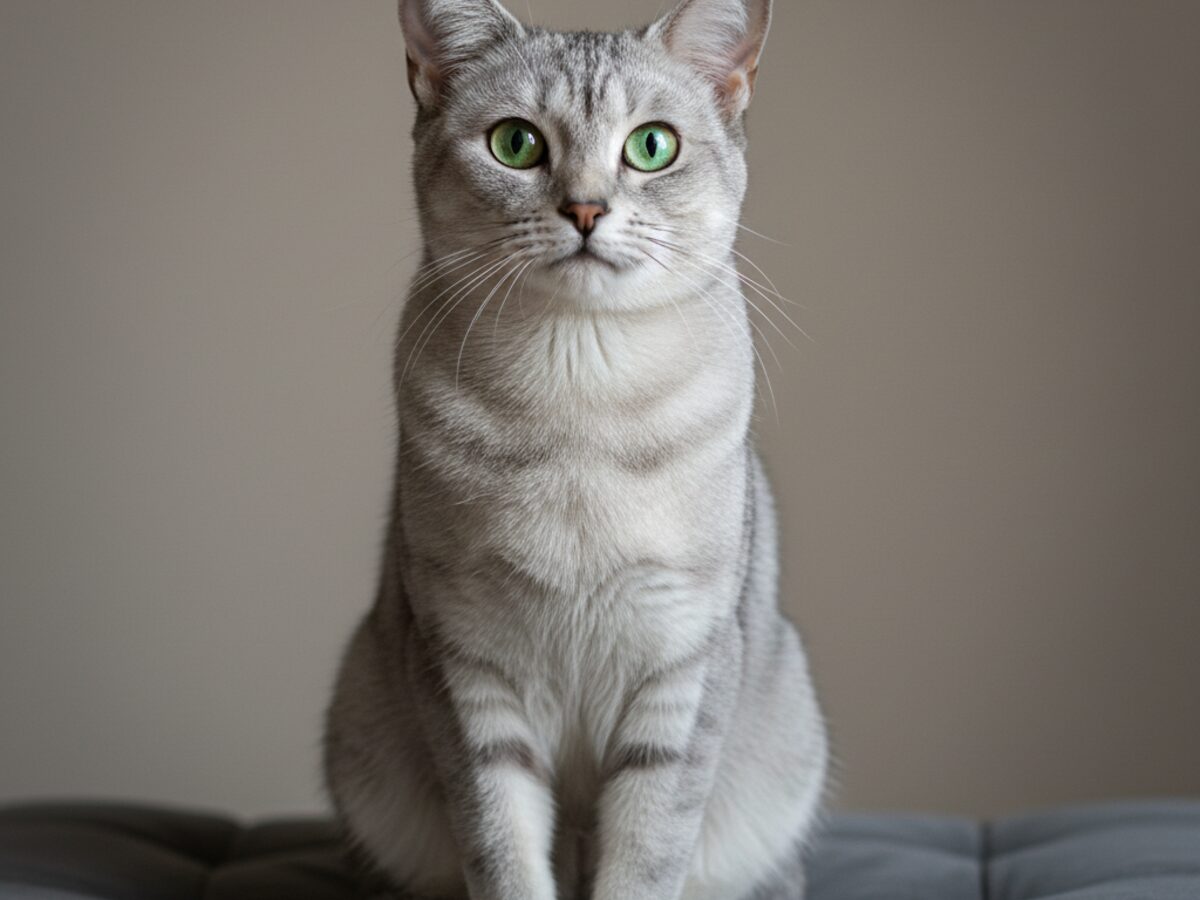
One of the Korat's most distinctive features is its stunning silver-blue coat, a solid color accented with silver tipping, giving it an iridescent shimmer. Its large, round eyes, which are often a brilliant emerald green in adulthood (they can be amber in kittens), give it an alert and sweet expression. Korats are medium-sized cats with a muscular yet elegant body, and surprisingly heavy for their size. Their head has a unique heart shape when viewed from the front, a charming detail that adds to their appeal. Physically, they are an example of grace and distinction, characteristics complemented by their behavior.
In terms of temperament, the Korat is a cat known for its affectionate and loyal nature. They are incredibly devoted to their families and often choose a favorite person with whom they form a particularly strong bond. They enjoy human companionship and may follow you from room to room, supervising your activities with curiosity. While they can be reserved with strangers at first, once they trust someone, they won't hesitate to show their cuddly side. They are sensitive cats who appreciate a calm environment and are known for their soft, discreet voices, making them ideal companions for those who prefer a less vocal cat.
Caring for a Korat is relatively straightforward. Their short, single coat requires minimal brushing, usually once a week, to keep it healthy and shiny. This makes them an excellent choice for those seeking a low-maintenance cat in terms of aesthetic care. However, this shouldn't be mistaken for a lack of need for attention. A Korat thrives on daily interaction, play, and an enriching environment. Ensuring they receive a nutritious diet, regular vet visits, and plenty of mental and physical stimulation through toys and interactive games is key to their overall well-being. Consider puzzle toys to keep their sharp minds engaged. With their intelligent nature and desire to please, Korats are cats that, with the right love and environment, will bring years of joy and companionship to any family.
Key facts
- Size
- Small
- Weight
- 2–5 kg
- Life expectancy
- 12–15 years
- Daily exercise
- 30 min/day
- Estimated total
- 85€/month
- Country
- Thailand
Character & temperament
The Korat is a cat that exudes love and sweetness, but it's not just any kitten! They are known for being incredibly intelligent, which means they will quickly learn your routines and perhaps even open doors for you! They are very people-oriented and adore the company of their family, preferring to be close to you, whether on the sofa, on your lap, or even following you from room to room. Despite their medium size, they have a noticeable presence. They are naturally playful and curious, enjoying interactive games and toys that stimulate their minds. Don't be surprised if they become your little shadow, observing your every move.
Living with children
Korats can be a wonderful addition to families with children, especially if they are a bit older and know how to interact with pets! They are patient and generally very sweet, but they appreciate calmness and respect. For young children (under 5-6 years old), it is crucial to supervise all interactions to teach them to be gentle and to understand their cat's signals. Korats are not cats that enjoy being chased or played with roughly. They enjoy interactive games with feathers or laser pointers, where they can express their playful side without feeling cornered. With older children who understand basic rules of respect, the Korat can form a very strong bond and become a loyal companion for reading or nap time.
With other pets
Generally, Korats get along well with other domestic animals, especially if introduced correctly and from a young age. They are quite calm cats and are not usually aggressive. However, their **dominant nature** can manifest with other cats, so a gradual and supervised introduction is essential. With dogs, they can coexist peacefully if the dog is calm and respects the cat's space. It is important to remember that each cat is an individual, but generally, the Korat can integrate into a multi-species home if there is an environment of respect and patience. Their intelligence allows them to understand the boundaries and dynamics of the home.
Health & prevention
Korats are generally a robust and healthy breed with a life expectancy that can exceed 15 years. However, like all breeds, they can be susceptible to some hereditary conditions. The most well-known is GM1 and GM2 Gangliosidosis, a rare metabolic disease that affects the nervous system and, fortunately, can be detected through genetic testing. It is crucial for responsible breeders to perform these tests to ensure the health of the kittens. Another condition to be aware of is hip dysplasia, although it is less common in cats than in dogs, and heart problems, such as hypertrophic cardiomyopathy (HCM), which can be detected with regular veterinary check-ups and cardiac ultrasounds.
Health risks
- •GM1/GM2 gangliosidosis (testable)
Care
Nutrition
A balanced and high-quality diet is key to maintaining your Korat's lustrous coat and vitality. Opt for dry and wet foods rich in animal protein, and ensure they have a low or no grain content. Consult your vet to determine the appropriate amount based on your cat's age, weight, and activity level. Dividing the daily ration into several small meals can aid their digestion. And don't forget fresh, clean water always available!
Grooming & hygiene
The Korat is a dream for those who don't want to spend hours grooming! Their short, single coat means they need very little maintenance. A **gentle weekly brushing** is enough to remove loose hairs, distribute natural skin oils, and maintain that characteristic silver sheen. Many Korats love brushing as a form of petting and attention, making it a bonding moment with their family. They don't usually need baths unless they've gotten very dirty. Remember to also regularly check their ears and trim their nails as needed – good hygiene is key to a happy, healthy cat!
Exercise & training
Exercise plan
While not the most energetic cats in the world, Korats do need their daily dose of exercise and play to stay happy and fit. They love **interactive games** with their family, such as chasing feathers, laser pointers, or toy mice. They also enjoy puzzle toys that challenge their astute minds. Dedicate at least 20-30 minutes a day to playing with them. They are not extreme climbers, but they do like cat trees and perches from which they can observe their kingdom. Encourage them to move to prevent boredom and maintain their ideal weight.
Training
The Korat's intelligence makes them surprisingly easy to train! They respond very well to **positive reinforcement** and treats. You can teach them simple tricks like sitting, coming when called, or even fetching small objects. Use short, fun training sessions, keeping them engaged and avoiding boredom. Their social nature also means they respond well to routine and consistency. You might even be surprised to see them learn to open doors or cupboards! Make sure to always have a clean litter box available, and they will be spotless.
Monthly cost
These monthly costs do not include the initial purchase of the kitten or unexpected expenses. The price of a Korat can vary, but generally ranges between 800 and 1500 euros, depending on the bloodline and breeder. Investing in good nutrition and preventive check-ups can save you money in the long run.
Estimate for Spain, healthy adult cat. Varies by region and provider.
Pros & cons
Pros
- ✓Extremely affectionate and loyal
- ✓Low coat maintenance
- ✓Very intelligent, easy to train
- ✓Generally robust and healthy
- ✓Excellent family companion
- ✓Not very vocal
Cons
- !Can be territorial with other cats
- !Dislikes loneliness, demands attention
- !Requires mental stimulation
- !Can be sensitive to loud noises
- !Not suitable for noisy households
Ideal for
- • Families looking for a loyal cat
- • People who can offer a lot of companionship
- • Homes with a calm environment
- • Those who enjoy intelligent and playful cats
- • Owners who prefer a low-maintenance cat
Not recommended for
- • Families who are often away from home for long periods
- • Very noisy or busy households
- • Those who expect an independent cat
- • People unwilling to invest time in interactive play
How it fits each scenario
Yes, the Korat adapts well to apartment living if provided with enough stimulation and companionship. They don't need a lot of running space, but they do need to feel like part of the family.
A Korat in a house with a garden would be happy, but always as an indoor cat to protect it. The garden can be an extra for supervised explorations or with a secure enclosure.
Its short coat allows it to handle warm climates, but it always needs access to shade and fresh water, and to avoid prolonged direct sun exposure.
They are not an ideal choice for very cold climates due to their short, single coat. They need a warm home protected from the cold.
Possible, but with a lot of supervision. Their patience has a limit, and they might get stressed by noisy or rough play from toddlers.
Excellent! Korats can form strong bonds with older children who know how to interact with respect and enjoy interactive games and quiet moments.
Yes, if the new owner is willing to dedicate time to their companionship, play, and understanding of their social needs. Their low coat maintenance is a plus.
Yes, for experienced owners, the Korat will be a rewarding companion who they will appreciate for its intelligence and affection. They will know how to handle its need for attention.
An active family that includes the cat in their play activities and offers mental stimulation will be ideal for a Korat. They enjoy moderate play.
Not the best option. Korats need a lot of companionship and can get stressed or depressed if left alone for extended periods without attention.
Not hypoallergenic. While their coat is short, they still produce the Fel d 1 protein, which is the main cause of allergies.
They do not qualify as a low-budget breed. Their initial cost and potential for hereditary health issues make them a considerable investment.
Origin & history
The history of the Korat is as enigmatic as its gaze. This breed is believed to have originated in the Korat province (now Nakhon Ratchasima) in Thailand, hence its name. Its presence in Thai culture is ancient, appearing in old manuscripts and poems, such as the feline poetry book "Smud Khoi of Cats" (The Cat-Book Poems) dating from the Ayutthaya Kingdom, between 1350 and 1767. In this book, Korat cats are described as "cloud-colored cats with eyes like dewdrops." They were so prized that only Thai royalty and very influential families owned these cats, which were never sold, only given as a sign of great respect and wishes for good fortune.
In Thailand, the Korat is not only good luck, but its emerald green eyes have inspired ancient poems! It's also said that its coat, which seems to shimmer in the light, resembles rain clouds, associating it with prosperity.
Frequently asked questions
Does the Korat need special coat care?▾
Not at all! Their short, single coat is low maintenance. A weekly brushing is enough to keep it shiny and remove loose hairs, plus they love it as a massage!
Is the Korat a good choice for families who are often away from home?▾
It's not the most suitable breed. Korats are very attached to their family and need a lot of companionship. They can get stressed if left alone for extended periods.
Are Korats vocal like Siamese cats?▾
Generally, no. Korats are usually quiet cats, although they will express their needs with soft meows. Don't expect the 'speeches' of a Siamese.
What kind of games do Korats like?▾
They love interactive games with feathers, laser pointers, and puzzle toys. Anything that stimulates their intelligence and allows them to 'hunt' they adore.
Do Korats adapt to changes?▾
They are sensitive to changes in their environment or routine. A stable and calm home is best for them. Moves or major alterations can stress them.
What is the life expectancy of a Korat?▾
With good care and a proper diet, Korats are robust cats that can live between 15 and 20 years or even longer, a long life of love and companionship!
Similar family-friendly breeds
 Hypoallergenic
Russian Blue
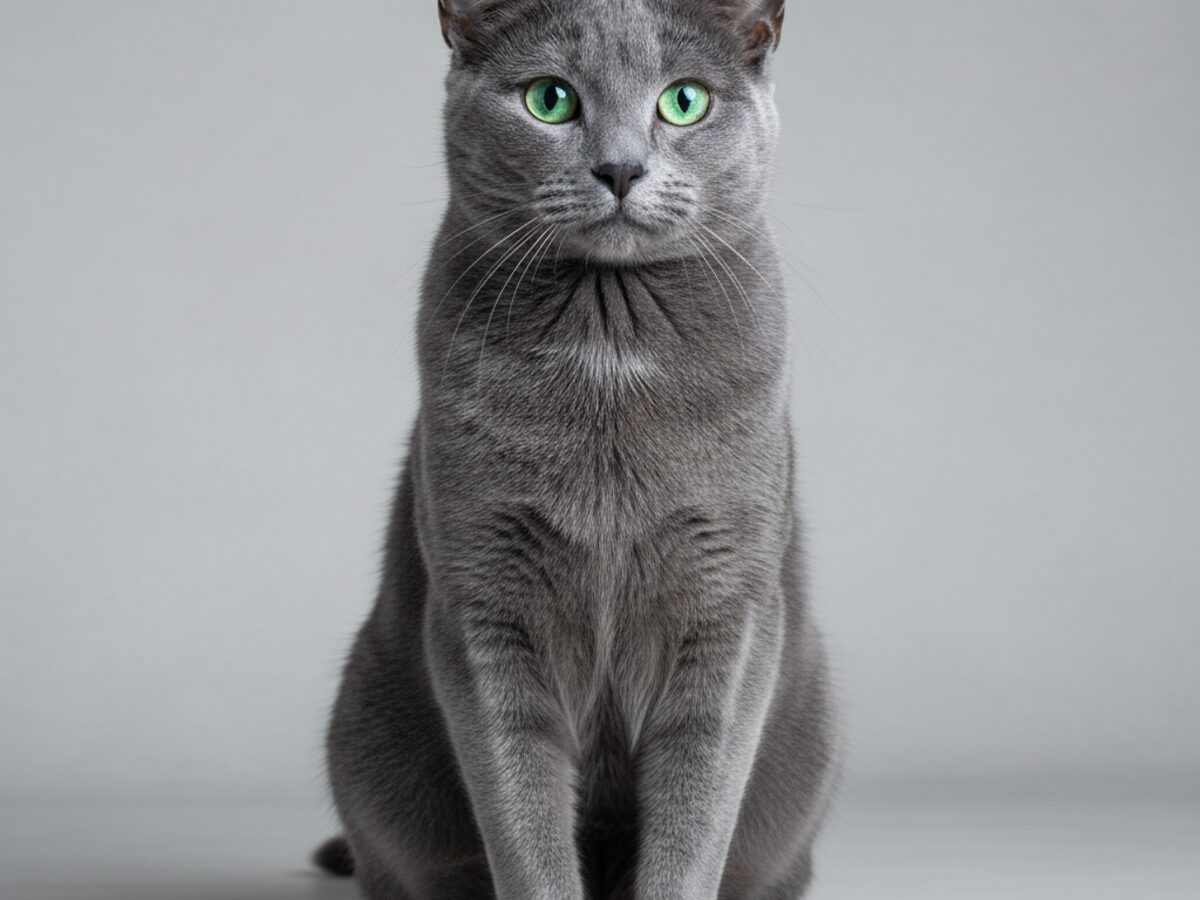
9.0Silver-velvet coat and emerald-green eyes. Reserved but very loving with their people; low Fel d 1.
Chartreux
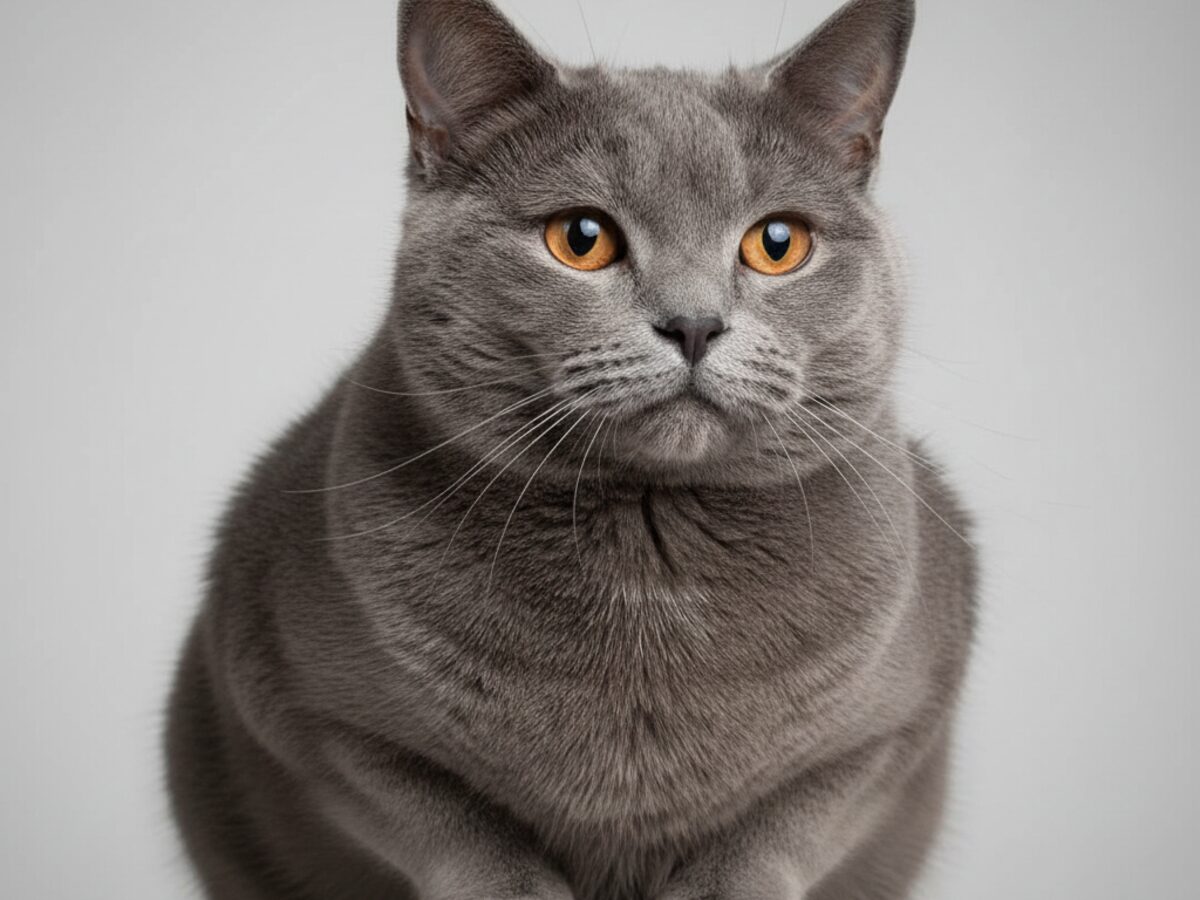
8.8A blue-grey monk cat with a trademark "smile". Very quiet, observant and loyal. Perfect for calm households.
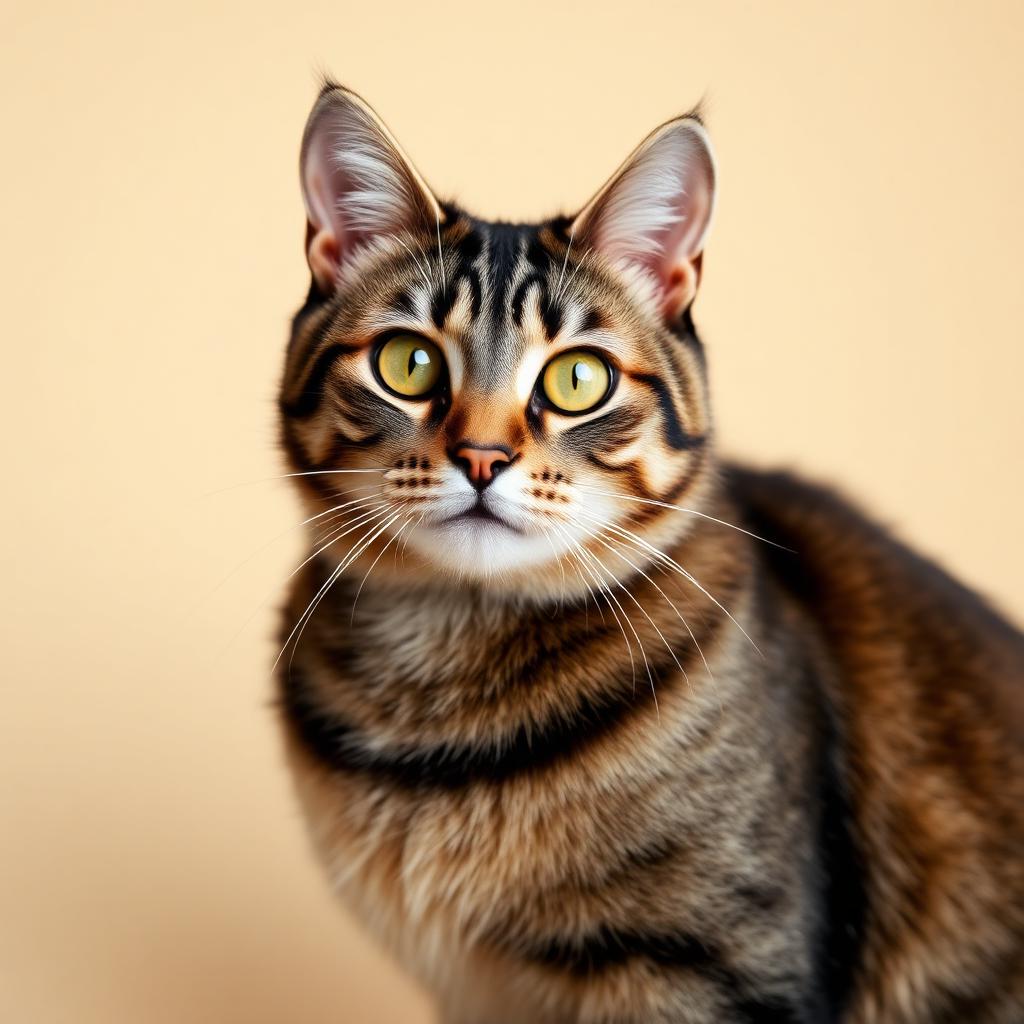
European Shorthair
9.3The classic alley cat: healthy, adaptable and full of personality. Best value pick and the easiest to adopt from shelters.