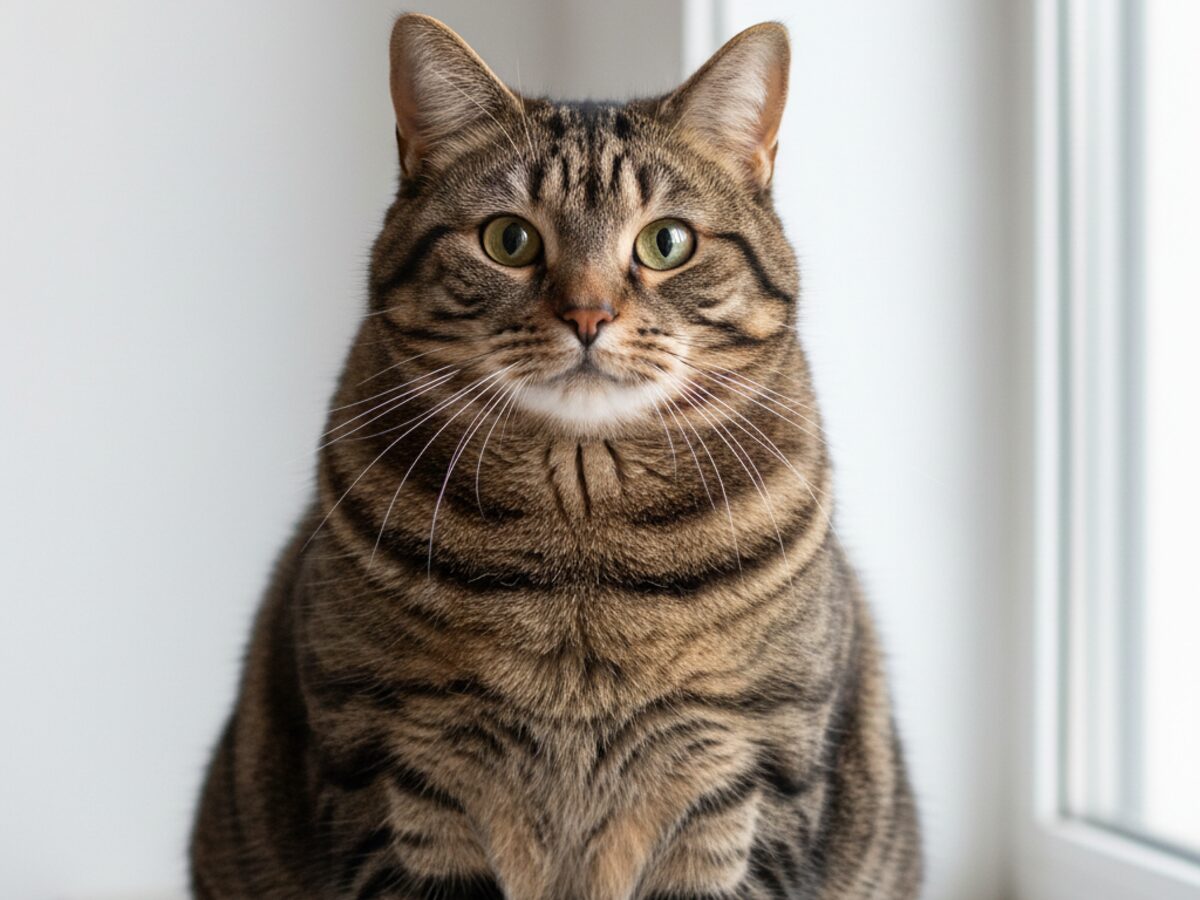
Manx
"The Manx: This tailless, playful, and affectionate cat will steal your heart!"
Overview
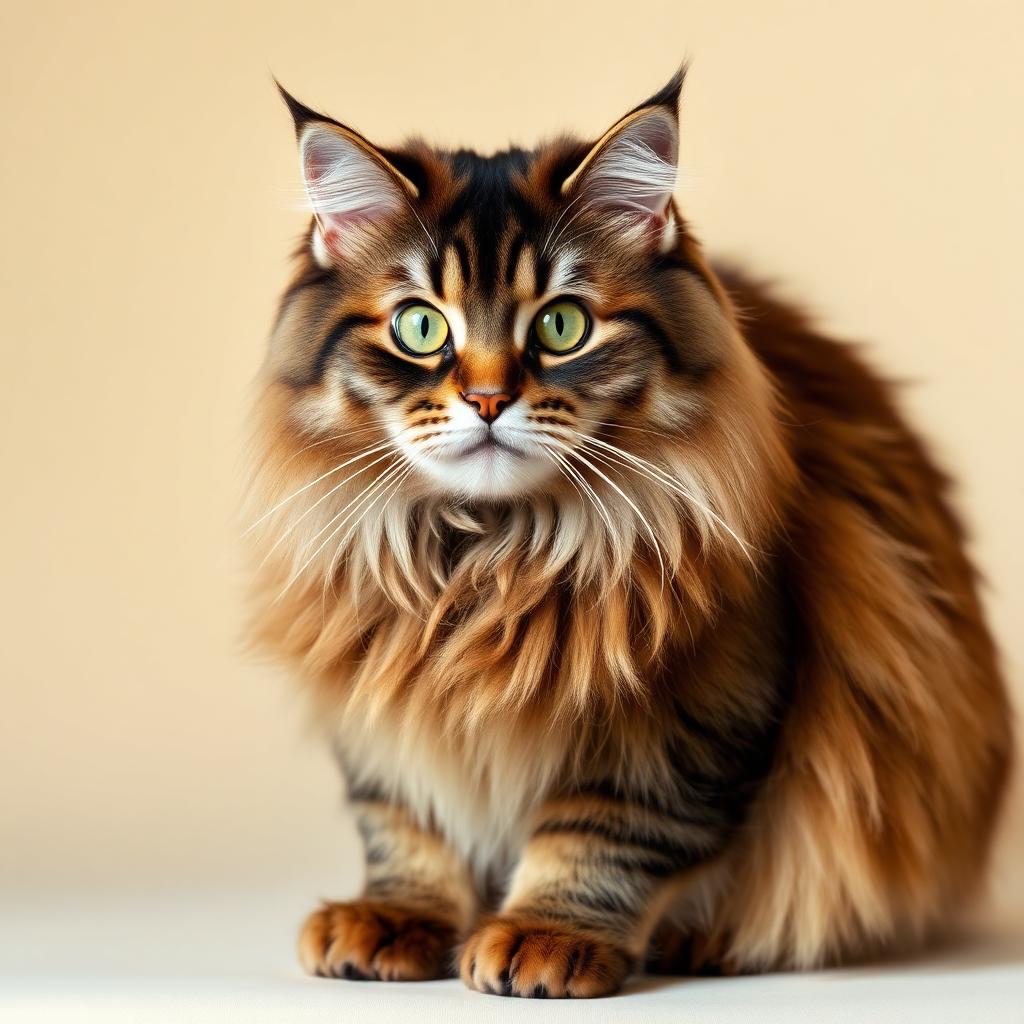
The Manx is one of the most unique and beloved cat breeds, famous for its natural taillessness and distinctive 'Manx hop'. Originating from the Isle of Man, this robust and affectionate cat is an ideal companion for families with children and other pets. Its intelligent, playful, and loyal personality makes it a highly interactive member of any home. Manx cats enjoy participating in family activities, following their owners from room to room, and 'conversing' with soft meows. Their ability to learn tricks and enjoy games of fetch resembles that of a dog, which makes them even more special. Their adaptability allows them to live comfortably both in apartments, provided they receive enough stimulation, and in houses with safe garden access. Despite its unique appearance, the Manx's history is one of resilience and natural adaptation, becoming a breed renowned for its amiable temperament and unique charm.
For the care of your Manx, it is important to pay attention to its health. Although they are generally robust and can live between 12 and 15 years, it is vital to know about Manx Syndrome, a rare but serious genetic condition that affects the spine. Responsible breeders test to prevent affected kittens from going to new homes. Additionally, proper nutrition with protein-rich foods and portion control are key to preventing obesity in this active breed. Regular brushing, two to three times a week, keeps their coat, which can be short or semi-long (known as Cymric), healthy and reduces hairball formation. Daily exercise, through interactive toys and play sessions with their owners, is crucial for their physical and mental well-being, as a bored Manx can develop destructive behaviors. Their intelligence also means they are easy to train, which can be a fun and enriching activity for both the cat and the family.
Choosing a Manx means bringing home a cat with a big personality and an adventurous spirit. They are excellent companions for children, as their tolerant and playful nature allows them to interact safely and joyfully, always under supervision. They get along well with other cats and dogs, making them ideal for multi-pet households. However, their hunting instinct means caution should be exercised with small pets such as rodents or birds. If you are looking for a cat that is more than a pet, a true family member who accompanies you at all times and brightens your day with their antics, the Manx is the perfect choice. Research thoroughly before adopting, look for ethical breeders or specialized shelters, and be prepared to dedicate time to their care and play. A well-loved and stimulated Manx will be an inexhaustible source of happiness and memorable moments for your family. Consider a Manx if you are looking for an affectionate, intelligent cat with a touch of uniqueness.
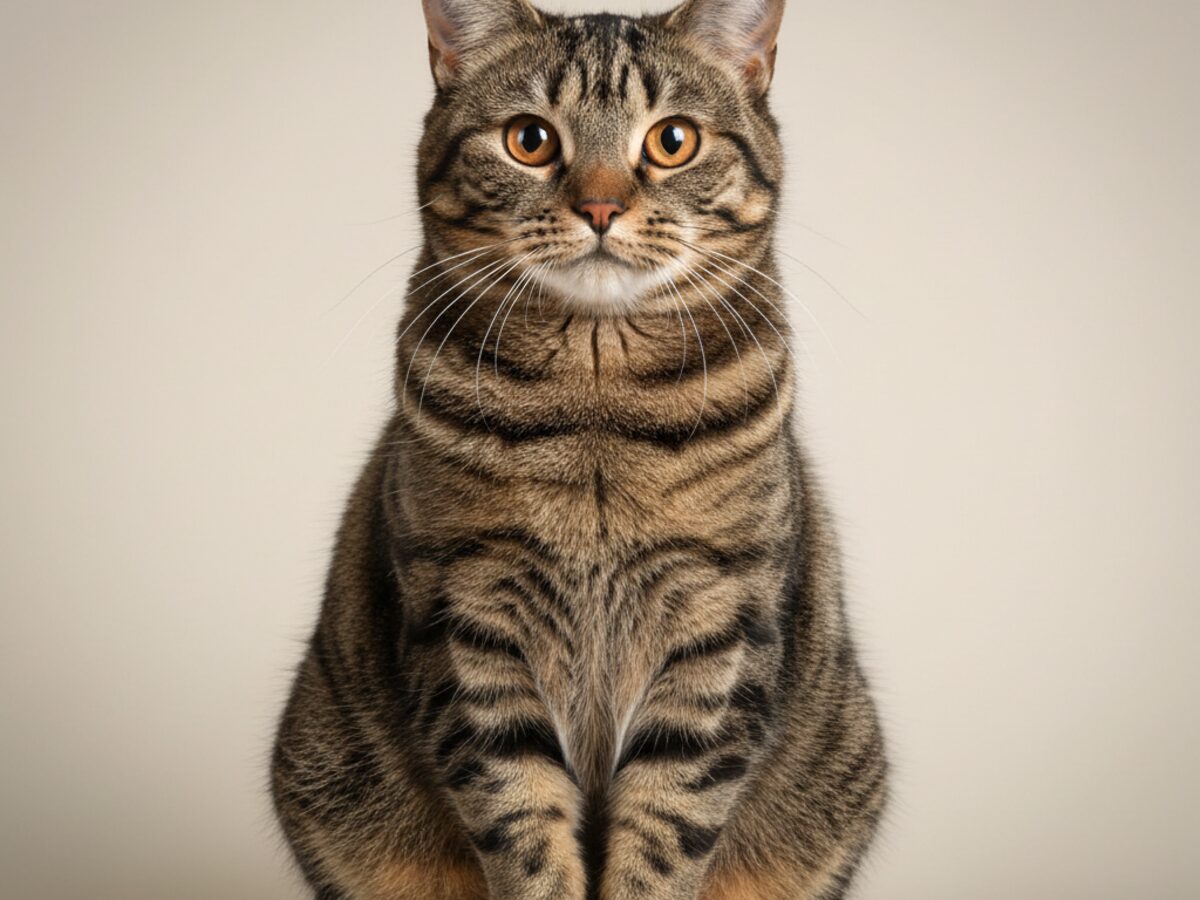
Key facts
- Size
- Medium
- Weight
- 3–6 kg
- Life expectancy
- 12–16 years
- Daily exercise
- 30 min/day
- Estimated total
- 120€/month
- Country
- Isla de Man
Character & temperament
The Manx is known for its affectionate, playful, and intelligent personality. They are very people-oriented cats, often forming a deep bond with one family member, although they are affectionate with everyone. They love to participate in household activities and follow their owners from room to room, sometimes even 'conversing' with them through soft meows and trills. They are naturally curious and enjoy exploring every corner of their home. Their intelligence makes them easy to train, even for simple tricks or walking on a leash in a safe environment. Their behavior is often compared to that of a dog, as they enjoy games of fetch and are incredibly loyal. Additionally, many Manx are known for their ability to jump high and their agility, which makes them fun to watch as they play. They are cats full of personality and you will never be bored with a Manx at home. They have even appeared in shows like 'Drawn Together' or in comics for their uniqueness!
Living with children
Manx cats are a fantastic choice for families with children! Their playful and friendly nature makes them excellent companions for little ones, as long as children are taught to interact with respect. They are very tolerant and rarely get irritated, making them a safe choice for active homes. They enjoy interactive games, such as chasing wand toys or balls, and their robust build means they can handle the enthusiasm of young children. It's ideal for children to learn to treat the cat gently from an early age (from 3-4 years old under supervision), and always supervise their interactions to ensure a positive environment for both. Manx cats love attention and play, which can be an endless source of fun and learning for children, teaching them responsibility and empathy.
With other pets
The adaptability and tolerant nature of the **Manx** make it an excellent companion for other domestic animals. They generally get along well with other cats and dogs, especially if introduced gradually and appropriately from an early age. They are known for their willingness to share the home and even play with their furry companions. Their hunting instinct can come out with smaller pets like rodents or birds, so it's important to supervise these interactions or keep them separate to ensure everyone's safety. With early socialization and the right environment, a Manx can happily coexist in a multi-species home.
Health & prevention
Most Manx cats are robust and healthy animals, with an average lifespan of 12 to 15 years or more. However, due to the genetic mutation that causes the absence of the tail, a small percentage can be affected by a condition called Manx Syndrome. This syndrome occurs when the tailless gene also affects the spine, leading to mild to severe neurological defects, such as bladder or bowel problems, or difficulty walking. Responsible breeders usually identify affected kittens in the first weeks of life. In addition to Manx Syndrome, the breed can be prone to other common feline diseases, such as dental diseases, obesity if their diet is not controlled, and kidney diseases as they age. To keep your Manx in optimal condition, be sure to take them for annual veterinary checkups for general health, vaccinations, and deworming. A balanced diet and regular exercise are crucial to prevent obesity. It is also advisable to pay attention to any changes in their urinary or bowel habits and consult your vet. A well-cared-for Manx is a happy and long-lived companion.
Health risks
- •Manx syndrome (spina bifida)
- •Arthritis
Care
Nutrition
Proper nutrition is fundamental for your **Manx**'s health and energy. Opt for a high-quality cat food specific for cats, rich in animal proteins and low in cereals. Since Manx cats are active and prone to obesity if their diet is not controlled, it is crucial to follow the manufacturer's recommendations regarding portions and avoid overfeeding. Consider dividing their food into two or three small portions a day. Make sure they always have access to fresh, clean water. If your Manx has any specific health conditions, your veterinarian can recommend a personalized diet.
Grooming & hygiene
Despite their coat, which can be short or semi-long, **Manx** grooming is relatively simple. Regular brushing, **two to three times a week**, is sufficient to remove loose hair and prevent mats, especially in the longer-haired variety (known as Cymric, which is essentially a long-haired Manx). This also helps keep their coat shiny and healthy, and reduces the amount of hair your cat will swallow, minimizing hairballs. During shedding seasons, more frequent brushing may be necessary. They generally don't need baths unless they get very dirty. Also pay attention to dental hygiene, nail care, and ear cleaning regularly to ensure their overall well-being. Good routine care will ensure your Manx feels comfortable and looks spectacular.
Exercise & training
Exercise plan
**Manx** cats are active and playful cats that need regular physical and mental stimulation. They enjoy daily play sessions with their owners, whether chasing a laser pointer (always ending with a treat they can 'catch' to avoid frustration), interacting with wand toys, or exploring multi-level scratching posts. They love to climb and jump, so a tall cat tree and interactive toys that stimulate their curiosity are ideal. 15 to 30 minutes of active play a day, divided into several sessions, are enough to keep them fit and happy. Their intelligence also benefits from food puzzles. A bored Manx can become destructive or develop unwanted habits, so make sure to keep their mind and body busy.
Training
Training a **Manx** is surprisingly easy thanks to their intelligence and desire to please. They are quick learners and enjoy the interaction that training provides. You can teach them simple tricks like sitting, staying, and even fetching objects, similar to a dog. **Positive reinforcement** with treats and praise works wonders. They are also known for being easy to litter-train and adapt to leash walking if accustomed from a young age. The key is patience, consistency, and making training sessions fun and short to keep their interest.
Monthly cost
These are approximate monthly costs and can vary greatly depending on food quality, location, and the individual health needs of each cat. Always consider an emergency fund for unexpected veterinary expenses.
Estimate for Spain, healthy adult cat. Varies by region and provider.
Pros & cons
Pros
- ✓Extremely affectionate and loyal
- ✓Very intelligent and easy to train
- ✓Playful and full of energy
- ✓Adapts well to families with children
- ✓Generally gets along well with other pets
- ✓Relatively easy to care for regarding coat
Cons
- !Risk of Manx Syndrome (rare)
- !Needs constant mental and physical stimulation
- !Can be vocal if not given enough attention
- !Acquisition cost can be high
- !Hunting instinct with small animals
Ideal for
- • Active families with children
- • Homes looking for an interactive cat
- • Owners who enjoy cat training
- • People who can dedicate time to play
- • Homes with other friendly pets
Not recommended for
- • People looking for a very independent cat
- • Homes unable to provide stimulation
- • Very quiet and sedentary environments
- • Families with very small rodents or birds without supervision
How it fits each scenario
They adapt well to apartments as long as they receive enough play and environmental enrichment.
They enjoy houses with a fenced garden where they can explore safely.
They can live in hot climates, but need access to shade and fresh water, especially the long-haired variety.
Their coat provides some protection, but they need shelter and warmth in very cold climates.
Excellent with toddlers if taught to interact gently and respectfully under supervision.
They are ideal playmates for school-aged children who enjoy active interactions.
Yes, they are a good option for first-time owners due to their adaptable nature and desire to interact.
Definitely, an experienced owner will appreciate their intelligence and provide them with proper stimulation.
They are perfect for active families who enjoy games and activities, as they are very energetic.
They can adapt, but need daily play and attention; they are not cats to ignore.
They are not hypoallergenic. They shed less than some breeds, but still cause allergic reactions.
No, their acquisition cost and potential additional veterinary care for Manx Syndrome can be high.
Origin & history
The history of the Manx is as fascinating as the cat itself. The breed is believed to have originated on the remote and beautiful Isle of Man, located between Great Britain and Ireland. Legend has it that the Manx lost its tail when Noah closed the ark door too quickly, although scientifically we know that its distinctive trait is due to a natural genetic mutation! For centuries, the absence of a tail became fixed in the local cat population due to the island's geographical isolation. This unique characteristic, combined with their hardiness for life in an island territory, helped the breed thrive without significant human intervention. Original Manx cats were primarily farm cats and expert hunters, which helped them earn their keep by eliminating rodents. It wasn't until the late 19th century that the breed began to be formally recognized in cat shows, capturing the attention of enthusiasts for its distinctive appearance and temperament. From there, its popularity grew, and today the Manx is loved worldwide, being one of the oldest and most recognized breeds. The Manx is a true gem, a living testament to how nature can create something extraordinary from a genetic peculiarity. Its history is a reminder of how beauty and uniqueness can be found in the most unexpected places.
Did you know that the Manx's taillessness makes it appear in some cartoons and popular references, often leading people to compare them to rabbits? Their peculiar gait called the 'Manx hop' certainly contributes to this!
Frequently asked questions
Are all Manx cats born tailless?▾
No, although they are famous for their taillessness, Manx cats can be born with different tail lengths, from completely tailless ('rumpy') to an almost normal tail ('longy'). Only the 'rumpy' are the pure Manx exhibited with that distinction.
Why do Manx cats look like rabbits when they run?▾
Because their hind legs are significantly longer than their front legs and due to the absence of a tail for balance, Manx cats often have a hopping gait or run reminiscent of a rabbit, known as the 'Manx hop'.
How long do Manx cats live?▾
With proper care and if they don't suffer from severe Manx Syndrome, these cats can live between 12 and 15 years, and even longer in some cases.
Are Manx cats suitable for allergy sufferers?▾
No, Manx cats are not considered hypoallergenic. While some may produce less dander due to their coat, they still produce Fel d 1, the protein responsible for most cat allergies.
Do Manx cats need special care due to their spine?▾
Most tailless Manx are born healthy, but those with Manx Syndrome (a hereditary condition) may need specialized veterinary care for bowel or bladder problems. Responsible breeders usually rule out kittens with this severe pathology.
Are Manx cats good for indoor living?▾
Yes, Manx cats adapt very well to indoor living as long as they are provided with enough stimulation, play, and attention. They are curious and want to participate in family life.
Similar family-friendly breeds
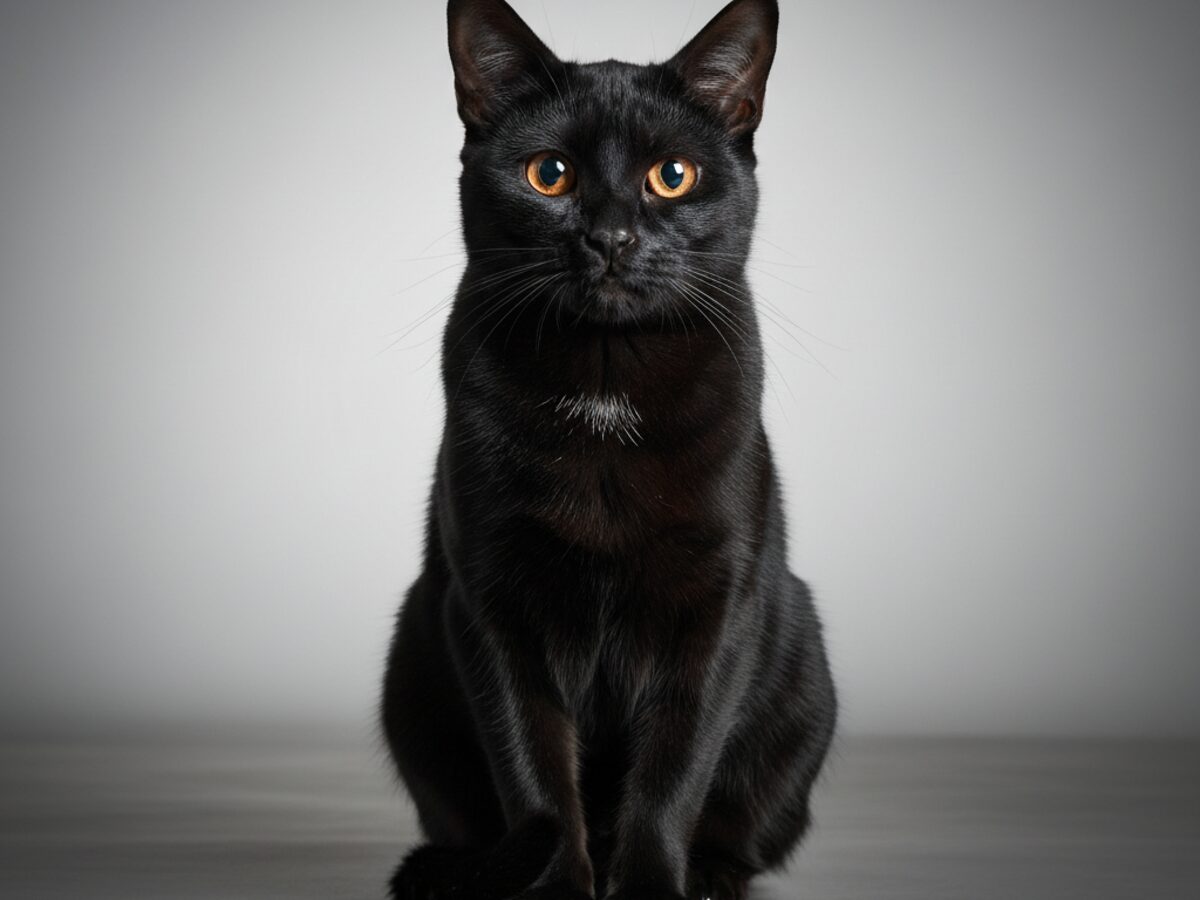
Bombay
8.7A living-room mini-panther: glossy jet-black coat and copper eyes. Clingy, chatty and an expert at sitting on your laptop.
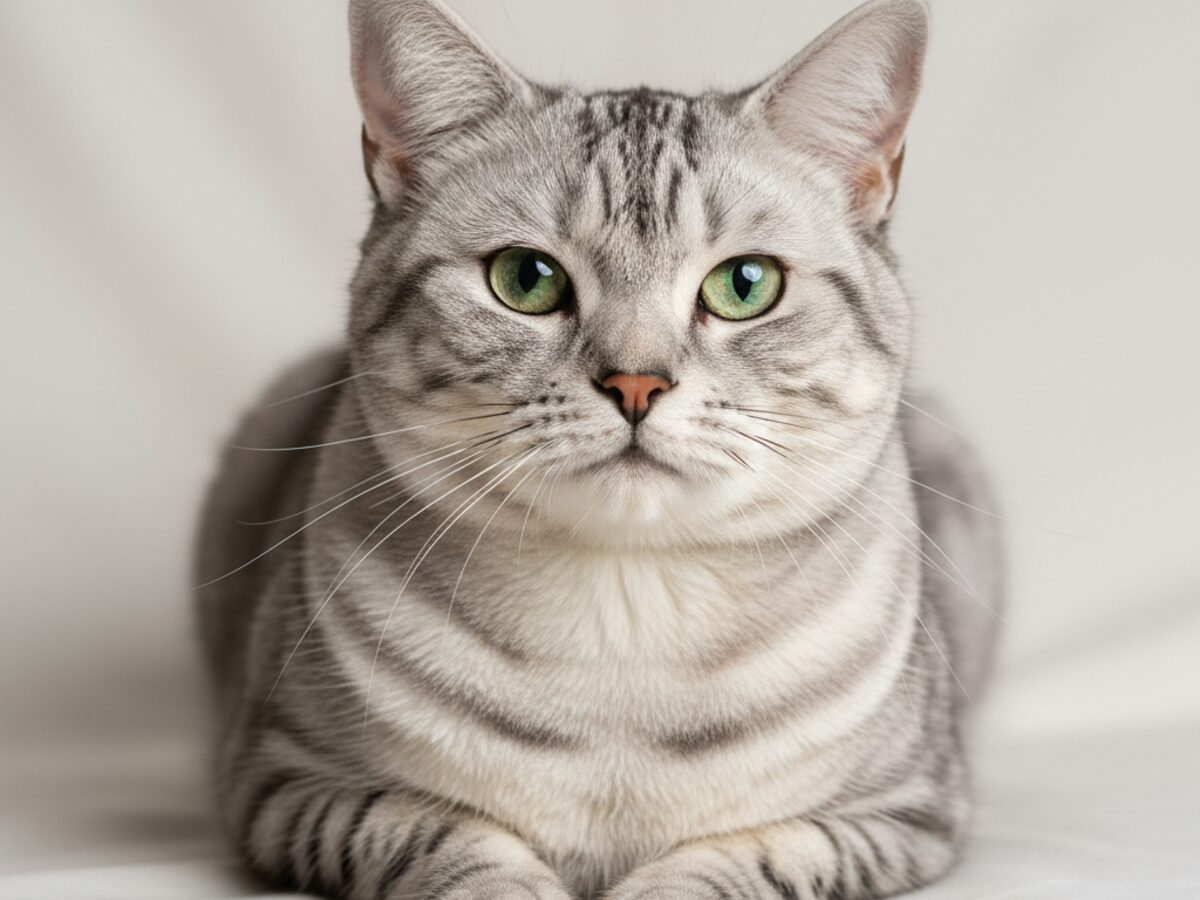
American Shorthair
9.0Healthy, long-lived and well-balanced. America's all-rounder: great with kids, other pets and almost any home.
 Hypoallergenic
Siberian
9.2Best option for allergy sufferers: produces less Fel d 1 than average. Sturdy, playful and very cold-resistant thanks to a triple coat.