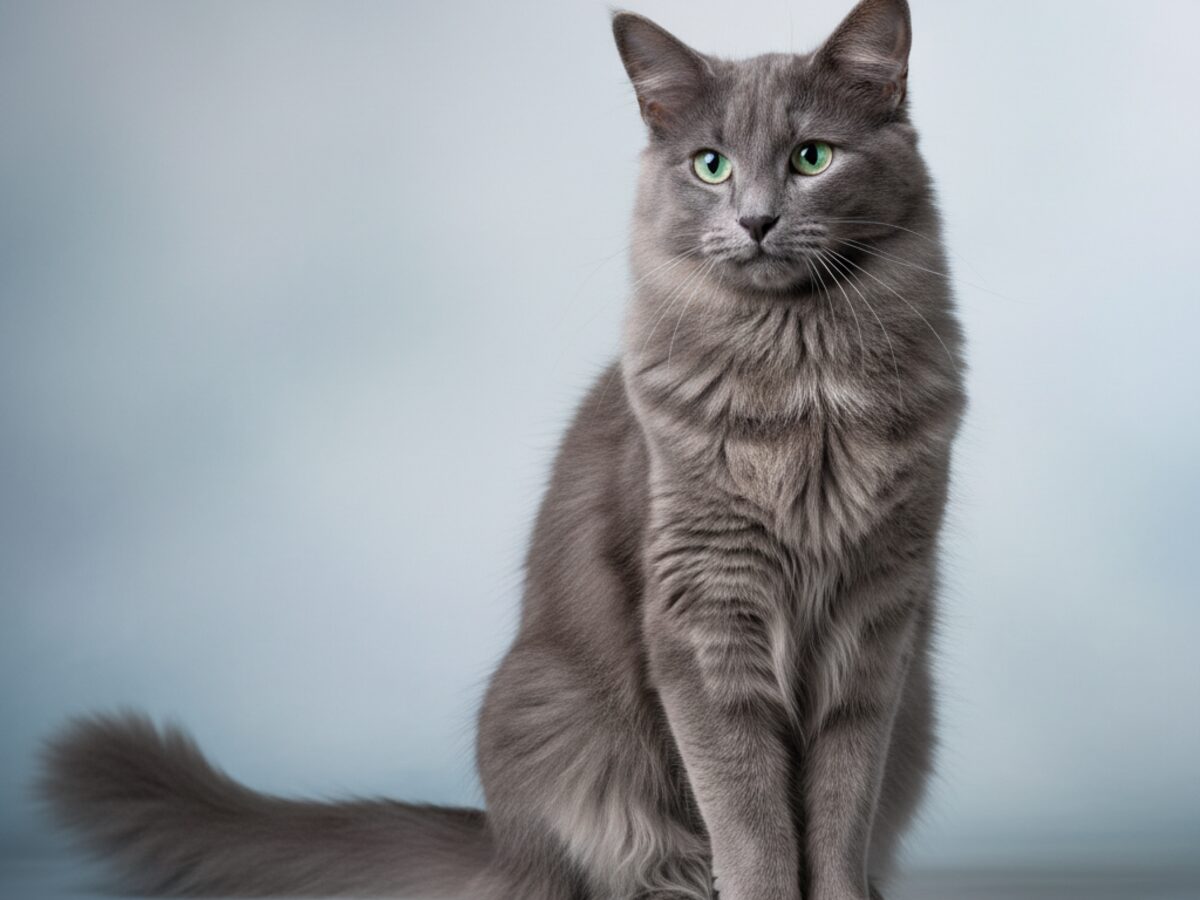
Nebelung
"Nebelung: A misty silver cat with a heart of gold – elegance and affection for your home!"
Overview
Discover the mystery and beauty of the Nebelung, the "creature of the mist" that can light up your home. At FamiCats.com, we immerse you in the fascinating world of this cat with a blue-gray coat and emerald green eyes, combining the elegance of its ancestor, the Russian Blue, with a sweet and loyal temperament. Ideal for quiet families, the Nebelung is distinguished by its intelligence, its preference for routine, and its love for the company of those it trusts. If you are looking for a distinguished, affectionate feline companion that integrates harmoniously into a serene environment, the Nebelung is an exceptional choice. Learn everything about its care, from the essential brushing of its semi-long coat to interactive play sessions that stimulate its sharp mind, and how to ensure its well-being and health throughout its 15 to 18 years of life. We explore its nutritional needs, the importance of preventive veterinary check-ups, and how to prepare your home to receive this being of unrivaled grace. Learn how Nebelungs are not just pets, but beloved family members, capable of forming deep bonds with older children and calm pets. At FamiCats.com, we provide you with the complete guide to make living with your Nebelung an enriching and loving experience, revealing the secrets to caring for and loving one of the most enigmatic and beautiful cats in the feline world. Get ready to fall in love with the serenity and ethereal charm of the Nebelung breed.
Key facts
- Size
- Medium
- Weight
- 3–6 kg
- Life expectancy
- 13–18 years
- Daily exercise
- 25 min/day
- Estimated total
- 115€/month
- Country
- United States
Character & temperament
Nebelungs are cats with a captivating and sophisticated personality. They are known for being calm, affectionate, and somewhat reserved cats. Don't expect them to be the life of the party; they prefer the company of their closest family and are somewhat shy with strangers. Once you earn their trust, they become silent shadows that will follow you around the house, looking for a stroke or a quiet moment on your lap. They enjoy interactive toys and games that stimulate their minds, which makes them ideal for families who appreciate an intelligent feline companion that isn't overly demanding of constant physical play. They are true lovers of routine and cleanliness, and they value a serene and predictable home. Their vocalization is soft and melodious, never shrill, which adds to their quiet charm.
Living with children
Nebelungs, with their quiet and somewhat reserved nature, can be excellent companions for families with children, but with some important considerations. They are best suited for older, respectful children (ages 6 or 7 and up) who understand a cat's need for personal space and know how to interact gently. They don't like loud noises, rough play, or being chased, so it's vital to teach little ones how to treat their feline friend with gentleness. They prefer soft petting and structured play with a toy wand rather than forced hugs or wild chasing. If children are calm and respectful, a Nebelung can form a very deep and affectionate bond with them, offering moments of tenderness and quiet companionship.
With other pets
Nebelungs generally get along well with other animals, especially other cats of a similar temperament or calm, respectful dogs. They are not particularly dominant or territorial, and their peaceful nature allows them to adapt to cohabitation. However, given their tendency towards shyness, it is crucial to make **introductions gradually and under supervision**, ensuring that each animal has its own space to feel safe. With early and positive socialization, a Nebelung can live harmoniously with another pet, although they will probably maintain a respectful distance at first. Avoid overly energetic or noisy playmates that might stress them.
Health & prevention
Nebelungs are generally a healthy breed with a life expectancy of 15 to 18 years, or even longer. However, like all breeds, they can be prone to certain genetic conditions or common feline ailments. It's important to be aware of potential dental problems, which can be prevented with good regular oral hygiene. They may also be predisposed to hypertrophic cardiomyopathy (HCM), a heart condition that affects many cat breeds. Early detection is key, so regular veterinary check-ups with recommended echocardiograms are important.
Health risks
- •Urinary stones
Care
Nutrition
A balanced and high-quality diet is fundamental for their health and the shine of their coat. Opt for foods formulated for active, long-haired cats, rich in animal protein and with a good balance of vitamins and minerals. The inclusion of **omega-3 and omega-6 fatty acids** is excellent for maintaining their beautiful double coat. Avoid foods with excessive fillers or low-quality by-products. Adjust the amount of food to their age, activity level, and weight, and always make sure they have access to fresh, clean water. Consult your veterinarian for a personalized nutritional plan.
Grooming & hygiene
The Nebelung has a silky double coat that requires a bit of attention to keep it beautiful and tangle-free. **Brushing two to three times a week** will be enough to remove loose hair, prevent matting, and distribute natural oils for that distinctive silvery sheen. During shedding seasons, especially in spring and autumn, brushing may require daily frequency. Frequent bathing is not necessary, only when they are visibly dirty. Also pay attention to dental hygiene: regular tooth brushing is ideal, or at least the use of dental treats. Clean their ears if necessary and trim their nails every few weeks. Their personal care is part of the bond you create, so enjoy it!
Exercise & training
Exercise plan
Although the Nebelung is a fairly calm cat, that doesn't mean they're a piece of furniture. They love to play, especially if it's interactive and mentally stimulating. A daily session of **15-20 minutes of active play** with toys that simulate hunting (fishing rods, cat-safe laser pointers, feather toys) is ideal. They also enjoy puzzle toys that hide treats. Cat trees and high shelves offer them spaces to climb and observe their kingdom. A bored Nebelung can become a bit mischievous, so keep their mind and body active!
Training
Nebelungs are intelligent cats and can be trained, especially if you start when they are young. They respond well to **positive reinforcement** based on treats and praise. Teaching them to use the scratching post, litter box, and respond to their name is usually straightforward. With patience, you can teach them simple tricks, like sitting or coming when called. Their intelligence makes them enjoy mental challenges, so training can be an excellent form of stimulation. Just remember that, with their sensitive nature, gentle methods and consistency are key to success. They might even learn to walk on a harness, like a little misty explorer!
Monthly cost
Monthly costs are an estimate. High-quality food and preventive veterinary check-ups are valuable investments for your Nebelung's health. The initial purchase of a Nebelung kitten from a reputable breeder can range from 800 to 1500 euros, depending on the lineage and pedigree.
Estimate for Spain, healthy adult cat. Varies by region and provider.
Pros & cons
Pros
- ✓Beautiful and distinguished coat
- ✓Calm and affectionate temperament
- ✓Excellent family companion
- ✓Intelligent and easy to train
- ✓Soft and discreet vocalization
- ✓Relatively independent
Cons
- !Can be shy with strangers
- !Requires regular brushing
- !Not ideal for noisy homes
- !Needs mental stimulation
- !Can be prone to dental issues
Ideal for
- • Calm and respectful families
- • Owners looking for an affectionate cat
- • People who appreciate feline beauty
- • Homes with a controlled environment
- • Lovers of routines and cleanliness
Not recommended for
- • Very noisy or chaotic households
- • Very young or rough children
- • Owners looking for an "extroverted" cat
- • People who cannot commit to brushing
How it fits each scenario
Yes, the Nebelung adapts very well to apartment living if they have enough mental stimulation and high places to observe.
They adapt well to houses with gardens, but controlled outdoor access is best to protect their safety and coat.
They require special attention in hot climates due to their double coat; they need access to cool places and plenty of water.
Their coat protects them well from the cold, but as indoor cats, they should always have adequate shelter.
Not ideal. Their sensitive and reserved nature does not mesh well with the unpredictable energy of toddlers.
Yes, if children are older (6-7+) and taught to interact respectfully and calmly, they can form a good bond.
Suitable with prior research. Their low activity maintenance and calm nature can be good, but their shyness requires patience.
Excellent. An experienced owner will appreciate their unique personality and know how to foster their confidence and play.
Adaptable. Although quiet, they enjoy interactive play. An active family that provides structured play sessions will fit well.
Not ideal. They need regular interaction and a stable routine. A very busy family might make them feel lonely.
Not hypoallergenic. Their dense coat makes them unsuitable for people with severe cat allergies.
No. They require investment in quality food, veterinary care, and grooming that can add up.
Origin & history
The Nebelung's story begins in the 1980s in the United States, with a kitten named Siegfried and another named Brunhilde. No, they are not characters from a Wagner opera, but almost! The foundations of the breed were laid by Cora Cobb of Denver, Colorado, when her son adopted a semi-longhaired blue kitten that would later be known as Siegfried. Fascinated by his beauty, she decided to develop a new breed. Siegfried was bred with a very similar female cat named Brunhilde, and their descendants are the ancestors of all modern Nebelungs. Nebelungs are believed to descend from the Russian Blue, sharing its distinctive coat color and elegance.
Did you know that Nebelungs are so elegant and mystical that their appearance is often compared to fairy tale creatures or even anime dragons! Their name, derived from the German 'Nebel' (mist), perfectly suits their ethereal aura. They're like the **Gengar** of the feline world, silently appearing from nowhere with an enigmatic charm.
Frequently asked questions
Does the Nebelung "talk" a lot?▾
No, Nebelungs are known for their soft, melodious vocalizations. They are not noisy cats; they prefer to communicate with subtle glances and movements. Their meows are almost a whisper, which adds to their quiet charm.
Does a Nebelung need outdoor space?▾
While they enjoy a secure balcony or supervised garden, Nebelungs are happy as purely indoor cats, as long as they have enough stimulation and companionship. Their calm nature makes them ideal for apartment living.
Are Nebelungs good for single people?▾
Yes, they are excellent companions for single people. Their loyalty and desire for affection (on their own terms) make them very rewarding for someone seeking a calm and constant connection. Provide enough interactive toys and some of your time to play, and you're sure to be their favorite person.
What is a Nebelung's coat like?▾
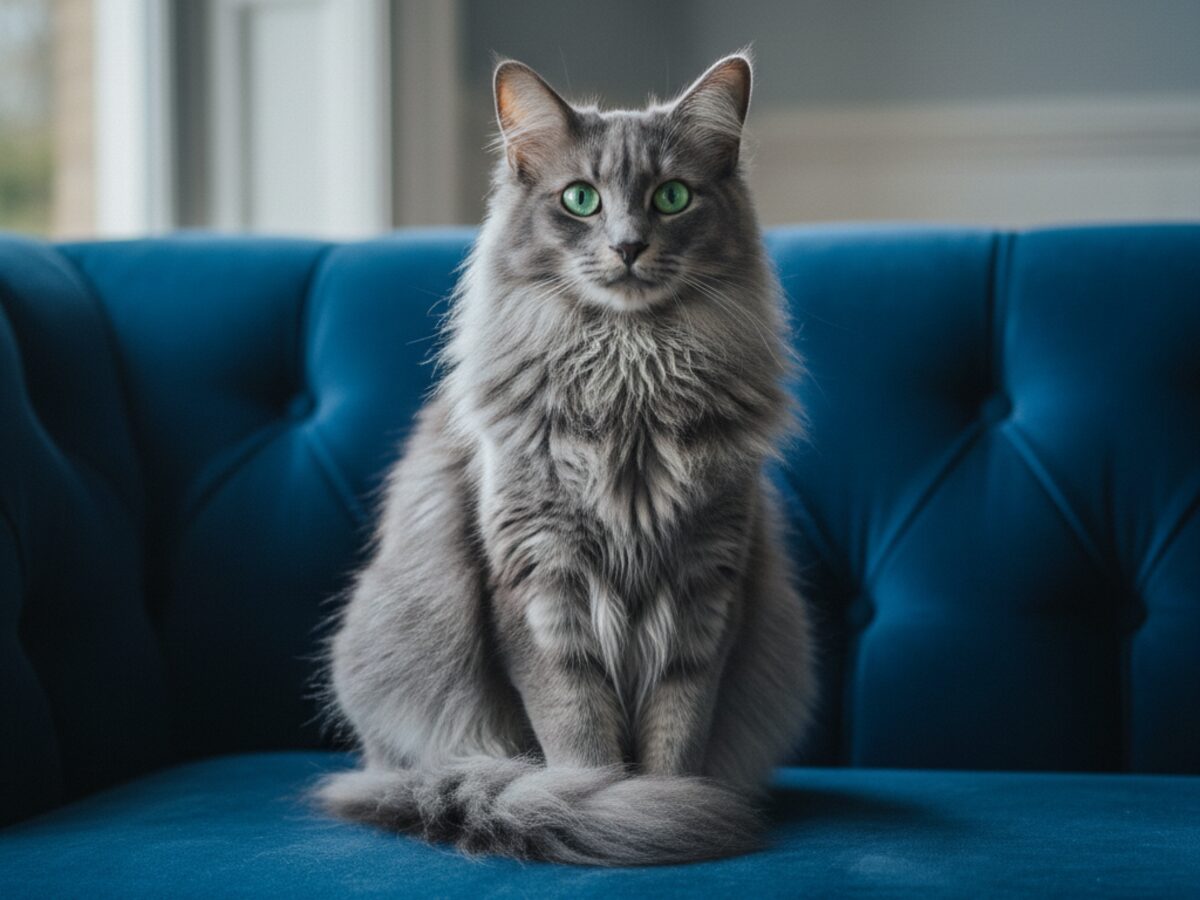
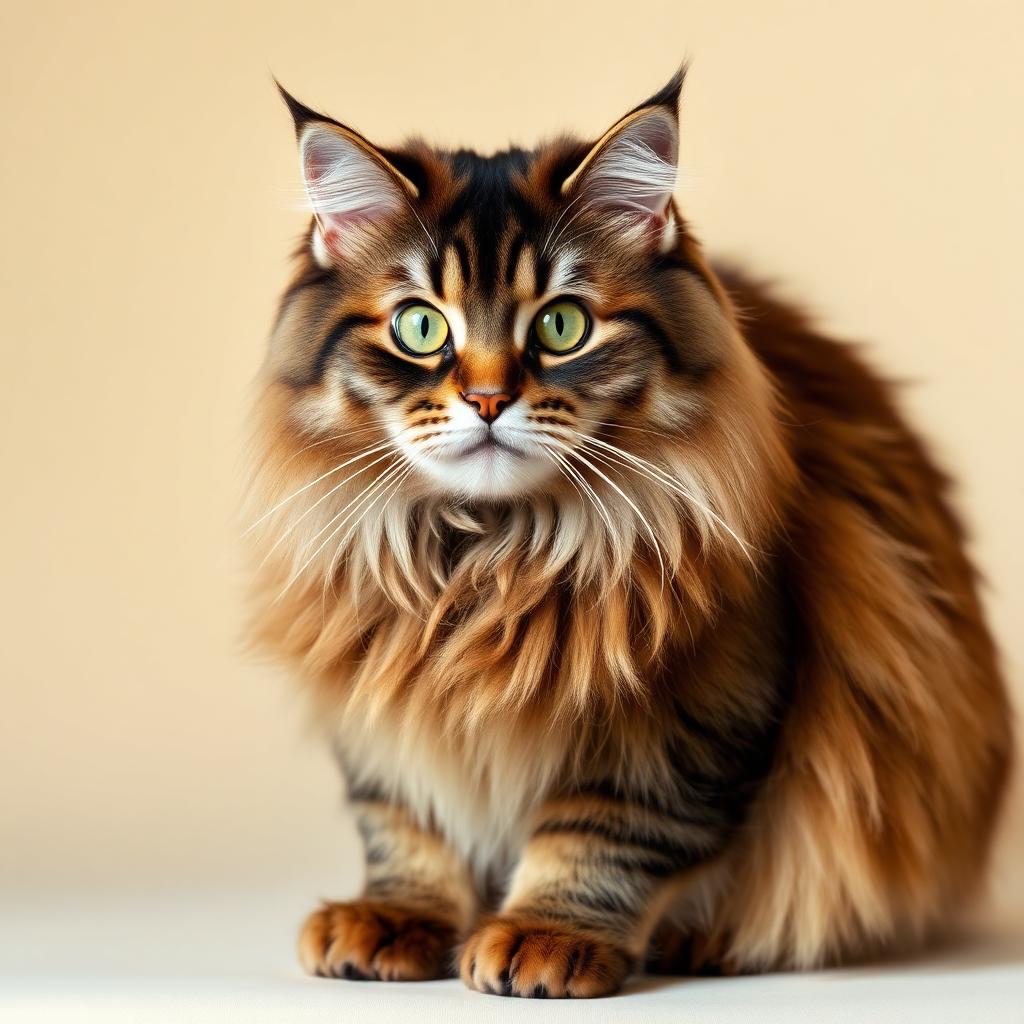
The Nebelung has a silky double coat: a medium to long topcoat and a soft undercoat. It is blue-gray in color with silver tips, giving it a shimmering, ethereal appearance, as if surrounded by mist. It is very distinctive and requires regular brushing.
Are Nebelungs playful?▾
Yes, they are playful but in a calmer, more cerebral way. They love puzzle toys, laser pointers (used in moderation and ending with a physical toy to "catch"), and wand toys. They enjoy games that make them think and stalk.
What is a Nebelung's personality like?▾
They are affectionate, loyal, and sensitive to their owners' moods. They can be somewhat shy with strangers, but once they trust, they are very attached and seek companionship quietly. They are not noisy or overly demanding; they prefer peace and routine.
Does a Nebelung need a lot of brushing?▾
Yes, their beautiful semi-long, double coat needs regular brushing, at least 2-3 times a week, to prevent tangles and mats. During shedding season, daily brushing may be necessary to keep their coat in optimal condition and reduce shedding.
Similar family-friendly breeds
 Hypoallergenic
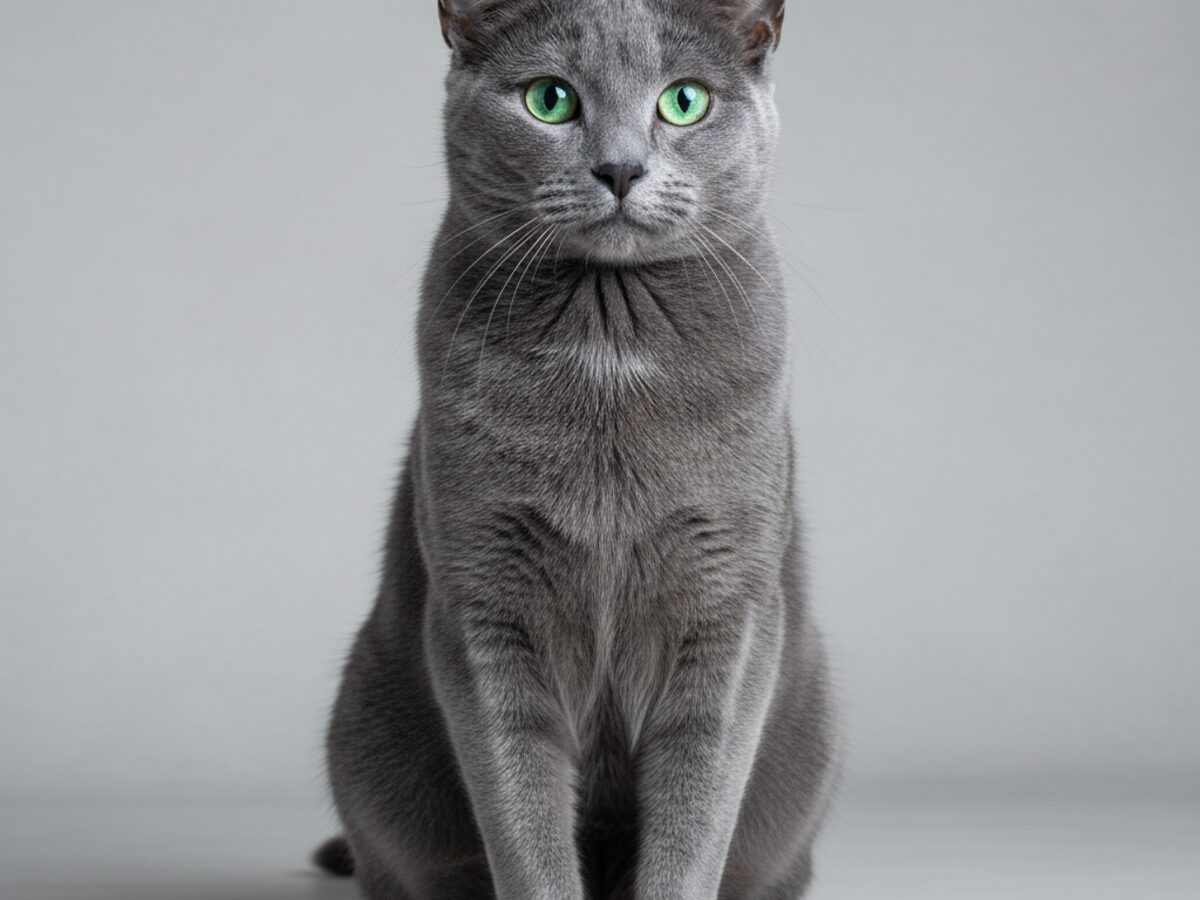
Russian Blue
9.0Silver-velvet coat and emerald-green eyes. Reserved but very loving with their people; low Fel d 1.
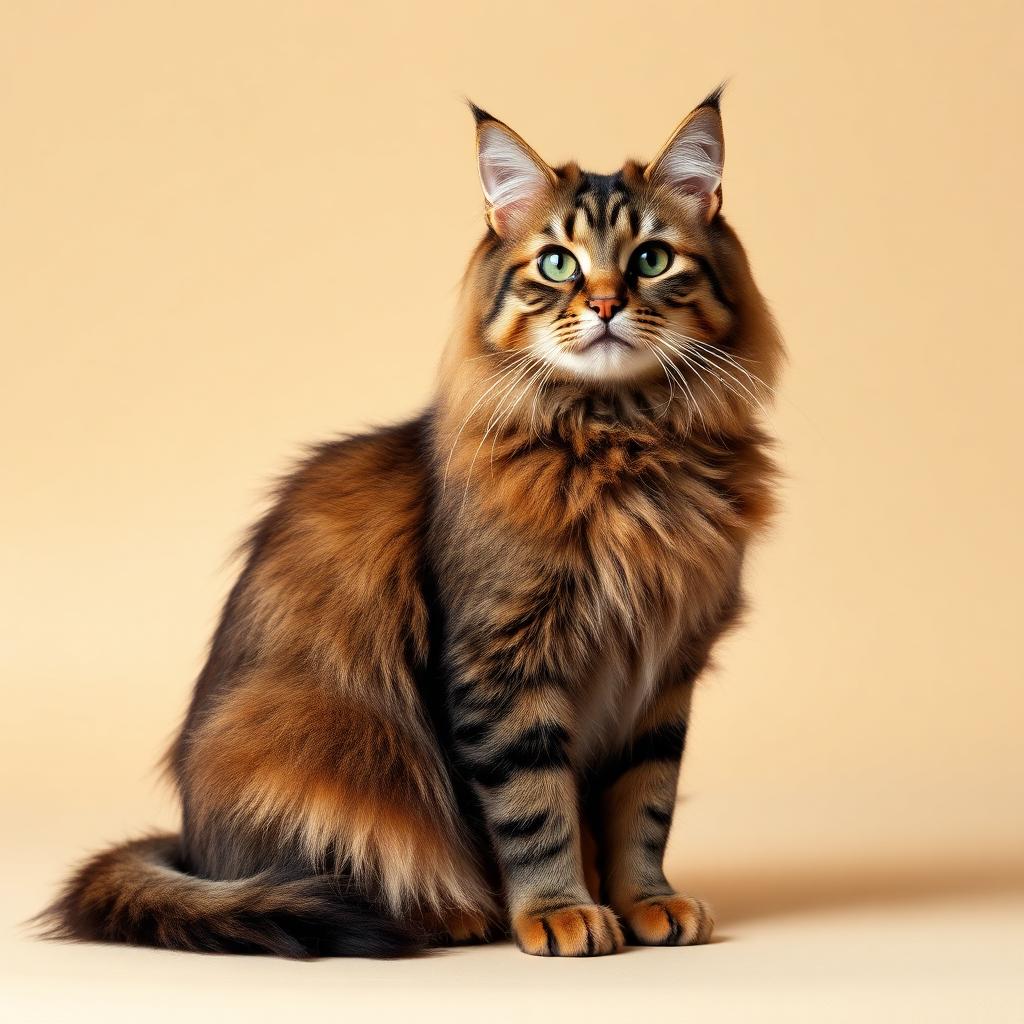
Maine Coon
9.7The gentle giant of the cat world: sociable, dog-like and very patient with kids. The semi-long coat needs brushing 2–3 times a week.
 Hypoallergenic
Siberian
9.2Best option for allergy sufferers: produces less Fel d 1 than average. Sturdy, playful and very cold-resistant thanks to a triple coat.