RagaMuffin
"The gentle giant with a heart of gold! Your fluffy, loving companion awaits."
Overview
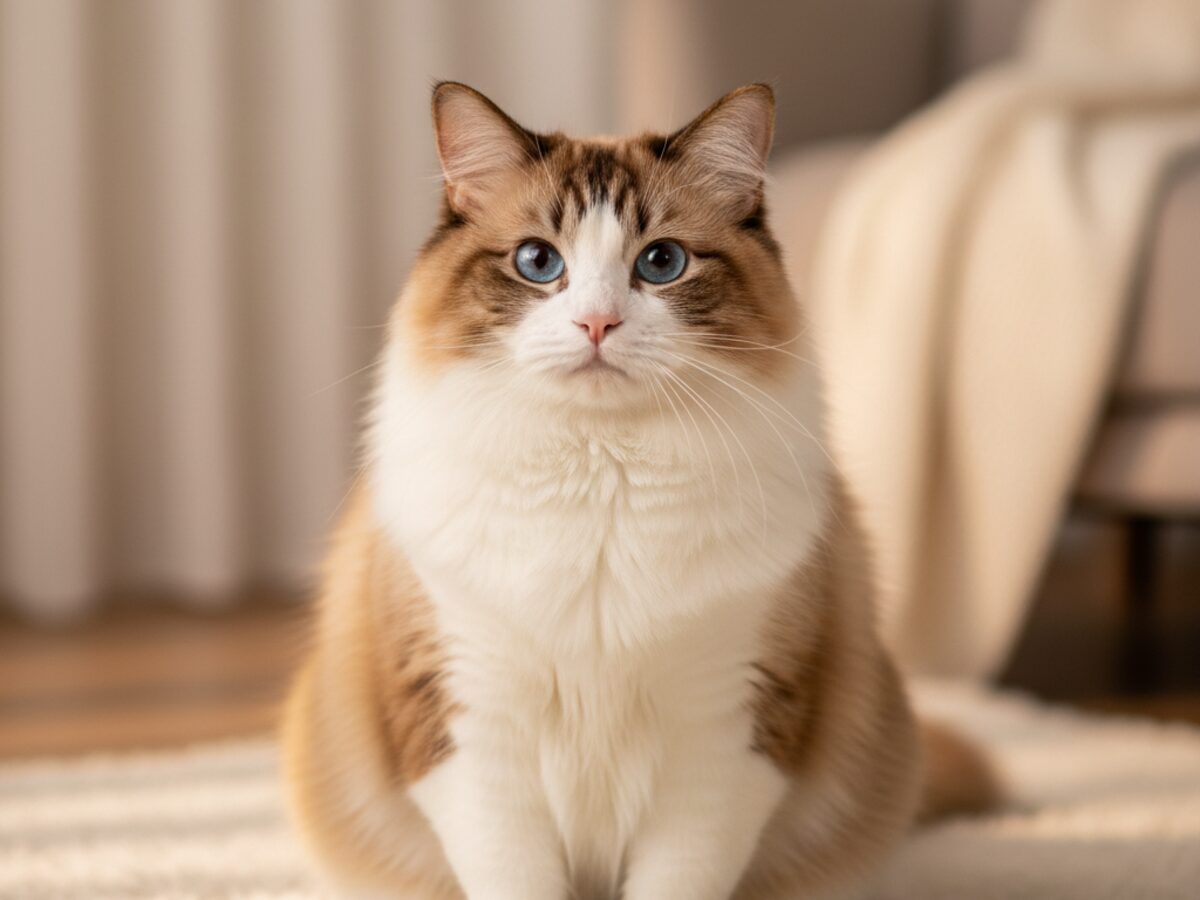
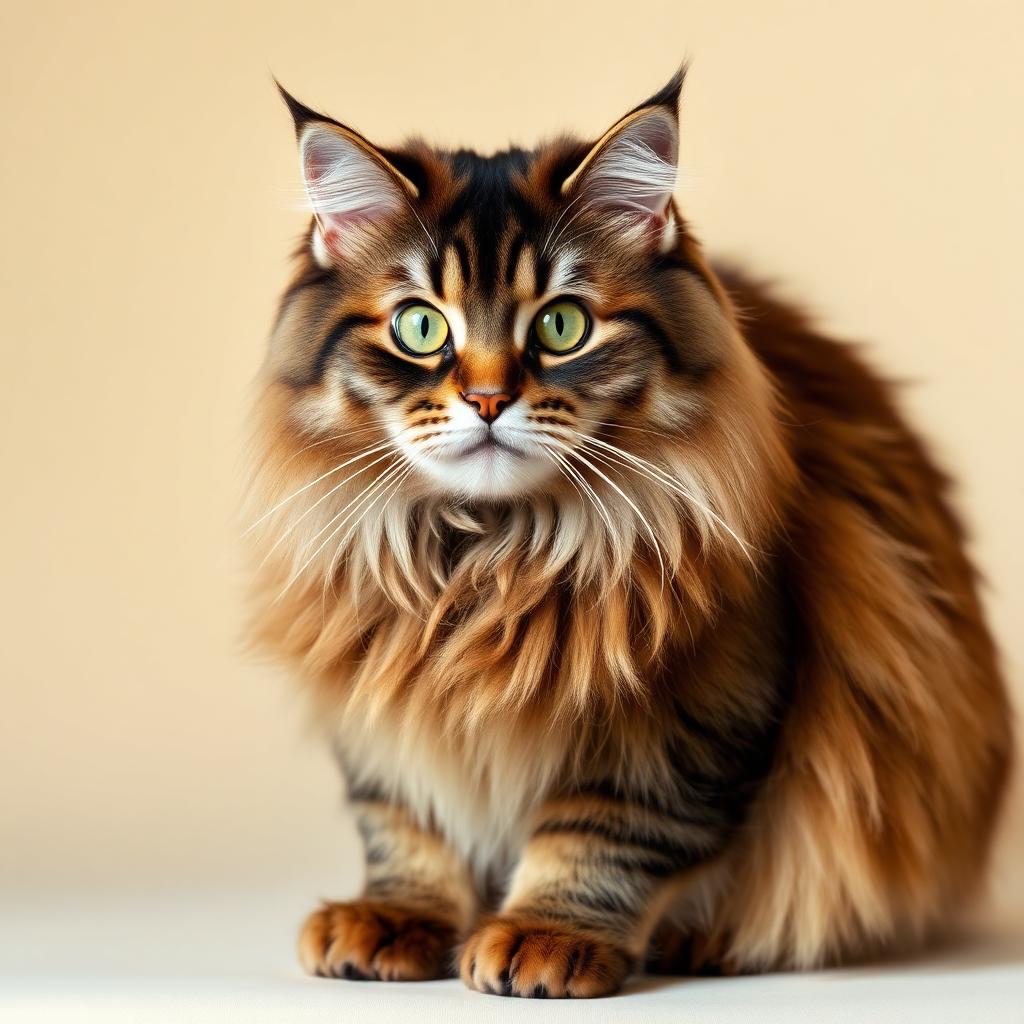
Explore the world of the Ragamuffin, a semi-longhaired cat breed known for its uniquely sweet and affectionate temperament, making it the perfect feline companion for families. Originating in the United States in the 1990s, these large, robust cats have won many hearts with their teddy bear appearance and constant desire for interaction and affection. Their history, linked to that of the Ragdoll, endowed them with diverse genetics and a wide range of coat colors and patterns, from traditional to more exotic, all enhanced by their large expressive eyes. They are excellent indoor cats, who enjoy company and can be easily trained with positive reinforcement. Their patience with children and good disposition towards other pets make them another member of the family, filling the home with love and tranquility.
Caring for a Ragamuffin requires regular brushing (2-3 times a week) to keep their silky coat tangle-free and healthy, and a high-quality diet suitable for large cats. Although generally healthy, it's crucial to be aware of hereditary conditions such as Hypertrophic Cardiomyopathy (HCM) and Polycystic Kidney Disease (PKD), with regular veterinary check-ups. They require attention and do not like prolonged loneliness, making them ideal for homes where someone is usually present or where they can socialize with other pets. Their activity level is moderate; they enjoy daily interactive play and toys that stimulate their minds. Consider a Ragamuffin if you are looking for a loyal and loving companion who will adapt to a family lifestyle and offer an inexhaustible source of cuddles.
At FamiCats.com, we understand the importance of choosing the right pet. The Ragamuffin is not just a beautiful cat; it's a gentle soul that integrates effortlessly into family dynamics. Its ability to get along well with children and other pets makes it stand out, truly a 'dog-like cat' that will follow you around the house and participate in your routines. While their acquisition price may be higher than other breeds, the investment is more than compensated with years of unconditional companionship and a calming presence. Their ease of training, even for simple tricks, adds a fun element to living together. Discover if the Ragamuffin is the perfect addition to your home; we promise their love and sweetness will win you over from the first moment. A living teddy bear purring by your side!
Key facts
- Size
- Large
- Weight
- 4–9 kg
- Life expectancy
- 12–16 years
- Daily exercise
- 20 min/day
- Estimated total
- 120€/month
- Country
- United States
Character & temperament
If you're looking for a cat that's more of a playmate and a living teddy bear, the Ragamuffin is your soulmate. Known for their incredibly sweet, docile, and affectionate temperament, these cats absolutely adore human company. They are often described as "dog-like" due to their tendency to follow their owners around the house, seeking attention and affection. They love to cuddle in your lap, sleep next to you in bed, and be a part of everything you do. They are very patient and tolerant animals, making them ideal for homes with children or where there's a lot of activity.
Living with children
Absolutely yes! Ragamuffins are wonderful with children and are often called the "St. Bernards" of the feline world due to their considerable size and incredibly gentle nature. Their patience is almost boundless, and they rarely use their claws, even if young children are being a bit louder or more enthusiastic than usual. These are cats who enjoy interaction and gentle play, making them ideal playmates for children of all ages, from preschoolers to teenagers, as long as the children are taught to be respectful and gentle with the animal. Supervising initial interactions is key to building that ideal relationship.
With other pets
Ragamuffins typically get along exceptionally well with other household pets, including dogs and other cats. Their calm and adaptable nature allows them to seamlessly integrate into multi-pet households. They are not competitive or territorial, and often enjoy the company of other living beings. It's always important to introduce new pets gradually and under supervision to ensure a harmonious transition, but generally, a Ragamuffin will be eager to make new furry friends.
Health & prevention
Generally, Ragamuffins are a robust and healthy breed, thanks in part to the genetic diversity introduced in their development. However, like all breeds, they can be prone to certain hereditary conditions. It is crucial for responsible breeders to conduct health screenings on breeding parents to rule out Hypertrophic Cardiomyopathy (HCM) and Polycystic Kidney Disease (PKD), some of the more common diseases in related breeds like the Persian and Ragdoll. To keep your Ragamuffin happy and healthy, regular veterinary visits for check-ups are essential, at least once a year. Ensure they receive their vaccinations on time, deworming, and flea and tick control. A balanced diet and regular exercise are also crucial to prevent obesity, which can lead to other health problems. With good care, your Ragamuffin can live a long and full life, often exceeding 12-15 years.
Health risks
- •Hypertrophic cardiomyopathy
- •Polycystic kidney disease
Care
Nutrition
Given that **Ragamuffins** are large cats with abundant fur, they need a high-quality diet that supports their health and the beauty of their coat. Opt for foods formulated for large cats or long-haired breeds, rich in animal proteins and with a good balance of vitamins and minerals. Consult with your veterinarian to determine the most suitable amount and type of food based on your cat's age, weight, and activity level. Dividing their meals into two servings a day will help keep their metabolism active and prevent overfeeding. And don't forget constant access to fresh water!
Grooming & hygiene
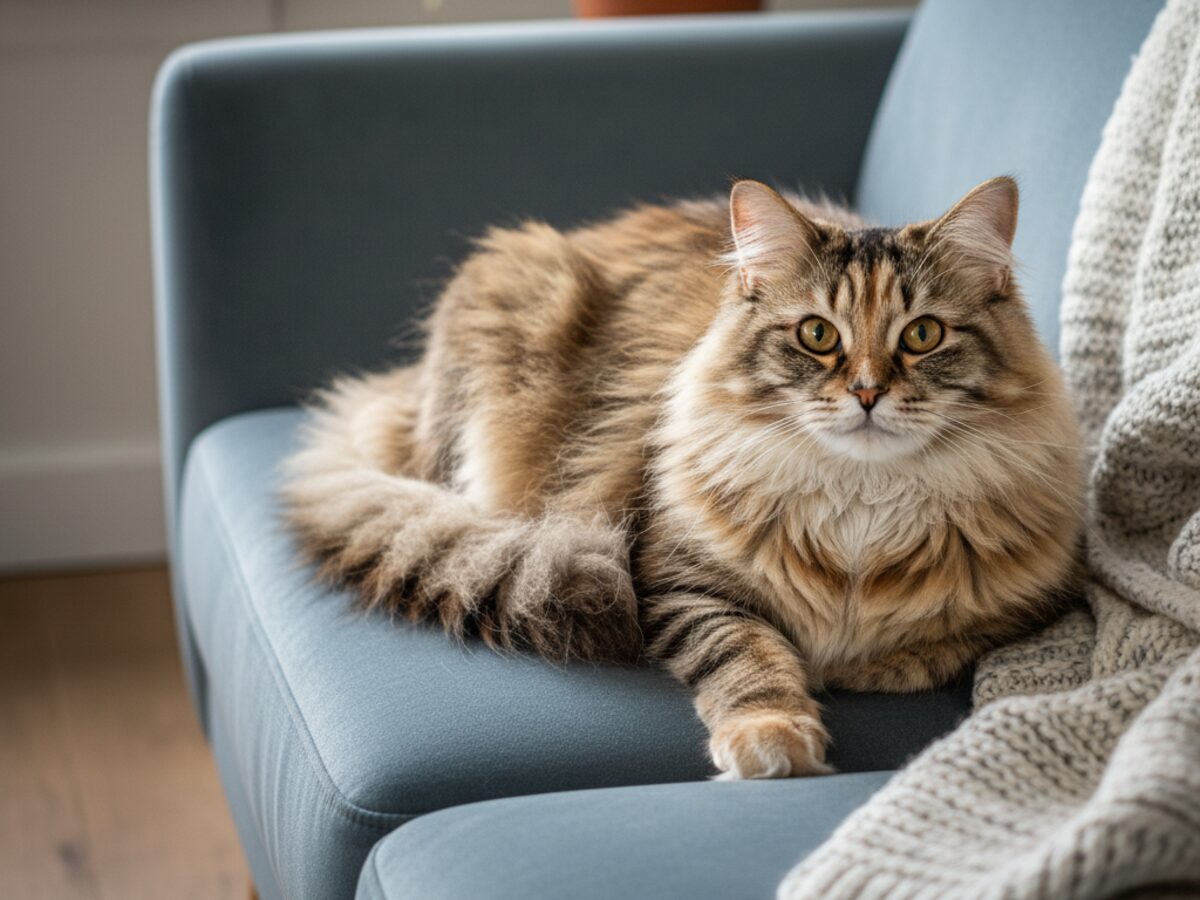
The beautiful semi-long coat of the **Ragamuffin** requires regular maintenance to keep it tangle-free and shiny. Brushing 2 to 3 times a week is ideal to remove loose hair and prevent matting, especially during shedding seasons. Its silky, dense texture, though not as prone to matting as a Persian's, greatly benefits from regular attention. Use a wide-toothed comb and a soft-bristled brush to protect their skin. While they don't need frequent baths, you can occasionally give them one if they get very dirty or to keep their coat in optimal condition. Make sure to use cat-specific shampoos and dry them completely. Additionally, trim their nails every few weeks and check their ears and teeth regularly. Getting your Ragamuffin accustomed to grooming from a kitten will make these sessions enjoyable for both of you, strengthening your bond.
Exercise & training
Exercise plan
Despite their large size and relaxed demeanor, **Ragamuffins** enjoy play and need activity to stay fit. They aren't the most energetic cats, but they love a good session of interactive play with their humans. Dedicate at least 20-30 minutes a day to playing with them using wand toys, laser pointers (with a physical reward at the end), or balls. They love to chase and pounce, which helps them burn energy and maintain good muscle health. They also appreciate puzzle toys that challenge their minds and climbing towers, even if they aren't the most agile climbers.
Training
Ragamuffins are highly intelligent and eager to please cats, which makes them surprisingly easy to train. You can teach them to fetch toys, come when called, and even walk on a harness – yes, just like a puppy! Always use positive reinforcement, such as treats and praise, to motivate them. Their sweet nature means they respond best to patience and kindness. Clicker training can be especially effective with this breed, and it's a great way to stimulate their mind and strengthen your bond.
Monthly cost
These are monthly estimates. Initial costs (kitten purchase, initial vet checks) are significantly higher. The price of a Ragamuffin from an ethical breeder can range from €800 to €1500 or more.
Estimate for Spain, healthy adult cat. Varies by region and provider.
Pros & cons
Pros
- ✓Extremely affectionate and gentle
- ✓Ideal for families with children and other pets
- ✓Calm and patient temperament
- ✓Very easy to train
- ✓Less prone to using claws
Cons
- !Requires regular brushing
- !Doesn't like being alone for long periods
- !Can be prone to obesity without exercise
- !High acquisition cost
Ideal for
- • Families with young children
- • Multi-pet households
- • First-time cat owners
- • People seeking an affectionate companion
- • Homes with ample space
Not recommended for
- • People who travel frequently
- • Homes where the cat will be alone most of the day
- • Those who dislike regular brushing
- • Very small living spaces
How it fits each scenario
Yes, they adapt well to apartments if they receive enough attention and stimulation. They are calm indoor cats.
They are ideal for houses with gardens, but should be indoor cats due to their trusting nature and to protect their coat.
They can live in hot climates, but need air conditioning and to avoid sun exposure to prevent overheating.
Perfect for cold climates, their dense coat provides excellent insulation. They enjoy warm interiors and cuddles on the couch.
Excellent. Their infinite patience and gentle nature make them ideal for toddlers, under supervision.
Magnificent playmates and study companions. They enjoy interaction and will follow children around the house.
Yes, their docile temperament and easy handling make them a fantastic choice for first-time owners.
Absolutely, a Ragamuffin will be appreciated for its companionship and sweet personality.
They adapt well, enjoying interactive games, but also appreciate relaxation time. They are not hyperactive.
Not ideal. They need attention and don't like being alone for long. They might get lonely.
They are not hypoallergenic. They shed and are not suitable for people with severe cat allergies.
Not the most economical option due to acquisition cost and coat maintenance expenses.
Origin & history
The history of the Ragamuffin is deeply intertwined with that of the Ragdoll, although it is a recognized breed in its own right with distinct characteristics. It originated in the 1990s in the United States, when a group of breeders decided to broaden the Ragdoll's gene pool by adding different breeds such as the Persian, Himalayan, and domestic long-haired cats. The goal was to create a breed with an even greater diversity of coat colors and patterns, and to improve certain health characteristics, while maintaining the sweet and docile temperament that families love so much. This decision led to a fun and friendly split from the original Ragdoll association, officially giving birth to the "Ragamuffin". Although its name might sound a bit like "street urchin" or "dishevelled," it’s actually a playful name chosen by breeders to differentiate it and add a touch of unique charm. Unlike its Ragdoll relative, the Ragamuffin has a wider range of colors and patterns, as well as a breed standard that allows for greater variety in facial structure and coat type, while always maintaining that plush toy appearance. They are robust, large, and muscular cats, with a sweet and friendly expression that invites cuddles. They are a relatively new addition to the feline world, but have quickly won hearts worldwide thanks to their extraordinary personality.
Though their name "Ragamuffin" (meaning 'scrappy' or 'rascal') might sound mischievous, don't be fooled! This name was chosen as a playful nod to their origin, but their personality is quite the opposite: they are the sweetest, most cuddly cats you can imagine, more like the gentle giant characters from Disney movies than a mischievous scamp. They are true teddy bears with whiskers!
Frequently asked questions
Is the Ragamuffin a good lap cat?▾
Absolutely! They are known for being extremely affectionate and love to curl up in their owner's lap for cuddles and attention. They are the perfect companion for movie nights or reading a book on the couch. Their docile nature and love for human company make them the king of the lap.
Do Ragamuffins get along with dogs?▾
Yes, it's one of their standout characteristics. Ragamuffins are famous for their ability to live harmoniously with dogs and other pets. Their temperament is so sweet and relaxed that they rarely show aggression or territoriality, making them an excellent addition to a multi-species household. A gradual and supervised introduction is always recommended.
How much brushing does a Ragamuffin need?▾
Their semi-long, dense coat requires brushing 2 to 3 times a week to prevent tangles and mats. During shedding season, they may need daily brushing. Although their coat is easier to maintain than some long-haired breeds, consistency is key for its shine and health.
Are Ragamuffins active or lazy?▾
They lean more towards relaxed. They enjoy periods of play and activity, but they are not hyperactive cats. They prefer to cuddle at home and participate in quiet family activities, as long as they get enough daily stimulation.
Are Ragamuffins good for first-time owners?▾
Yes, they are an excellent choice. Their docile, patient, and easy-to-handle temperament makes them ideal for first-time cat owners. Furthermore, they are very adaptable and easily forgive small mistakes that first-time owners might make.
Do Ragamuffins meow a lot?▾
No, they are not known for being overly vocal. They have a soft, melodious voice and will only meow to express their needs, greet, or politely ask for attention, without being noisy or insistent.
How does the Ragamuffin's personality compare to the Ragdoll's?▾
Both breeds are known for being extremely sweet and docile. However, Ragamuffins are generally described as a bit more playful and adventurous than Ragdolls, who are often more known for their "rag doll" nature when picked up. Ragamuffins also have a greater diversity in coat colors and patterns.
Similar family-friendly breeds
Ragdoll
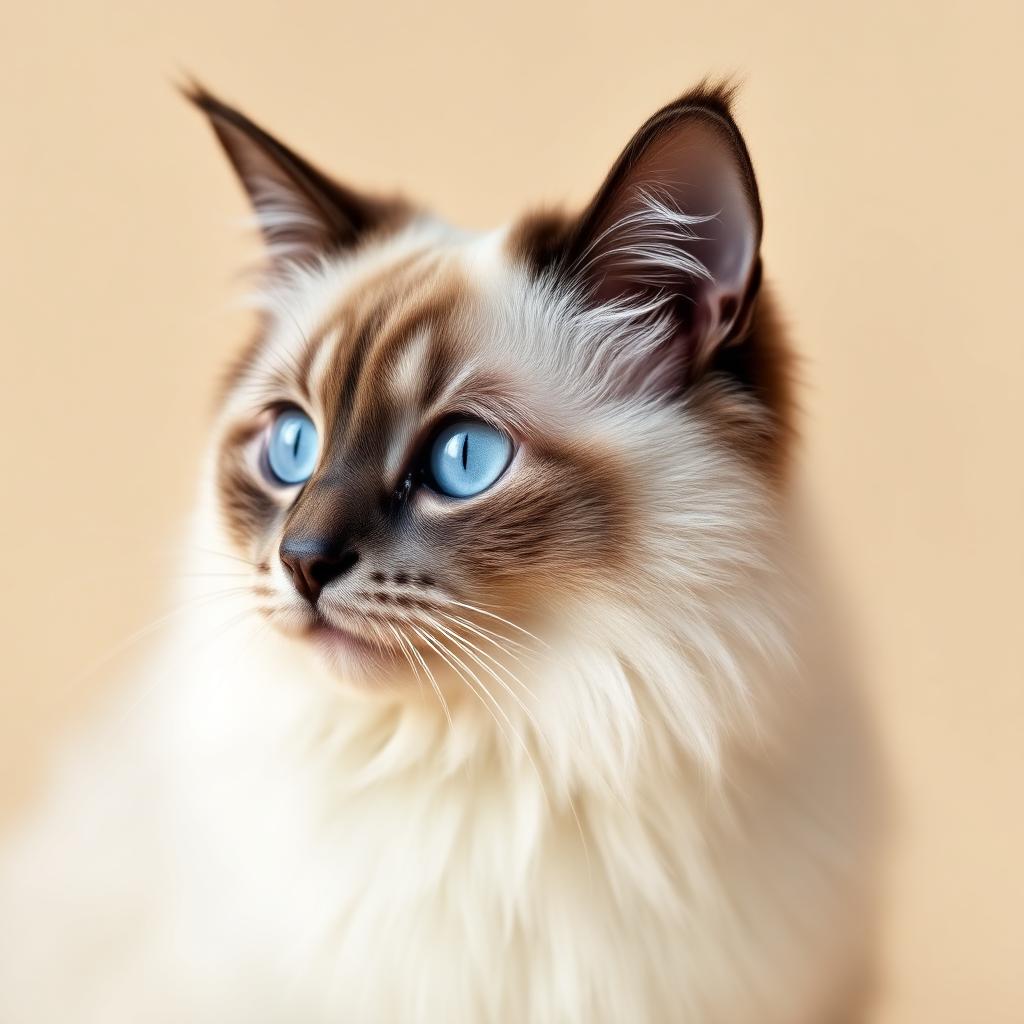
9.6The name says it all: goes limp like a rag doll when picked up. Affectionate, docile and perfect for families with kids.
Maine Coon
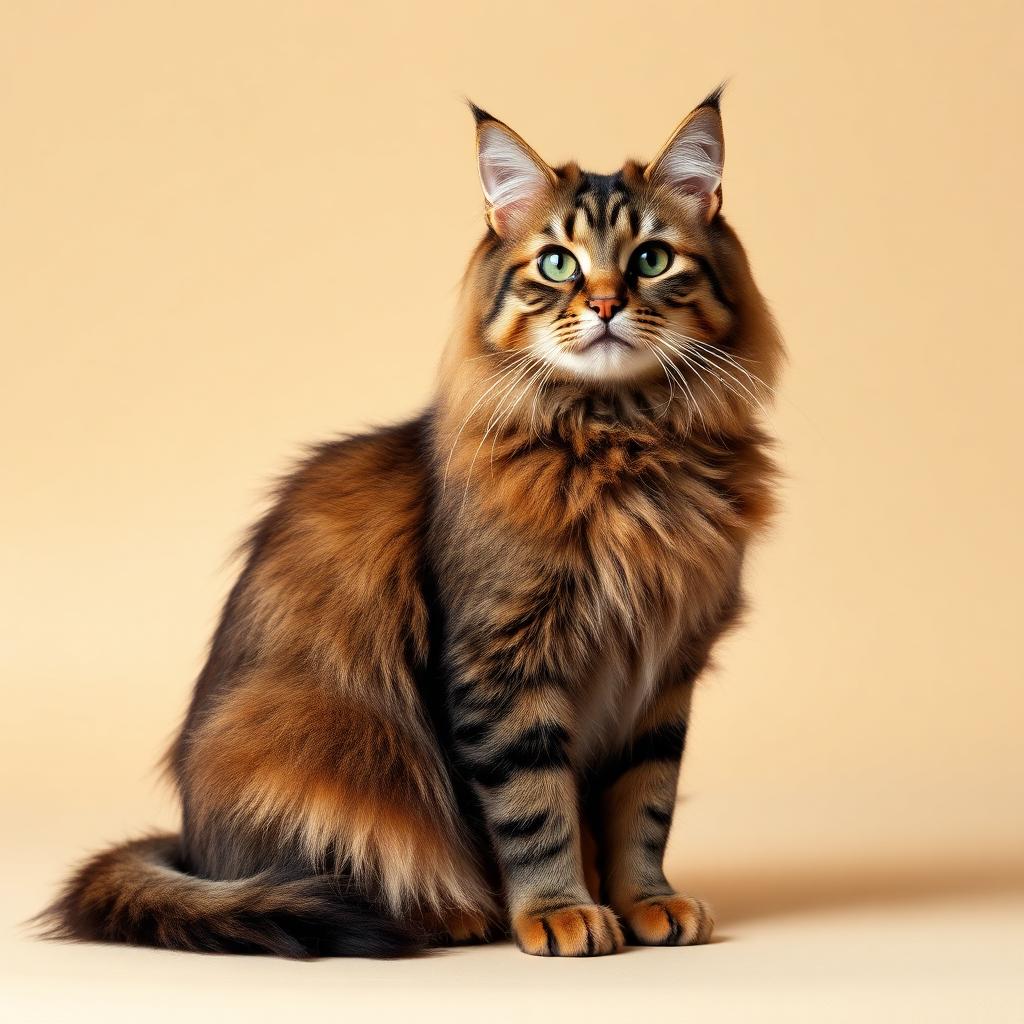
9.7The gentle giant of the cat world: sociable, dog-like and very patient with kids. The semi-long coat needs brushing 2–3 times a week.
 Hypoallergenic
Siberian
9.2Best option for allergy sufferers: produces less Fel d 1 than average. Sturdy, playful and very cold-resistant thanks to a triple coat.