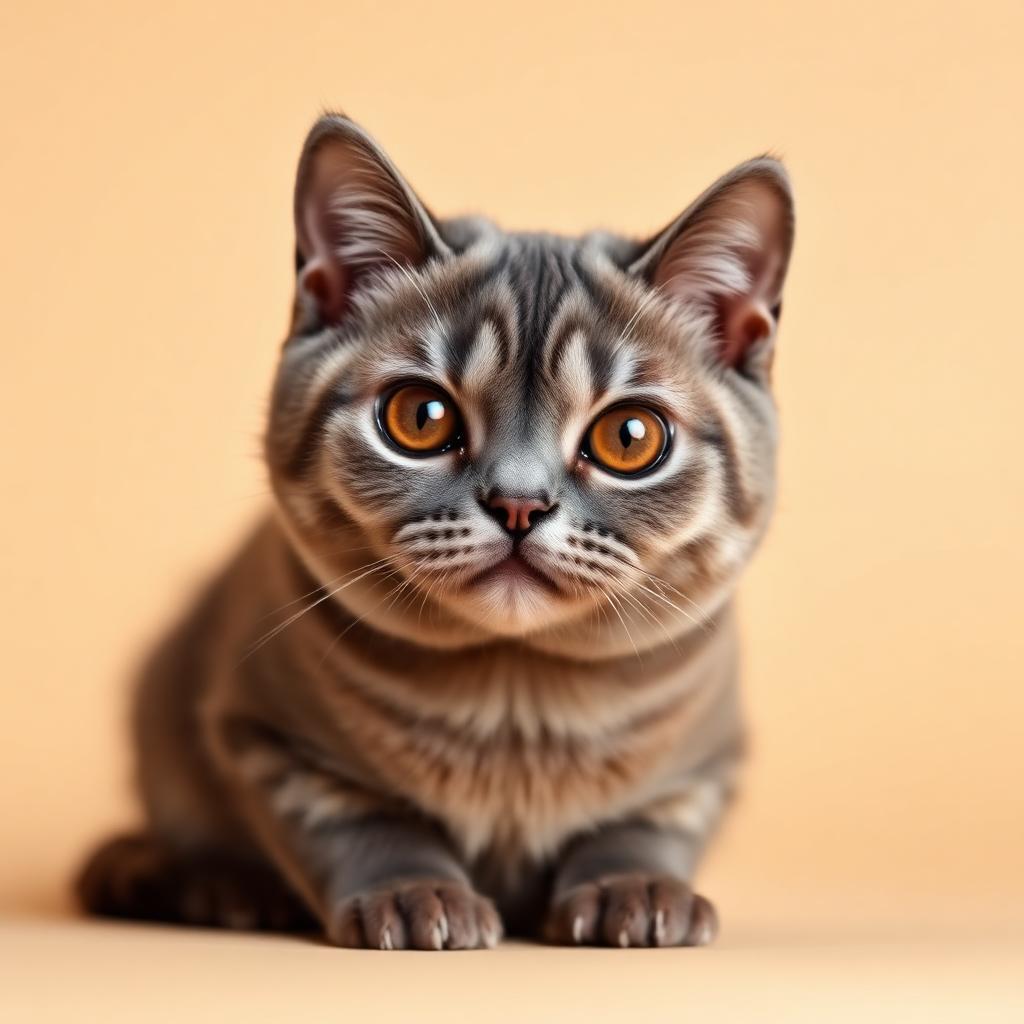
Scottish Fold
"The folded charm, with a necessary reflection on its health."
Overview
The Scottish Fold is a cat breed that has gained worldwide popularity thanks to its distinctive appearance and affectionate nature. Its ears, which fold forward and downward, give it an adorable look that many find irresistible. However, it is crucial to understand that this much-prized characteristic is the result of a genetic mutation called osteochondrodysplasia. This condition affects cartilage and bone, and while it is clearly manifested in the ears, it also impacts the joints throughout the cat's body, causing health problems that can vary in intensity. Thorough research and choosing responsible breeders who prioritize the health and well-being of the animals is essential to ensure as full a life as possible for these felines.
The personality of the Scottish Fold is another of its great attractions. They are generally calm, affectionate, and very adaptable to family life. They enjoy the company of their humans and are not usually excessively demanding. Their peaceful nature makes them excellent companions for homes with children or elderly people. They are often described as observant and curious cats, who enjoy participating in family activities from a background position. Despite their sweetness, it is important to remember that, like all cats, they need mental and physical stimulation through play and environmental enrichment to stay happy and healthy.
One of the main ethical concerns with the Scottish Fold lies in its genetics. All cats of this breed, without exception, carry the gene that causes osteochondrodysplasia. This means that all Scottish Folds have some degree of joint problems, although symptoms may not be visible until later in life or may be so mild that they go unnoticed. That is why many veterinary and animal welfare organizations advise against breeding this race. If you are considering adopting a Scottish Fold, it is vital that you are prepared for the possible veterinary needs that will arise throughout its life, including treatments for joint pain or mobility therapies.
When considering a Scottish Fold as a pet, it is imperative to learn about the implications of its genetic condition. A cat of this breed will require regular veterinary attention and, possibly, specific management of its environment to facilitate its mobility if the joint problem progresses. Despite the health complications, their sweet nature and great adaptability have made them a popular choice for many families. However, the animal's well-being should always be prioritized over its aesthetics, thoroughly investigating the ethical and health implications before making an informed decision. Responsible adoption is key to ensuring a good quality of life for these adorable felines.
Character & temperament
Scottish Folds are known for their sweet and affectionate nature. They are very calm cats who enjoy the company of their families and often seek interaction and petting. They are not cats that need to climb curtains or run excessively energetically throughout the house; instead, they prefer to observe family hustle and bustle from a comfortable spot. Their patience makes them excellent companions, always willing to curl up on their humans' laps.
Regarding strangers, the Scottish Fold is usually tolerant and curious, but not necessarily immediately effusive. They may be a bit reserved at first, observing new visitors from a distance until they feel comfortable. Once they have become familiar, they may approach to seek attention or simply settle nearby to be part of the interaction. They are not aggressive or extremely shy cats, but rather prefer to assess the situation before participating fully.
For the owner, a Scottish Fold is a loyal and devoted companion. They form strong bonds with their owners and may follow them from room to room, supervising their daily activities. They enjoy interactive games, although their play sessions are usually more moderate than those of more athletic breeds. They will value routine and a calm environment where they can feel safe and loved. Their intelligence and adaptability make them an ideal pet for owners seeking a calm and affectionate companion.
Living with children
The Scottish Fold is compatible with children due to its calm and patient temperament. It is vital to teach children to interact with respect, as, like all cats, they prefer gentle handling, especially given their joint sensitivity. Supervision is key to ensuring harmonious coexistence and preventing any unnecessary stress for the cat.
With other pets
This breed usually gets along well with other calm cats and dogs if proper introductions are made. Their peaceful nature makes them adaptable, but initial caution and supervision are always necessary. Regarding small rodents or birds, their hunting instinct, although moderate, requires coexistence under strict supervision or it is best to avoid it for the safety of smaller animals.
Health & prevention
The health of the Scottish Fold is intrinsically linked to the gene for its folded ears, which causes osteochondrodysplasia. This condition manifests in all individuals of the breed, affecting cartilage and bones, leading to an increased risk of painful joint diseases such as arthritis and osteoarthritis, especially in the paws, tail, and spine. Symptoms can vary in severity and age of onset. Regular veterinary follow-up, a diet that supports joint health, and avoiding activities that put excessive pressure on their joints are crucial. Some countries have banned their breeding for ethical reasons due to this genetic condition. A responsible breeder will prioritize health and provide full genetic testing and family history.
Health risks
- •Osteochondrodysplasia (affects every Fold)
- •Hypertrophic cardiomyopathy
- •Arthritis
Care
Nutrition
An adult Scottish Fold weighing 3-6 kg will need between 50 and 90 grams of high-quality dry food per day, supplemented with wet food, specially formulated for joint health. It is essential to consult the veterinarian to adjust the quantities according to their activity level and health condition. Ensure fresh water is always available and consider joint supplements under professional supervision.
Grooming & hygiene
The short-haired Scottish Fold requires weekly brushing to remove dead hair and keep its coat in good condition. Baths are occasional, only when necessary. It is important to check and gently clean their ears regularly due to their folded shape, which can accumulate wax. Nails should be trimmed every 2-4 weeks, and dental hygiene is crucial. The monthly cost would be around 10-20 EUR, mostly for basic products.
Exercise & training
Exercise plan
Scottish Folds are not extremely active cats, but they need daily play sessions of 15-30 minutes to stay stimulated. They tend to be more playful in their youth. They enjoy interactive toys, laser pointers (with a ball at the end for a 'hunting close'), and scratching posts with different heights. Given their predisposition to joint problems, excessively high jumps or games involving sudden movements should be avoided to protect their joints.
Training
Scottish Folds are intelligent cats and can be trained, especially if started young. They easily learn litter box use and can adapt to wearing a harness for supervised walks. Clicker training is an effective method to teach them simple tricks and encourage desired behaviors. Their calm nature makes them receptive to positive reinforcement and short, fun learning sessions.
Monthly cost
Veterinary costs may be higher due to the predisposition to joint problems, including possible medications or therapies. Insurance is highly recommended.
Estimate for Spain, healthy adult cat. Varies by region and provider.
Pros & cons
Pros
- ✓Extremely affectionate and sweet
- ✓Calm and adaptable temperament
- ✓Good with children and other pets
- ✓Quiet meow, soft voice
- ✓Unique and adorable appearance
Cons
- !Predisposition to severe joint problems (osteochondrodysplasia)
- !Ethical concerns about its breeding
- !Requires specialized veterinary care
- !Can be sensitive to sudden movements
- !Less active, may tend to be sedentary
Ideal for
- • Quiet families
- • Sedentary or elderly people
- • Homes with respectful children
- • Owners committed to health care
Not recommended for
- • Very active or noisy families
- • First-time owners without having researched their health
- • Homes with unprotected small animals
How it fits each scenario
Its calm nature makes it ideal for apartments, as long as it is provided with the necessary stimulation and comfort.
It can live in houses with a garden, but it must be a safe garden and it is not recommended to leave it alone outdoors for its safety and health.
It is suitable for hot climates, but like most cats, it needs access to shade, fresh water, and cool indoor environments.
Its coat protects it in cold climates, but as an indoor cat, it should always have access to a warm place protected from extreme cold.
It can be suitable, but always with strict supervision and teaching children to be extremely gentle due to the cat's joint sensitivity.
They are excellent companions for school-aged children who understand how to interact respectfully and calmly with a cat.
Only for first-time owners who are very well informed and committed to the breed's specific health needs.
Ideal for experienced owners who can properly manage the potential medical and ethical needs of the breed.
Not ideal for overly active families, as it prefers a calmer and more serene environment.
It can adapt to busy families if quality time is dedicated to it and its health needs are managed.
It is not a hypoallergenic breed, so it is not suitable for people with severe cat hair allergies.
Not the best option due to the potentially high cost of veterinary care associated with its genetic condition.
Origin & history
The first known Scottish Fold was a barn cat named Susie, born in 1961 in Scotland with unusually folded ears. Her owner, Mary Ross, was fascinated by this characteristic and began a breeding program. The breed was recognized in the UK in the early 1970s, but concerns soon arose about health problems associated with the folded ear gene, leading to the breed's disapproval by most European feline associations. However, in North America, the breed continued to develop, being outcrossed with British Shorthairs and American Shorthairs to widen the gene pool and became one of the most beloved breeds.
Despite its Scottish lineage, its popularity in Europe was severely limited due to ethical health concerns, thriving mostly in North America.
Frequently asked questions
Why are Scottish Fold's ears folded?▾
The folded ears are the result of a spontaneous genetic mutation that affects cartilage. This gene, responsible for the aesthetics of their ears, is also what causes osteochondrodysplasia, a disease that affects the joints throughout their body.
Do all Scottish Folds have health problems?▾
Yes, all Scottish Folds inherit the osteochondrodysplasia gene, meaning all of them have some degree of joint involvement, although the severity of symptoms may vary and not always be immediately apparent. Their prognosis is that they will develop mobility problems and pain over time.
Are Scottish Folds good with children?▾
Yes, they are generally very good with children due to their patient and calm nature. However, it is essential to teach children to be careful and respectful with them, especially given their underlying joint problem which makes them sensitive to rough handling.
What kind of grooming do they need?▾
Short-haired Scottish Folds require weekly brushing. Special attention should be paid to their folded ears to keep them clean and free of wax buildup. Dental hygiene and regular nail trimming are also important. Baths are only occasional.
Are they active cats?▾
They are not among the most active cats; they are rather calm and prefer moderate play. They enjoy short sessions of interactive play and observing their surroundings. Due to their joint problems, games involving jumps or sudden movements should be limited.
Can Scottish Folds live with other pets?▾
Yes, they usually coexist harmoniously with other calm cats and dogs if introduced properly. Their peaceful nature makes them adaptable, but initial supervision is always advisable. Caution should be exercised with very small pets due to their hunting instinct.
Is Scottish Fold breeding ethical?▾
Due to the osteochondrodysplasia that affects all individuals and causes pain and mobility problems, Scottish Fold breeding is subject to intense ethical debate. Many veterinary and animal welfare organizations advise against it. It is crucial to be thoroughly informed of these ethical implications before considering acquisition.
Are Scottish Folds affectionate?▾
Yes, they are known for being very affectionate cats who are attached to their owners. They enjoy human company and often seek petting and lap sitting. They are loyal companions who enjoy family life.
What is the life expectancy of a Scottish Fold?▾
The life expectancy of a Scottish Fold is usually 12 to 15 years. However, their quality of life can be affected by joint problems associated with osteochondrodysplasia, which may require constant veterinary care throughout their lives to manage pain and mobility.
Similar family-friendly breeds
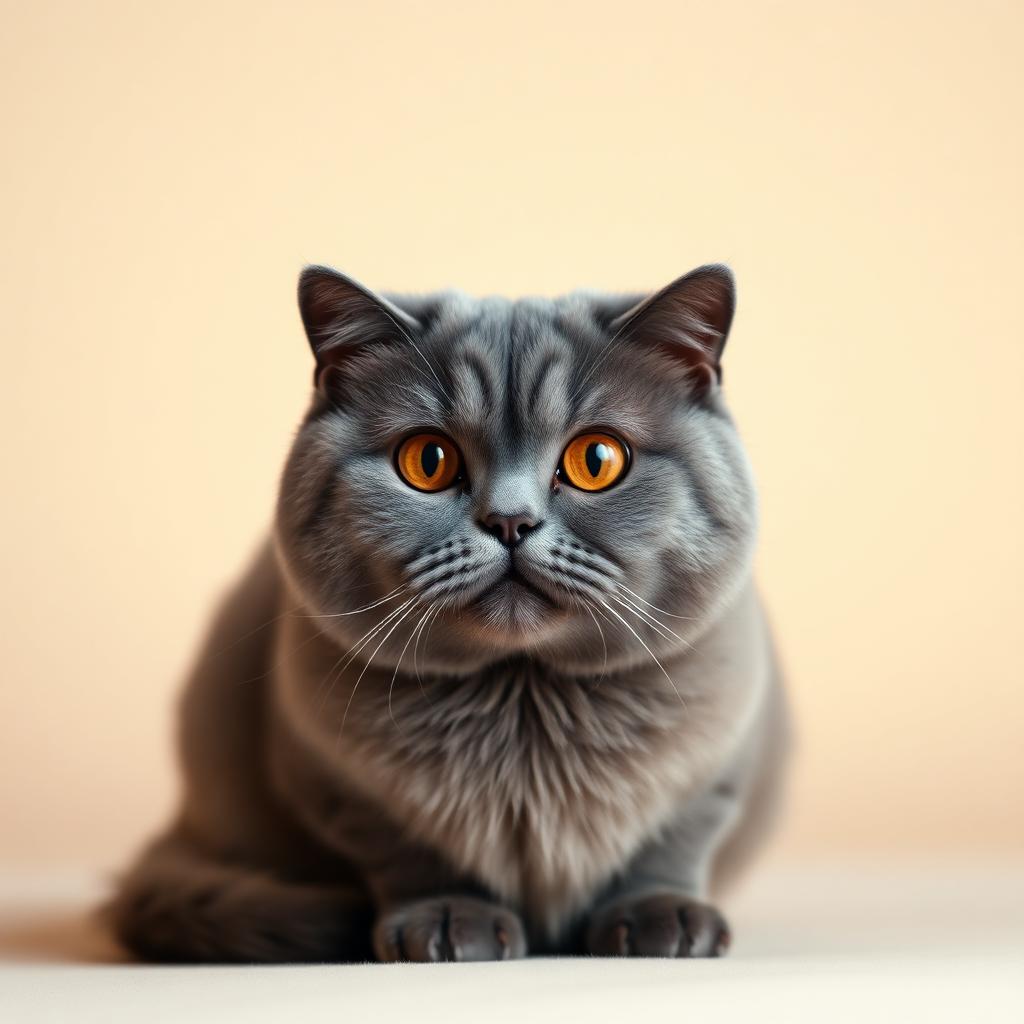
British Shorthair
9.5Calm, plush teddy-bear cat and very flat-friendly. Independent without being aloof: likes being near you, not on you.
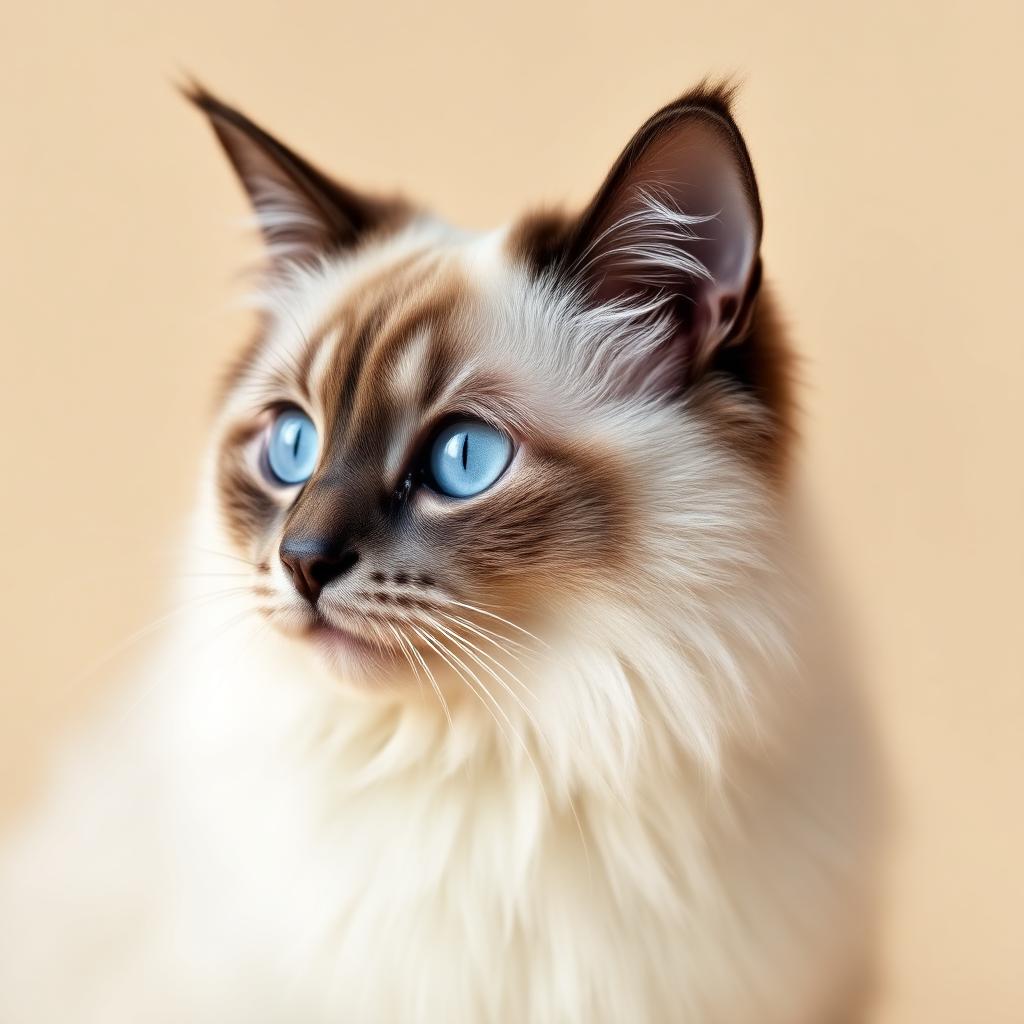
Ragdoll
9.6The name says it all: goes limp like a rag doll when picked up. Affectionate, docile and perfect for families with kids.
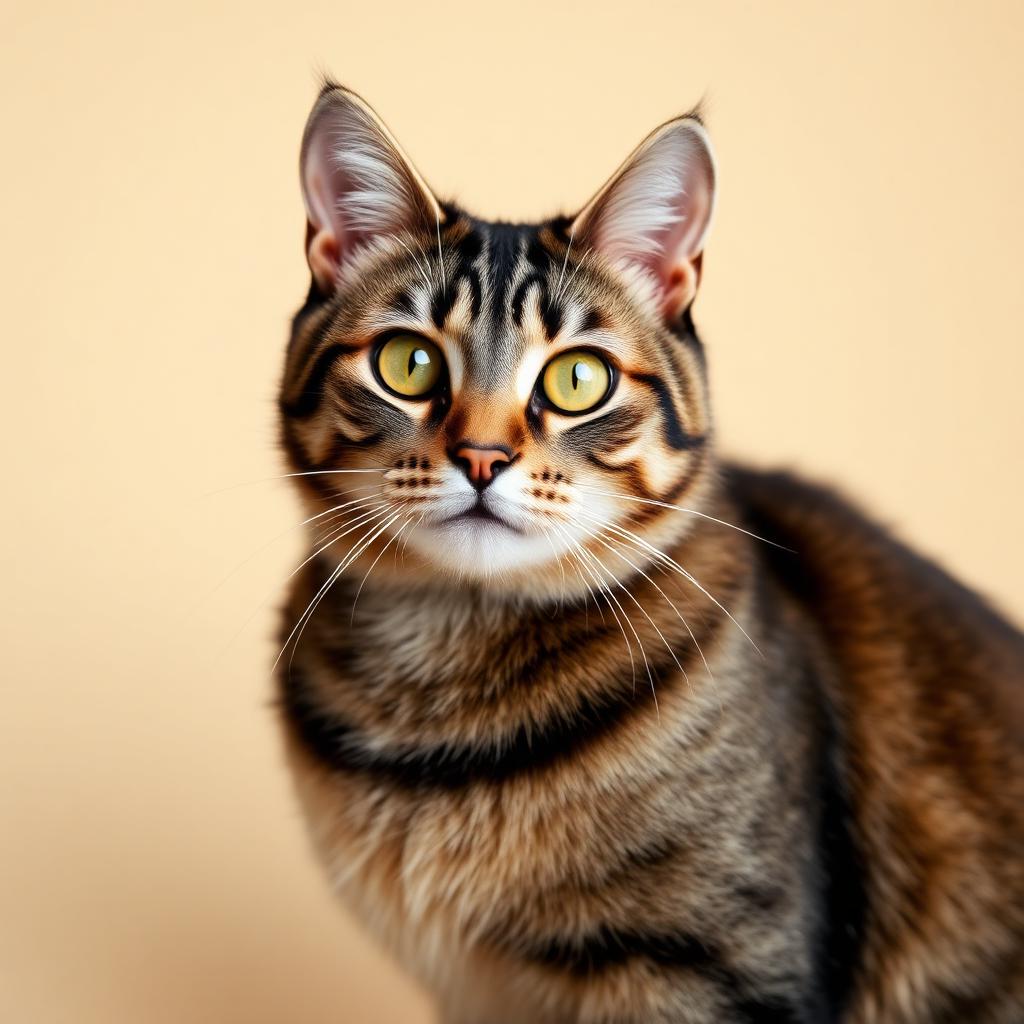
European Shorthair
9.3The classic alley cat: healthy, adaptable and full of personality. Best value pick and the easiest to adopt from shelters.