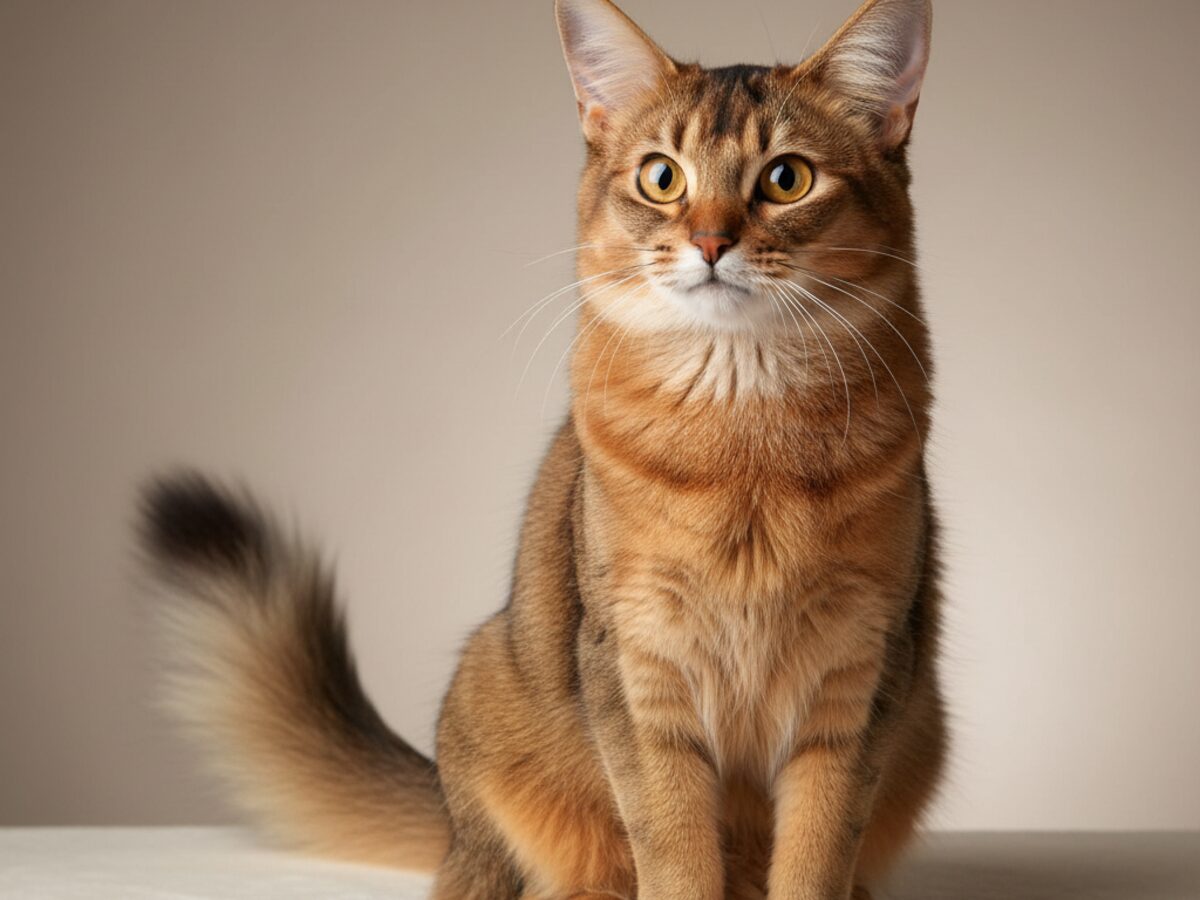
Somali
"The spirit of the jungle, right in your living room!"
Overview
The Somali is a fascinating cat breed, known for its beauty, intelligence, and exuberant personality. If your family is looking for a feline companion that is sociable, playful, and full of energy, the Somali could be the perfect choice. Originating from the United States and Canada, this semi-long-haired cat is a close relative of the Abyssinian but is distinguished by its longer coat and distinctive bushy tail, which has earned it the affectionate nickname 'Fox Cat'. Its attractive appearance, with a soft, silky coat that requires regular brushing (two to three times a week), makes it a low-maintenance pet in terms of hair care, ideal for families who want a striking cat without the demanding grooming of a Persian.
The Somali's personality is its most outstanding characteristic. They are extremely active, curious, and affectionate cats that thrive on human interaction and play. They love being the center of attention and often follow their humans around the house, participating in all activities. This breed is ideal for families with children, as their patience and enthusiasm for play make them excellent companions for the little ones. With toddlers, it's important to teach them to interact gently, while with school-aged children, the Somali will become a tireless playmate, even learning tricks and playing fetch.
In addition to being good with children, Somalis integrate well with other pets, including other friendly cats and dogs, provided they are introduced correctly. They need a significant amount of mental and physical stimulation, so it's essential to provide them with plenty of interactive toys, tall scratching posts, and opportunities to climb and explore. A bored Somali can become mischievous, so make sure to keep their mind and body busy. Consider clicker training or harness walks to add variety to their routine. A high-quality, protein-rich diet and regular veterinary visits are essential to maintain their health.
If your family is active and looking for a furry companion that is an integral member of the household, not just an ornament, the Somali is a wonderful option. Their intelligence will surprise you with their ability to learn tricks, and their affection will bring you years of love and companionship. While they may not be the best choice for homes with very busy owners or those who prefer a tranquil cat, for the right family, a Somali is a vibrant, life-filled, and joyful addition that will transform your home into a space full of adventures and purrs.
Character & temperament
The Somali's personality is, in a word, overflowing! They are incredibly active, curious, and playful cats who are always looking for something to do or someone to interact with. It's no wonder many compare them to dogs for their loyalty and ability to follow their humans all over the house, 'helping' with whatever they can. If you're looking for a cat to keep as an ornament, the Somali is not for you! They need constant stimulation, whether with interactive toys, playtime with the family, or even learning tricks.
They are known for their intelligence and their ability to open doors, drawers, and explore every corner of the house. With a Somali, you'll never be bored! They love to climb high, observe their kingdom, and participate in all family activities. They are affectionate and sociable, enjoying the company of their humans and other animals. However, they demand a lot of attention and can become a bit 'demanding' if they feel ignored. With an affectionate meow, they'll remind you they're there and want to play!
Living with children
Somalis are fantastic companions for families with children of all ages. Their playful and energetic nature makes them excellent playmates. For toddlers and preschoolers, their patience and tolerance are remarkable, as long as children are taught to interact with them respectfully and gently. A Somali will probably enjoy a feather toy game or chasing a laser pointer.
With school-aged children and teenagers, the Somali truly shines. They will love to participate in interactive games, learn tricks, and follow children around the house. Their innate curiosity makes them a great 'helper' for homework or board games. Their soft fur and affectionate disposition also make them perfect for cuddling after a long day of adventures.
With other pets
Somalis are generally **very sociable and get along well with other animals**, especially if introduced correctly and at a young age. Their friendly nature makes them excellent companions for **other cats**, as long as the other feline can keep up with their playfulness and energy. In fact, it is often recommended to have two Somalis, or a Somali and another active cat, so they can burn off their energy together. With **dogs**, the story is usually just as positive. A Somali and a well-behaved dog raised together can become the best of friends. Their fearless and playful nature means they won't be easily intimidated by a friendly dog. However, it's always important to supervise initial interactions and ensure both animals feel comfortable and safe.
Health & prevention
Somalis are generally a healthy and robust breed, with a life expectancy typically ranging from 11 to 15 years. However, like many breeds, they are prone to some genetic conditions that responsible breeders should test for. Some of the hereditary diseases they can be susceptible to include hereditary Renal Amyloidosis, which can affect the kidneys, and Pyruvate Kinase Deficiency (PK), which can cause anemia.
It is also important to watch out for Progressive Retinal Atrophy (PRA), an eye disease that can lead to blindness. A regular vaccination program, deworming, and annual veterinary check-ups are crucial to keeping your Somali in optimal health. A balanced diet and regular exercise are also essential to prevent obesity and support a long and happy life.
Health risks
- •Progressive retinal atrophy
- •Pyruvate kinase deficiency
Care
Nutrition
Nutrition is key to maintaining a Somali's energy and lush coat. They need a **high-quality, protein-rich diet** that supports their active lifestyle and muscle development. Look for specific foods for active cats or semi-long-haired breeds, as these often contain essential nutrients, such as Omega-3 and Omega-6 fatty acids, which contribute to a healthy and shiny coat. Divide their daily ration into **two or three small portions** to prevent them from eating too quickly and to keep their metabolism active. Always ensure they have access to **fresh, clean water**. Since Somalis are so curious, some enjoy food-dispensing toys that also provide mental stimulation – a clever way to combine food and play!
Grooming & hygiene
Despite their semi-long coat, Somalis are relatively **easy to groom**. Their fur is fine and doesn't have a dense undercoat, meaning matting isn't usually a severe problem. **Brushing two to three times a week** will be enough to keep their coat silky and tangle-free. This will also help reduce the amount of loose hair at home and prevent dreaded hairballs. In addition to brushing, it's important to pay attention to **dental hygiene** with regular brushing or dental treats, and to clean their **ears and eyes** to prevent infections. Trimming their **nails** every few weeks is also advisable. Many Somalis love the attention during grooming, turning the routine into a time for cuddles and family bonding!
Exercise & training
Exercise plan
Get ready for a play festival! Somalis are cats with **lots of energy** who need an outlet for their hunting and exploring instincts. They are natural athletes who love to run, jump, and climb. They will need **several interactive play sessions a day**, preferably with toys that mimic prey, such as feathers, fishing rods with toys, or balls they can chase. They are not content with a static toy; they want you to move it, hide it, and challenge them. A **tall and sturdy cat tree** is almost a must-have for a Somali, as they love to climb and observe the world from above. Puzzle toys, where they have to figure out how to get a treat, are also excellent for their curious minds. They can even learn to play fetch. An bored Somali can become a mischievous Somali, so keep their mind and body busy!
Training
With a Somali, the sky's the limit for training! They are **extremely intelligent and eager-to-please** cats, which makes them surprisingly easy to train. They can learn a variety of tricks, such as sit, stay, shake a paw, and even play fetch. Use **positive reinforcement**, like treats and praise, and short, fun training sessions to keep their interest. Many Somalis enjoy **clicker training** and are capable of learning to walk on a leash and harness. This can be an excellent way to provide them with safe outdoor physical and mental stimulation, whether in a fenced garden or on controlled walks. Their intelligence also means they need mental stimulation to avoid boredom, so consider interactive toys and food puzzles to keep their minds active.
Monthly cost
These costs are annual estimates. Expenses may vary depending on food brand, vet location, and individual cat needs. Initial costs (cat purchase, accessories) are not included.
Estimate for Spain, healthy adult cat. Varies by region and provider.
Pros & cons
Pros
- ✓Extremely playful and energetic, you'll never be bored!
- ✓Very intelligent and easy to train, can learn tricks.
- ✓Sociable and affectionate, loves family company.
- ✓Their semi-long coat is beautiful and relatively easy to groom.
- ✓Gets along well with children and other pets.
Cons
- !Requires a lot of attention and stimulation to avoid boredom.
- !Can be 'demanding' and vocal if feeling ignored.
- !Needs space to play and climb.
- !Not suitable for families seeking a quiet, inactive cat.
- !Predisposition to some genetic diseases.
Ideal for
- • Active families with time for interaction.
- • Homes with older children and teenagers.
- • People who enjoy pet training.
- • Owners who want a sociable and affectionate cat.
- • Homes with other playful cats or dogs.
Not recommended for
- • Very busy families with little free time.
- • People looking for an independent and quiet cat.
- • Small homes without much vertical space.
- • Owners on a very tight budget for specific care.
- • Those who don't enjoy daily interactive play.
How it fits each scenario
Yes, but only if provided with enough stimulation, toys, and climbing opportunities. They need to play a lot to burn energy.
Absolutely ideal. A secure garden (or catio) would allow them to explore and satisfy their hunting instinct, under supervision, of course.
They adapt well thanks to their semi-long coat that is not excessively dense. They appreciate cool places and shade.
Their coat provides some warmth, but in very cold climates, they will need a warm shelter and should not be exposed outdoors for too long.
Yes, they are patient, but young children should be taught to interact gently. Their playful nature can be a plus.
Excellent choice. They will enjoy the company, games, and interaction with children of this age, becoming great friends.
They can be, if the first-time owner is willing to invest time in play and socialization. They are demanding but rewarding.
Very good option. An experienced owner will know how to manage their energy and need for interaction, providing a stimulating home.
Ideal. They will adapt perfectly to an active lifestyle, enjoying games, leash walks (if trained), and lots of interaction.
Not the best option. Their need for constant attention and play might not be met in a home with frequently absent owners.
They are not considered hypoallergenic. Although they shed less than some breeds, they can still cause allergic reactions.
The initial cost and preventive veterinary care can be considerable for this breed, as they are prone to some genetic diseases, so a tight budget might be a challenge.
Origin & history
The Somali is a breed that, although its name suggests an exotic origin, was actually born in North America! Its history begins in the 1940s in the United States and Canada, as a descendant of Abyssinian cats. How did it happen? Well, some Abyssinians carried the recessive gene for long hair, and over time, this gene manifested, giving rise to the first Somali cats.
Initially, these long-haired kittens were considered 'mistakes' in Abyssinian litters and were given away or neutered. However, some visionary breeders, like Evelyn Mague in the United States, saw the potential and beauty of these unique cats. They worked to develop the breed, naming them 'Somali' because Somalia is a neighbor of Abyssinia (now Ethiopia), in a nod to their origins, and thus, in the 20th century, this wonderful semi-long-haired breed that we know and love today was born.
Imagine that the Somali, with its foxy tail and agouti coat, is often called the '**Fox Cat**'! And while they haven't starred in any Disney movies (yet!), their energy and cunning are often compared to those of adventurous characters. They're like the Indiana Jones of the feline world, always ready to discover the next treasure (or the toy hidden under the sofa)!
Frequently asked questions
Is the Somali a noisy cat?▾
Somalis are not noisy in the sense of constant meowing, but they are known for being quite **vocal and interactive**. They have a variety of soft meows, chirps, and trills that they use to 'talk' to their humans and express their desires and emotions. It's part of their charming, conversational nature!
Can Somalis live in an apartment?▾
Yes, Somalis can adapt to apartment living, but it is **crucial to provide them with sufficient environmental enrichment**. This includes tall cat trees, climbing shelves, plenty of interactive toys, and daily play sessions to burn off their energy. A bored Somali in an apartment can develop destructive behaviors.
Are Somalis good for people with allergies?▾
Somalis are **not hypoallergenic breeds**. While they shed a bit less than some other breeds due to their lack of a dense undercoat, they still produce the Fel d 1 protein, which is the main cause of cat allergies. If you have allergies, it's advisable to spend time with a Somali before adopting one.
How long do Somalis live?▾
With proper care, including good nutrition, regular exercise, and regular veterinary visits, a Somali can live between **11 and 15 years**, and some can even reach 18 years. They are generally robust and healthy cats.
Can Somalis go outdoors?▾
Somalis are curious and enjoy outdoor stimulation. However, their trusting nature makes them vulnerable to dangers. The ideal is a **secure fenced garden or a 'catio' (cat patio)**. They can also be trained to walk on a harness and leash for supervised outings.
Can Somalis be left alone for long periods?▾
Due to their social nature and need for interaction, Somalis **do not thrive well if left alone for very long and frequent periods**. They can become anxious or bored, which can lead to destructive behaviors. If you work full-time, consider getting another friendly cat to keep them company.
Are Somalis good therapy cats?▾
Absolutely! Their affectionate, intelligent, and sociable nature makes them **excellent candidates for therapy cats**. They love to interact, and their positive energy can be very beneficial for people in hospitals, nursing homes, or with special needs. They are curious enough to explore new environments.
Similar family-friendly breeds
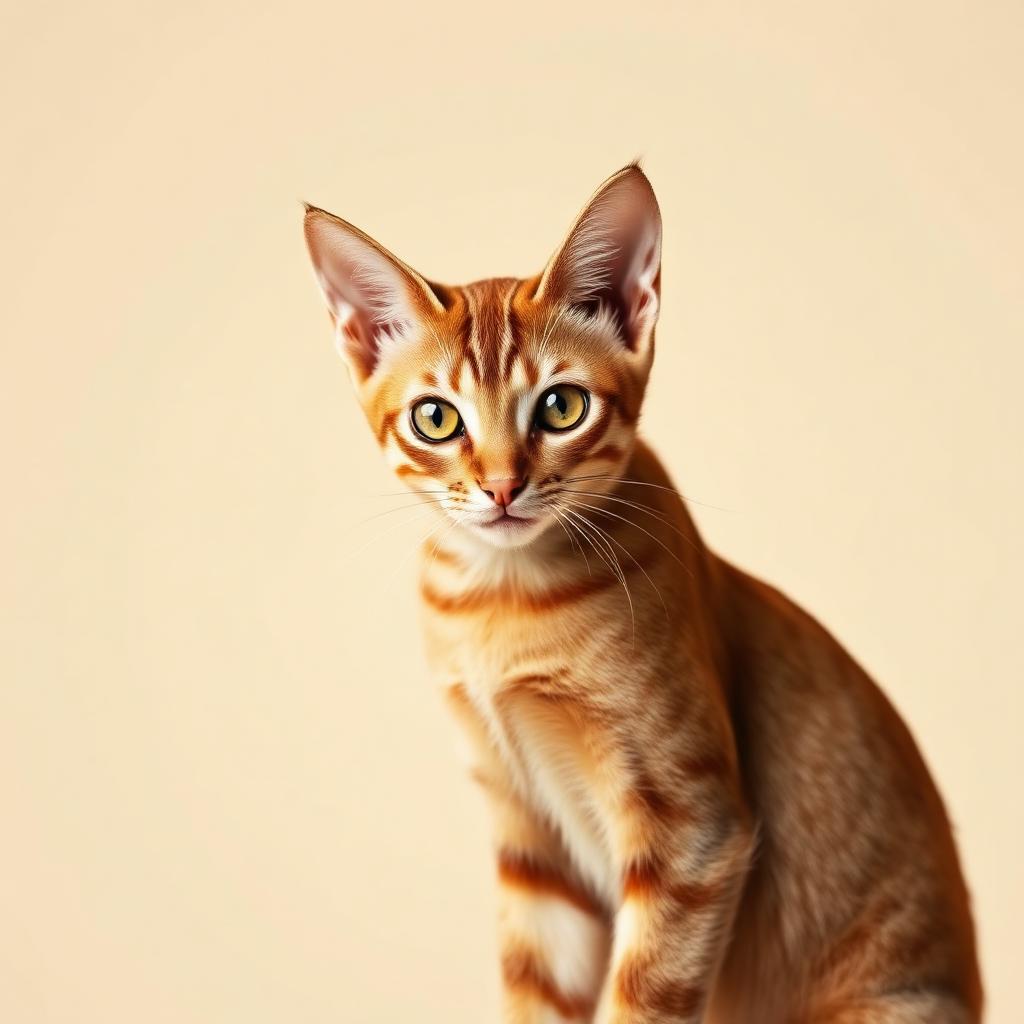
Abyssinian
8.5Sleek and athletic, like an Egyptian fresco come alive. Curious and restless: needs shelves, toys and a feline companion.
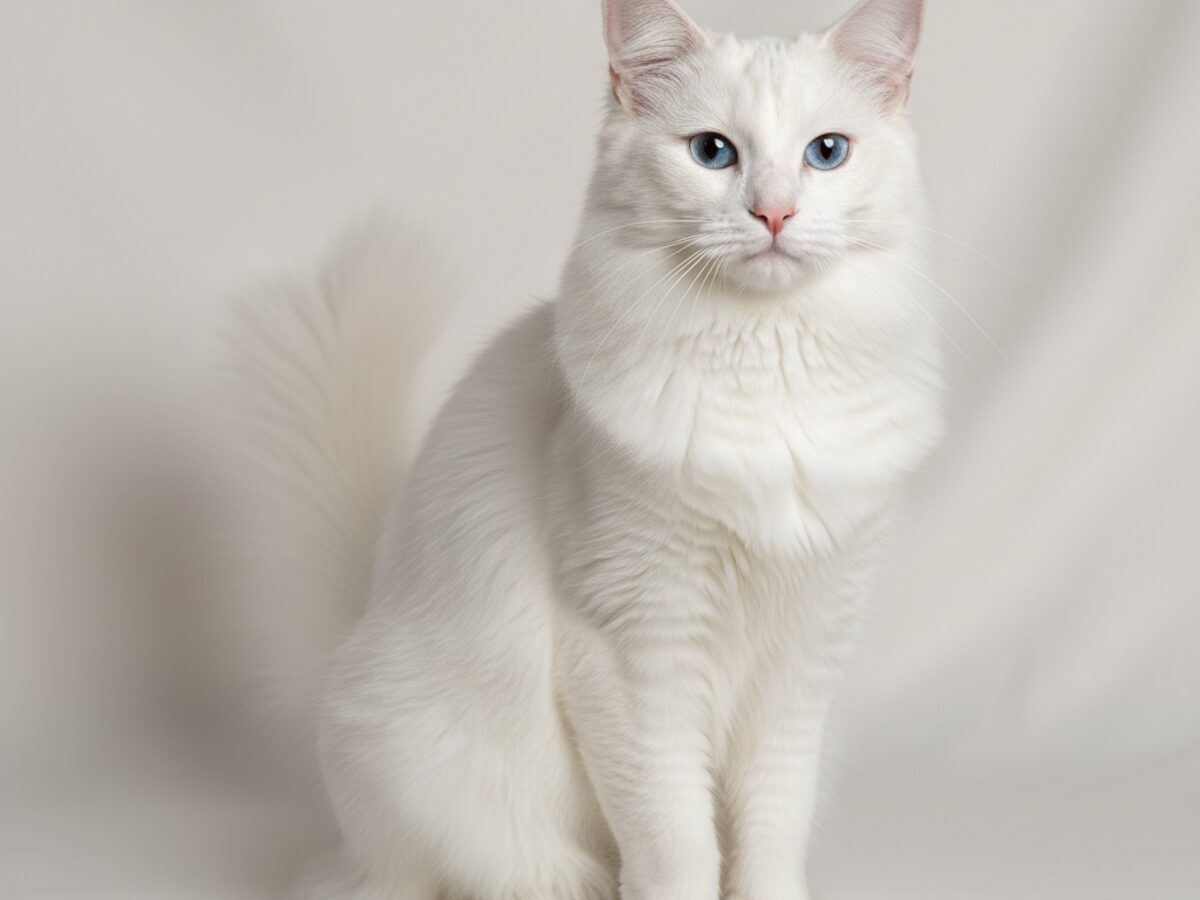
Turkish Angora
8.7Elegant, playful and very smart. Silky low-maintenance coat. Loves jumping to high places and being the centre of attention.
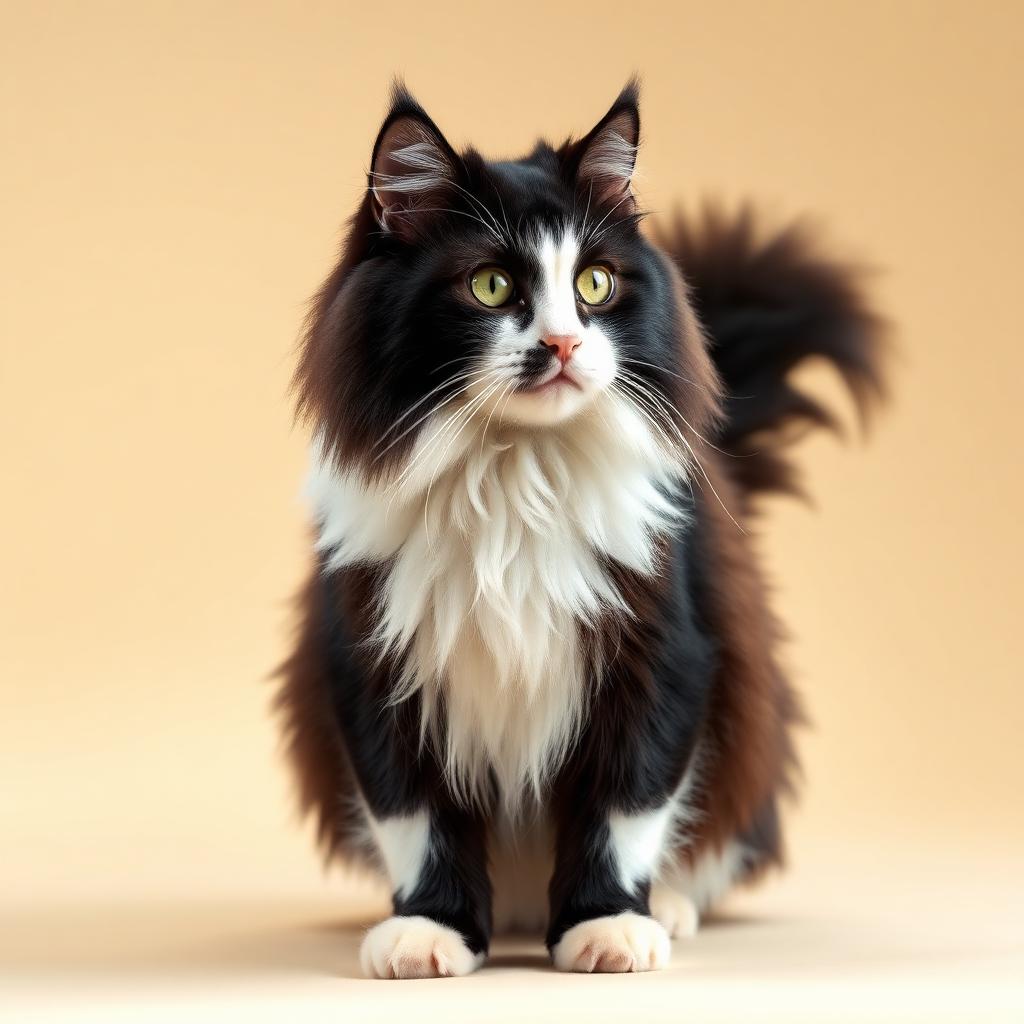
Norwegian Forest Cat
9.1The Viking cat: huge, fluffy and a born climber. Calm at home but loves the outdoors and cold. Poor fit for hot Mediterranean climates.