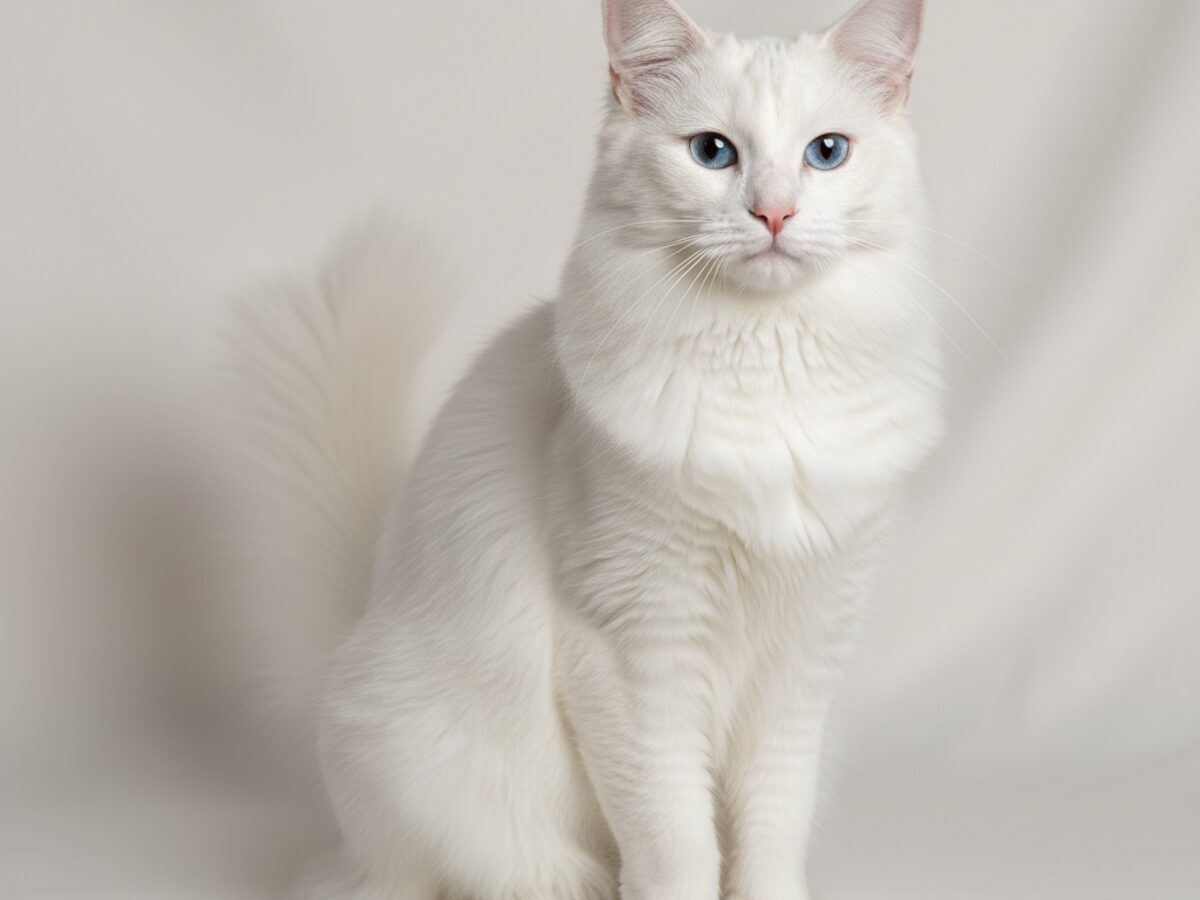
Turkish Angora
"Turkey's Elegant Dancer: A Smart and Playful Companion for Your Home!"
Overview
The Turkish Angora cat is a feline gem that can bring much joy and life to your family home. Its ancient history, combined with its playful and intelligent character, makes it an ideal companion for those seeking a participatory cat. To ensure this elegant feline thrives fully in your home, it is crucial to understand its specific needs. Imagine having a cat that follows you from room to room, 'talks' to you with melodic meows, and entertains you with its acrobatics. Are you ready to welcome this Turkish dancer?
Raising a Turkish Angora at home with children and other pets can be a wonderful experience. They are known for their patience and adaptability, making them compatible with the hustle and bustle of a family. For good development with the little ones, early socialization and positive reinforcement are key. Teach your children to respect their furry friend, and you'll see how the Turkish Angora becomes the center of mischief and games. Consider a tall scratching post and interactive toys to channel their energy and creativity. Don't forget their leash walks—they love to safely explore the world!
Character & temperament
Turkish Angoras are known for their intelligence and their playful and curious nature. There's no corner of the house they won't explore, and no toy they won't put to the test! These cats enjoy interacting with their human family and are usually very affectionate and loyal. They are often described as 'dogs in cat's bodies' due to their ability to learn tricks, their enjoyment of leash walks (yes, you read that right!), and their tendency to follow their owners from room to room. Be prepared for constant chats, because they love to 'talk' with you with their melodic meows!
Although they are very active, Turkish Angoras also have their quiet side and enjoy snuggling on your lap after a good play session. They are extremely adaptable and adjust well to different environments, as long as they receive the attention and play they crave. They like to be the center of attention and are not shy about demanding it if they feel they're not getting it. If you're looking for a cat that will be an active and participatory member of your family, the Turkish Angora will steal your heart with its charm and mischief.
Living with children
The Turkish Angora is generally an excellent companion for children. With their playful and patient temperament, they get along well with the little ones in the house. For toddlers and babies, it's crucial to teach them to be gentle and respect the cat's space. Always supervise interactions to ensure both the cat and the child are comfortable. A well-socialized Turkish Angora can enjoy soft petting and quiet play with the youngest ones.
With school-aged children and teenagers, the Turkish Angora truly shines. They love to play chase, fetch toys (like puppies!), and can easily learn tricks, which is great fun for kids. They are energetic enough to keep up with children's games and can form very strong bonds with kids who give them attention and affection. Their intelligence means they also benefit from interactive games that stimulate their minds. They will become your children's best adventure buddy!
With other pets
Turkish Angoras are known for their ability to coexist peacefully with other animals, especially if socialized from a young age. With **other cats**, they are usually tolerant and can enjoy companionship, although it is important to introduce them slowly and ensure each cat has its own living space and resources. If you already have a territorial cat, the Turkish Angora may need a little more time to adjust and find its place. With **dogs**, the good news is that many Turkish Angoras adapt wonderfully. Their confident and playful nature allows them to forge unusual friendships with canine companions. Always introduce new furry friends cautiously, supervising the first interactions and ensuring the dog is calm and accustomed to cats. A well-adjusted Turkish Angora can even enjoy shared games with a friendly dog. Imagine the fun of having a house full of furry friends, all playing together!
Health & prevention
Turkish Angoras are generally healthy and robust cats, with a life expectancy of 12 to 18 years. However, like all breeds, they can be prone to certain health conditions. One of the most notable concerns, especially in white Angoras with blue eyes, is hereditary deafness. It is crucial for responsible breeders to conduct BAER (Brainstem Auditory Evoked Response) tests to detect this condition in kittens. Another condition that has been observed is hereditary ataxia of the Turkish Angora, a severe neurological disorder that affects young kittens and is fatal.
To ensure a long and happy life for your Turkish Angora, it is essential to choose a reputable breeder who tests their breeding cats for these conditions. Additionally, regular veterinary visits for check-ups, a nutritious diet, and maintaining a healthy weight are vital. They can also be prone to hypertrophic cardiomyopathy (HCM), although it is not as common as in other breeds. Being vigilant for any changes in their behavior, appetite, or energy level and consulting the vet promptly will help detect and treat any health issues early.
Health risks
- •Deafness (blue eyes)
- •Hereditary ataxia
Care
Nutrition
Nutrition is key to maintaining the vitality and beautiful coat of your Turkish Angora. As active cats, they need a diet rich in **high-quality proteins** to maintain their energy and muscle mass. Look for foods specifically formulated for active or medium to large breed cats, and make sure the first ingredient is a meat or fish source. Avoid foods with many fillers or low-quality by-products. Wet food can be an excellent option to ensure good hydration, and a combination of dry and wet food is often ideal. Always have fresh, clean water available. Consult your vet for a personalized feeding plan, especially if your cat has special dietary needs, and remember that the amount of food will depend on their age, activity level, and weight.
Grooming & hygiene
Despite their elegant appearance and semi-long coat, Turkish Angoras are surprisingly **easy to groom**. Their fur lacks a dense undercoat, which means it's less prone to matting and tangles. Regular brushing, **two to three times a week**, is sufficient to keep their coat shiny, soft, and free of shedding. During shedding season, which occurs a couple of times a year, you might need to brush them a bit more often to help remove loose hair. Besides brushing, it's important to check and clean their ears regularly, trim their nails every few weeks, and pay attention to their dental hygiene with at-home brushing or dental toys. With this basic beauty routine, your Turkish Angora will always look like the star they are!
Exercise & training
Exercise plan
Turkish Angoras are very **active and energetic** cats that enjoy playing and exploring. They are not happy if they lie around all day. They need opportunities to express their natural curiosity and expend their energy, which is vital for their physical and mental well-being. **Interactive toys**, such as laser pointers (used in moderation and always ending with a real toy as a reward!), feather wands, and balls, are perfect for keeping them entertained. They also love to climb and explore, so a **tall cat tree** with multiple levels and scratching posts will be a huge hit. Many Turkish Angoras even enjoy learning to walk on a leash in a harness, which offers them a wonderful opportunity to explore the outside world safely. Dedicate at least **30 minutes a day** to actively playing with your Turkish Angora to ensure they stay happy, healthy, and well-stimulated. A bored cat can become a mischievous cat, so keep the fun alive!
Training
Prepare to be amazed by the intelligence of the Turkish Angora! These cats can not only learn tricks but often enjoy them and will demand them from you! They are very receptive to **clicker training** and rewards, which can help them master commands like sit, stay, give paw, and even fetch. Their active minds need challenges, and training is an excellent way to provide mental stimulation. Besides tricks, many Turkish Angoras adapt very well to **leash and harness walks**. Start with short sessions indoors and gradually increase the time and environment. Patience and treats are your best allies. They are also easy to train for litter box use and adapt to routines. With the right combination of patience, positive reinforcement, and fun, your Turkish Angora will not only be a companion but a star student!
Monthly cost
Estimated monthly costs in Europe for keeping a Turkish Angora. Costs may vary depending on food brand, vet, insurance, and the individual needs of the cat.
Estimate for Spain, healthy adult cat. Varies by region and provider.
Pros & cons
Pros
- ✓Extremely intelligent and easy to train.
- ✓Affectionate and loyal to its family.
- ✓Playful and full of energy.
- ✓Easy-care coat, with little shedding.
- ✓Gets along well with children and other pets.
Cons
- !Require a lot of attention and mental stimulation.
- !Can be very 'talkative' (meow a lot).
- !Prone to hereditary deafness (especially blue-eyed whites).
- !Need space to climb and explore.
- !If bored, they can become mischievous or destructive.
Ideal for
- • Active families with time for play.
- • Homes looking for an interactive and affectionate cat.
- • Owners who enjoy teaching tricks.
- • Environments that can offer mental and physical stimulation.
- • People who appreciate a 'talkative' cat.
Not recommended for
- • Families who travel a lot or are often absent.
- • People looking for a very independent cat.
- • Homes that prefer a very quiet and silent house.
- • Owners with little time for daily interaction.
- • Those who do not want a cat that climbs or explores.
How it fits each scenario
Yes, if provided with enough stimulation and play opportunities, as they are curious and active. They will need a cat tree and interactive toys to prevent boredom.
Excellent, they enjoy exploring and safe access to a garden will delight them, always under supervision. They can even learn to walk on a leash.
Good, their semi-long coat doesn't have much undercoat, which helps them regulate temperature. Still, they need access to shade and fresh water in very hot climates.
Good, their silky coat without much undercoat offers moderate protection. They tolerate cold but prefer indoor comfort during winter.
Requires constant supervision. They are patient, but small children must learn to interact gently to avoid scaring or accidental scratches from either side.
Excellent choice. Their energy and playful nature are perfect for school-aged children who will provide them with plenty of interaction and games. They can be great adventure companions.
Suitable for first-time owners who are willing to invest time in play and socialization. Their intelligence makes them receptive to training.
Ideal for experienced owners who appreciate an intelligent and active cat. They will enjoy their skills and unique personality.
Perfect. They are athletic and playful, and love to participate in family activities. They will adapt well to a lively home.
Not ideal. They need a lot of interaction and stimulation. A too-busy family might leave them bored and lead to unwanted behaviors.
**Not a hypoallergenic breed.** Although they shed less than other breeds due to their lack of undercoat, they still produce the Fel d 1 protein, which is the main cause of allergies.
Moderate. While their coat maintenance is low, their need for toys, scratching posts, and potential health insurance should be considered.
Origin & history
The history of the Turkish Angora is as ancient and majestic as Turkey itself. It is believed that these cats were brought to Europe from Ankara (formerly Angora), the capital of Turkey, in the 15th or 16th century. Their exotic beauty made them very popular among European nobility; they were even a status symbol! Queen Marie Antoinette is said to have owned several Turkish Angoras, and one of them was her devoted companion. These cats were not just pets; they were living jewels!
Did you know that Turkish Angoras have been considered national treasures in Turkey? In fact, at the Ankara Zoo in Turkey, there is a special breeding program to preserve the breed. Odd-eyed Turkish Angora cats (heterochromia), with one blue eye and one amber eye, are especially valued and seen as good luck charms! They are like little living works of art!
Frequently asked questions
Does the Turkish Angora need daily brushing?▾
Fortunately, no. Thanks to their single-layer coat without a dense undercoat, Turkish Angoras only require two to three brushings a week to stay shiny and tangle-free. It's one of their big advantages over other long-haired breeds!
Are Turkish Angoras good with children?▾
Yes! They are excellent cats for families with children. Their playful, energetic, and patient nature makes them ideal companions for little ones. Just be sure to teach children to be respectful and gentle with their feline friend.
Can Turkish Angoras learn tricks?▾
Absolutely! They are very intelligent and cunning cats. They enjoy mental challenges and can be trained to perform a variety of tricks, such as sitting, staying, fetching, and even walking on a leash. They love to please their humans!
Are Turkish Angoras hypoallergenic?▾
Unfortunately, no. Although they are considered low-shedding and their coat is easier to manage for some people with mild allergies, they are not truly hypoallergenic. They produce the Fel d 1 protein, the main cause of cat allergies.
How long does a Turkish Angora live?▾
Turkish Angoras are robust cats and can live a long and healthy life. Generally, they have a life expectancy of **12 to 18 years**, although some well-cared for individuals can exceed 20 years. A long-lasting companionship for your family!
Can Turkish Angoras get along with other animals?▾
Yes, they are generally very adaptable and can coexist well with other cats and even dogs, especially if socialized from an early age. Their confident and playful nature helps them forge unusual friendships.
Are Turkish Angoras noisy?▾
They love to 'talk'. Turkish Angoras are known for their variety of meows, purrs, and vocalizations to communicate with their humans. They are not noisy in an annoying way, but they are definitely 'talkative' and will tell you all about their day.
Similar family-friendly breeds
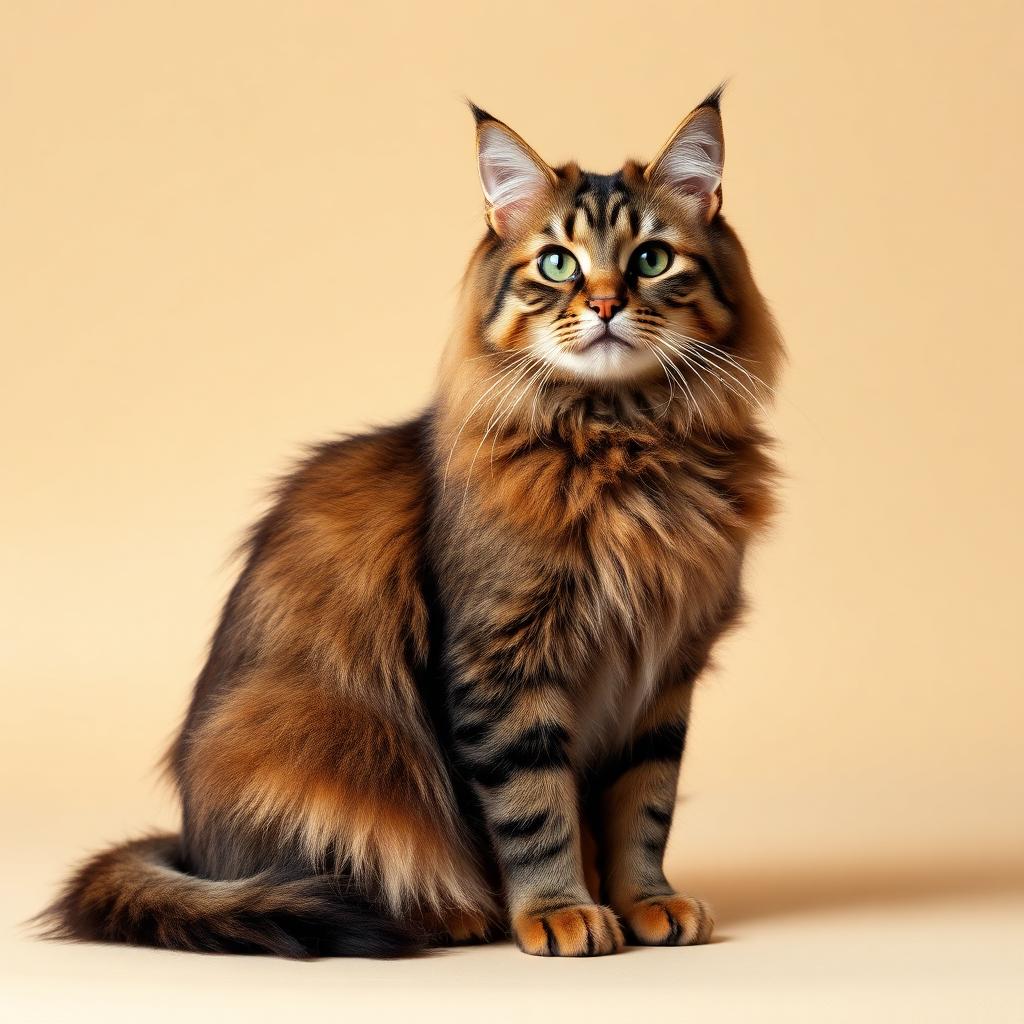
Maine Coon
9.7The gentle giant of the cat world: sociable, dog-like and very patient with kids. The semi-long coat needs brushing 2–3 times a week.
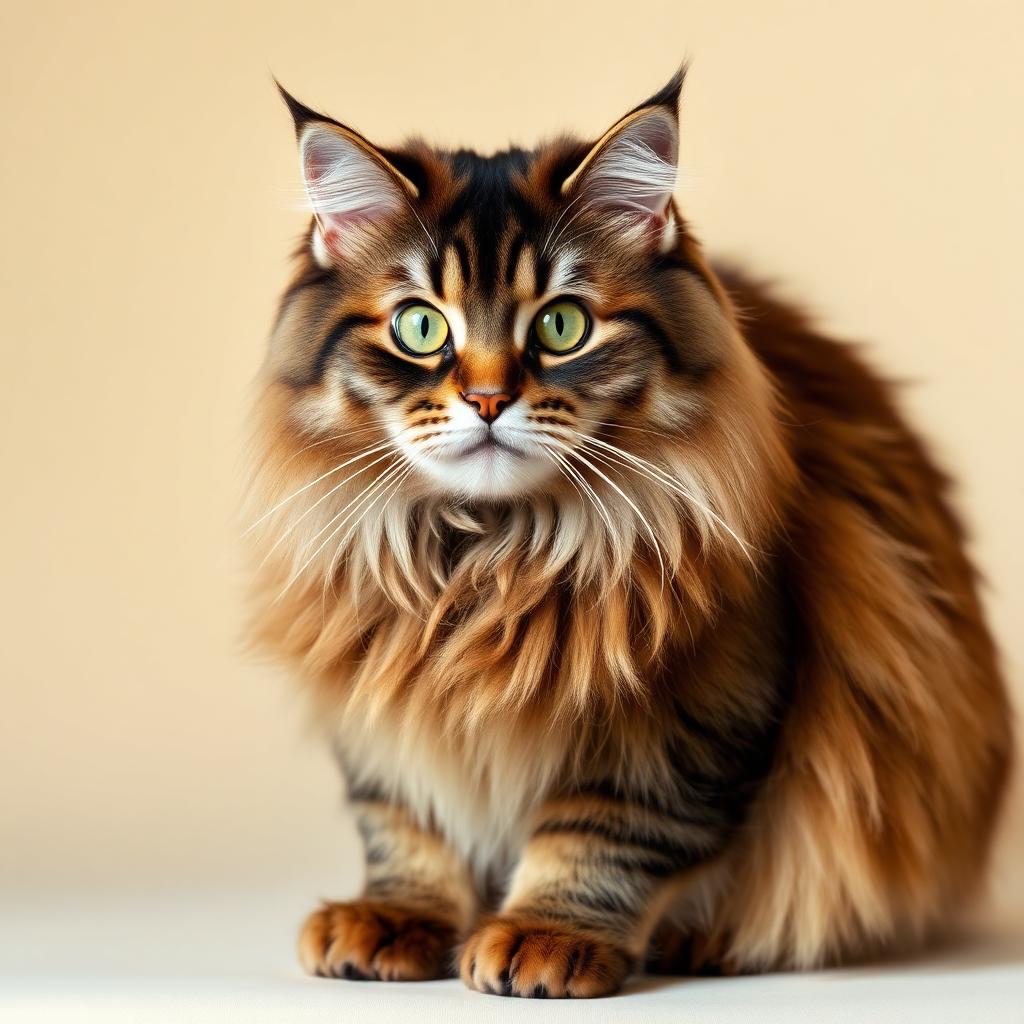 Hypoallergenic
Siberian
9.2Best option for allergy sufferers: produces less Fel d 1 than average. Sturdy, playful and very cold-resistant thanks to a triple coat.
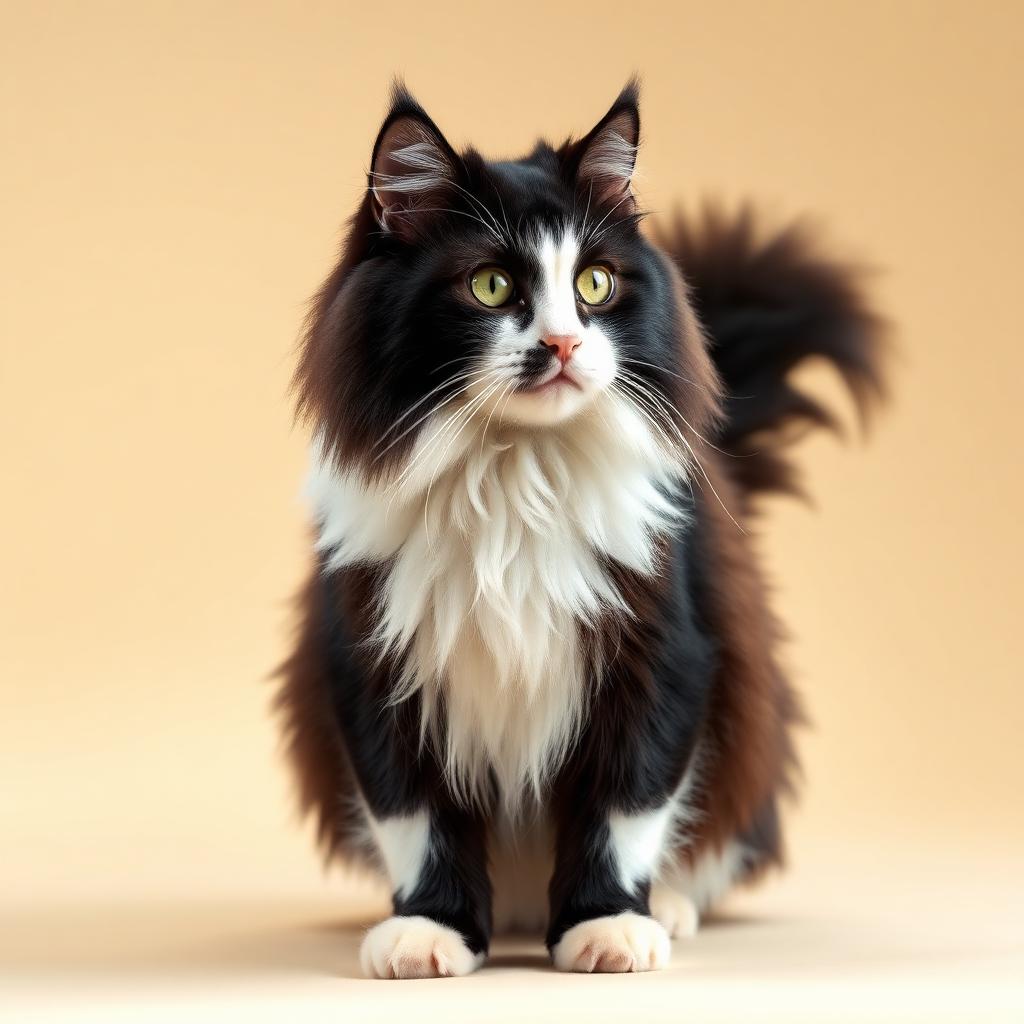
Norwegian Forest Cat
9.1The Viking cat: huge, fluffy and a born climber. Calm at home but loves the outdoors and cold. Poor fit for hot Mediterranean climates.