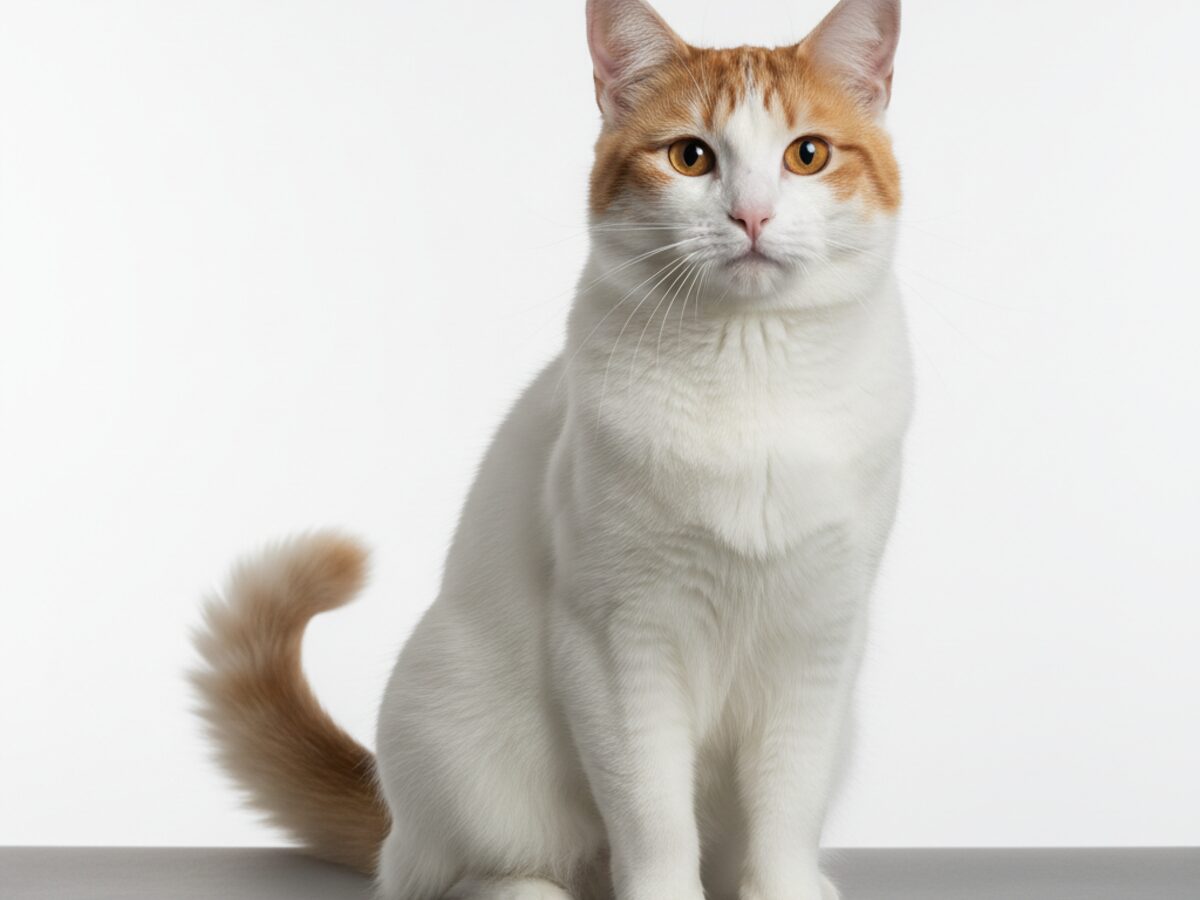
Turkish Van
"The "swimming cat" that will steal your heart with its bi-colored eyes!"
Overview
Discover everything about the fascinating Turkish Van, also known as the "swimming cat" or Van Turco. This cat breed is famous for its love of water and its waterproof coat, a unique characteristic in the feline world. At FamiCats.com, we offer you a complete guide about this beautiful and energetic companion, ideal for families looking for an active and affectionate cat. You will learn about its origin in the Lake Van region of Turkey, its playful and curious personality, and why it is an excellent addition to homes with older children and experienced owners. We will explore its grooming, nutritional, and exercise needs, demystifying the care of its unique coat.
The Turkish Van is not just a cat; it's an adventure. Its intelligence and eagerness to interact make training a rewarding activity, allowing you to teach it tricks and commands. However, its vocal nature and need for constant stimulation mean it's not the best choice for homes where it will be left alone for long periods or for first-time owners seeking a quiet companion. We will provide tips on how to introduce it to other pets, keep it healthy with regular vet check-ups, and ensure a stimulus-rich environment for its physical and mental well-being. Its life expectancy of 15 to 20 years means it will be a beloved member of your family for a long time.
In this detailed guide, we also address frequently asked questions such as whether they are hypoallergenic (they are not) or if they adapt to apartment living (yes, with proper enrichment). You will learn the pros and cons of owning a Turkish Van, from its affection and trainability to its potential dominance and high demand for attention. If you are looking for a distinctive feline companion, full of energy and with a marked personality, the Turkish Van could be the perfect cat for your home. Get ready to fill your life with water games and special moments with this incredible pedigree cat.
Character & temperament
Turkish Vans are like little explorers with an adventurous spirit. They are very intelligent and curious cats, always ready to investigate every new sound or corner of the house. They love to play and have seemingly inexhaustible energy, making them ideal pets for active families. Don't expect a lap cat content to sleep all day; the Turkish Van prefers to be involved in everything happening around them. They are quite vocal and won't hesitate to communicate with their distinctive meows to express their wishes or get your attention.
Living with children
The Turkish Van is an excellent companion for families with children, especially if they are a bit older (from 6-7 years old) and understand how to interact respectfully with a cat. Their playful and energetic nature perfectly matches the enthusiasm of little ones, and they will often enjoy participating in interactive games with them, such as chasing toys or jumping. They are robust enough to tolerate the hustle and bustle of children, but it is always important to supervise interactions to ensure both the cat and the children are comfortable and safe.
With other pets
Generally, the Turkish Van gets along well with other companion animals, provided they are properly socialized from a young age. Their confident and dominant nature means they may try to establish their position in the home, so a gradual introduction is important, especially with other cats. With dogs, if they are used to cats and have a calm temperament, coexistence can be harmonious. However, due to their hunting instinct, they may not be the best choice for homes with small rodents or birds.
Health & prevention
The Turkish Van is generally a very healthy and robust breed, with a life expectancy that can reach 15-20 years. However, like all breeds, they can be predisposed to certain conditions. It is important for breeders to perform genetic tests to detect hypertrophic cardiomyopathy (HCM), a heart disease that can be hereditary. Another point to consider is the possible sensitivity to anesthesia. Always consult your veterinarian before any medical procedure that requires it.
To keep your Turkish Van in optimal shape, ensure a regular vaccination and deworming program. A high-quality diet and plenty of exercise are crucial. It is also important to pay attention to any changes in their behavior or appetite, and take them to the vet for annual check-ups. An active and healthy life greatly contributes to the overall well-being of your adventurous feline!
Health risks
- •Hypertrophic cardiomyopathy
Care
Nutrition
A balanced, high-quality diet is fundamental for the Turkish Van, especially considering their activity level. Opt for foods rich in animal protein, whether it's good brand dry kibble, premium wet food, or even a BARF diet supervised by an expert. Adjust portions to their age, weight, and activity level to avoid overweight. Always consult your veterinarian for a personalized nutritional plan.
Grooming & hygiene
Despite their semi-long fur, Turkish Vans require relatively simple grooming thanks to their silky texture and lack of dense undercoat, which makes them less prone to tangles. Brushing a couple of times a week will be enough to keep their coat impeccable and **minimize shedding**. During shedding seasons, which usually occur twice a year, you may need to brush them more frequently to help remove loose hair. One of the most surprising things is their **waterproof** coat, which repels water, a genetic characteristic that sets them apart from other cats.
Exercise & training
Exercise plan
The Turkish Van is an energetic cat that needs plenty of exercise and mental stimulation to stay happy and healthy. They love to climb, jump, and explore. Provide them with tall cat trees, scratching posts, and a variety of interactive toys. Daily play sessions are essential to burn off their energy and strengthen the family bond. They also enjoy walks on a harness and, of course, love playing with water, so a shallow bathtub or a cat fountain can be great fun!
Training
Turkish Vans are very intelligent and, while not as obedient as a dog, they can learn a variety of tricks and commands with positive reinforcement. They love interaction and mental stimulation, so play-based training with treats works wonders. You can teach them to fetch, to use a harness for walks, and even to enjoy a splash. Patience and consistency are key, and you'll be surprised by their learning ability!
Monthly cost
These costs are monthly estimates and can vary based on food brand, specific veterinary needs, and region. Also consider the initial cost of the kitten and accessories.
Estimate for Spain, healthy adult cat. Varies by region and provider.
Pros & cons
Pros
- ✓Affectionate with its family
- ✓Intelligent and easy to train
- ✓Playful and energetic, ideal for active people
- ✓Water-loving (unique!)
- ✓Easy-care coat
- ✓Generally very healthy
Cons
- !Needs a lot of stimulation
- !Can be destructive if bored
- !Can be dominant with other pets
- !Vocal and demanding
- !Not ideal for being alone for long periods
Ideal for
- • Active families with older children
- • Experienced owners
- • Homes with plenty of space and time to play
- • People who enjoy interacting with cats
Not recommended for
- • People looking for a quiet lap cat
- • Homes where the cat will be alone most of the day
- • First-time owners who cannot dedicate time
- • Very small apartments with almost no space
How it fits each scenario
Ideal, especially if the garden is securely fenced and they can explore and play outdoors under supervision.
Their single-layered coat adapts well to warm climates, but they always need access to shade and fresh water.
Their semi-long coat offers some protection, but in very cold climates, they should mainly stay indoors.
Not highly recommended due to their energy level and not always tolerating rough handling; better with older children.
Excellent choice, as they can participate in active games and help with the cat's mental stimulation.
Possible for owners committed to research and dedicating time, but their energy level can be an initial challenge.
Perfect, as an experienced owner will know how to meet their stimulation needs and manage their unique personality.
Perfect match! The Turkish Van will thrive in a home that provides interactive games and walks.
Not ideal, as it requires daily attention and several play sessions to avoid boredom and destructiveness.
Not hypoallergenic. Their coat, although easy to maintain, still produces the Fel d 1 protein.
Maintenance costs are moderate, but the initial price of the kitten can be high, and it requires quality toys and scratchers.
Origin & history
The Turkish Van has its roots in the Lake Van region of eastern Turkey, an area known for its natural beauty and rich history. For centuries, these cats have inhabited this area, adapting to its climate and developing their famous fondness for water. The breed was "discovered" by Westerners in the 1950s, when two British photographers, Laura Lushington and Sonia Halliday, were captivated by their beauty and temperament during a trip to Turkey. They were responsible for bringing the first specimens to Europe, laying the foundation for the recognition and development of the breed in the West. Imagine for a moment these cats living freely, jumping into the lake waters to fish or cool off, an image straight out of an adventure movie!
Their adaptation to the environment explains many of their distinctive characteristics, from their unique coat to their athletic musculature. Unlike other breeds, the Turkish Van is not the result of intensive selective breeding, but has evolved naturally in its original habitat, giving it a unique robustness and character. Its history is intertwined with local culture, often being considered symbols of purity and luck. It is a breed that, although relatively modern in its formal recognition, carries the wisdom of centuries in its genes.
Some famous Turkish Vans have appeared on TV shows and documentaries for their incredible swimming ability! It's like watching a tiny feline aquatic athlete.
Frequently asked questions
Is it true they like water?▾
Yes! The Turkish Van is one of the few cat breeds that actually enjoy water, and can even swim. Their waterproof coat protects them, so don't be surprised if they join you for a splash!
Are they good with other cats and dogs?▾
With proper socialization from a young age, they can get along well. However, their dominant personality may require careful introduction, especially with other felines.
Do they need a lot of living space?▾
Yes, they are active cats and enjoy exploring. They adapt to apartments if they have vertical enrichment (cat trees) and lots of play, but a secure home with a garden is ideal.
Do they shed a lot?▾
Their semi-long coat does not have a dense undercoat, meaning shedding is moderate. Brushing a couple of times a week is sufficient, increasing during their two annual shedding seasons.
Is the Turkish Van hypoallergenic?▾
No, unfortunately, the Turkish Van is not considered a hypoallergenic breed. They produce the Fel d 1 protein, which is the main cause of allergies in humans.
Are they good for first-time owners?▾
They can be if the owner is willing to commit time and effort to socialization, play, and training. Their energy and vocalization require dedication.
Similar family-friendly breeds
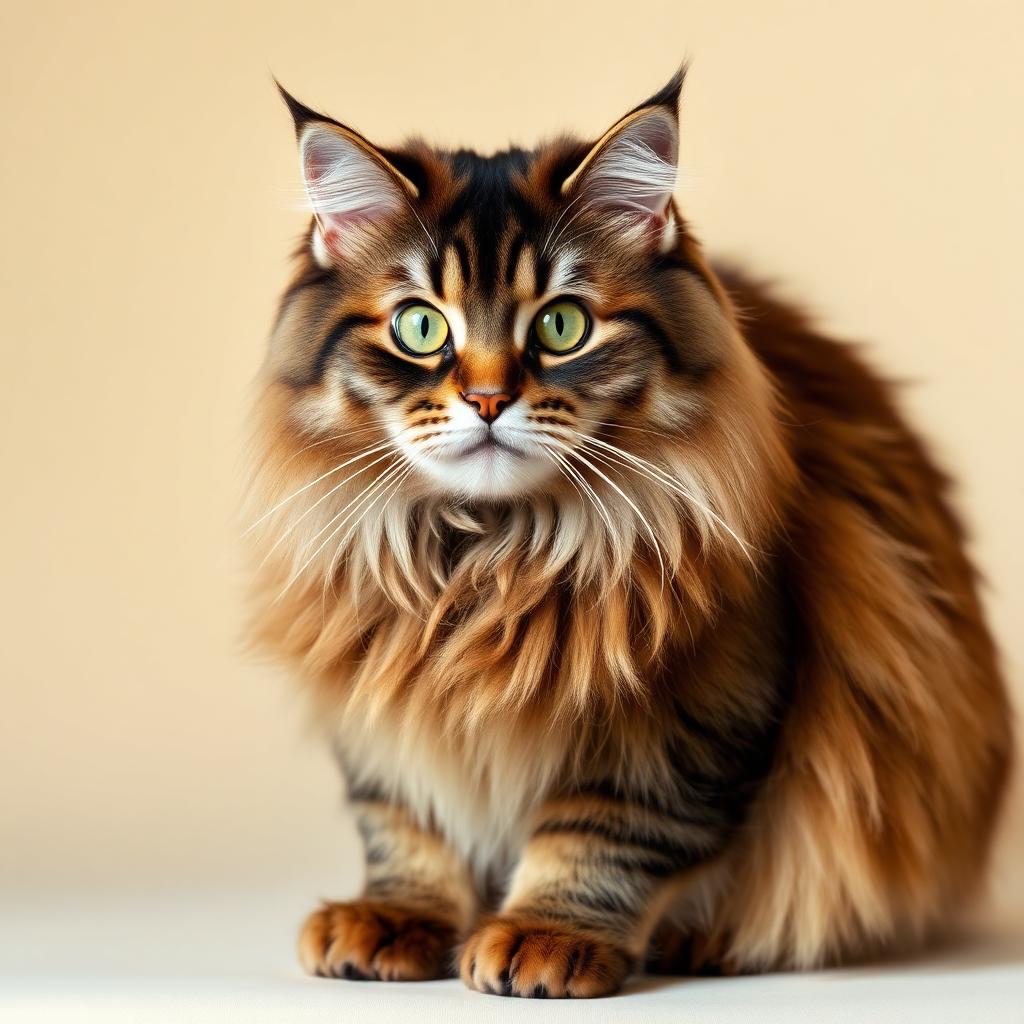 Hypoallergenic
Siberian
9.2Best option for allergy sufferers: produces less Fel d 1 than average. Sturdy, playful and very cold-resistant thanks to a triple coat.
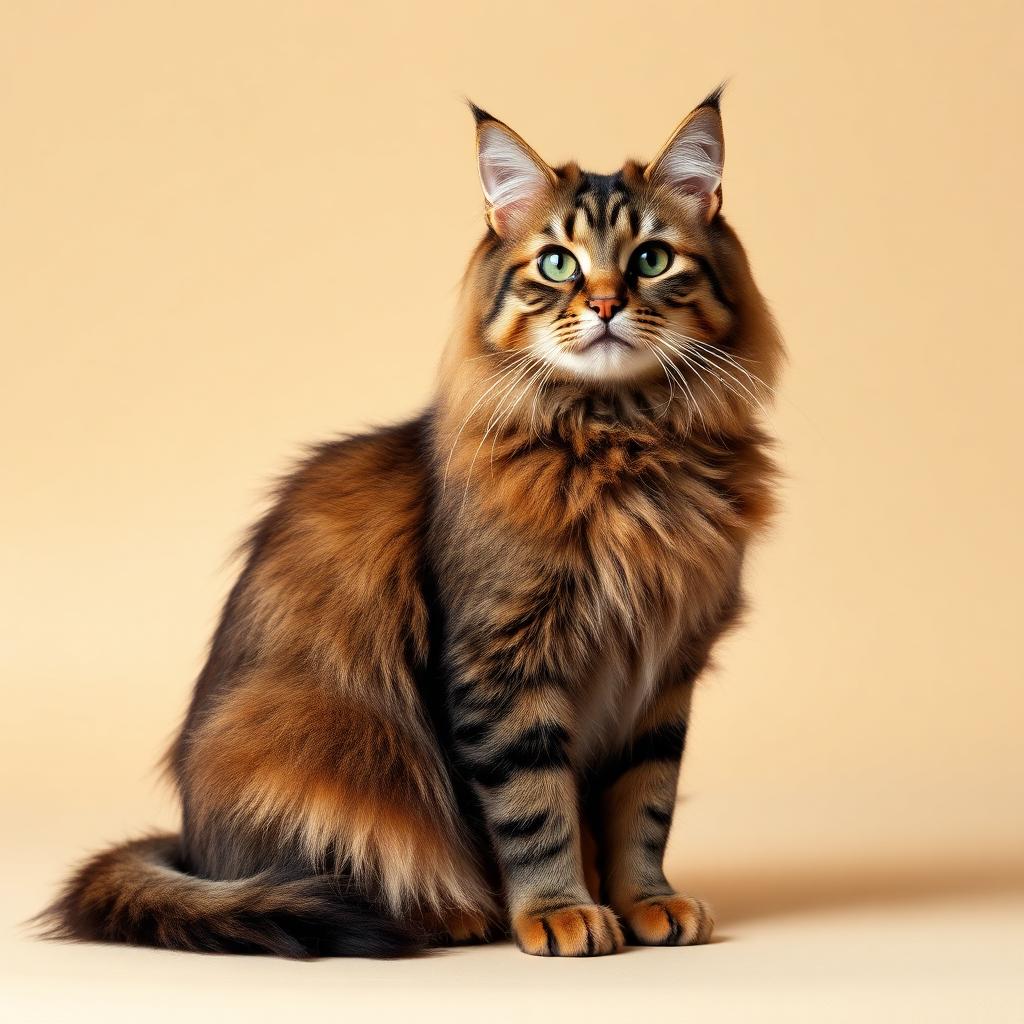
Maine Coon
9.7The gentle giant of the cat world: sociable, dog-like and very patient with kids. The semi-long coat needs brushing 2–3 times a week.
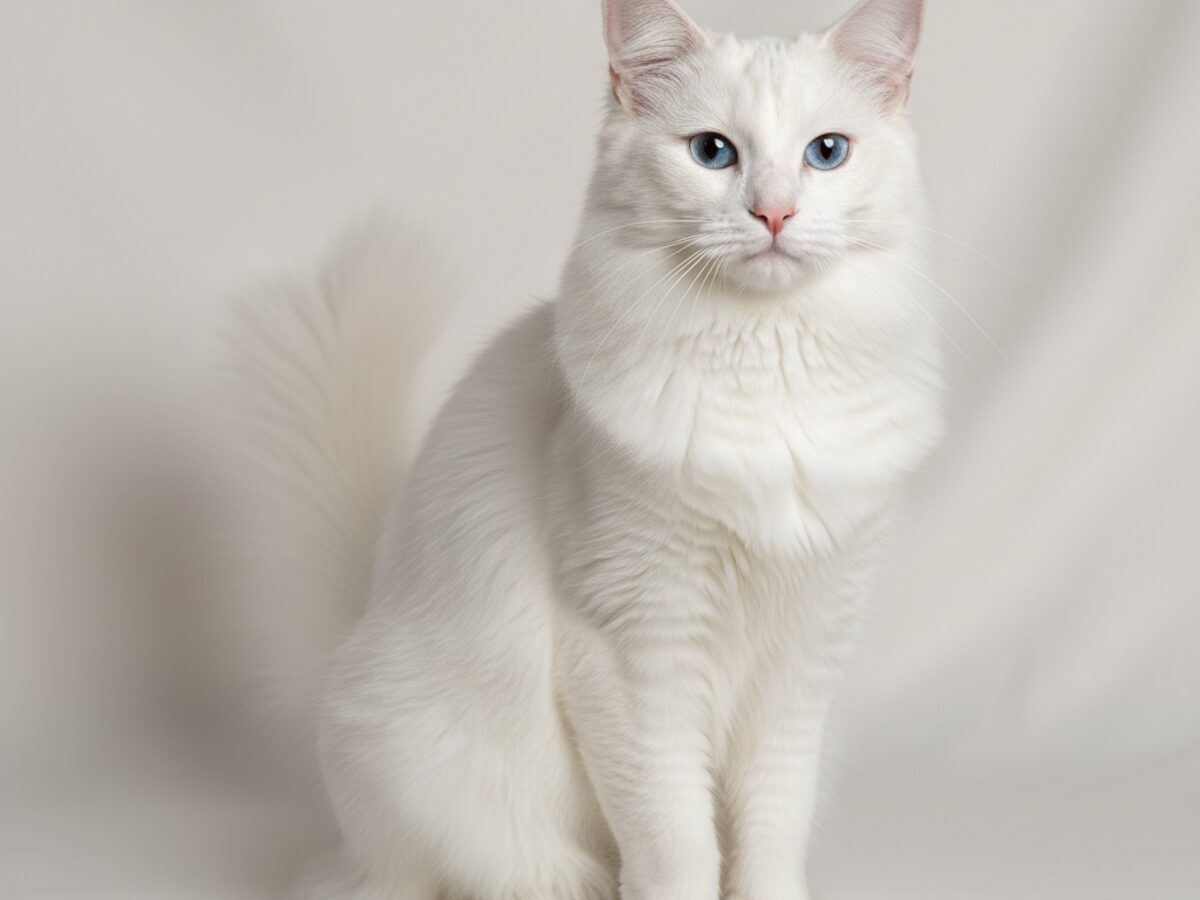
Turkish Angora
8.7Elegant, playful and very smart. Silky low-maintenance coat. Loves jumping to high places and being the centre of attention.